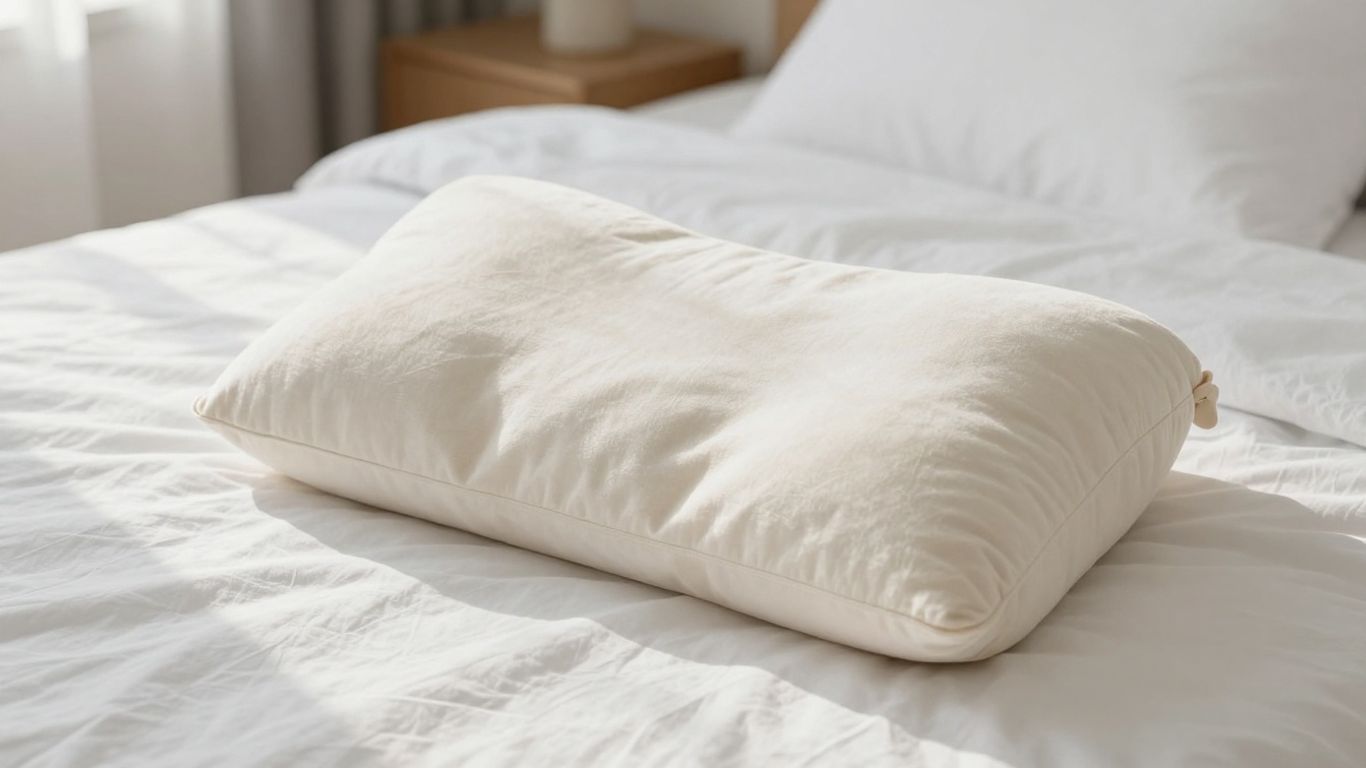
Picking out the right lumbar pillow for your bed might seem like a small thing, but honestly, it can make a big difference in how comfy you feel at home. Whether you’re sitting for ages at your desk or just chilling on the couch, the right pillow can help your posture and even make your space look better. This guide is here to break down how to find that perfect lumbar pillow for bed, making it way easier to figure out what’s going to work best for you.
Key Takeaways
- Figure out what kind of support you really need by thinking about how your back feels after sitting and if you need expert advice.
- Think about where you’ll use the lumbar pillow most – is it for your bed, couch, or maybe even your car seat?
- Choose the right size and shape that fits your body and the furniture, making sure it looks good too.
- Materials like memory foam or latex offer different kinds of support, and the cover material matters for comfort and cleaning.
- Consider extra features like straps or removable covers to make your lumbar pillow for bed more functional and easier to care for.
Understanding Your Lumbar Pillow Needs
Before you even start looking at specific pillows, it’s a good idea to figure out what you actually need one for. It might seem obvious – you want more comfort for your back – but there’s a bit more to it than that. Thinking about how you use your furniture and what kind of support feels good to you will make picking the right pillow much easier.
Assessing Your Personal Comfort and Support Requirements
How does your back feel after sitting for a while? Do you get that dull ache or stiffness? Many of us spend a lot of time sitting, whether it’s at a desk, on the couch, or driving. A lumbar pillow can really help with that. If you’re sitting for long stretches, a firmer pillow might be best to keep your spine aligned. But if you’re mostly using it for relaxing on the sofa, something a bit softer might feel more luxurious. It’s all about what feels good to your body.
- Identify your primary sitting positions: Do you tend to slouch, sit upright, or lean back?
- Note any existing discomfort: Pinpoint where you feel stiffness or pain.
- Consider your typical sitting duration: How long do you usually sit in one spot?
The goal is to find a pillow that supports the natural curve of your lower back without pushing it too far forward or backward. It should feel like it’s filling a gap, not creating a new one.
Determining the Need for Expert Guidance
Sometimes, figuring out what your back needs can be tricky. If you have ongoing back pain or aren’t sure about the best way to support your spine, talking to a professional might be helpful. A physical therapist or an ergonomist can give you personalized advice. They might suggest specific types of support or materials that are best suited for your situation. It’s not always necessary, but it can be a good step if you’re feeling lost.
Identifying Primary Use Cases for Your Lumbar Pillow
Where will you use this pillow the most? Is it for your favorite armchair, the sofa, or maybe even your bed? Knowing this helps narrow down the choices. For instance, a pillow for your office chair might need to be more robust and perhaps have a strap to keep it in place. If it’s for the living room couch, you might prioritize aesthetics and a softer feel. Thinking about how you’ll use it day-to-day is key. For example, if you like to read in bed, a flatter pillow can support your lower back while you’re sitting up. If you prefer lying down, a contoured pillow placed under your knees can help ease back tension. Using a pillow correctly can make a big difference.
Here’s a quick breakdown:
- Work/Desk Use: Focus on firm support and secure placement.
- Living Room Relaxation: Prioritize comfort and style.
- Bedtime Use: Consider support for sitting up or lying down positions.
- Travel: Look for compact and portable options.
Selecting the Ideal Lumbar Pillow Size and Shape
When you’re picking out a lumbar pillow, the size and shape really matter. It’s not just about how it looks, but how it actually feels and supports you. Think about your own body and the furniture you’ll be using it with. A pillow that’s too big or too small can end up being more of a nuisance than a help.
Matching Pillow Dimensions to Your Body and Furniture
First off, let’s talk about fitting the pillow to you. If you’re on the taller side, a longer, rectangular pillow might be just the ticket. It can span the natural curve of your spine, giving you consistent support. For folks who are a bit shorter, a more compact, maybe D-shaped pillow could be a better fit. It’ll target the right spot without feeling like you’re wrestling with a giant cushion. Knowing your own measurements, or at least having a general idea of your frame, helps a lot here. You don’t want a pillow that feels underwhelming or, conversely, completely overwhelms your seating.
Your furniture plays a big role too. A big, comfy couch with deep cushions can handle a larger lumbar pillow. It just blends in. But if you’ve got a smaller loveseat or a cozy armchair, you’ll want to go for something slimmer. A huge pillow on a tiny chair just looks cluttered and feels awkward to sit in. It’s all about balance. You want the pillow to add support without taking over the whole piece of furniture. It’s helpful to visualize how it will look and feel in place before you buy.
Aligning Pillow Shape with Functional Support Goals
Beyond just size, the shape of your lumbar pillow dictates how it supports you. A standard rectangular pillow is a pretty safe bet for most sofas and beds. It offers pretty even support across your lower back. If you’re looking for something that really hugs the natural curve of your spine, especially when you’re sitting up to read or watch TV, a contoured or wedge shape might be better. These shapes are designed to fit into that natural arch.
For smaller spaces, like a compact chair or a loveseat, cylindrical or roll-shaped pillows can fit really nicely. They tuck in without sticking out too much and can look quite neat. Some pillows even come with adjustable features or segmented cushioning, which means you can tweak them for different uses or to get just the right feel. It’s worth considering what you’ll primarily use the pillow for when deciding on its shape.
Balancing Pillow Size with Furniture Aesthetics
We touched on this a bit, but it’s worth repeating: the visual aspect is important too. You want your lumbar pillow to look good with your furniture, not like an afterthought. For larger sofas, a bigger pillow can make a statement and feel proportional. On smaller pieces, a more understated pillow is usually the way to go. Think about the overall vibe of your room. Do you have a modern setup? Maybe a sleek, minimalist pillow. More traditional? Perhaps something with a bit more texture or a classic shape. It’s about making sure the pillow complements your existing decor, rather than clashing with it. Sometimes, a pillow that’s just the right size and shape can make a whole seating area feel more inviting and put-together. It’s a small detail that can make a big difference in how your space looks and feels. If you’re unsure, looking at examples of pillow placement can give you some ideas.
Choosing the Right Materials for Your Lumbar Pillow
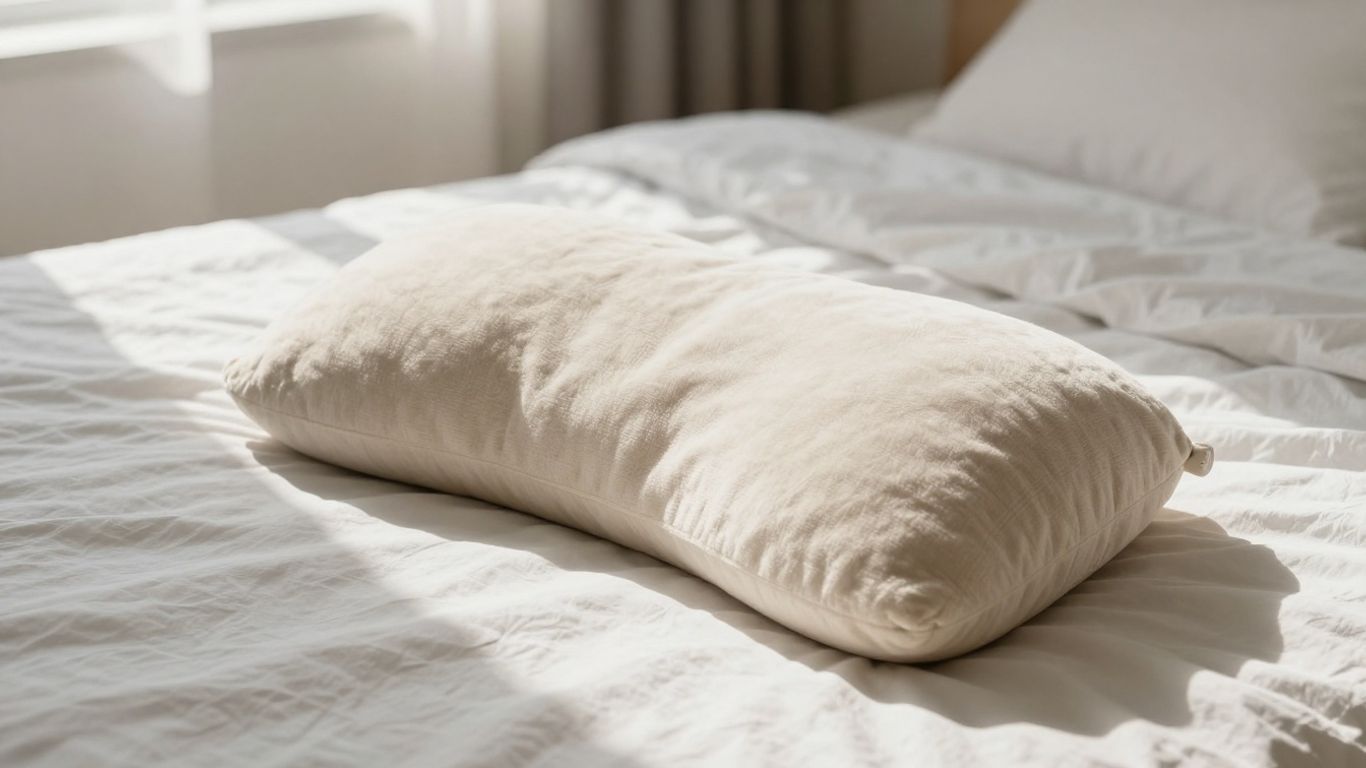
When you’re picking out a lumbar pillow, the stuff it’s made of really matters. It’s not just about how it looks; it’s about how it feels and how well it actually supports your back. Think about what you’ll be doing with it. Are you looking for something to help you sit up straight while you read, or something softer for just lounging on the couch? The material choice can make a big difference.
Exploring the Benefits of Memory Foam and Latex
Memory foam is a popular choice for a reason. It molds to the shape of your lower back, giving you personalized support that feels just right. It holds that shape for a good while, so you get consistent comfort. Latex is similar in that it offers good support, but it has a bit more bounce to it. It feels more responsive, which can be nice if you’re moving around a lot while sitting. Both are great options if you need solid support.
Considering Breathability and Cover Materials
Beyond the filling, the cover material is super important too, since it’s what touches your skin. If you tend to get warm, look for breathable fabrics like bamboo or cotton. They feel cool and fresh, which is a big plus on a hot day. Microfiber is another option, offering a softer, cozier feel that’s great for bedrooms or family rooms. You’ll also want to think about how durable the cover is. Tightly woven fabrics tend to hold up better over time. Some pillows even come with gel-infused foam to help keep things cool, which is a nice touch if you tend to overheat.
Understanding Firmness Levels for Optimal Support
Lumbar pillows come in different firmness levels, and this is where you really need to match the pillow to your needs. A firmer pillow is usually better if you need to improve your posture or reduce strain from sitting for long periods. It helps keep your spine aligned. On the other hand, if you’re just looking for a bit of extra comfort while relaxing on the sofa, a softer pillow might be more your style. It gives you that plush feel without being too stiff. It’s a good idea to think about how much support you actually need. For specific back pain issues, you might want to look into options like the Fox by Lagoon, which is known for its supportive yet plush feel. This pillow is often recommended for back pain relief.
The right material and firmness can turn a regular chair or sofa into a much more comfortable spot. It’s about finding that sweet spot between feeling supported and feeling relaxed. Don’t underestimate how much the inside stuff and the outside cover can impact your overall comfort.
Enhancing Your Bedtime Comfort with Lumbar Support
So, you’ve got your lumbar pillow, and you’re ready to make your bed a little slice of heaven. It’s not just about lounging with a book anymore; we’re talking about seriously upgrading your sleep setup. Think of it as a little boost for your spine while you’re winding down.
Optimizing Your Bedtime Routine with Lumbar Pillows
If you’re someone who likes to read or catch up on shows before hitting the hay, a lumbar pillow can be a game-changer. Instead of that awkward slouch that makes your back ache, a flatter, supportive pillow can help you sit up straighter. It makes those pre-sleep moments way more comfortable. You can even use a contoured pillow tucked under your knees if you sleep on your back; it can really help ease some of that lower back tension and keep things aligned properly.
Achieving Better Sleep Posture
It’s not just about sitting up. When you’re lying down, especially on your back, a small lumbar pillow can fill that natural curve in your lower back. This helps keep your spine in a more neutral position, which is generally a good thing for your back. It’s like giving your spine a gentle reminder to stay happy and aligned. For side sleepers, a pillow placed between the knees can also help keep your hips and spine in line, preventing that uncomfortable twisting.
A little bit of support where you need it most can make a big difference in how you feel when you wake up. It’s about setting yourself up for a more comfortable night and a less achy morning.
Complementing Your Bedroom’s Aesthetic
Who says comfort can’t be stylish? Lumbar pillows come in all sorts of fabrics, colors, and patterns these days. You can pick one that totally matches your duvet cover or adds a pop of color to your bedding. It’s a simple way to add a bit of personality and coziness to your sleeping space without a major overhaul. Think of it as a functional accent piece that also happens to feel great. You can even find specialized pillows designed for specific sleeping positions that also look good.
Here are a few ideas:
- Reading Nook: Place a plush lumbar pillow against your headboard for comfortable back support while reading.
- Movie Night: Use a slightly firmer pillow to prop yourself up on the bed for better viewing angles.
- Guest Comfort: Offer a supportive pillow to guests who might need a little extra back comfort during their stay.
- Travel Companion: Smaller, more compact lumbar pillows can be great for maintaining support even when you’re away from home, like on a long car ride.
Integrating Lumbar Support Into Your Living Space
Lumbar pillows aren’t just for your bed; they can seriously upgrade the comfort of your everyday seating too. Think about your favorite armchair or that comfy sofa where you binge-watch shows. Often, these spots, while inviting, don’t offer much in the way of actual back support. A lumbar pillow can change that.
Elevating Sofa and Armchair Comfort
Sofas and armchairs are prime real estate for lumbar pillows. They’re perfect for adding that extra bit of support right where you need it, especially if you spend a lot of time sitting. You can find pillows that are soft and plush, great for just sinking into after a long day. Or, if you need something firmer to help with posture while you’re reading or working on your laptop, there are plenty of those too. Matching the pillow’s fabric and color to your existing furniture can make it look like it was always meant to be there. It’s a simple way to turn a regular seat into a more supportive spot.
Improving Small-Scale Seating Solutions
Got a loveseat or a cozy corner chair? These smaller pieces of furniture often skimp on back support. A lumbar pillow is a game-changer here. It fills that gap, making sure you can actually relax without feeling stiff later. Decorative lumbar cushions are a great find because they add both function and a bit of style. Just make sure the pillow isn’t too big; you want it to fit well without making the seat feel cramped. It’s all about finding that balance between comfort and how the furniture looks.
Achieving Multifunctional Use Across Home Furniture
Don’t limit yourself! Lumbar pillows are surprisingly versatile. They can add comfort to a window seat, provide a little extra support against a dining chair if you’re having a long meal, or even be used on the floor for some casual lounging. The key is to pick pillows that are supportive but not too heavy, so you can easily move them around as needed. Think about how you use different spaces in your home and where a little extra lumbar support might make a difference. You might even find that a contoured pillow, designed to hug the natural curve of your spine, works wonders when you’re sitting up to read. Ergonomic pillow design often focuses on this natural alignment. If you’re looking for something that offers support for your neck and back while sleeping, consider how a pillow’s loft, or height, plays a role in maintaining proper alignment.
Styling Your Lumbar Pillow for Home Decor
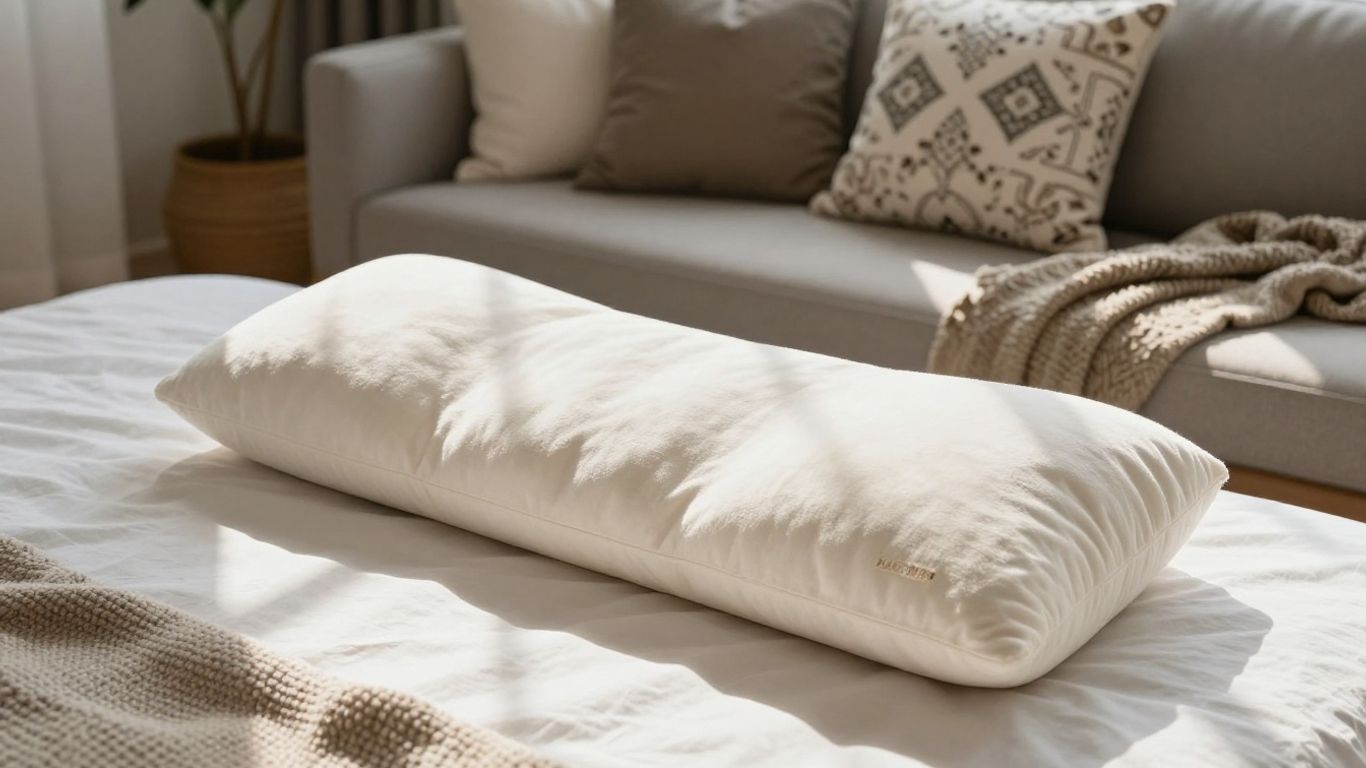
So, you’ve got the perfect lumbar pillow for comfort, but now it’s time to make it look good in your space. It’s not just about support anymore; it’s about making that pillow a part of your room’s vibe. Think of it as another accessory, like a throw blanket or a piece of art.
Matching Pillow Colors to Your Interior Design
This is where you can really tie things together. If your room is all about calm, neutral tones, a pillow in beige, cream, or a soft gray can blend right in. It’s like it was always meant to be there. But if you’re feeling bold, don’t shy away from jewel tones like emerald green or sapphire blue. They can add a pop of color without being too much.
- For minimalist spaces: Stick to solid neutrals that complement your existing furniture.
- For vibrant rooms: Consider a pillow that picks up an accent color from your walls or other decor.
- For a cozy feel: Earthy tones like terracotta or deep rust can add warmth.
Incorporating Patterns and Textures
Patterns and textures are your best friends when you want to add visual interest. A geometric pattern can liven up a plain sofa, while a floral design might add a touch of classic charm. Don’t forget about the feel of the fabric, too. A velvet pillow feels luxurious, while a linen one offers a more relaxed, natural look. Mixing textures can make your seating area feel more layered and inviting. You can find stylish pillow covers that offer a huge variety of colors, patterns, and materials to refresh your look.
Visualizing Pillow Placement with Design Tools
Sometimes, it’s hard to picture how a new pillow will actually look. Before you buy, try using online tools that let you virtually place different pillows in a room setting. It’s a great way to experiment with colors, patterns, and sizes without any commitment. This helps you avoid that
Addressing Back Pain with Lumbar Support
Understanding Lumbar Support for Back Pain Relief
Lots of us spend way too much time sitting, right? Whether it’s at a desk, in the car, or just on the couch, prolonged sitting can really do a number on your lower back. Slouching is practically a default setting for many of us when we sit for extended periods, and that can lead to some serious discomfort. This is where lumbar support comes in. A good lumbar pillow is designed to fill that natural curve in your lower back, giving you a gentle nudge to sit up straighter. It’s not about forcing yourself into an uncomfortable position, but rather about making good posture feel more natural and less like a chore. The goal is to support the spine’s natural alignment, reducing strain on the muscles and ligaments in your back.
The Role of Lumbar Pillows in Posture Correction
Think of a lumbar pillow as a little coach for your posture. When you sit without one, your lower back tends to round out, putting pressure on your discs and muscles. A pillow placed correctly in that little ‘crook’ of your lower back helps maintain that gentle inward curve, which is what your spine likes best. It’s not a magic cure, but it makes a difference. Over time, using one can help retrain your body to hold itself in a better position, even when you’re not actively thinking about it. This can lead to less fatigue and fewer aches at the end of the day. It’s especially helpful for people who sit for long stretches, like office workers or drivers.
- Placement is Key: Aim to place the pillow in the natural curve of your lower back, just above your pelvis. If your bottom is all the way back in the chair, lean forward slightly and slide it into that space.
- Feel the Arch: A properly placed pillow should make your lower back feel like it has a slight, comfortable arch.
- Consistency Helps: Try to use it whenever you’re sitting for a while. The more you use it, the more your body will get used to sitting with better support.
Choosing Pillows for Specific Pain Points
When you’re dealing with back pain, not all lumbar pillows are created equal. The shape and firmness matter a lot. Some people find a cylindrical pillow works best for a more focused support, while others prefer a contoured wedge that fits the curve of their back more broadly. If you’re experiencing tailbone pain, you might even look for a cushion that has a specific cutout for that area. It’s often a good idea to talk to a physical therapist or doctor about what kind of support would be most beneficial for your particular situation. They can help you figure out if you need something firmer or softer, or a specific shape to address your pain points.
While a lumbar pillow can be a great tool for managing discomfort and improving posture during daily activities, it’s important to remember that it’s not a substitute for professional medical advice. If you’re experiencing persistent or severe back pain, consulting with a healthcare provider is always the best first step to get a proper diagnosis and treatment plan. They can help determine the underlying cause of your pain and recommend the most effective solutions, which might include physical therapy, exercises, or other medical interventions alongside supportive tools like lumbar pillows. For those who are primarily side sleepers, ensuring proper spinal alignment even when lying down is also key to overall back health.
Lumbar Pillow Features for Enhanced Functionality
If you’re looking for more than just a basic lumbar pillow, functionality is where you should focus. There’s a world of little features that can really make day-to-day use easier, cleaner, and even more comfortable. Let’s look at some details you might want to think about before making a purchase.
The Importance of Removable and Washable Covers
When it comes to everyday bedding, hygiene matters more than most people think. Here’s why a removable, washable cover is a must:
- Spills and sweat happen, especially if you use the pillow nightly.
- Easy-to-remove covers mean less trouble during laundry day.
- Washable covers extend the life of the pillow filling, keeping it fresh.
- Some materials manage dust mites and allergens, which is a big deal for people with sensitivities.
| Cover Type | Ease of Cleaning | Allergen Resistance |
|---|---|---|
| Cotton | High | Medium |
| Polyester Blend | Medium | Low |
| Bamboo Fabric | High | High |
Keeping a pillow clean can help keep your whole sleep environment more comfortable—especially during allergy season.
Evaluating Pillow Adjustability Options
Not everyone needs the same amount of lumbar support. Some people want to tweak their pillow for just the right fit. Here’s what to look for if adjustability is a priority:
- Adjustable inserts—layers of foam or fiber you can add or remove.
- Inflatable lumbar pillows, good if you want soft one day and firm the next.
- Zippered compartments to add or shift filling as needed.
A well-chosen adjustable pillow lets you troubleshoot lower back discomfort without swapping out the whole pillow.
Considering Straps for Secure Placement
Do you move around in bed a lot? Maybe you want your lumbar pillow to stay put during a movie or while sleeping. Straps can solve a lot of slippage problems. Here’s what to keep in mind:
- Straps are great for keeping a pillow in place on a headboard or a specific spot on your mattress.
- Detachable straps make the pillow more portable, so you can use it on the sofa or in the car.
- Velcro versus buckle: Velcro offers quick adjustment, buckles are tougher but take longer to secure.
Some folks prefer a pillow without straps for easy moving from one chair to another, but if you’re tired of readjusting, a strapped model might be worth a try.
By focusing on features like convenience, cleanliness, and security, you’ll find it’s possible to combine comfort and practicality. Whether you want the best pillow for your sleep or are exploring more options for posture support, places like Walmart’s ergonomic options can help you compare different features and pick the right one for your routine.
Your Back Will Thank You
So, picking out the right lumbar pillow might seem like a small thing, but honestly, it can make a big difference in how you feel, whether you’re at your desk all day or just chilling on the couch. We’ve gone through the ins and outs, from figuring out what kind of support you actually need to making sure the pillow looks good in your space. Remember, it’s all about finding that sweet spot between comfort and support that works for you. Don’t be afraid to try a few different options if you need to. Your back is worth the effort, and a good lumbar pillow can really help you feel better day to day.
Frequently Asked Questions
What exactly is a lumbar pillow and why do I need one?
A lumbar pillow is a specially shaped cushion designed to support the natural curve of your lower back, also known as the lumbar region. If you spend a lot of time sitting, whether at a desk, in a car, or on the couch, your back might not get the right kind of support. This can lead to discomfort and poor posture. A lumbar pillow helps fill that gap, encouraging better alignment and making sitting more comfortable.
How do I know what size lumbar pillow is right for me?
The best size depends on your body and where you’ll use the pillow. For larger chairs or sofas, a bigger pillow might work well. If you have a smaller chair or are of a shorter build, a more compact pillow might be better so it doesn’t feel too big or push you out of the seat. It’s good to think about how much of your back you want the pillow to support.
What are the best materials for a lumbar pillow?
Many lumbar pillows are made from memory foam, which is great because it molds to your body and provides firm support. Latex is another good option; it’s a bit bouncier. Some people prefer covers made of breathable materials like mesh to keep cool. The key is finding a material that feels comfortable and offers the right amount of support for you.
Can a lumbar pillow really help with back pain?
Yes, for many people, a lumbar pillow can significantly help with back pain. By supporting the natural curve of your lower back, it helps improve your posture and reduces the strain on your spine when you sit. This can make a big difference, especially if your pain is related to sitting for long periods or having poor posture.
How do I choose a lumbar pillow for my bed?
For your bed, consider how you like to relax. If you read or watch TV in bed, a flatter pillow can support your back while you sit up. If you sleep on your side, a pillow placed between your knees can help keep your spine aligned. Some people even use a contoured pillow under their knees to ease back tension.
Should I get a pillow with straps?
Pillows with straps are designed to attach to the back of a chair, which helps keep the pillow in place. This is useful if you find your pillow slipping down. However, pillows without straps can be easier to move between different chairs and might encourage you to actively adjust your posture more. Both have their benefits depending on your needs.
How do I keep my lumbar pillow clean?
Most lumbar pillows come with covers that can be removed and washed. It’s a good idea to check the care instructions, but generally, you can just unzip the cover and toss it in the washing machine. This is important for keeping your pillow fresh and hygienic, especially since it’s in contact with your body.
Can I use a lumbar pillow for decoration?
Absolutely! Lumbar pillows come in so many colors, patterns, and fabrics that they can really add a stylish touch to your living room or bedroom. You can choose one that matches your decor to make your sofa or armchair look even more inviting and fashionable, while still getting the benefit of extra back support.