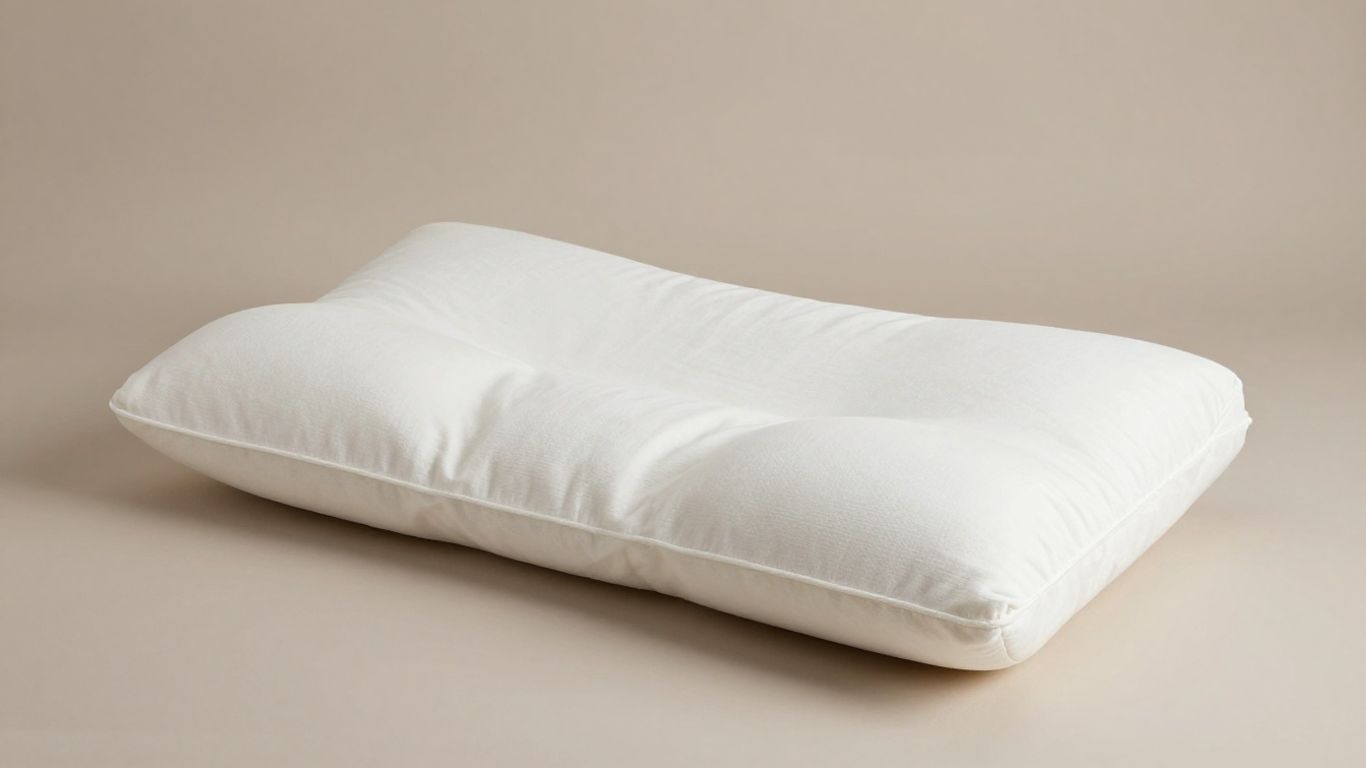
Waking up with a sore neck or shoulders? It’s a common problem, and honestly, a lot of times, your pillow is the main culprit. It’s not just about feeling soft; it’s about whether your pillow actually keeps your head and neck lined up right all night long. If you’re tossing and turning, or sinking into your pillow too much, that strain shows up first thing in the morning. The best pillows for this kind of pain do two things: they have a shape that supports your neck properly and they don’t make you overheat, because getting too hot means more moving around and losing that good alignment. If you’re worried about buying another pillow that doesn’t work, look for places that let you try it out for a while, like a 60-night trial, because your body needs real sleep to tell if it’s helping.
Key Takeaways
- The Dosaze contoured orthopedic pillow aims to provide consistent neck support and cooling comfort, which can help reduce morning stiffness and shoulder pain.
- Proper pillow loft is important; side sleepers generally need a higher loft than back sleepers to keep their shoulders from hunching.
- Prioritizing neck support over just softness is key, as a gap under the neck can cause muscle strain throughout the night.
- Cooling features are more than just comfort; they can reduce tossing and turning, leading to better sleep posture and less pain.
- A 60-night risk-free trial, like the one offered by Dosaze, removes purchase anxiety and allows your body adequate time to adjust and assess relief.
Understanding Ergonomic Pillow Design
When you’re looking for a pillow that actually helps your neck and shoulders, it’s not just about softness. It’s about how the pillow supports the natural curve of your spine. Think of your neck like a delicate bridge; it needs proper support to stay aligned, especially when you’re trying to get some rest. This is where ergonomic pillow design comes into play.
The Importance of Cervical Alignment
Your cervical spine, that’s the part of your neck with seven vertebrae, has a natural inward curve. When you sleep, the goal is to keep this curve neutral. If your pillow is too high or too low, it forces your neck into an unnatural position. This can lead to muscle strain, stiffness, and even headaches. Maintaining this alignment is key to waking up without that familiar ache.
- Too High: Causes your chin to tuck towards your chest, straining the back of your neck.
- Too Low: Lets your head drop back or to the side, overstretching neck muscles.
- Just Right: Supports the natural curve, keeping your head and neck in line with the rest of your spine.
How Loft Affects Sleep Position
Loft refers to the height of the pillow. It’s a pretty big deal, especially depending on how you sleep. For side sleepers, a higher loft is usually needed to fill the gap between your head and the mattress, preventing your shoulder from hunching up. Back sleepers typically need a medium loft that supports the neck’s curve without pushing the head too far forward. Stomach sleepers, though, should aim for a very low loft or even no pillow to avoid arching their neck backward.
Choosing the right loft means your nose should point straight ahead when lying down, not down towards your chest or up towards the ceiling. It’s about filling the space correctly for your body.
The Role of Pressure Relief
Beyond just alignment, a good ergonomic pillow also needs to relieve pressure. Memory foam is often used because it contours to your head and neck, distributing weight evenly. This prevents specific points from feeling too much pressure, which can lead to discomfort and tossing and turning. However, some memory foams can trap heat. That’s why newer designs often incorporate cooling technologies. If you find yourself constantly flipping your pillow to find the cool side, pressure relief combined with temperature regulation is something to look for. It’s not just about comfort; it’s about reducing the need to constantly adjust your position, which helps maintain that all-important cervical alignment throughout the night. For travelers looking for similar support on the go, there are specialized travel neck pillows designed with these principles in mind.
Dosaze Pillow: Key Features and Benefits
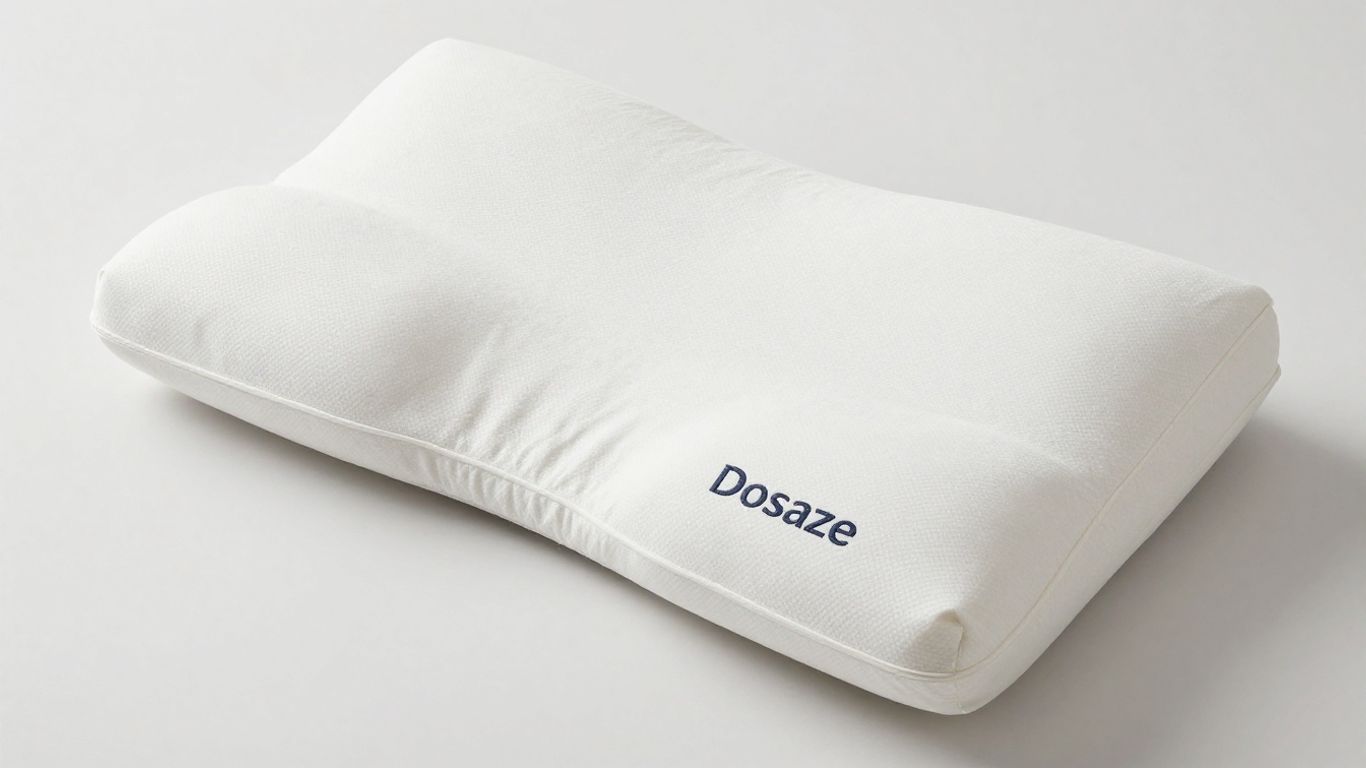
When you’re looking for a pillow that actually helps with neck and shoulder pain, you want something that’s designed with your body in mind. The Dosaze pillow isn’t just some fluffy cushion; it’s built with specific features to support your neck and keep you comfortable all night long. Its main goal is to keep your neck aligned properly, which is a big deal for avoiding that morning stiffness.
Ergonomic Contour for Neck Support
The standout feature of the Dosaze pillow is its ergonomic shape. It’s not flat like a regular pillow. Instead, it has a contour, kind of like a gentle wave, that’s designed to fit the natural curve of your neck. This means it fills that space under your neck, giving it steady support while your head rests comfortably in a slight cradle. This kind of support is key for preventing your neck from bending at weird angles while you sleep. It’s all about keeping your cervical spine in a neutral position, which is what many premium pillows offer superior neck pain relief by providing.
Cooling Memory Foam Technology
Nobody likes waking up in a sweat, right? The Dosaze pillow uses a special kind of memory foam that’s designed to be cooler than traditional memory foam. This is important because when you overheat, you tend to toss and turn more. More movement means more chances for your neck to end up in a bad position. By helping you stay cooler, the pillow encourages less movement, which in turn helps maintain that all-important neck alignment throughout the night. It’s a pretty smart way to tackle both comfort and support.
Addressing Neck and Shoulder Pain
This pillow is really aimed at people who deal with neck and shoulder discomfort. The combination of the ergonomic contour and the supportive memory foam works together to reduce pressure points. Instead of your neck and shoulders bearing all the weight, the pillow helps distribute it more evenly. This can make a noticeable difference, especially if you wake up feeling stiff or sore. It’s designed to provide effective neck pain relief by focusing on proper alignment and pressure distribution. The idea is that by supporting your neck correctly, you can lessen the strain on the muscles and joints in your neck and shoulders.
Evaluating Pillow Performance
So, how does the Dosaze pillow actually stack up when you’re sleeping on it? It’s one thing to talk about features, but another to see if it holds up night after night. We looked at how it handles movement, whether it actually keeps you cool, and if it seems like it’ll last.
Responsiveness and Sleep Position Changes
When you shift positions during the night, your pillow needs to keep up. A pillow that’s too slow to rebound can leave your neck unsupported for a bit, which isn’t ideal if you’re prone to stiffness. We tested how quickly the Dosaze pillow bounced back after pressure was applied. A pillow that recovers its shape fast is key for maintaining good neck alignment throughout the night. If you’re a combination sleeper, this quick response is even more important. It means the pillow can support your cervical curve whether you’re on your back or rolling to your side.
The Impact of Cooling on Sleep Quality
Overheating is a major sleep disruptor. If you find yourself constantly flipping your pillow to find the cool side, it’s not just about comfort; it can actually mess with your neck alignment. More tossing and turning means more chances to end up in an awkward position. The Dosaze pillow claims to use cooling memory foam technology. We assessed if this feature genuinely reduced nighttime sweating and the need to reposition the pillow, contributing to more stable sleep.
Assessing Long-Term Durability
No one wants to buy a pillow only to have it flatten out in a few months. We considered how well the Dosaze pillow maintained its shape and support over time. This involves looking at the quality of the materials and how they hold up to regular use. A pillow that loses its loft or contour quickly won’t provide consistent support, defeating its purpose. We considered factors like material density and construction to gauge its potential lifespan and continued effectiveness for neck and shoulder pain relief.
A pillow’s true performance isn’t just about its initial feel. It’s about its ability to consistently support your body, adapt to your movements, and remain effective over time. If a pillow fails in any of these areas, it might not be the long-term solution you’re hoping for.
Dosaze Contoured Orthopedic Pillow Reviews: User Experiences
So, what are people actually saying about the Dosaze pillow? It’s one thing to read about the fancy design and cooling tech, but it’s another to hear from folks who’ve actually slept on it. Many users report a noticeable difference in their morning stiffness, which is a pretty big deal if you’re used to feeling like a rusty robot when you first wake up.
Relief from Morning Stiffness
For a lot of people, the biggest win with the Dosaze pillow is waking up feeling less achy. It seems like the contoured shape really helps keep your neck in a more natural position overnight. Instead of waking up with that familiar crick or stiffness, users often describe a feeling of relief. This consistent feedback suggests the pillow’s design is effective for many in combating common sleep-related discomfort. It’s not just about cushioning your head; it’s about supporting that C-curve in your neck.
Comfort for Side Sleepers
Side sleepers often have a tough time finding the right pillow. Too flat, and your head drops, straining your neck. Too high, and it feels like your head is being pushed upwards. The Dosaze pillow seems to hit a sweet spot for many side sleepers, especially those with broader shoulders. The contour is designed to fill that gap between your shoulder and head, keeping your spine aligned. Some users mentioned that it took a night or two to get used to the shape, but once they did, they found it significantly reduced shoulder pain that used to wake them up.
Effectiveness for Back Sleepers
Back sleepers also seem to be finding a lot of love for this pillow. The idea is that the central dip cradles your head while the raised edges support your neck. This helps prevent your head from falling backward too far, which can cause strain. Users who previously struggled with pillows collapsing or feeling too soft have found the Dosaze offers a more consistent level of support throughout the night. It’s a different kind of comfort than a super plush pillow, but one that many find leads to better sleep quality and less pain.
The key takeaway from user experiences is that the Dosaze pillow isn’t just another soft cushion. It’s designed with a specific purpose: to align your neck and spine. While comfort is subjective, the recurring theme is that this alignment leads to a reduction in pain and stiffness for many, especially those who have struggled with traditional pillows.
Comparing Dosaze to Other Top Pillows
So, how does the Dosaze pillow stack up against some of the other big names out there? It’s a good question, because let’s be honest, the pillow market is pretty crowded. You’ve got your classic brands and then all these newer ones popping up, each claiming to be the next best thing for your sleep. We looked at a few popular options to see where Dosaze fits in.
Dosaze vs. Tempur-Pedic Neck Pillow
Tempur-Pedic is practically synonymous with memory foam, and their neck pillow is a solid contender, especially if you’re a dedicated back sleeper who likes a firmer feel. It has a really pronounced contour designed to cradle your neck. The main difference often comes down to feel and cooling. While the Tempur-Pedic offers that classic firm support, some users find it can feel a bit too high or too dense, and heat retention can be an issue for some. Dosaze, on the other hand, aims for that same cervical alignment but often incorporates cooling technology more directly into its foam, which can be a big plus if you tend to sleep warm. It’s a bit of a trade-off between that well-known firm contour and a potentially cooler, more adaptable feel.
Dosaze vs. EPABO Contour Memory Foam
The EPABO contour pillow is frequently mentioned as a budget-friendly alternative for those wanting to try out an ergonomic shape. It offers a similar neck cradle to help reduce head tilt, which is great if you’re curious about this style of pillow without a huge investment. However, when you compare it to Dosaze, you might notice differences in the quality of the memory foam, its responsiveness, and its cooling capabilities. While EPABO can be a good starting point, users sometimes report that the cooling isn’t as effective or that the foam doesn’t hold up as long. Dosaze generally aims for a more premium experience in terms of material science and long-term comfort.
Dosaze vs. Adjustable Loft Options
Adjustable pillows, like those from Coop Home Goods, offer a completely different approach. Instead of a fixed contour, you get shredded foam that you can add or remove to customize the height and firmness. This is fantastic if you’re a combo sleeper or if you’re really particular about your loft – you can really dial it in to match your shoulder width. The downside? It can take some trial and error to get it right, and you might need to fluff it up periodically to keep it from getting lumpy. Dosaze offers a more ‘set it and forget it’ solution with its pre-molded shape. If you know you need consistent cervical support and don’t want to fuss with adjusting fill, Dosaze might be simpler. But if you crave that perfect, personalized height, an adjustable option is hard to beat for customization.
Here’s a quick rundown:
- Dosaze: Fixed ergonomic contour, focus on cooling and consistent alignment.
- Tempur-Pedic: Firm, classic contour, great for back sleepers.
- EPABO: Budget-friendly contour, good for trying the style.
- Adjustable (e.g., Coop): Customizable loft, best for combo sleepers or specific needs.
Ultimately, the ‘best’ pillow really depends on what you prioritize. If you want a pillow that’s designed from the ground up for neck support with added cooling benefits, Dosaze is a strong contender. If you need a very specific firmness or the ability to tweak the height yourself, other options might be more suitable. It’s about finding the right fit for your unique sleep habits and comfort preferences, and thankfully, there are many top picks to explore.
The Risk-Free Trial and Return Policy
Buying a pillow online can feel like a gamble, right? You’re hoping for better sleep, but what if it just ends up being another lumpy thing taking up space? That’s where a good trial period and easy returns come in. It really takes the pressure off.
Understanding the 60-Night Trial
Dosaze gets that finding the perfect pillow isn’t always instant. They offer a pretty generous 60-night sleep trial. This means you get two full months to really test out the pillow in your own bed. It’s enough time to see if it truly helps with your neck pain or if it’s just not the right fit for you. No more guessing if a few nights are enough to tell. You can actually sleep on it, wake up, and see how you feel day after day.
The Value of Free Shipping and Returns
Beyond the trial period, the fact that Dosaze includes free shipping and free returns is a big deal. Think about it: if you decide the pillow isn’t working out, you don’t have to pay to send it back. This policy is a huge plus because it means you can try the pillow without any financial worry. It’s a pretty straightforward process, too, which is always appreciated.
Minimizing Purchase Anxiety
Ultimately, these policies are all about making you feel comfortable with your purchase. They know their pillow is designed to help, and they’re willing to let you try it out extensively to prove it. It removes a lot of the usual stress that comes with buying something online, especially something as personal as a pillow that affects your sleep quality.
Here’s what makes the trial period so helpful:
- Adaptation Time: Your body needs a bit of time to get used to a new pillow, especially one designed for better alignment. The 60 nights allow for this adjustment.
- Real-World Testing: You can see how it performs on different nights, whether you sleep hot or cold, and if it holds up over time.
- Peace of Mind: Knowing you can return it easily means you can focus on whether it’s actually improving your sleep, not on whether you’re stuck with it.
The goal of a good return policy isn’t just about handling dissatisfaction; it’s about building trust. It shows the company stands behind its product and understands that personal comfort is key. This approach makes the decision to try something new much less daunting.
Choosing the Right Pillow for Your Needs
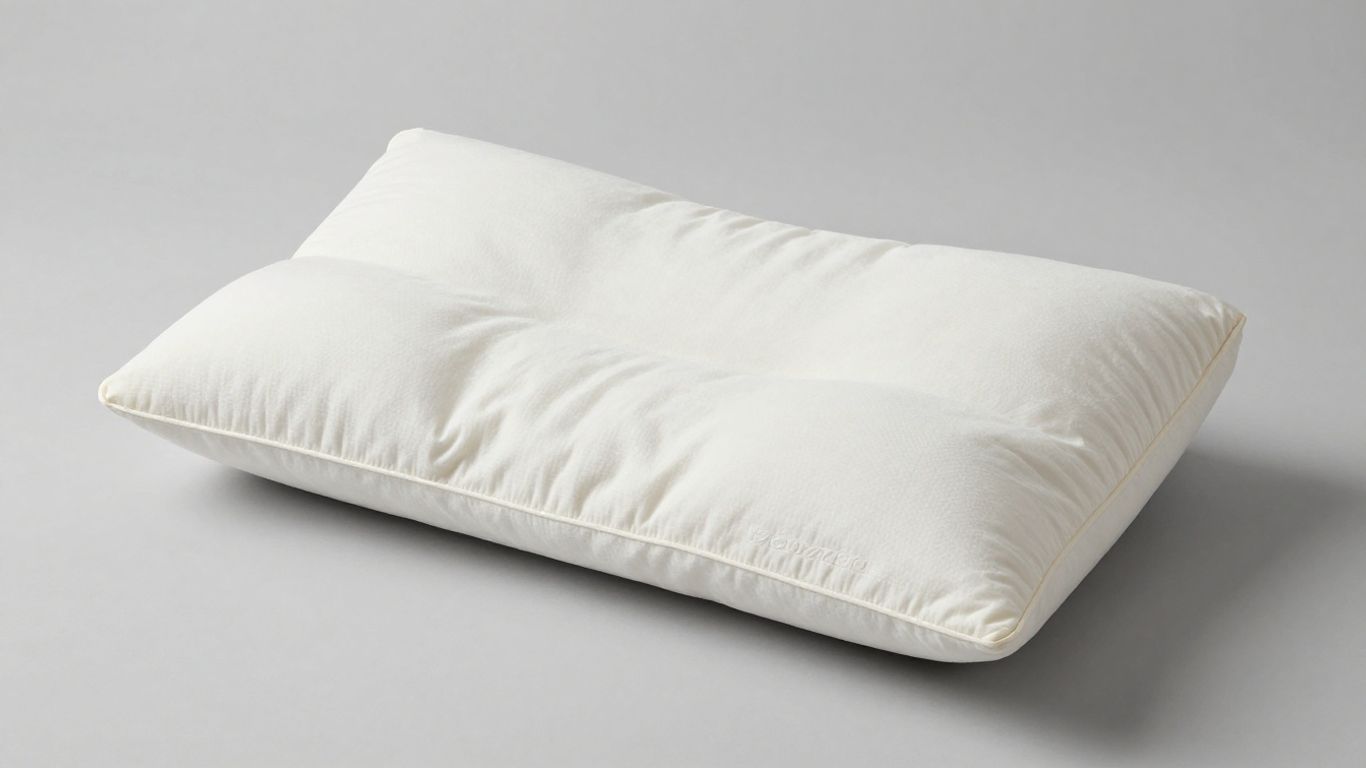
So, you’re on the hunt for a pillow that actually helps, not just something to rest your head on. It sounds simple, but picking the right one can feel like a puzzle, especially when you’re dealing with neck and shoulder aches. The goal is pretty straightforward: keep your head and neck lined up nicely while you sleep. Think of it like a straight line from your head, down your neck, to your upper back. When a pillow messes this up, you end up with pain.
Matching Loft to Shoulder Width
This is a big one, and it’s more about your body than the pillow itself. When you’re lying on your side, the pillow needs to fill that space between your shoulder and your ear. If it’s too thin, your head drops, and your neck muscles work overtime. Too thick, and your head gets pushed up at an odd angle. A good rule of thumb is to lie down and see if the pillow supports your head without tilting it up or down. If you’re waking up sore on one side, your pillow might be collapsing too much, meaning you need something with more loft or better support. It’s like trying to find the perfect fit for a shoe; it has to be just right for your specific shape.
Prioritizing Neck Support Over Softness
It’s easy to get swayed by how soft a pillow feels when you first lie down. But here’s the thing: a pillow can feel super plush under your head and still leave a gap under your neck. That gap is where the trouble starts, forcing those neck muscles to work all night. Contour pillows, like the Dosaze, are designed with a special curve. This ridge is meant to cradle your neck, giving it support even while your head rests comfortably. So, when you’re shopping, don’t just squish it and see if it’s soft. Try to feel if it actually supports the natural curve of your neck. That support is what really matters for preventing pain.
Considering Cooling for Restless Sleepers
If you’re someone who wakes up feeling hot and bothered, constantly flipping your pillow to find the cool side, this is for you. Overheating can make you toss and turn more, and every time you move, you risk landing in a position that strains your neck. A pillow with good airflow or cooling materials can make a real difference. It’s not just about comfort; it’s about reducing those disruptive movements that can lead to morning stiffness. If you find yourself waking up sweaty, think of cooling as a key part of preventing neck pain, not just a nice-to-have feature. It helps you stay settled and in a good position for longer periods. For some, this might mean looking at options like the Purple Harmony Pillow if you dislike the feel of traditional memory foam but need that temperature regulation.
Picking the right pillow often comes down to function over pure feel. While softness is nice, consistent support for your cervical spine throughout the night is what truly combats neck pain and leads to better sleep quality. Don’t be afraid to test pillows by pressing down and seeing how they rebound – a pillow that stays compressed might not offer the stable support you need.
Here’s a quick rundown of what to look for based on common sleep habits:
- Side Sleepers: Need enough loft to fill the space between your shoulder and head. Look for good pressure relief around the ear and jaw. A pillow that’s too flat will let your head drop, causing strain.
- Back Sleepers: Generally do well with a moderate loft and a shape that supports the natural curve of your neck without pushing your head too far forward. A pillow with a distinct neck roll can be beneficial here.
- Stomach Sleepers: This position is tough on the neck. Often, a very low-loft pillow or even no pillow is best to avoid excessive neck rotation. If neck pain is a frequent issue, it might be worth considering transitioning to side or back sleeping.
- Combo Sleepers: If you change positions a lot, a pillow that responds quickly is key. You don’t want to wait for your pillow to catch up when you roll over. Look for responsive materials or adjustable options that let you fine-tune the height and firmness. This is where pillows like the Tempur-Pedic Neck Pillow might shine due to their consistent support.
Is the Dosaze Pillow Worth the Investment?
So, after all this talk about neck support, cooling foam, and ergonomic contours, the big question remains: is the Dosaze pillow actually worth your hard-earned cash? It’s easy to get caught up in the hype, but let’s break down what you’re really getting and if it makes sense for your sleep situation.
Analyzing the ‘Aha’ Moment of Relief
Many people who try the Dosaze pillow talk about an "aha" moment. It’s not usually about a sudden, magical cure, but more of a gradual realization. You wake up, and that familiar stiffness in your neck and shoulders just isn’t there, or it’s significantly less. This relief often comes from the pillow consistently keeping your head and neck in a neutral position all night. It’s about proper alignment, not just sinking into something soft. If you’ve been struggling with morning aches, finding that consistent support can feel like a revelation. It’s a sign that the pillow is doing its job, supporting the natural curve of your cervical spine without forcing it into an awkward angle.
The Long-Term Benefits of Proper Alignment
Think of it like this: your neck and spine are the central highway for your nervous system. When that highway is constantly kinked or blocked overnight, it can lead to more than just morning pain. Over time, poor alignment can contribute to muscle tension, headaches, and even affect your overall energy levels. Investing in a pillow that promotes good alignment, like the Dosaze, isn’t just about immediate comfort; it’s about setting yourself up for better sleep health long-term. It helps your muscles relax properly and can prevent the chronic issues that often stem from sleeping in a compromised position. For side sleepers especially, finding a pillow with the right loft is key to keeping that shoulder from hunching up, which is why an option like the Dosaze Contoured pillow is often recommended when you’re unsure about your ideal height [bd8c].
Final Verdict on Dosaze Pillow Value
When you weigh the features against the price, the Dosaze pillow presents a strong case, especially with its trial period. It’s designed with specific goals in mind: supporting your neck’s natural curve and keeping you cool. The fact that a physical therapist approved of its design adds a layer of confidence [5f71].
Here’s a quick look at what contributes to its value:
- Ergonomic Design: Specifically shaped to cradle your neck and head.
- Cooling Technology: Aims to prevent overheating and restless sleep.
- Pressure Relief: Memory foam helps distribute weight evenly.
- Risk-Free Trial: A 60-night period to truly test it out.
The real value of a pillow like this isn’t just in its materials or shape, but in its ability to consistently provide neutral support throughout the night. If it helps you wake up feeling better day after day, then the investment is likely justified. It’s about finding a solution that works for your body, not just following trends.
Ultimately, whether the Dosaze pillow is worth it depends on your individual needs and what you’ve experienced with other pillows. If you’re looking for targeted neck support and a cooler sleep, and you appreciate a generous trial period to make the decision, it’s definitely a contender worth considering.
So, Is the Dosaze Pillow Worth It?
Alright, so after digging into the Dosaze Contoured Orthopedic Pillow, it seems like it’s definitely a strong contender if you’re dealing with neck and shoulder pain, especially if you tend to overheat at night. The whole idea behind it is keeping your neck lined up just right, and they’ve put some thought into making it cool to sleep on, which is a big deal for a lot of us. It’s not just about feeling soft; it’s about actual support that lasts. Plus, that 60-night trial period? That’s pretty solid. It takes the guesswork out of it, letting you really see if it makes a difference in your morning stiffness without feeling like you’re throwing money away. If you’ve tried everything else and are still waking up achy, giving the Dosaze a shot seems like a sensible next step, especially with that risk-free trial.
Frequently Asked Questions
What makes the Dosaze pillow different from a regular pillow?
A regular pillow might feel soft, but the Dosaze pillow is shaped to support the natural curve of your neck. It’s designed to keep your head and neck lined up straight all night, which helps stop those achy feelings you get when you wake up.
How do I know if I need a higher or lower pillow?
Think about your shoulders. If you sleep on your side, you generally need a taller pillow to fill the space between your head and the mattress. If you sleep on your back, a medium height usually works best. It’s all about keeping your neck straight.
Will this pillow help if I have neck and shoulder pain?
Yes, that’s exactly what it’s made for! The special shape helps support your neck and can take pressure off your shoulders. Many people find they wake up feeling less stiff and sore.
What if I sleep hot? Will this pillow make me sweat?
The Dosaze pillow uses special memory foam that’s designed to stay cooler. This helps you sleep more soundly without tossing and turning because you’re too hot, which also helps keep your neck in a better position.
How long should I sleep on the pillow before I know if it works?
Your body needs time to get used to better support. It’s best to try it for at least two weeks, and ideally a month or two. Dosaze gives you 60 nights to try it out, so you can really see if your morning pain gets better.
What happens if I don’t like the Dosaze pillow?
Don’t worry! Dosaze offers a 60-night trial. If you decide it’s not the right pillow for you, you can return it for free. They also offer free shipping, so trying it out doesn’t cost you anything if it doesn’t work out.
Is this pillow good for people who move around a lot at night?
Yes, it can be. The memory foam is designed to support you quickly when you change positions. This means your neck gets the right support right away, whether you roll onto your side or back, helping you stay aligned.
How is the Dosaze pillow different from other memory foam pillows?
While many memory foam pillows are just soft blocks, the Dosaze pillow has a specific contour. This shape is key for supporting your neck’s natural curve. Plus, they’ve added cooling features that aren’t found in all memory foam pillows.