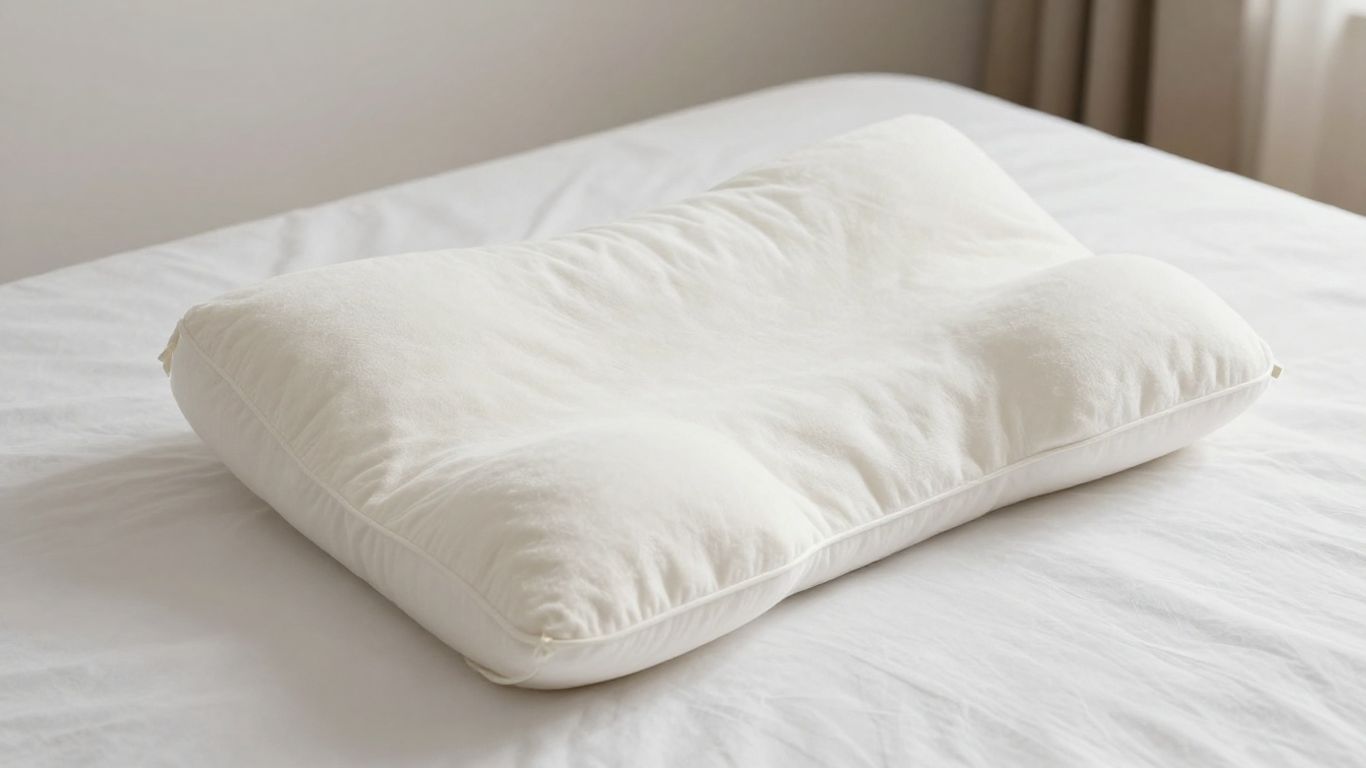
Finding the right pillow can really make a difference, especially if you’re dealing with aches and pains or just want a better night’s sleep. An orthopedic pillow aims to give you that extra support your head and neck need to keep your spine lined up correctly. But with so many options out there, picking the best one can feel a bit overwhelming. Let’s break down what to look for to find an orthopedic pillow that actually works for you.
Key Takeaways
- Your sleeping position is a big deal when picking an orthopedic pillow. Back sleepers usually need thinner pillows, while side sleepers benefit from firmer, higher ones. Stomach sleeping is tricky, but if you do it, go for the flattest pillow possible.
- Think about your body type, too. Broader shoulders or a larger frame might need a pillow with more height to fill the space between your neck and the mattress.
- Materials like memory foam and latex are popular for orthopedic pillows because they mold to your shape and offer good support. Just be aware that some memory foam can trap heat.
- Adjustable pillows are great because you can change the height and firmness to get it just right for you. Look for pillows with trial periods so you can test them out at home.
- An orthopedic pillow’s main job is to keep your spine straight while you sleep, which helps prevent pain and stiffness. It supports your head and neck to maintain a neutral posture.
Understanding Your Needs For An Orthopedic Pillow
Before you even start looking at fancy materials or cool new technologies, the most important thing is figuring out what you actually need from a pillow. It sounds simple, but so many people just grab whatever looks comfy without thinking it through. This can lead to waking up with a stiff neck or a sore back, which is exactly what we’re trying to avoid, right?
Assessing Your Unique Sleeping Position
How you sleep is a big deal. Seriously, it’s probably the first thing you should consider. If you’re a side sleeper, you’ve probably got a bigger gap between your head and the mattress. This means you’ll likely need a pillow with more loft, or height, to keep your head and neck in a straight line with your spine. Trying to use a flat pillow on your side is a recipe for neck pain. On the other hand, if you tend to sleep on your back, you usually want something a bit flatter and softer. The goal is to support the natural curve of your neck without pushing your head too far forward. Stomach sleeping is a bit trickier; it’s often not the best for your neck. But if that’s your go-to, you’ll want the thinnest pillow possible to minimize strain. Getting this right is one of the easiest ways to start feeling better.
Considering Your Body Type and Frame
Your body shape and size also play a role. Someone with broader shoulders might need a thicker pillow, especially if they sleep on their side, to properly fill that space. If you have a smaller frame, a super thick pillow might feel like too much. It’s all about finding that sweet spot where the pillow supports your head and neck without feeling overwhelming or insufficient. Think about how your head and neck feel when you lie down – is there a gap? Is your head tilted at an odd angle? The right pillow should make your spine feel neutral and relaxed.
Identifying The Source Of Your Pain
Where does it hurt? Knowing this can really help narrow down your choices. If your neck is constantly aching, you might need a pillow with a specific contour that cradles your neck. If it’s more of a general back or shoulder discomfort, especially when you sleep on your side, you might need a pillow that offers more overall support or even has a special cutout for your shoulder. Sometimes, a pillow that’s too flat or too firm can cause pain in unexpected places. Pinpointing the source of your discomfort makes it much easier to find a pillow that actually helps.
The right orthopedic pillow isn’t just about softness; it’s about providing the correct support to keep your spine aligned throughout the night. This alignment is key to preventing aches and pains that can disrupt your sleep and carry over into your day. It’s about reinforcing your body’s natural posture while you rest.
Here’s a quick rundown of what to think about:
- Sleeping Position: Back, side, or stomach sleeper?
- Body Type: Broader shoulders, smaller frame, or average build?
- Pain Location: Neck, shoulder, lower back, or general discomfort?
Considering these points will help you find a pillow that’s not just comfortable, but truly beneficial for your sleep health. It’s worth looking into choosing the right neck pillow if you’re struggling with neck pain specifically. For side sleepers, finding that perfect loft is key to avoiding shoulder and neck strain, and there are specific pillows designed for that proper neck support.
Key Features Of An Effective Orthopedic Pillow
When you’re on the hunt for an orthopedic pillow, it’s not just about the fancy name. You’ve got to look at what it’s actually made of and how it’s put together. These details make a big difference in whether you wake up feeling refreshed or like you wrestled a bear all night.
Evaluating Pillow Materials For Support And Comfort
The stuff your pillow is made of really matters. It dictates how it feels, how much support it gives, and how long it’ll last. Think about what you like – do you want something that hugs your head, or something with a bit more bounce?
- Memory Foam: This is a popular choice because it molds to your head and neck. It’s great for pressure relief, but some types can get a bit warm. Look for ones with cooling gel or copper infusions if you tend to overheat.
- Latex Foam: Latex is known for being responsive and naturally cooler than memory foam. It offers a firmer feel with a bit of spring, and it’s often a good pick for people with allergies.
- Polyurethane Foam: This is usually a more budget-friendly option. It provides decent support but might not hold up as long as memory foam or latex.
The material is the foundation of your pillow’s performance. It’s what provides the direct contact and support for your head and neck, so choosing wisely here sets the stage for better sleep.
Understanding Pillow Construction And Design
Beyond the material, how the pillow is built is super important. Some pillows are designed to cradle your neck, while others let you tweak the height and firmness. The goal is consistent support that doesn’t flatten out after a few weeks.
- Contoured Designs: These pillows have curves that follow the natural shape of your neck and head, aiming for better alignment.
- Adjustable Loft: Many modern orthopedic pillows allow you to add or remove filling. This is fantastic because you can fine-tune the height and firmness to exactly what you need. It’s like getting a custom pillow without the custom price tag.
- Durability: Check how well the pillow is put together. You want something that will keep its shape and support over time, not sag after a month.
Prioritizing Breathability And Temperature Regulation
Nobody likes waking up in a sweat. If you tend to sleep hot, breathability is a big deal. A pillow that lets air flow through will keep you cooler and more comfortable all night long. Materials like latex and certain types of memory foam with cooling technologies are good places to start looking. Even the cover material can make a difference, with bamboo or Tencel blends often feeling cooler against the skin. Finding a pillow that stays at a comfortable temperature is key to uninterrupted sleep, and it can really help if you’re looking for relief for back and joint discomfort.
Choosing The Right Orthopedic Pillow For Your Sleep Style
So, you’ve decided an orthopedic pillow is the way to go for better sleep. That’s a smart move! But now comes the tricky part: picking the one that actually works for you. It’s not a one-size-fits-all situation, not by a long shot. Your sleeping position is probably the biggest factor to think about.
Optimal Support For Back Sleepers
If you’re a back sleeper, you’re in luck because this position is generally considered the best for spinal alignment. The goal with your pillow is to support the natural curve of your neck without pushing your head too far forward. You’ll want something that’s not too high and not too flat. Think of it like a gentle cradle for your head and neck. A pillow with a slight contour can be really nice here, helping to keep your neck in a neutral position. Too much loft, and your chin will be jammed into your chest; too little, and your head will crane backward. It’s all about finding that sweet spot. For back sleepers, a contoured orthopedic pillow is ideal. It provides excellent neck support, promotes easy breathing, and allows muscles to relax, contributing to a more comfortable sleep. This pillow is a good example of what to look for.
Ideal Firmness For Side Sleepers
Side sleepers, listen up! This position often requires a bit more support. When you sleep on your side, there’s a bigger gap between your head and the mattress, especially if you have broader shoulders. Your pillow needs to fill that gap effectively to keep your spine straight from your head all the way down to your tailbone. This usually means you’ll need a firmer and higher pillow than a back sleeper. The right pillow loft is crucial for a restful night’s sleep. The right loft supports your natural sleeping posture, preventing neck strain and allowing muscles to relax. This leads to uninterrupted sleep and ultimate comfort. You don’t want your head to be tilted downwards or upwards; it should be level with your spine.
Here’s a quick rundown of what to consider:
- Loft (Height): Generally higher for side sleepers.
- Firmness: Medium to firm is usually best.
- Material: Dense materials like memory foam or latex work well.
Gentle Options For Stomach Sleepers
Okay, let’s talk about stomach sleeping. Honestly, it’s not the best for your neck or spine. When you sleep on your stomach, you have to turn your head to the side, which puts a lot of strain on your neck. Plus, your spine can end up in a weird, arched position. If you absolutely can’t break the habit, the key is to use the thinnest, softest pillow possible, or even no pillow at all. The idea is to minimize the angle of your neck as much as you can. Some people find that a very thin pillow placed under their hips can help with lower back alignment in this position, but the primary focus for your head and neck should be keeping things as flat as possible.
Trying to force yourself into a different sleeping position can be tough, and sometimes, the best approach is to find the least harmful way to sleep in your preferred position. For stomach sleepers, this means prioritizing a pillow that offers minimal elevation to reduce strain on the neck and spine. It’s about damage control, really.
Ultimately, matching your pillow to how you sleep is a pretty straightforward way to cut down on pain and get your body aligned properly.
Advanced Orthopedic Pillow Technologies In 2026
Exploring Customizable Loft and Firmness
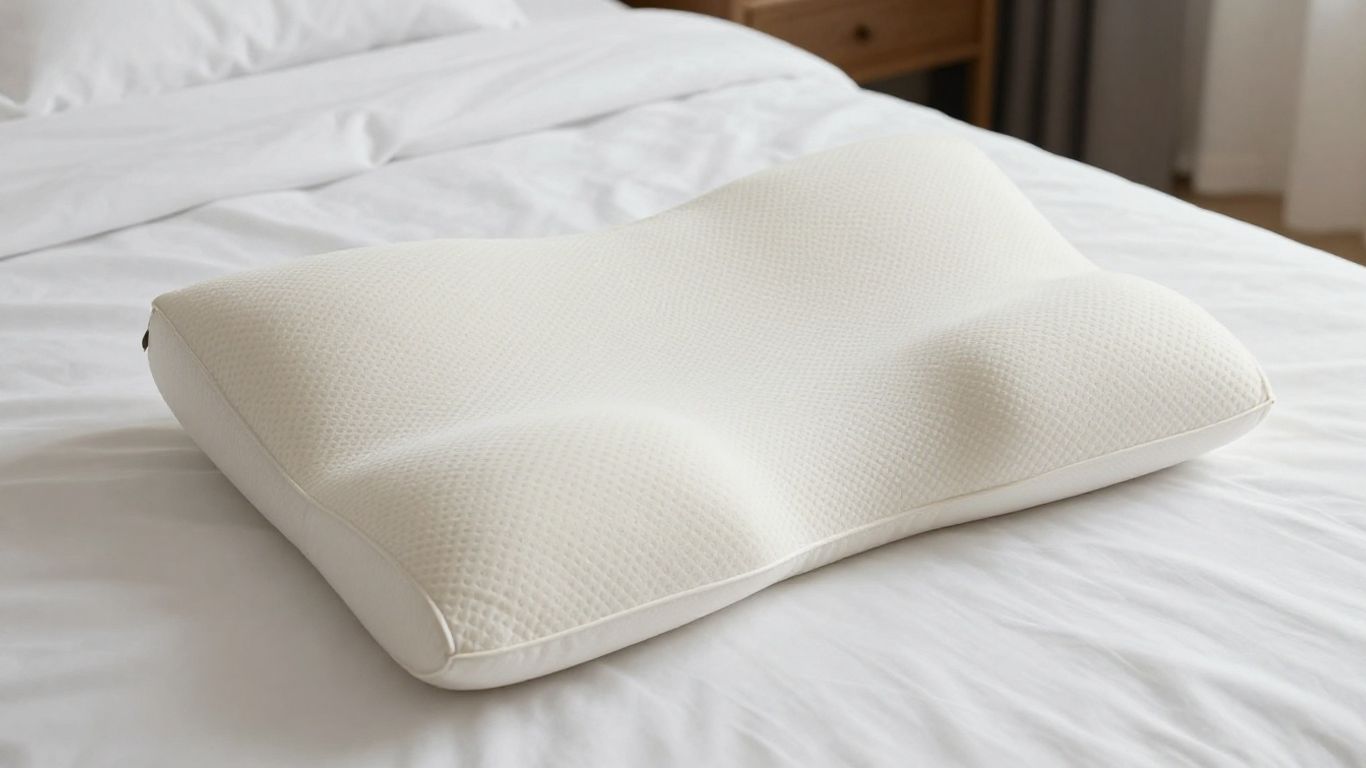
Forget one-size-fits-all. In 2026, the real game-changer for orthopedic pillows is adjustability. We’re talking about pillows where you can literally dial in your perfect height and firmness. Many brands now offer options with removable layers or fill, letting you add or take away material until it feels just right for your neck and head. This means a pillow that works for you whether you sleep on your back, side, or stomach, and it can even adapt if your needs change. It’s all about getting that sweet spot of support without any pressure points.
Innovations in Cooling Materials
Overheating at night is a common complaint, and thankfully, pillow tech is catching up. New materials are being integrated to actively manage temperature. Think phase-change materials that absorb heat when you’re warm and release it when you cool down, or special gel infusions that help dissipate warmth. Some pillows even use advanced airflow designs, like internal channels, to keep air moving. These cooling features are becoming standard, not just a luxury, for a truly comfortable night’s sleep.
Hypoallergenic and Eco-Conscious Choices
For those with allergies or a preference for natural products, 2026 brings more options than ever. Many brands are focusing on hypoallergenic fills and covers, using materials like organic cotton, bamboo, or specially treated foams that resist dust mites and allergens. There’s also a growing trend towards eco-conscious manufacturing, with pillows made from recycled materials or sustainable sources like organic latex and kapok fiber. You can find great support and comfort while also making a choice that’s better for the planet. It’s nice to know you can get a good night’s rest without compromising your values. For those looking for a pillow that ticks these boxes, consider options that highlight organic materials.
The focus in pillow design is shifting towards personalization and advanced material science. What was once a simple cushion is now a sophisticated sleep tool designed to adapt to individual needs and promote better spinal alignment. This evolution means better sleep quality and fewer morning aches for a lot of people.
Materials That Enhance Orthopedic Pillow Performance
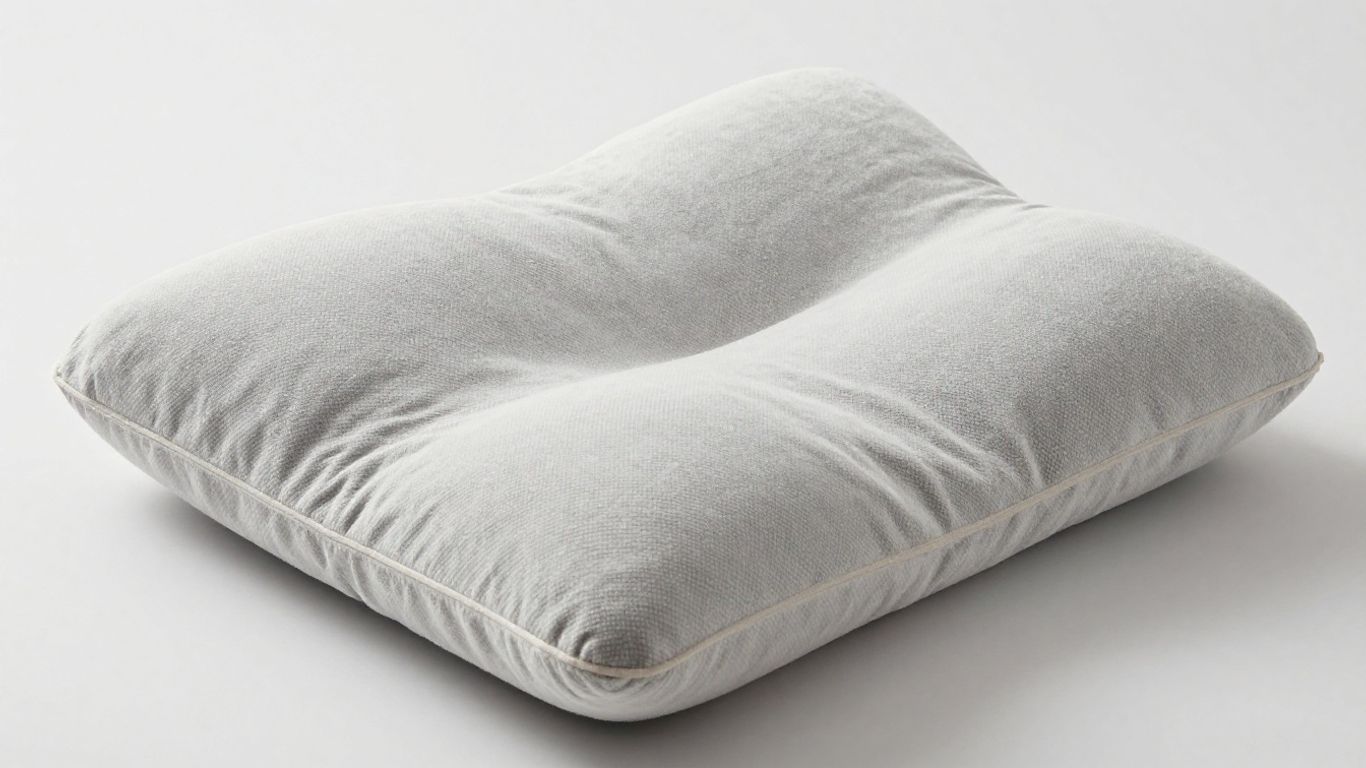
When you’re looking for an orthopedic pillow, the stuff it’s made of really matters. It’s not just about how soft it feels when you first lie down; it’s about how well it supports your head and neck all night long. Different materials have different strengths, and knowing them can help you pick the best one for your needs.
The Benefits Of Memory Foam
Memory foam is a popular choice for a reason. It’s known for its ability to mold to the shape of your head and neck. This means it cradles you just right, offering personalized support where you need it most. This contouring effect can be great for relieving pressure points. However, traditional memory foam can sometimes trap heat, making you feel a bit warm. To combat this, many newer memory foam pillows come with cooling features like gel infusions or breathable covers. If you’re a hot sleeper, look for these advanced versions.
The Advantages Of Latex Foam
Latex foam is another excellent material for orthopedic pillows. It’s made from natural rubber sap, which gives it a unique bouncy feel. Unlike memory foam, latex tends to be more responsive, meaning it springs back into shape quickly. This makes it a good option if you like a bit more lift and support without feeling like you’re sinking too deep. Latex is also naturally breathable and hypoallergenic, which is a big plus for people with allergies or sensitivities. It’s a durable material that holds its shape well over time, providing consistent support night after night. Some people find latex to be firmer than memory foam, so it’s worth considering if you prefer a more solid feel. You can find a supportive pillow like the Naturepedic Organic Latex if this sounds like your preference.
Exploring Polyurethane Foam Alternatives
Polyurethane foam, often just called polyfoam, is another material you’ll see. It’s generally more affordable than memory foam or latex. Polyfoam can offer decent support, but it might not be as durable or contouring as the other options. It can sometimes feel a bit springier. While it’s a budget-friendly choice, it might not provide the same level of pressure relief or long-term support that memory foam or latex can. If you’re on a tighter budget, it’s worth looking into, but be prepared that it might not last as long or offer the same advanced support features.
Choosing the right material is a big step toward better sleep. Think about what feels best for your body and what kind of support you’re looking for. Don’t be afraid to try different types if you’re unsure.
Ensuring Long-Term Satisfaction With Your Orthopedic Pillow
So, you’ve found an orthopedic pillow that seems to tick all the boxes. That’s great! But the journey doesn’t end with the purchase. To really get the most out of your investment and make sure it keeps working for you, there are a few more things to think about. It’s not just about the initial comfort; it’s about how that comfort and support hold up over time.
The Importance Of Trial Periods
Honestly, figuring out if a pillow is the one can take a bit of time. What feels amazing for the first hour might not feel so great after a week. That’s where trial periods come in handy. Most reputable brands give you a window, often 30 nights or even up to 100, to really test the pillow in your own bed. This is your chance to see how it feels after a full night’s sleep, and then another, and another. Don’t skip this step! It’s your best bet for avoiding buyer’s remorse.
- Test it thoroughly: Sleep on it every night during the trial. Don’t just try it for a day or two.
- Pay attention to your body: Notice if you wake up with less pain, better alignment, or if any new aches pop up.
- Understand the return policy: Know the exact return window and any conditions for sending it back.
Trying out a new pillow is a bit like breaking in a new pair of shoes. It needs a little time to adjust to your body, and you need a little time to see if it’s a good match for the long haul.
Understanding Warranty Coverage
Beyond the trial period, a good warranty is a sign that a company stands behind its product. Orthopedic pillows are designed for support, and that support shouldn’t just disappear after a few months. A solid warranty, often lasting several years, protects you against manufacturing defects and premature flattening. It’s a promise that the pillow will maintain its shape and supportive qualities for a reasonable amount of time. When you’re looking at different options, check out the warranty details – it can tell you a lot about the expected lifespan and quality of the pillow.
Maintaining Your Orthopedic Pillow
Just like any other bedding item, your orthopedic pillow needs a little care to keep it in top shape. Most pillows come with a removable cover that you can toss in the wash regularly. This helps keep things fresh and hygienic. For the pillow itself, check the manufacturer’s instructions. Some materials, like certain types of memory foam, might need spot cleaning rather than a full wash. Proper care will not only keep your pillow clean but also help preserve its structure and support, making sure it continues to provide comfort for years to come.
Specialized Orthopedic Pillow Solutions
Sometimes, a general-purpose pillow just won’t cut it. When you’re dealing with specific aches or alignment issues, you need something a bit more targeted. That’s where specialized orthopedic pillows come in, designed to address particular problems and offer relief where you need it most.
Targeted Support For Neck Pain
Neck pain is a common complaint, and it often stems from sleeping in a position that strains your cervical spine. The wrong pillow can leave you waking up stiff and sore, making it hard to even turn your head. For this, you’ll want a pillow that cradles your neck and keeps it in a neutral alignment with the rest of your spine. Look for pillows with a contoured shape that supports the natural curve of your neck, or those made from materials like memory foam that mold to your unique shape. Finding a pillow that properly supports your neck is key to a pain-free morning. Many of these specialized pillows are designed to work for both back and side sleepers, offering a specific kind of cradling support that standard pillows just can’t match. If you’re struggling with persistent neck discomfort, exploring options specifically designed for neck pain relief can make a significant difference.
Relief For Back And Joint Discomfort
It’s not just your neck that can suffer from poor sleep support. Issues in your lower back, hips, or even knees can be exacerbated by how you sleep. For back pain, the goal is to maintain the natural curve of your spine, preventing it from flattening or arching too much. Pillows that offer even pressure distribution and support can help. For hip and knee discomfort, especially if you sleep on your side, a pillow placed between your knees can be a game-changer. These pillows, often made from firm memory foam, keep your hips and legs aligned, reducing strain on your lower back and joints. They help maintain a neutral position for your entire lower body, which is surprisingly important for overall spinal health.
Ergonomic Support For Hip Alignment
Proper hip alignment during sleep is often overlooked, but it’s vital for preventing pain and discomfort, particularly in the lower back and hips. Side sleepers, in particular, can benefit from pillows that address this. A pillow designed for hip alignment might feature a specific shape or firmness level to keep your legs, hips, and spine in a straight line. This prevents the upper leg from falling forward and twisting the pelvis. Some specialized pillows even have cutouts or unique designs to accommodate the natural curves of the body, providing support without creating pressure points. Investing in a pillow that focuses on overall spinal alignment can lead to better sleep quality and reduced aches throughout your body.
Making An Informed Orthopedic Pillow Purchase
So, you’ve done your homework on what your body needs and what features to look for in an orthopedic pillow. Now comes the part where you actually pick one. It can feel a bit overwhelming with all the options out there, but breaking it down makes it much simpler. Don’t just grab the first pillow you see; take a moment to really consider your options.
Consulting Expert Recommendations
Experts, like Dr. George Cyril, a physiatrist, often weigh in on what makes a good orthopedic pillow. They tend to focus on how well a pillow promotes spinal alignment, regardless of your sleeping position. For instance, they might suggest that back sleepers often do better with thinner pillows that don’t push the head too far forward, while side sleepers might need something firmer and higher to fill the space between their neck and the mattress. It’s helpful to see which brands and models these professionals point to for specific issues, like neck pain or general back discomfort. Their advice can steer you toward pillows designed with your health in mind.
Leveraging Customer Reviews And Ratings
While expert opinions are great, real-world experiences from other users can be just as telling. Look for pillows with a solid average rating, usually 4 stars or higher. Pay attention to what people are saying in the reviews, especially those who mention similar pain points or sleep styles to yours. Did the pillow help their neck pain? Did it stay supportive over time? Sometimes, a pillow that gets rave reviews for side sleepers might not be the best fit for a back sleeper, so read carefully. It’s like getting advice from friends who have already gone through the process of finding the right pillow.
Comparing Top Brands And Models
Once you have a shortlist, it’s time to compare. Think about the materials – memory foam, latex, or other blends – and how they might feel. Consider the construction; some pillows have adjustable loft, meaning you can add or remove filling to get the height just right. This adjustability can be a game-changer for finding that perfect fit. Also, don’t forget to check the trial periods and warranty information. A good trial period, often 30 nights or more, gives you a real chance to test the pillow in your own bed. A decent warranty means the company stands behind its product and expects it to last. It’s all about finding that sweet spot between comfort, support, and a good investment for your sleep health.
When you’re comparing, think about how the pillow will work with your mattress. A pillow that’s too high or too low can throw off your alignment, even if it’s a great pillow on its own. The goal is a harmonious setup for your entire body.
Here’s a quick look at some common features to compare:
- Material: Memory foam, latex, polyfoam, or blends.
- Firmness: Soft, medium, firm, or adjustable.
- Loft (Height): Low, medium, high, or adjustable.
- Trial Period: How long can you try it at home?
- Warranty: How long is it covered against defects?
- Special Features: Cooling technology, hypoallergenic properties, washable covers.
The Role Of An Orthopedic Pillow In Spinal Alignment
Think of your spine like a delicate chain. When you sleep, if your head and neck aren’t properly supported, that chain can get twisted or strained. That’s where an orthopedic pillow really steps in. Its main job is to help keep your spine in a neutral, straight line from your head all the way down. This isn’t just about feeling comfy; it’s about preventing all sorts of aches and pains that can pop up when your spine is out of sorts for hours on end.
Achieving Neutral Spine Posture
Getting your spine into a neutral position means avoiding any awkward bending or twisting. For back sleepers, this usually means a pillow that’s not too thick, so your head isn’t pushed forward. Side sleepers often need a firmer, higher pillow to fill the space between their shoulder and ear, keeping the neck level with the rest of the spine. Even stomach sleepers, though it’s generally not the best position, need a very flat pillow to minimize neck strain. The goal is to mimic the natural curve of your spine as closely as possible. A pillow that’s just right can make a huge difference in how you feel when you wake up.
Preventing Aches And Pains
When your spine is misaligned during sleep, muscles can get tense, and pressure points can develop. Over time, this can lead to chronic neck pain, shoulder stiffness, or even lower back discomfort. An orthopedic pillow works by providing consistent support, reducing the strain on your muscles and joints. It helps distribute weight evenly, so no single area is overloaded. This consistent support is key to waking up feeling refreshed rather than sore. For side sleepers, using a body pillow can also help keep the hips and spine aligned, preventing pressure on those joints [5f63].
Reinforcing Natural Spinal Curvature
Your spine has natural curves, and an orthopedic pillow is designed to support these. It’s not about forcing your spine into an unnatural shape, but rather about providing the right kind of support to maintain its natural alignment. For instance, pillows made from memory foam or latex can mold to your unique shape, offering targeted support where you need it most. This helps prevent your spine from collapsing or overextending during the night. Ultimately, the right orthopedic pillow acts as a foundation for healthy sleep posture.
Choosing the correct pillow based on your sleeping position and body type is one of the simplest ways to support your spine. It’s about finding that sweet spot where your head and neck are cradled without being pushed into an awkward angle. This attention to detail can prevent long-term issues and improve your daily comfort.
Wrapping It Up
So, finding the right orthopedic pillow might seem like a lot at first, but it’s really about figuring out what your body needs. Think about how you sleep, if you have any aches, and what feels good to you. Whether it’s a pillow you can adjust, one made of special foam, or something totally different, the goal is simple: better sleep and less pain. Don’t be afraid to try a few out, especially since many places offer trials. Your neck and back will thank you for it.
Frequently Asked Questions
What makes a pillow ‘orthopedic’?
An orthopedic pillow is specially designed to give your head, neck, and spine the right kind of support. It helps keep your spine straight while you sleep, which can stop you from waking up with aches and pains.
How do I pick the best orthopedic pillow for me?
Think about how you sleep! If you sleep on your back, you might need a thinner, softer pillow. Side sleepers often do better with a firmer, thicker pillow. If you sleep on your stomach, try to find the flattest pillow possible, but it’s usually best to try and change your sleep position.
Are orthopedic pillows good for neck pain?
Yes, many orthopedic pillows are great for neck pain because they are shaped to support the curve of your neck. They help keep your neck in a neutral position, so it doesn’t get strained during the night.
What materials are orthopedic pillows made from?
Common materials include memory foam, which shapes to your body, and latex, which is a bit firmer and springier. Some pillows mix these or use other foams. The material affects how soft, firm, and cool the pillow feels.
Can I try an orthopedic pillow before buying it?
Many companies let you try their pillows at home for a certain amount of time, like 30 or even 100 nights. This is super helpful because it can take a little while to know if a pillow is really working for you.
Do orthopedic pillows help with back pain?
They sure can! By helping to keep your whole spine aligned from your neck down to your lower back, orthopedic pillows can reduce pressure and discomfort. This is especially true if the pillow supports your hips and legs properly, not just your head and neck.
How long do orthopedic pillows usually last?
Good quality orthopedic pillows are built to last. Many come with warranties that can be for several years. They are made with materials that are supposed to keep their shape and support, unlike regular pillows that can get flat quickly.
Are orthopedic pillows good for everyone?
While they offer great support, it’s important to find the right one for your specific body and sleep style. If you have serious or long-lasting pain, it’s always a good idea to talk to a doctor or physical therapist first.