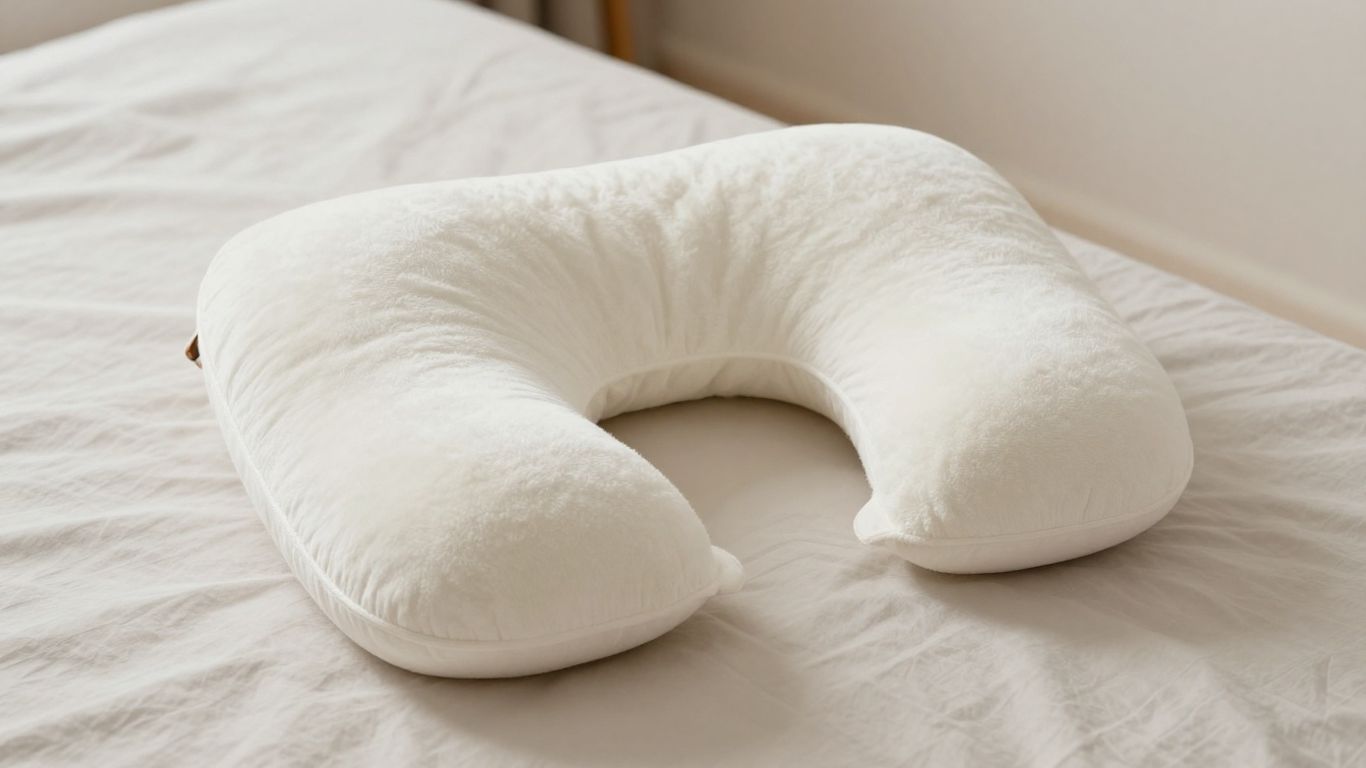
Waking up with a stiff neck is the worst, right? Especially if you’re a side sleeper. It feels like no matter what you do, that ache just sticks around. The good news is, finding the right pillow can make a huge difference. We’re talking about a pillow that actually supports your neck and keeps your spine in a straight line, not all bent out of shape. This isn’t just about comfort; it’s about getting a truly restful night’s sleep so you can feel good when you get out of bed. Let’s find that perfect cervical pillow for side sleepers.
Key Takeaways
- Your pillow’s main job is to fill the space between your head and shoulder, keeping your spine straight. For side sleepers, this usually means a pillow with a bit more height and medium firmness.
- Materials like memory foam and latex are great because they shape to your body, helping to relieve pressure points and keep your neck supported.
- Adjustable pillows let you customize the height and firmness, which is super helpful since everyone’s shoulder width is different.
- Special pillow shapes, like those with arm cutouts or contoured designs, can offer extra comfort and support tailored for side sleeping.
- Don’t keep using an old, flat pillow. If you’re waking up sore, it’s probably time for a new cervical pillow for side sleepers to support your neck health.
Understanding Side Sleeper Pillow Needs
When you’re a side sleeper, your pillow isn’t just a place to rest your head; it’s a critical component for keeping your body happy all night long. Unlike back or stomach sleepers, side sleepers have a unique set of requirements to avoid waking up with that dreaded neck stiffness. The main goal is to keep your head and neck in a straight line with your spine.
The Crucial Role of Pillow Loft for Side Sleepers
Loft refers to how tall a pillow is. For side sleepers, this is super important. Think about it: when you lie on your side, there’s a gap between your shoulder and your head. A good pillow needs to fill that space. If it’s too flat, your head will tilt downwards, straining your neck. Too high, and your head will be pushed up at an awkward angle. Generally, you’ll want a pillow with a higher loft, often around 4-6 inches, but this can change based on how broad your shoulders are. People with narrower shoulders might find a medium loft (around 3-4 inches) works better.
Why Spinal Alignment is Paramount
Keeping your spine straight from your head down to your tailbone is the name of the game. When you sleep on your side, a pillow that’s just right will support the natural curve of your neck without pushing your head too far up or letting it drop too low. This neutral alignment prevents muscles and ligaments in your neck from being overstretched or compressed throughout the night. It’s about finding that sweet spot where your head feels supported and your neck is relaxed. Getting this right can make a huge difference in how you feel when you wake up.
The Impact of Pillow Firmness on Neck Pain
Firmness plays a big role too. While some people love a super soft pillow, side sleepers usually benefit more from a medium-firm to firm pillow. Why? Because a firmer pillow won’t let your head sink too deeply. It provides the necessary support to keep your head level with your spine. If you prefer a softer feel, look for pillows that still offer good support, perhaps with a firmer core or materials that adapt without collapsing completely. A pillow that’s too soft can feel nice initially, but it often leads to neck pain by morning because it doesn’t hold your head in the right position.
Finding the right pillow is a bit like finding the right shoes – what works for one person might not work for another. It’s about understanding your body’s needs and how you sleep. For side sleepers, this means paying close attention to how a pillow supports your head and neck in relation to your shoulders and mattress.
Key Features of an Effective Cervical Pillow
When you’re hunting for a pillow that actually helps your neck pain, especially if you sleep on your side, you can’t just grab any old cushion. There are specific things to look for that make a big difference. It’s not just about softness; it’s about how the pillow supports your body’s natural shape.
Contouring Materials for Pressure Relief
Materials that can mold to your body are a real game-changer. Think about memory foam or latex. These materials are great because they sort of cradle your head and neck, spreading out the pressure instead of letting it all build up in one spot. This is super important for side sleepers because you have a bigger gap between your head and the mattress compared to back sleepers. A pillow that contours properly helps fill that space and stops your neck from being twisted all night.
- Memory Foam: It softens with body heat and molds to your unique shape. This provides personalized support and can really help ease those tender spots.
- Latex: This material is also supportive but tends to be a bit more responsive than memory foam. It offers good contouring without that sinking feeling some people get.
- Microfiber/Down Alternative: While softer, some blends can still offer decent contouring if they’re designed well, especially in adjustable pillows.
The right material can make your pillow feel like it was made just for you, reducing the need to constantly adjust and toss and turn.
Ergonomic Designs for Natural Curves
Beyond just the material, the shape of the pillow matters a lot. Many cervical pillows are designed with ergonomics in mind, meaning they follow the natural curves of your body. You’ll often see a dip in the middle for your head and raised edges that support your neck. This shape is particularly beneficial for side sleepers because it helps keep your head and neck in a neutral position, preventing them from tilting too far up or down. It’s like giving your neck a gentle hug all night long.
Adjustable Fill for Personalized Support
One of the trickiest parts of finding the right pillow is getting the height, or ‘loft,’ just right for your shoulder width. This is where adjustable fill pillows really shine. These pillows let you add or remove filling—often shredded memory foam or a soft fiber—so you can customize the pillow’s height and firmness. This means you can fine-tune it until your spine is perfectly straight from your head down to your tailbone. It takes the guesswork out of finding that sweet spot for support and comfort, making it a fantastic option for anyone who has struggled with pillows being too high or too flat. You can find some great options for customizable support that really make a difference.
Innovative Pillow Designs for Side Sleepers
Specialty Shapes and Their Benefits
Not all pillows are created equal, especially when you’re a side sleeper. While a standard rectangular pillow might work for some, many companies are getting creative with shapes to better support the unique needs of side sleepers. Think about it: when you lie on your side, your head is further away from the mattress than when you sleep on your back. This means you need more support to keep your neck from tilting downwards. Specialty shapes aim to fill that gap. Some pillows have a distinct curve or contour designed to cradle your head and neck, following the natural lines of your body. Others might have a dip in the center for your head and raised edges to support your neck. It’s not just about comfort; it’s about keeping your spine in a nice, straight line from your head all the way down. While there isn’t a ton of scientific research specifically on pillow shapes, if a particular design helps you wake up without that nagging neck ache, then it’s probably doing its job.
The Advantage of Arm Cutouts
This is a pretty neat innovation for side sleepers who like to tuck their arm under their head or pillow. You know that feeling when your arm goes numb or falls asleep because you’ve got it all bunched up? Pillows with arm cutouts, often seen in U-shaped or crescent designs, have a space carved out at the bottom. This gives your arm a place to rest comfortably without being squashed. It helps you get closer to the pillow for better neck support while also relieving pressure on your shoulder. It’s a small detail, but for those who sleep with their arm in a specific position, it can make a big difference in comfort and prevent that annoying pins-and-needles feeling. Some designs even allow you to hug the pillow, which can add another layer of comfort and stability.
Gusseted Pillows for Enhanced Loft
Gusseted pillows are another design feature worth looking into. A gusset is basically an extra panel of fabric sewn around the edges of the pillow, usually creating a sort of boxy shape. This construction gives the pillow more structure and height, or loft. For side sleepers, this extra loft can be really beneficial. It helps to fill that space between your head and the mattress more effectively, promoting better spinal alignment. The added structure also means the pillow is less likely to flatten out under the weight of your head, providing consistent support throughout the night. It’s a simple design tweak that can significantly improve the support and comfort for side sleepers, especially those with broader shoulders.
Here’s a quick look at some common specialty pillow features:
- Contour Pillows: Feature a wavy or curved surface to cradle the head and neck.
- Crescent/Cutout Pillows: Have a curved edge or a specific cutout to accommodate the shoulder and arm.
- Gusseted Pillows: Include side panels that add height and structure, maintaining loft.
- Body Pillows: Long pillows designed for full-body support, often used by side sleepers for leg positioning.
When you’re looking at these innovative designs, remember that the goal is always to keep your head, neck, and spine in a neutral alignment. What works for one person might not work for another, so consider your personal sleeping habits and body shape when choosing.
Some pillows are designed with specific shapes to help side sleepers maintain proper alignment. For instance, a cervical neck pillow might feature a unique contour that supports the natural curve of your neck. Other designs, like those with arm cutouts, aim to reduce pressure points that can arise from sleeping on your side.
Material Matters: Choosing the Right Pillow Fill
When you’re hunting for that perfect pillow, the stuff it’s packed with makes a huge difference. It’s not just about how soft or firm it feels right away; it’s about how it holds up and supports you night after night. Let’s break down some of the most common materials you’ll find.
Memory Foam’s Adaptive Qualities
Memory foam is pretty popular, and for good reason. It molds to your shape, which can feel really nice and supportive. This contouring ability is key for side sleepers because it fills in the space between your shoulder and head, keeping your neck in a more neutral position. Solid memory foam holds its shape well, but some people find it can get a bit warm. Shredded memory foam is an alternative that’s often more breathable and can be adjusted, which is a big plus if you’re not sure about the exact loft you need. If you’re dealing with neck pain, shredded memory foam pillows are often recommended because you can tweak the amount of fill to get just the right support.
The Support of Latex
Latex is another great option, especially if you like a bit more bounce than memory foam offers. It’s made from rubber tree sap, and it’s known for being supportive and breathable. Unlike memory foam, latex doesn’t really sink in much when you lie on it, so it maintains its shape and firmness over time. It’s also naturally resistant to dust mites and mold, which is a nice bonus. You can find latex in solid blocks or shredded forms, similar to memory foam. Solid latex is often a good bet for side and back sleepers who need that consistent support.
Breathable Covers for Cooler Sleep
No matter what’s inside your pillow, the cover matters too. Waking up in a sweat because your pillow is trapping heat is no fun, especially when you’re trying to get comfortable. Look for covers made from natural materials like cotton or bamboo, as they tend to be more breathable. Some pillows also have special features like gel infusions or perforated designs to help with airflow. Keeping cool can really help you sleep more soundly, which is important for recovery and feeling better overall. A pillow that helps you stay at a comfortable temperature means less tossing and turning.
The right fill material can make a world of difference in how well your pillow supports your neck and spine. It’s about finding that balance between comfort and proper alignment that works for your body.
Optimizing Your Sleep Position
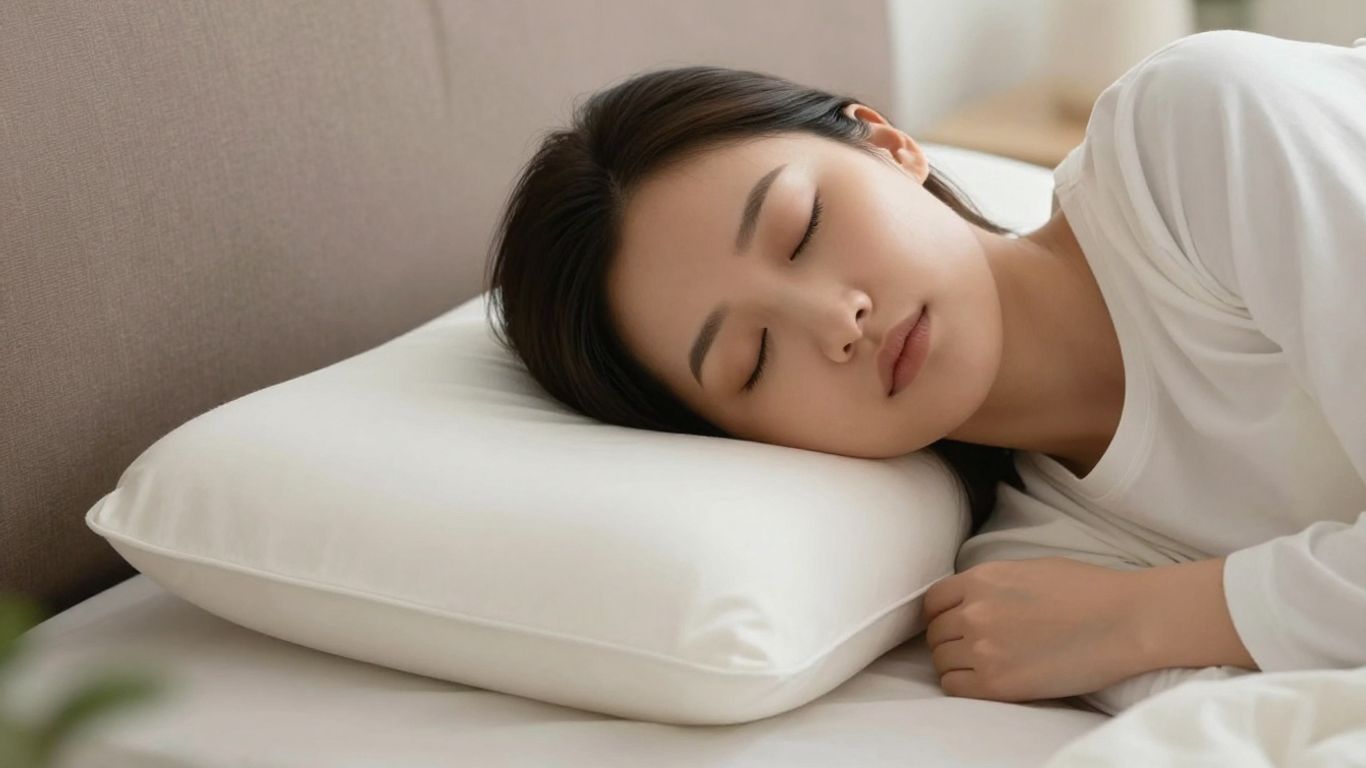
Even with the best cervical pillow, how you actually sleep matters a lot. It’s not just about the pillow; it’s about how your whole body is lined up. For us side sleepers, the main goal is to keep everything straight, from your head all the way down to your hips. This stops your neck and shoulders from getting all twisted and sore.
Achieving Neutral Spine Alignment
Think of your spine like a long, straight ruler when you’re lying on your side. Your pillow’s job is to fill the gap between your ear and the mattress, keeping your head level with your spine. If your head is tilted too far down or up, it’s going to cause problems. A pillow that’s too low lets your head drop, and one that’s too high forces your neck into an awkward angle. The sweet spot is where your head and neck feel like they’re just floating, perfectly in line with the rest of your body. This is why getting the right pillow loft is so important for side sleepers.
Proper Head and Neck Positioning
When you lie on your side, there’s a natural space between your ear and your shoulder. Your pillow needs to fill this space completely. For most people, this means a pillow with a decent amount of height, often around four to five inches. If you have broader shoulders, you might need an even taller pillow. The idea is simple: your head shouldn’t be dipping down towards the mattress or craning upwards. It needs to be level. If you find yourself constantly adjusting your pillow or waking up with a stiff neck, it’s a sign your head and neck aren’t getting the support they need. Sometimes, adding a second pillow between your knees can help stabilize your hips and pelvis, which in turn helps your upper body relax into a better position [2459].
Avoiding Common Side-Sleeping Mistakes
One big mistake is using a pillow that’s too soft. It might feel comfy at first, but it’ll let your head sink in too much, throwing your spine out of alignment. Another common issue is what to do with your arms. Tucking your bottom arm under your head or pillow can lead to numbness and shoulder pain. Try stretching that arm out in front of you instead. Your top arm can rest on a body pillow or another pillow. Some specialty pillows even have cutouts for your arms, which is pretty neat.
Making small changes to how you settle in for the night can really make a difference. It’s about creating a sleep setup that supports your body’s natural curves and keeps everything in a straight line, reducing strain and promoting restful sleep. Don’t underestimate the power of a well-aligned body.
If you’re struggling to find that perfect alignment, consider what else might be affecting your sleep. Sometimes, the mattress itself plays a big role. If it’s too firm, it creates pressure points, and if it’s too soft, your body can sag. Finding the right mattress can help keep your spine straight from head to hips. For side sleepers, a mattress that allows your shoulders and hips to sink in a bit while still supporting the rest of your body is often best [7496].
When to Consider a New Cervical Pillow
Even the best cervical pillow won’t last forever. Think of it like any other piece of gear you rely on for comfort and support – it has a lifespan. If you’ve been waking up with that familiar stiffness or a dull ache that just won’t quit, your pillow might be the culprit. It’s easy to get used to a pillow, even when it’s not really doing its job anymore. But your body knows. It’s telling you something’s up.
Signs Your Current Pillow Is Failing
So, how do you know for sure it’s time to say goodbye to your old pillow and hello to a new one? There are a few tell-tale signs. First off, if you’re experiencing new neck or shoulder pain, that’s a big red flag. Your pillow might be too flat, forcing your neck into an awkward angle, or maybe it’s too soft and not giving your head the support it needs. Another common indicator is the pillow’s physical condition. Does it feel lumpy? Are there noticeable flat spots where it used to be plump? Try this simple test: fold your pillow in half. If it doesn’t spring back to its original shape, its internal structure is likely worn out and no longer providing adequate support.
Here are some common signs your pillow is past its prime:
- New or increased neck and shoulder pain: Especially upon waking.
- Visible lumps or flat spots: The pillow no longer feels even.
- Loss of loft (height): The pillow feels flatter than it used to, creating a gap between your head and the mattress.
- Difficulty finding a comfortable position: You’re constantly adjusting and fluffing the pillow.
The Lifespan of Quality Pillows
How long a pillow lasts really depends on what it’s made of. Cheaper pillows, often filled with basic polyester or down alternatives, might feel soft initially but tend to flatten out pretty quickly. You might be looking at replacing these every year or two. On the other hand, higher-quality materials like memory foam or latex are built to last. Because they’re more resilient and hold their shape better, these can often give you three years or even more of good support. While they might cost a bit more upfront, their durability can save you money and, more importantly, prevent ongoing pain.
Here’s a general guideline for pillow lifespans:
- Polyester/Down Alternative: 1-2 years
- Memory Foam/Latex: 3+ years
It’s a good idea to check your pillow for signs of wear every six months or so. This way, you can catch issues before they start causing real discomfort and plan for a replacement based on its material type. Keeping your pillow in good shape is just as important as finding the right one in the first place.
Investing in Long-Term Neck Health
Your pillow is more than just something to rest your head on; it’s a key component of your sleep system. When it’s not doing its job, it can throw off your entire body’s alignment, leading to chronic pain and poor sleep quality. Replacing a worn-out pillow is a straightforward way to invest in your long-term neck health. It’s a relatively small change that can make a huge difference in how you feel day-to-day. Think of it as routine maintenance for your body, just like getting regular check-ups. If you’re consistently waking up with aches, it’s definitely time to consider a new cervical pillow that can properly support your spine’s natural curve.
Customer Experiences with Cervical Pillows
It’s always good to hear from folks who’ve actually used these pillows, right? Because let’s be honest, reading about loft and alignment is one thing, but seeing how it plays out in real life is another. Many people who’ve struggled with waking up stiff and sore have found real relief with these specialized pillows. It seems like a common theme is that after just a few nights, the morning neck pain just… disappears. That’s a pretty big deal if you’ve been dealing with it for a while.
Relief from Chronic Neck and Jaw Pain
Loads of reviews mention how these pillows have helped with persistent neck and even jaw pain. One person shared that they no longer wake up with that familiar ache, and their shoulders feel much better too. Another user specifically pointed out how the design helps keep their spine in a better position, which makes sense for side sleepers. It’s not just about comfort; it’s about fixing a problem that affects your whole day.
Improved Sleep Quality and Comfort
Beyond just pain relief, people are reporting better overall sleep. Some say they fall asleep faster and stay asleep longer, waking up feeling more rested. The comfort factor is huge, too. Users appreciate pillows that feel just right – not too hard, not too soft – and that hold their shape through the night. The breathable covers get a shout-out for keeping things cool, which is a nice bonus.
Value and Durability of Top Picks
When you’re looking for a pillow that can actually help with neck pain, you want it to last. Many customers feel these cervical pillows are a good investment. They often mention the quality of the materials and how the pillow doesn’t flatten out after a few weeks. Some even say they’ve had their pillow for a while and it’s still performing well, which is reassuring when you’re trying to find the best pillows for neck pain relief.
Here’s a quick look at what people are saying:
- Pain Reduction: Many users report a significant decrease in morning neck stiffness and pain.
- Comfort Level: The right balance of firmness and softness is frequently praised.
- Sleep Improvement: Falling asleep faster and waking up more refreshed are common outcomes.
- Support: Good neck and shoulder support helps maintain proper alignment.
It’s interesting how a simple change in your pillow can have such a big impact on your daily well-being. The feedback suggests that for many, a well-designed cervical pillow isn’t just a luxury, but a necessity for comfortable, pain-free sleep.
Selecting the Ideal Cervical Pillow for You
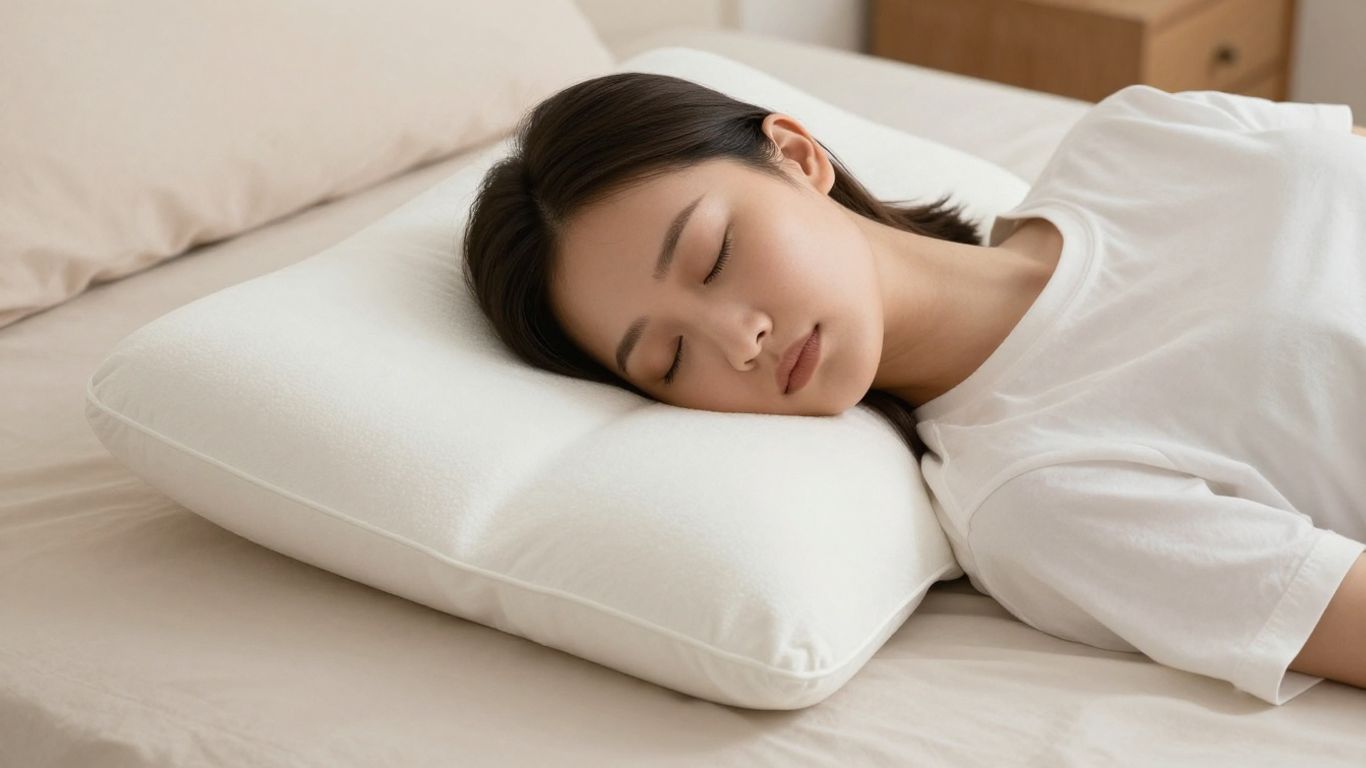
Finding the right pillow can feel like a treasure hunt, especially when you’re a side sleeper dealing with neck pain. It’s not just about picking something soft; it’s about finding a pillow that works with your body. Think of it as a key piece of your sleep setup, just as important as your mattress. The goal is to keep your spine in a nice, straight line from your head all the way down.
Matching Pillow Loft to Shoulder Width
This is a big one for side sleepers. Your shoulder width directly impacts how much space there is between your head and the mattress. If your pillow is too low, your head will drop down, straining your neck. Too high, and your head gets pushed up at an awkward angle.
Here’s a general guide:
- Narrow Shoulders: You’ll likely need a pillow with a lower loft, maybe around 4-6 inches.
- Average Shoulders: A medium loft, typically 6-8 inches, is often a good starting point.
- Broad Shoulders: You might need a higher loft, potentially 8 inches or more, to fill that gap properly.
It’s really about finding that sweet spot where your head and neck feel supported, not squished or strained. Some pillows are designed with this in mind, offering specific lofts for different body types. For example, the Coop Sleep Goods Original pillow is known for its adjustability, letting you dial in the perfect height.
Considering Pillow Firmness Preferences
Firmness is where personal preference really comes into play, but for side sleepers, there’s a general sweet spot. Most people find that a medium-firm to firm pillow works best. Why? Because a pillow that’s too soft will let your head sink too deeply, causing your spine to curve unnaturally. On the flip side, a pillow that’s rock-hard can create uncomfortable pressure points on your ear and jaw.
The ideal firmness will cradle your head and neck, offering support without feeling stiff. It should feel like it’s gently holding you, allowing your neck and shoulder muscles to truly relax.
If you’re unsure, start with a medium-firm option. Many adjustable pillows allow you to experiment by adding or removing fill, so you can test different levels of firmness until you find what feels right.
The Importance of a Pillow That Cradles
Beyond just loft and firmness, how a pillow feels against your head and neck matters. You want a pillow that contours to your shape, providing support where you need it most. Materials like memory foam or latex are great for this because they mold to your curves. This contouring action helps distribute your weight evenly, reducing pressure points that can lead to pain and discomfort.
Look for pillows that have a design that seems to hug your neck and head. Some pillows have special shapes, like a gentle curve, that are made to fit the natural alignment of your neck and shoulders. This kind of cradling support is what helps keep everything aligned throughout the night, so you wake up feeling refreshed, not achy. Remember, the right pillow is key for maintaining neutral spine alignment when you sleep on your side.
Ready for Better Sleep?
So, we’ve talked a lot about why side sleepers often struggle with neck pain and how the right pillow can really make a difference. It’s not just about finding something soft; it’s about support that keeps your spine lined up right. Whether you go for a pillow with adjustable fill, a special contour, or just one with the right firmness, the goal is the same: wake up feeling rested, not achy. Don’t let another morning start with that familiar stiffness. Investing in a good cervical pillow for side sleepers in 2026 could be one of the best things you do for your sleep and your overall well-being. Give it a try – your neck will thank you.
Frequently Asked Questions
Why is pillow height (loft) so important for side sleepers?
For side sleepers, the pillow needs to fill the space between your ear and your shoulder. This keeps your head and neck in a straight line with your spine, kind of like a bridge. If the pillow is too low, your head will tilt down, and if it’s too high, your head will tilt up. Both can lead to neck pain.
What does ‘spinal alignment’ mean for my neck?
Spinal alignment means keeping your spine straight, like a ruler, from your head all the way down to your tailbone. When you sleep on your side, the right pillow helps your neck stay in this natural, straight position, preventing strain and pain.
How do special shapes help cervical pillows for side sleepers?
Some pillows have unique shapes, like a curve or a dip, that are made to fit the natural shape of your neck and head better. Others might have cutouts for your arm so you can sleep more comfortably without your shoulder being pushed up.
Is memory foam a good material for a side sleeper’s pillow?
Yes, memory foam is often great because it molds to the shape of your head and neck. This helps spread out the pressure and gives you comfy support, which is really helpful for easing neck pain.
How do I know if my current pillow is causing neck pain?
If you wake up with a stiff neck, sore shoulders, or headaches, your pillow might be the problem. Also, if your pillow feels flat, lumpy, or doesn’t spring back when you fold it, it’s probably time for a new one.
Can a pillow really help with jaw pain too?
Sometimes, yes! If your neck isn’t properly supported, it can affect your jaw alignment. A good cervical pillow that keeps your neck straight can sometimes help reduce jaw pain and discomfort.
How often should I replace my cervical pillow?
Even good pillows wear out. Generally, you might need to replace your pillow every 2-3 years, or sooner if you notice it losing its shape, support, or if you start waking up with pain again.
What’s the best way to position my head on a cervical pillow?
Your head should rest in the contoured part of the pillow, with your neck supported by the raised edges. The goal is to keep your head level with your spine, not tilted up or down. It should feel comfortable and relaxed.