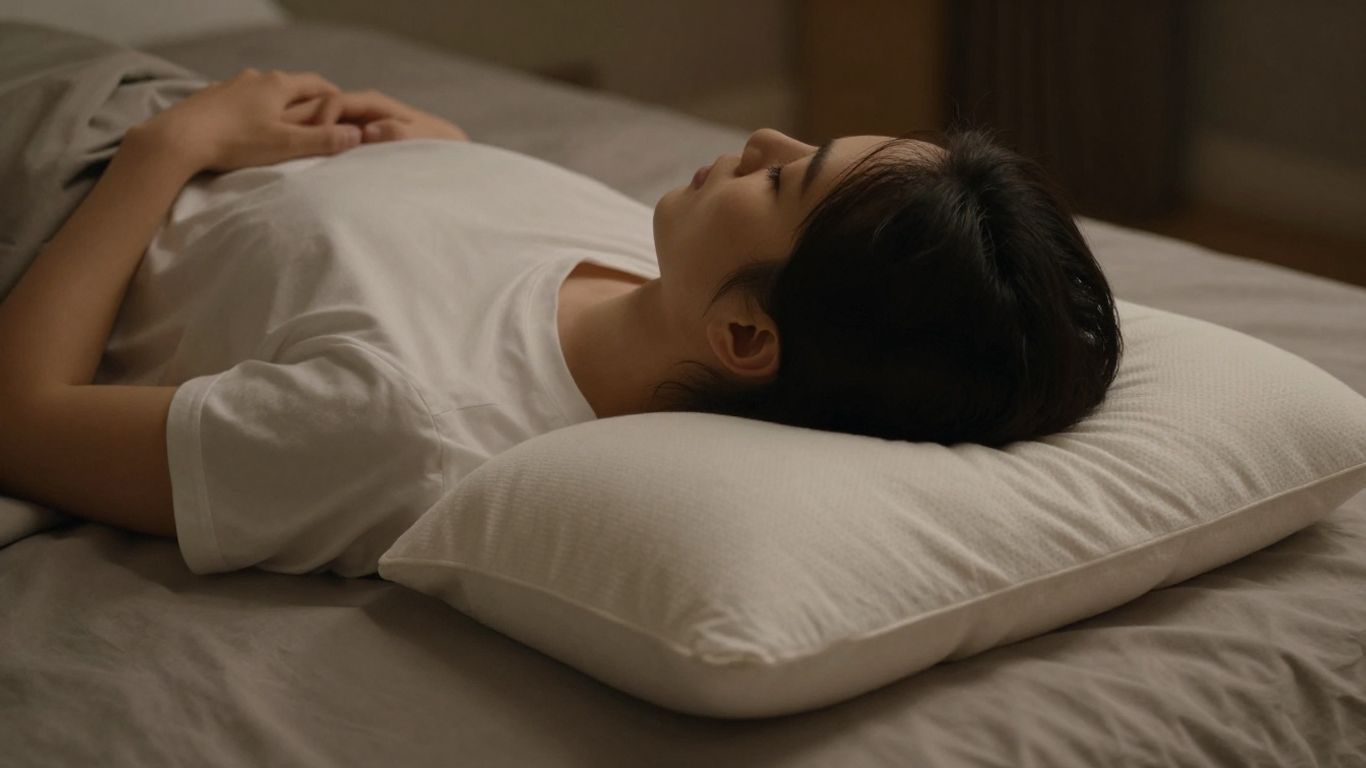
Waking up with a stiff neck is the worst, right? It can totally ruin your day. If this sounds like you, you’re probably looking for a better way to sleep. A special pillow, often called a cervical pillow, might be the answer. These aren’t just any old pillows; they’re made to help support your neck and keep your spine lined up right while you catch some Zs. This guide is here to help you figure out which cervical pillow is the best fit for you in 2026, so you can finally get some pain-free sleep.
Key Takeaways
- A cervical pillow is designed to support your neck and keep your spine aligned, which can help reduce neck pain.
- Look for features like an anatomical shape, good memory foam quality, and breathable materials for comfort.
- Your sleep position (side, back, or stomach) is a major factor in choosing the right cervical pillow.
- Pillow loft and firmness should match your body type and sleeping style to ensure neutral spine alignment.
- Proper positioning and care will help you get the most relief and longevity from your cervical pillow.
Understanding Cervical Pillow Benefits
Waking up with that familiar ache in your neck or a stiff feeling between your shoulders? It often comes down to what you’re sleeping on. A cervical pillow isn’t just about lifting your head; it’s designed to cradle the natural inward curve of your neck, letting your muscles actually rest instead of working overtime to keep your spine in place all night. It’s a pretty simple idea, really: support your neck’s natural shape, and you’ll feel better.
How Cervical Pillows Alleviate Neck Pain
The main job of a cervical pillow is to keep your spine in a neutral position while you sleep. Think of your cervical spine, the seven vertebrae in your neck, as having a natural inward curve. When this curve is maintained, muscle tension goes down, pressure points ease up, and your body has a better chance to heal. This alignment is key to avoiding that morning stiffness many of us deal with. Proper alignment reduces overnight strain, allowing muscles to relax fully rather than tensing up to protect the spine. Even a small change in pillow height can shift your cervical spine from a stressed position to a neutral one, making a big difference between waking up refreshed or in pain.
Conditions That Benefit from Cervical Pillow Use
These specially shaped pillows can be a real game-changer for a few common issues:
- Chronic neck pain: If your neck hurts regularly, this kind of support can help.
- Morning stiffness and headaches: Often linked to poor sleeping posture, these can be reduced.
- Neck muscle spasms or stiffness: The gentle support can help relax tight muscles.
- Cervical spondylosis: This condition involves wear and tear on the neck bones and cartilage, and proper alignment is important.
- Recovery from neck injuries: For those healing, maintaining neutral alignment is crucial.
If you’re looking for a pillow that actually supports your neck’s natural curve all night, you might want to check out options designed for better spinal alignment.
The Orthopaedic Principles Behind Cervical Pillow Design
At its core, a cervical pillow is built on orthopaedic principles. Unlike a regular pillow that just props your head up, these are shaped to work with your body’s natural curves. The goal is to support the cervical lordosis – that inward curve in your neck – keeping your head, neck, and spine aligned. This means the pillow needs to fill that space at the base of your neck, not just cushion your head. It’s about providing support, not just elevation. For people who spend a lot of time traveling, finding a supportive pillow can make a huge difference in comfort, even on long journeys.
The difference between a standard pillow and a cervical one is significant. Standard pillows often just elevate your head, potentially pushing it forward or at an awkward angle. A true cervical pillow, however, is contoured or shaped to specifically cradle and support the natural arch of your neck, promoting a neutral spine position throughout the night. This targeted support is what allows your neck muscles to truly relax and recover.
Key Features of Effective Cervical Pillows
When you’re looking for a pillow to help with neck pain, it’s not just about what it looks like. There are some specific things that make a cervical pillow actually work. Think of it like building a house – you need the right materials and a solid design.
Anatomical Design for Neutral Spine Alignment
This is probably the most important part. A good cervical pillow is shaped to fit the natural curve of your neck, that little dip you have there. It’s not just about lifting your head; it’s about supporting that specific curve, called the cervical lordosis. When your neck is in this neutral position, your muscles can finally relax instead of working overtime to keep your head from falling off to the side. This means less stiffness when you wake up.
- Contoured Shape: Look for pillows with a distinct curve or dip in the middle for your head and a raised edge to support your neck.
- Neck Roll: Some pillows have a built-in roll that fits right into the curve of your neck.
- Ergonomic Profile: The overall shape should encourage your head, neck, and spine to line up straight.
Memory Foam Density and Quality Considerations
Many of the best cervical pillows use memory foam. But not all memory foam is created equal. You want foam that’s dense enough to provide support but also soft enough to be comfortable. A medium-density foam often hits that sweet spot, contouring to your shape without feeling like you’re sinking into a hole. High-density foam can be great for support, but sometimes it feels too firm. Lower-density foam might feel soft initially but can lose its shape and support over time. It’s worth checking out orthopedic pillow designs that focus on this balance.
Breathable Materials for Enhanced Comfort
Nobody likes waking up in a sweat. If your pillow traps heat, it can make your neck muscles tense up, which is the opposite of what you want. Good cervical pillows use materials that let air flow through. This helps keep you cool and comfortable all night long. Think about covers made from bamboo or special cooling fabrics. It makes a big difference, especially if you tend to sleep hot.
Importance of Removable and Washable Covers
This one’s pretty straightforward but often overlooked. Your pillow is right there against your skin all night, so it needs to be clean. A removable cover is a lifesaver. You can just toss it in the wash regularly to keep things fresh and hygienic. It’s a simple feature, but it really adds to the longevity and comfort of your pillow.
Keeping your pillow clean is more than just about looks; it’s about preventing allergens and bacteria from irritating your skin and potentially causing inflammation, which can worsen neck discomfort. A fresh cover makes a noticeable difference in how you feel when you lie down.
Choosing the Right Cervical Pillow for Your Sleep Style
Alright, so you’ve decided a cervical pillow might be the ticket to a less achy neck. That’s great! But here’s the thing: not all cervical pillows are created equal, and what works for your buddy might be a total disaster for you. It really boils down to how you sleep. Seriously, your go-to position is the biggest clue in finding the right pillow.
Cervical Pillow Selection for Side Sleepers
If you’re a side sleeper, think about that gap between your mattress and your head. You need a pillow that’s tall enough to fill that space and keep your neck straight, not dipping down. Your shoulder width plays a big role here; wider shoulders mean you need a taller pillow. You want something that won’t just flatten out completely when you put your head down. Look for pillows with a good amount of fill or a design that’s specifically made to support side sleeping. Some ergonomic or adjustable pillows are a good bet because you can tweak them. A pillow that’s too flat for a side sleeper is basically useless, letting your neck drop and causing all sorts of problems.
Cervical Pillow Recommendations for Back Sleepers
Back sleepers, you’re usually looking for something a bit different. You need a pillow that supports the natural inward curve of your neck, often called the cervical lordosis. This usually means a lower loft than side sleepers need, sometimes with a bit of a contour or a bolster right in the neck area. Too much height here can push your chin towards your chest, which is exactly what you’re trying to avoid. Pillows with a gentle curve or a butterfly shape tend to work well for keeping that neck curve happy without overdoing it. The goal is to support, not prop your head up too high.
Options for Stomach Sleepers Seeking Neck Support
Okay, stomach sleeping is a tough one for neck health. If you’re a stomach sleeper, the best advice is usually to try and use the thinnest pillow possible, or even no pillow at all. This minimizes the amount you have to twist your neck to breathe. Honestly, if you can, transitioning to side or back sleeping is a much better long-term plan for your neck. If you absolutely must stomach sleep, find the lowest profile pillow you can. Some pillows are designed with a very thin central area, which might help a little, but it’s still not ideal for your cervical spine.
Best Cervical Pillows for Combination Sleepers
Combination sleepers, you’re the trickiest bunch! You toss and turn, so what works when you’re on your back might not be great when you roll to your side. For you, adjustable pillows are often the MVP. You can add or remove fill to get the right height for each position. Some pillows have different zones or a segmented design that tries to offer support no matter how you land. It’s all about finding something that can adapt with you throughout the night. Trying to find a fixed-shape pillow that works for all your positions is usually a losing battle.
Picking the wrong pillow for your sleep style is a common mistake. A pillow designed for back sleepers, for instance, is often too low for side sleepers, leading to neck strain and pain. It’s worth taking a moment to figure out your primary sleep position before you buy.
Here’s a quick rundown:
- Side Sleepers: Need higher loft to fill the shoulder gap. Shoulder width is key.
- Back Sleepers: Need lower loft with neck contouring to support the cervical curve.
- Stomach Sleepers: Should use the thinnest pillow possible or no pillow.
- Combination Sleepers: Adjustable pillows are often the best bet for adapting to multiple positions.
Material Matters in Cervical Pillow Construction
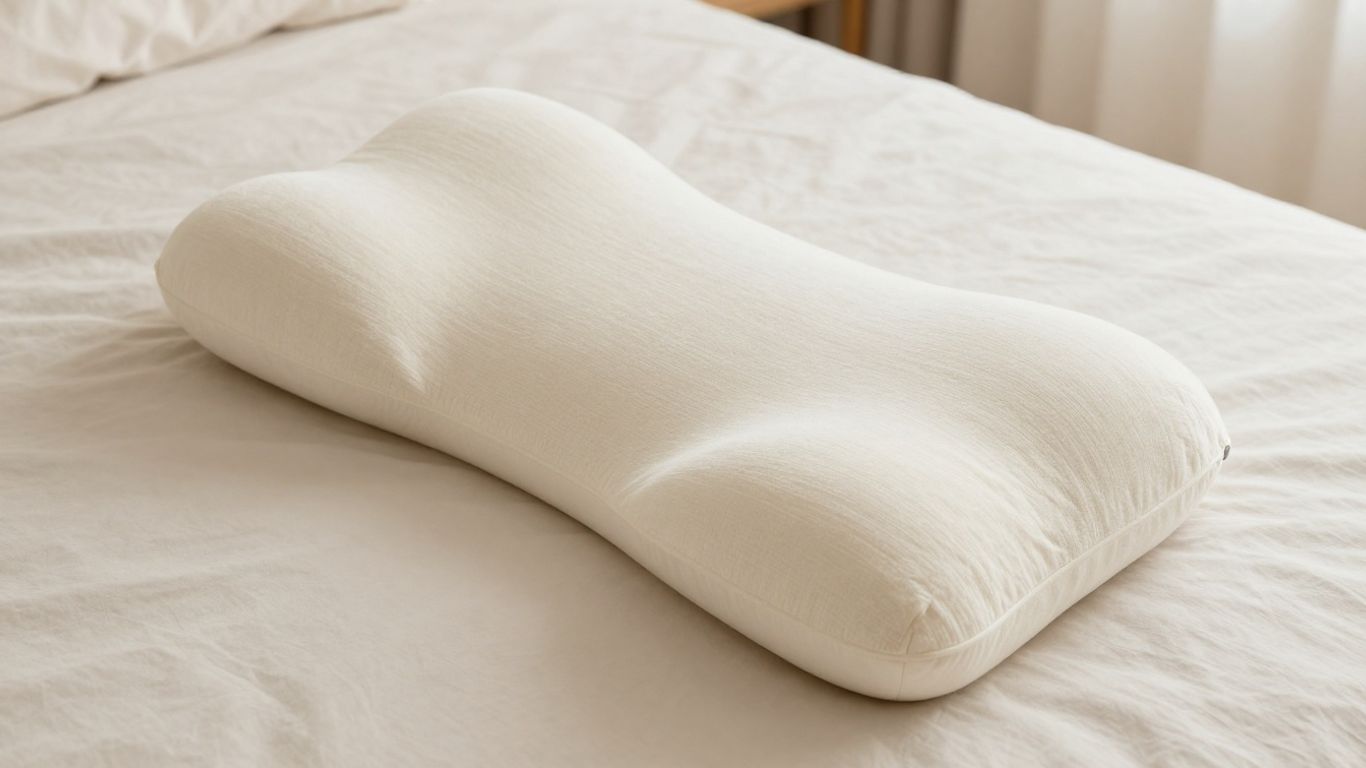
So, you’re looking for a cervical pillow, and you’ve probably noticed there are a bunch of different materials out there. It can get a little confusing, right? But honestly, the stuff your pillow is made of makes a pretty big difference in how well it supports your neck and how comfortable you are all night long. It’s not just about the shape; it’s about what’s inside.
The Role of Memory Foam in Cervical Pillows
Memory foam is a big player in the cervical pillow world, and for good reason. It’s that squishy stuff that molds to your shape when you lie on it. This ability to contour is key because it can cradle the natural curve of your neck. Unlike a regular pillow that just flattens out, memory foam keeps its form, offering consistent support. When you’re looking at memory foam, pay attention to its density. Higher density usually means it’s more supportive and will last longer, but it can also feel firmer. Lower density might feel softer initially but could break down faster. Some memory foam is infused with cooling gels or has open-cell structures to help with airflow, which is a nice bonus if you tend to sleep hot.
Exploring Latex and Other Cervical Pillow Materials
While memory foam is popular, it’s not the only game in town. Latex is another material you’ll see. It’s often made from rubber tree sap and has a different feel – it’s usually more responsive, meaning it bounces back quicker when you move. Some people prefer this springier feel over the slow sink of memory foam. Latex can also be quite durable and breathable. Then there are other fills, like shredded memory foam or latex, which allow for more adjustability because you can add or remove the filling. Some pillows use a mix of materials, trying to get the best of both worlds. It really comes down to personal preference and what feels right for your neck.
Evaluating Fill Types for Optimal Neck Support
When you’re trying to figure out what fill is best, think about what you need. Do you want something that feels like a cloud, or do you need firm, unwavering support? Here’s a quick rundown:
- Solid Memory Foam: Offers consistent support and contouring. Great for maintaining a specific shape.
- Latex (Solid or Shredded): More responsive and often cooler than traditional memory foam. Can feel a bit bouncier.
- Shredded Fill (Foam or Latex): Allows for adjustability. You can often add or remove fill to get the perfect height and firmness. Good for side sleepers who need to bridge a shoulder gap.
- Fiberfill/Down Alternative: Generally softer and less supportive for the neck’s curve. Might be okay for very light individuals or as a secondary layer.
The material inside your pillow dictates how it interacts with your body’s unique contours. A pillow that compresses too much won’t support the natural cervical curve, while one that’s too rigid might create pressure points. Finding that sweet spot is what makes all the difference for waking up without that nagging neck ache. It’s about finding a material that balances cushioning with the necessary firmness to keep your spine aligned.
Proper Usage for Maximum Cervical Pillow Relief
So you’ve picked out a fancy new cervical pillow, and it looks pretty different from your old fluffy one. That’s good! But just having the right pillow isn’t the whole story. You’ve got to use it correctly to actually feel better. It’s like buying a fancy new tool – you wouldn’t just leave it in the box, right?
Achieving Correct Cervical Pillow Positioning
Getting the pillow in the right spot is key. You want it to support the natural curve of your neck, not just prop your head up. Think about it: your neck has a gentle inward curve, and the pillow should cradle that. The thicker, often firmer, part of the pillow usually goes under your neck, while the flatter part supports your head. There shouldn’t be a big gap between your neck and the pillow. It should feel like it’s filling that space comfortably. For side sleepers, the pillow needs to be thick enough to keep your head level with your spine, so your neck isn’t tilted up or down. Back sleepers need that same neutral alignment, with the pillow supporting the base of the skull and the neck curve. If you’re a stomach sleeper, these pillows can be tricky, and you might need to adjust how you use it or consider if it’s the right fit for you. Remember, the goal is a straight line from your head down your spine. Sleeping on your back with a pillow that supports your cervical spine’s natural curve is the best position for neck pain.
Adjusting to Your New Cervical Pillow
Okay, so you’ve got it positioned right. Now comes the adjustment period. Don’t expect miracles on night one. Your neck muscles have probably gotten used to being in a less-than-ideal position for a long time. It might feel a little strange at first, maybe even a bit uncomfortable. That’s normal. Give it some time – a couple of weeks, really – to see if it makes a difference. Your body needs a chance to adapt to this new, more supportive alignment. It’s a bit like breaking in a new pair of shoes; they’re not perfect right out of the box.
- Be patient: Allow at least two to three weeks before deciding if the pillow is working. Your muscles need time to adjust.
- Start subtle: If your pillow has adjustable fill, begin with less than you think you need. You can always add more.
- Stay consistent: Try to stick to the same sleep position each night to maximize the benefits of the consistent support.
Integrating Cervical Pillows into Your Sleep Routine
Using your cervical pillow shouldn’t be a chore. It should just become part of your nightly routine. Make sure to keep the pillowcase clean, too. Washing it every few days can help prevent irritation, especially if you tend to sweat. Also, consider some gentle neck stretches in the morning. This helps ease your neck muscles from their resting position into the day without a sudden jolt. It’s all about creating a holistic approach to neck care, where the pillow is a major player, but not the only one.
A cervical pillow is designed to support the natural curve of your neck, promoting neutral spine alignment. This support helps reduce muscle strain and pressure points, allowing for more restorative sleep. Proper positioning and a period of adjustment are key to experiencing its full benefits.
If you’re struggling to get the hang of it, sometimes seeing how others do it can help. Watching a demonstration might clear things up. Benjamin shows how to adapt to using an orthopedic pillow for neck pain relief.
Evaluating Cervical Pillow Firmness and Loft
Finding the sweet spot for firmness and loft is key when you’re looking for a cervical pillow that actually helps your neck pain. It’s not just about picking something that feels soft or firm; it’s about how that firmness and height work with your body and your preferred sleeping position.
Finding the Ideal Loft for Neck Alignment
Loft, basically the height of the pillow, is super important. Too low, and your head might drop, straining your neck. Too high, and your neck gets pushed into an unnatural angle. The goal is to keep your cervical spine in a neutral, straight line, like it would be if you were standing up with good posture. This means the pillow needs to fill that natural curve in your neck without pushing your head up too much or letting it sink too low. Your shoulder width, head size, and even how firm your mattress is all play a role in what loft is just right for you. For instance, side sleepers generally need a higher loft to bridge the gap between their head and the mattress, especially if they have broader shoulders. Back sleepers usually need a lower loft, but it still needs to support the neck’s curve. Stomach sleeping is tricky, and most cervical pillows aren’t ideal for this position because it naturally puts your neck in a twisted state.
Understanding Firmness Levels in Cervical Pillows
Firmness is about how much the pillow gives way under pressure. You don’t want a pillow that’s rock hard, because that can create uncomfortable pressure points, especially at the base of your skull or along your neck. On the flip side, a pillow that’s too soft will just collapse, offering no real support and letting your head sink down, defeating the purpose. Most experts agree that a medium-firm feel is often the best bet. This provides enough give to be comfortable while still offering consistent support throughout the night. Some pillows use memory foam, which molds to your shape, while others might use latex or a blend of fills. The responsiveness of the material matters – you want something that supports you without feeling like you’re sinking into quicksand.
How Body Type Influences Pillow Loft Needs
Your body type really does make a difference in what pillow loft will work best. Think about it: someone with broader shoulders will need a thicker pillow to keep their head aligned when sleeping on their side compared to someone with narrower shoulders. Similarly, a heavier person might find that a pillow compresses more under their weight, so they might need a firmer pillow or one with a slightly higher loft to achieve the same neutral alignment as a lighter person. It’s not a one-size-fits-all situation. Many adjustable pillows allow you to add or remove fill, which is a game-changer because you can really dial in the perfect height and firmness for your unique body and sleep habits. This adjustability is particularly helpful if you’re recovering from an injury or have specific neck issues, as the margin for error is smaller. Trying out different lofts and firmness levels, or opting for an adjustable design, can save you a lot of trial and error.
Finding the right loft and firmness isn’t just about comfort; it’s about actively supporting your cervical spine’s natural curve. The wrong height or density can actually worsen neck pain by creating new stress points or failing to alleviate existing ones. It’s worth taking the time to figure out what works for your specific needs.
Here’s a quick look at how sleep position generally relates to loft needs:
| Sleep Position | Typical Loft Requirement | Firmness Preference |
|---|---|---|
| Side Sleeper | High | Medium-Firm |
| Back Sleeper | Medium | Medium-Firm |
| Stomach Sleeper | Very Low (often avoided) | Soft to Medium |
Addressing Specific Neck Pain Concerns with Cervical Pillows
Neck pain isn’t a one-size-fits-all kind of problem, and sometimes, you need a pillow that’s tailored to your specific issues. While a good cervical pillow can help with general neck discomfort, some conditions really benefit from the targeted support these pillows offer. It’s not just about keeping your neck straight; it’s about how that alignment helps your body heal and relax.
Cervical Pillows for Chronic Neck Pain Sufferers
If you’ve been dealing with neck pain for a long time, you know how much it can impact your daily life. Chronic pain can make even simple tasks feel difficult. A cervical pillow can be a game-changer here because it focuses on maintaining neutral spine alignment all night. This consistent support helps reduce strain on your neck muscles and joints, which can be a major contributor to ongoing pain. Over time, this can lead to less stiffness and fewer flare-ups. For those with persistent discomfort, finding the right pillow is key, and options like the Saatva Latex pillow are designed with this in mind, offering adjustable loft for personalized support.
Relief for Neck Muscle Spasms and Stiffness
Neck muscle spasms and stiffness often happen when your neck is held in an awkward position for too long, like when you’re sleeping. A standard pillow might let your head sink too low or push it too high, forcing your muscles to work overtime to compensate. Cervical pillows, with their contoured shapes, cradle your neck and keep it in a relaxed, neutral position. This prevents those muscles from getting cramped or strained overnight. Waking up with less stiffness means you can start your day feeling more mobile and comfortable. The Tempur-Pedic Tempur-Cloud Pillow, for instance, is known for its contouring material that can provide significant relief from these kinds of issues.
Supporting Recovery from Neck Injuries with Cervical Pillows
Recovering from a neck injury, whether it’s a minor strain or something more serious, requires careful attention to how you position your neck, especially when you’re resting. A cervical pillow can play a supportive role in this process. By promoting proper alignment, it helps to reduce stress on injured tissues, allowing them to heal more effectively. It’s important to remember that a pillow isn’t a cure, but it can be a helpful tool in creating a more conducive environment for recovery. Always consult with a healthcare professional about your specific injury and recovery plan.
Here’s a quick look at what to consider:
- Consistent Support: The pillow’s design should keep your neck aligned without needing constant adjustment.
- Material Comfort: The material should be comfortable and breathable to avoid irritation, especially if you’re sensitive due to an injury.
- Personalization: Some pillows offer adjustable features, which can be beneficial as your recovery progresses.
While a cervical pillow can significantly help manage symptoms related to poor sleeping posture and general neck strain, it’s not a substitute for professional medical advice. If your neck pain is severe, persistent, or accompanied by other concerning symptoms like numbness, tingling, or weakness, it’s important to see a doctor. They can diagnose the underlying cause and recommend the best course of treatment, which might include physical therapy or other interventions alongside supportive sleep aids.
Cervical Pillow Maintenance and Longevity
So, you’ve found that perfect cervical pillow that’s finally giving your neck some much-needed peace. That’s awesome! But like anything you want to last, it needs a little care. Neglecting your pillow can actually undo all the good it’s doing, leading to less support and maybe even some yucky stuff building up.
Cleaning Your Cervical Pillow Effectively
Keeping your pillow fresh is pretty straightforward, but there are a few things to remember. Most cervical pillows come with a removable cover, and that’s your first line of defense. You’ll want to wash this cover regularly, maybe every few days, especially if you tend to sweat at night or have skin issues. Think of it like washing your sheets – it just makes sense for hygiene. For the actual pillow insert, though, it’s usually a different story. Most memory foam or latex cores can’t just be tossed in the washing machine. Instead, you’ll want to spot clean any spills with a damp cloth and mild soap, and then let it air dry completely. Never soak the core or put it in a dryer.
Here’s a quick rundown:
- Pillow Cover: Machine wash on a gentle cycle with cold water. Tumble dry on low or air dry. Check the care tag for specific instructions.
- Pillow Core: Spot clean only with a damp cloth and mild detergent. Allow to air dry thoroughly. Avoid harsh chemicals or soaking.
- General Freshening: Air out the pillow core periodically in a well-ventilated area, away from direct sunlight, to help it stay fresh.
Ensuring Durability of Your Cervical Pillow
To get the most mileage out of your cervical pillow, think about how you use it. Try to be consistent with your sleep position if possible; constantly shifting and bunching up the pillow can wear it out faster. Also, be mindful of how you handle it. Don’t fold it sharply or store heavy items on top of it for extended periods. These actions can compromise the internal structure, especially if it’s made of memory foam. A good pillow is an investment, and a little care goes a long way in protecting that investment. If you’re a side sleeper, making sure your pillow has enough loft to bridge the gap between your head and shoulder is key for long-term support [b42d].
Signs It’s Time to Replace Your Cervical Pillow
Even with the best care, pillows don’t last forever. After a while, they just lose their oomph. You’ll know it’s time for a new one when you start noticing a few things. Maybe the pillow just doesn’t feel as supportive as it used to, even after you’ve cleaned it. It might have lost its shape, feeling flat in some spots and lumpy in others. Another sign is if it starts to smell, even after cleaning the cover, or if you find yourself waking up with neck pain again, despite using the pillow consistently. Generally, most cervical pillows are good for about 1-3 years, depending on the materials and how you use them. Don’t be afraid to let go of an old pillow if it’s no longer serving your neck well.
When your cervical pillow starts showing signs of wear, like permanent flattening or a persistent odor, it’s a clear signal that its supportive qualities have diminished. Continuing to use a worn-out pillow can negate the benefits you’ve experienced and potentially lead to a return of neck pain, making replacement a necessary step for continued comfort and spinal alignment.
Investigating Top Cervical Pillow Brands and Models
Okay, so you’ve decided a cervical pillow is the way to go for your neck pain. That’s a big step! But now comes the slightly overwhelming part: figuring out which brand and model is actually going to do the trick. It feels like every company out there is claiming to have the magic solution, right? It can be a real headache trying to sort through all the options.
Comparing Leading Cervical Pillow Options
When you start looking, you’ll see a few names pop up again and again. Brands like Tempur-Pedic have been around forever, and their contoured pillows are a classic choice for a reason. They tend to be on the firmer side, which is great if you need solid support and are usually a back or side sleeper. Then you have companies like Coop Home Goods, which offer adjustable pillows. This is super handy because you can add or remove filling to get that perfect height and firmness just for you. It’s a bit of a DIY approach to pillow perfection.
Here’s a quick look at what some popular types offer:
- Contoured Pillows: Often made from dense memory foam, these have a specific shape designed to cradle your neck. Great for maintaining that neutral spine alignment. Think of the Tempur-Pedic Tempur Neck Pillow as a prime example.
- Adjustable Pillows: These usually have shredded foam or fiberfill that you can customize. You can add or take away stuffing to match your shoulder width and sleep style. Coop Home Goods is a big player here.
- Shaped Pillows: Some pillows have unique shapes, like butterfly or wave designs, meant to support the neck while allowing your head to rest comfortably.
Identifying Value-Driven Cervical Pillow Choices
Not everyone wants to spend a fortune on a pillow, and that’s totally understandable. You can find some really good options that won’t break the bank. The key is to look for those that still tick the important boxes: good support for the cervical curve, decent material quality, and a design that suits your sleep position. Sometimes, a well-designed, simpler pillow can be just as effective as a super high-tech, expensive one. It’s about finding what works for your neck, not just what has the fanciest name.
It’s easy to get caught up in all the marketing hype. Remember, the goal is simple: support the natural curve of your neck so your muscles can relax. If a pillow does that, regardless of its price tag or brand name, it’s probably a winner.
Exploring Premium Cervical Pillow Selections
On the other end of the spectrum, there are the premium options. These often come with advanced materials, like special cooling gels or high-end memory foam, and might offer more sophisticated adjustability features. Brands like Honeydew Sleep, for instance, focus heavily on creating a pillow specifically for side sleepers that offers both comfort and the necessary neck support. These pillows might cost more, but they often come with longer warranties or more detailed customer support, which can be reassuring when you’re making a significant purchase for your health. If you’ve tried a few cheaper options without success, investing in a premium pillow might be worth considering. You can find some of the best pillows for neck pain in this category, often backed by extensive testing.
The Impact of Cervical Pillows on Overall Sleep Quality

So, you’ve got your new cervical pillow, and you’re wondering what difference it’ll actually make beyond just easing that morning neck ache. It’s more than just about pain relief, honestly. A properly supportive pillow can genuinely transform how you sleep, night after night. Think about it: when your neck and spine are aligned, your muscles don’t have to work overtime to keep things stable. This means deeper relaxation and less tossing and turning.
Waking Up Pain-Free with the Right Cervical Pillow
That feeling of waking up stiff and sore? It’s often a direct result of your pillow not doing its job. A pillow that’s too flat, too high, or just the wrong shape can throw your cervical spine out of its natural curve. This puts strain on your neck muscles and ligaments all night long. A good cervical pillow, on the other hand, supports that natural inward curve, allowing your muscles to fully relax. This means you can wake up feeling refreshed, not like you wrestled a bear in your sleep. It’s about getting restorative sleep, not just sleep.
How Cervical Pillows Contribute to Restorative Sleep
Restorative sleep is that deep, rejuvenating sleep where your body and mind do their best repair work. When your spine is out of alignment, your body can’t fully enter these crucial stages. It’s constantly trying to compensate for the poor position. A cervical pillow helps by keeping your head, neck, and spine in a neutral position. This stability allows your body to focus on healing and recovery instead of fighting gravity and bad posture. It’s like giving your body a break so it can actually do its job properly.
Here’s a quick look at what happens:
- Muscle Relaxation: Your neck and shoulder muscles can finally let go of tension.
- Reduced Aches: Less strain means fewer headaches and less shoulder pain.
- Deeper Sleep Cycles: Without discomfort, you’re more likely to achieve longer periods of deep sleep.
The goal is to create an environment where your body can naturally repair itself. This means removing obstacles like poor spinal alignment caused by an inadequate pillow. It’s a simple change that can have a big effect on your overall well-being.
The Link Between Cervical Support and Posture
It might seem like a pillow only affects your neck, but it’s connected to your whole body, especially your posture. When your neck is properly supported at night, it sets a better tone for your posture throughout the day. Think of your spine as a chain; if the top link (your neck) is out of place, it affects everything below it. Consistent use of a cervical pillow can help retrain your muscles and improve your head and neck alignment, which can translate to better posture when you’re standing and sitting. Over time, this can reduce strain on your back and shoulders. If you’re looking for options that specifically support side sleepers, you might want to check out some top-rated pillows.
Adjusting to a new pillow takes a little time, usually a couple of weeks. During this period, your neck muscles are adapting to a more natural position. Be patient with the process. If you find yourself still struggling, it might be worth looking into specific models like the Derila Ergo Pillow to see if its design better suits your needs.
Wrapping It Up
So, finding the right pillow for your neck pain might seem like a big deal, but it doesn’t have to be. We’ve gone over why these special pillows work, what to look for when you’re shopping, and how to actually use them to get the best results. Remember, it’s all about keeping your neck happy and aligned while you sleep. Don’t just grab any old pillow; take a little time to pick one that fits your sleep style and your body. Your neck will thank you for it, and you’ll probably wake up feeling a whole lot better.
Frequently Asked Questions
What exactly is a cervical pillow and how does it help with neck pain?
A cervical pillow is a special kind of pillow made to support your neck and keep your spine straight while you sleep. Unlike regular pillows that can make your neck bend in weird ways, a cervical pillow has a shape that fits your neck’s natural curve. This helps your muscles relax, reduces pressure, and can stop that stiff feeling you get in the morning.
Who can benefit from using a cervical pillow?
Anyone with neck pain can find relief with a cervical pillow. It’s especially good for people who have ongoing neck aches, stiff neck muscles, or even problems like cervical spondylosis. If you often wake up feeling achy in your neck, this type of pillow could make a big difference.
What should I look for in a good cervical pillow?
When picking a cervical pillow, check for a design that matches the curve of your neck to keep your spine straight. Good ones are often made of memory foam that’s not too hard or too soft. Also, make sure the material is breathable so you don’t get too hot, and it’s a good idea to have a cover that you can take off and wash.
How do I know if I’m using my cervical pillow correctly?
To use it right, make sure the pillow supports the natural curve of your neck. There shouldn’t be any big gaps between your neck and the pillow. It should feel like it’s cradling your neck and head, keeping everything in a nice, straight line from your head down to your shoulders.
Can stomach sleepers use cervical pillows?
Stomach sleeping isn’t the best for your neck, but if you do sleep that way, you’ll want a thinner cervical pillow. The goal is to keep your neck as straight as possible and avoid twisting it. Some people find it helpful to place a thin pillow under their shoulders too.
How often should I replace my cervical pillow?
You should think about getting a new cervical pillow if it starts to lose its shape, feels flat, or doesn’t provide the same support it used to. Generally, pillows last a few years, but how long yours lasts depends on how you use it and the quality of the materials.
What’s the difference between memory foam and latex cervical pillows?
Memory foam cervical pillows mold to your shape, offering a soft, cradling feel. They’re great for pressure relief. Latex pillows are often more responsive and breathable, feeling a bit firmer and bouncier. Both can work well, but it depends on whether you prefer to sink in or feel more supported on top.
Will a cervical pillow really improve my overall sleep quality?
Yes, a cervical pillow can significantly boost your sleep quality. By relieving neck pain and ensuring proper spinal alignment, you’ll likely fall asleep faster, stay asleep longer, and wake up feeling more rested and less achy. This can lead to better posture and less discomfort throughout your day.