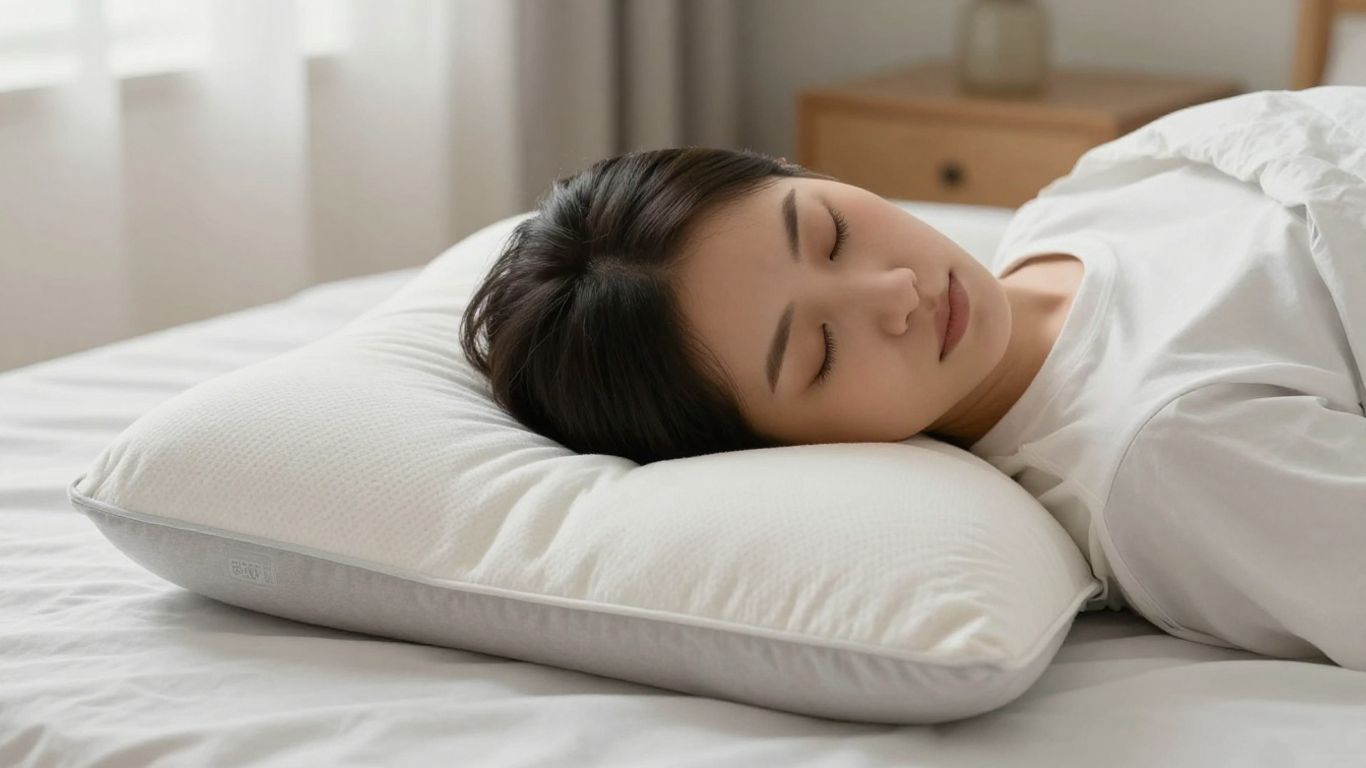
Waking up with a stiff neck feels like the worst way to start the day, doesn’t it? It’s like your neck is just screaming at you. So many things can cause this, from staring at screens all day to just sleeping funny. But what if a simple change, like getting the right pillow, could actually help? We’re talking about a cervical neck pillow, a special kind of pillow designed to give your neck the support it needs. In this guide, we’ll break down what makes a cervical neck pillow work, how to pick one that fits you, and what to watch out for so you can finally get some decent sleep without that nagging ache.
Key Takeaways
- A cervical neck pillow aims to keep your head, neck, and spine in a straight line while you sleep, which can help reduce pain and stiffness.
- The best cervical neck pillow for you depends on how you sleep (side, back, or stomach), your body size, and what feels comfortable.
- Look for the right height (loft) and firmness. Too high or too soft can make neck pain worse, not better.
- Materials like memory foam and latex are common because they offer good support, but personal preference matters.
- Don’t expect a pillow to fix serious or long-term neck issues; if pain persists, see a doctor or physical therapist.
Understanding Cervical Neck Pillow Benefits
So, you’re thinking about getting a cervical neck pillow, huh? Maybe you’ve been waking up with that familiar stiffness, or perhaps a nagging ache has become your constant companion. It’s easy to overlook how much our sleep posture affects our well-being, but the truth is, the way you support your neck at night can make a huge difference. A good cervical pillow isn’t just about comfort; it’s about actively helping your body heal and rest properly.
The Essential Role of Cervical Support
Your cervical spine, that’s the fancy term for your neck, has a natural inward curve. Think of it like a gentle C-shape. This curve is super important. It acts like a shock absorber for your spine and helps distribute pressure evenly. When you sleep, if your pillow isn’t supporting this curve correctly, your neck muscles have to work overtime to compensate. This can lead to all sorts of problems, from pain to headaches. Proper cervical support during sleep helps maintain this natural alignment, allowing your neck structures to relax and recover. It’s like giving your neck a much-needed break after a long day of holding up your head.
Alleviating Chronic Neck Aches
If you’ve been dealing with persistent neck pain, you know how much it can impact your daily life. Standard pillows often fall short because they don’t provide the specific kind of support needed to correct poor sleeping posture. Cervical pillows, with their unique shapes and designs, are engineered to cradle your neck and promote that healthy alignment. By reducing strain on your muscles and ligaments, they can significantly cut down on that chronic ache. Some studies even suggest that consistent use can lead to better neck pain intensity and functional disability.
Supporting Recovery from Injuries
Injuries, whether from an accident or overuse, can leave your neck feeling vulnerable. During the healing process, providing the right support is key. A cervical pillow can help by keeping your neck in a neutral position, preventing movements that might aggravate an injury. It encourages proper healing by reducing stress on the affected areas. This kind of targeted support can be a game-changer for anyone on the road to recovery, helping to get you back to feeling like yourself sooner. It’s about creating an environment where your body can focus on healing without added strain.
The way you sleep matters more than you might think. A pillow that seems fine might actually be contributing to your discomfort by forcing your neck into an unnatural position for hours on end. Paying attention to how your neck feels when you wake up is the first step to finding a solution.
Key Features of an Effective Cervical Neck Pillow
So, you’re on the hunt for a pillow that actually helps your neck instead of making it worse. It’s not as simple as just grabbing the first fluffy thing you see. There are a few things that really make a difference when it comes to cervical neck pillows.
Optimal Loft for Spinal Alignment
Loft is basically the height of the pillow when it’s doing its job, supporting your head and neck. Think of it like this: too much height pushes your chin down towards your chest, which isn’t great for your neck’s natural curve. On the flip side, a pillow that’s too flat lets your head drop too far back, straining things in a different way. The sweet spot depends a lot on how you sleep. Side sleepers usually need a higher loft to fill that space between their shoulder and ear, keeping the head level. Back sleepers typically do better with a medium loft that supports the neck without pushing the chin up. If you’re a stomach sleeper, you’ll want the lowest loft possible, or maybe even no pillow at all.
Choosing the Right Firmness and Support
This is where a lot of people go wrong. You might think a super soft pillow is the most comfortable, but it might just sink completely under the weight of your head, offering zero actual support. What you really want is a pillow that gives consistent resistance all night long. It should feel supportive without being hard as a rock. Materials like memory foam and latex are known for holding their shape well, which is a big plus. Pillows filled with down or down alternatives can be nice, but they tend to flatten out over several hours, especially if they don’t have a lot of filling.
A pillow that feels luxurious in-store might offer inadequate support over a full night. Comfort and support are both necessary.
Evaluating Fill Materials for Comfort
Different fillings give you a different feel and level of support. Memory foam is popular because it molds to your shape, offering good pressure relief. Latex is similar but often feels a bit more responsive and breathable. Down alternative, like polyester fiberfill, is usually more affordable and hypoallergenic, but the support can really vary depending on how much is in there and how it’s constructed. Some pillows even use a mix of materials, like shredded memory foam, which can offer a good balance of contouring and breathability. It’s worth looking into what’s inside to see if it matches what you’re looking for in terms of feel and how long it will keep its shape. For example, the Dosaze contoured orthopedic pillow uses cooling memory foam, which is a nice touch for those who tend to overheat. The Tempur-Pedic Tempur-Neck Pillow is also a well-regarded option known for its pressure-relieving foam.
Selecting a Cervical Neck Pillow by Sleep Position
So, you’ve got your eye on a cervical neck pillow, which is a smart move if you’re dealing with neck discomfort. But here’s the thing: not all pillows are created equal, and what works for one person might be a total miss for another. A big part of finding the right fit comes down to how you actually sleep. It sounds simple, but your preferred position really dictates the kind of support your neck needs.
Ideal Cervical Neck Pillow for Side Sleepers
If you’re a side sleeper, you’re in good company – it’s a pretty common way to catch some Z’s. The main goal here is to fill that space between your ear and your shoulder. You want a pillow that keeps your head and neck in a straight line with your spine, not tilted up or down. This usually means you’ll need a pillow with a bit more height, often called loft. Think of it like this: if your pillow is too flat, your head drops, and if it’s too high, it’s pushed up. Both can lead to that familiar morning stiffness. A medium-firm pillow made from materials like shredded memory foam or latex can be a good bet because they offer consistent support and won’t just flatten out completely overnight. Some pillows are specifically designed with side sleepers in mind, offering a higher loft to accommodate broader shoulders. You might find that a pillow with a bit of a curve or contour works well, cradling your neck just right.
Best Cervical Neck Pillow Options for Back Sleepers
Back sleepers, listen up! Your position is often considered the best for spinal alignment, but it still needs the right pillow support. For you, the focus is on maintaining that natural inward curve of your neck, known as the cervical lordosis. You don’t want a pillow that’s too thick, because that can push your chin down towards your chest, which isn’t great for your neck or your breathing. On the flip side, a pillow that’s too thin won’t provide enough support. Many back sleepers find that a pillow with a gentle contour or a slight dip in the middle works wonders. This shape helps cradle your head while providing a bit of lift for your neck. Some specialized cervical pillows are designed with a raised edge that supports the neck and a lower center for the head. Look for medium loft and a firmness that keeps its shape throughout the night. A pillow that compresses too much will lose its supportive qualities.
Cervical Neck Pillow Considerations for Stomach Sleepers
Okay, stomach sleeping. It’s not exactly the chiropractor’s favorite position, and honestly, it can be tough on your neck. When you sleep on your stomach, your head is usually turned to one side for hours, which puts a lot of strain on your neck and spine. If you absolutely can’t break the habit, the best approach is to use the thinnest pillow possible, or sometimes, no pillow at all. The idea is to keep your head as level with your spine as you can. Some pillows are made with an ultra-slim profile specifically for stomach sleepers. You might even find options where you can adjust the height, allowing you to dial in that super-low loft. If you’re trying to transition away from stomach sleeping, a body pillow can sometimes help you find a more comfortable side-sleeping position.
It’s worth noting that your body might take a little time to get used to a new pillow, even one that seems perfect. Give it a couple of weeks to see how you feel in the mornings. If you’re still waking up with pain after that adjustment period, it might be time to reconsider the loft or firmness for your specific sleep style.
Exploring Different Cervical Neck Pillow Designs
When you’re on the hunt for a pillow that actually helps your neck pain, you’ll notice there isn’t just one ‘type’ of pillow. They come in all sorts of shapes and sizes, and each design aims to do something a little different for your neck and spine. It’s not just about how soft it is; the shape plays a big role in how it supports you.
The Advantages of Contour Cervical Pillows
Contour pillows, often called orthopedic pillows, are pretty popular for neck pain. They usually have a dip in the middle for your head and a raised edge that cradles your neck. This design is meant to keep your head and neck in a more natural alignment, especially if you sleep on your back. The goal is to support the natural curve of your cervical spine. They can be really helpful for people who tend to toss and turn less and want consistent support throughout the night. If you’re looking for something specifically designed to cradle your neck, a contour pillow might be the way to go. Some people find these particularly good for alleviating chronic neck aches.
Understanding Cervical Roll Pillow Functionality
A cervical roll pillow is basically a cylindrical bolster. You can use it in a few ways. Some people place it under their neck while using a regular pillow to add extra support to that natural curve. Others might use it on its own, especially if they sleep on their back and want targeted support right at the base of their neck. It’s a simpler design, but it can be quite effective for adding that specific bit of lift and support where you need it most. It’s a versatile option if you want to customize your existing pillow setup.
Traditional vs. Specialized Cervical Pillow Shapes
Most of us grew up with a standard rectangular pillow. These are fine for many people, but they don’t always offer the specific support needed for neck pain. Specialized shapes, like the contour or roll pillows we just talked about, are designed with neck alignment in mind. Then there are other variations, like pillows with cutouts for your shoulders or those with adjustable inserts. The key is finding a shape that fits your body and your primary sleep position. It’s not about following trends; it’s about what works for your body.
Here’s a quick look at how different shapes might help:
- Contour Pillows: Best for back sleepers, offering a defined cradle for the head and neck.
- Cervical Rolls: Good for adding targeted support under the neck, usable with other pillows or alone.
- Standard Rectangular Pillows: Most common, but often lack specific cervical support unless designed with internal structures.
- Adjustable Pillows: Allow you to customize loft and firmness, catering to individual needs.
Choosing the right pillow shape is about more than just aesthetics; it’s about biomechanics. The way a pillow is designed directly impacts how your head and neck are positioned relative to your spine. A shape that promotes neutral alignment can prevent strain and discomfort, while a poorly chosen shape can exacerbate existing issues.
When you’re trying to figure out what shape might be best, think about how you naturally sleep. Do you always end up on your back? Do you roll around a lot? Answering these questions can point you toward a more specialized design that might offer better relief than a generic pillow. For instance, if you’re a dedicated back sleeper, a pillow like the Tempur-Pedic Tempur-Cloud might offer the contouring support you need.
Materials Commonly Found in Cervical Neck Pillows
When you’re looking for a pillow to help with neck pain, the stuff it’s made of really matters. It’s not just about how soft it feels when you first touch it; it’s about how it holds up and supports your neck all night long. Different materials offer different kinds of comfort and support, so knowing what’s inside can help you pick the right one.
Memory Foam Cervical Neck Pillow Properties
Memory foam is super popular for a reason. It’s known for its ability to mold to your shape. When you lay your head down, it kind of hugs your neck and head, filling in those spaces. This can be really good for keeping your spine in a neutral line. There are two main types: solid and shredded. Solid memory foam offers a consistent feel, while shredded memory foam is often more breathable and can be adjusted by adding or removing filling. The main thing to remember with memory foam is that it offers great support but can sometimes trap heat. If you tend to sleep hot, look for options that advertise cooling features or are made with shredded foam.
Latex Cervical Neck Pillow Benefits
Latex is another great option, often made from rubber tree sap. It’s known for being responsive, meaning it bounces back quickly after you put pressure on it. This gives a feeling of support without feeling like you’re sinking in too deep. Latex pillows tend to sleep cooler than traditional memory foam, which is a big plus for many people. They’re also quite durable. You can find them in solid or shredded forms, similar to memory foam. If you move around a lot in your sleep, the responsive nature of latex can be a good fit because it keeps up with your movements.
Down Alternative and Other Fillings
Down alternative, often made from polyester fibers, is a common and usually more affordable choice. It can be very soft and moldable, giving you that plush feel some people love. However, the support level can vary a lot depending on how much filling is used and how it’s constructed. Sometimes, these pillows can flatten out over the course of the night, which isn’t ideal if you need consistent neck support. Other materials you might see include buckwheat hulls, which are very firm and breathable, or even kapok, a plant-based fiber that’s soft and hypoallergenic. Each has its own pros and cons, so it’s worth considering what kind of feel and support you’re after. For example, buckwheat pillows are known for being quite firm and offering good support, but they can also be noisy and heavy.
Choosing the right material is a big step toward better sleep. It’s about finding that balance between comfort that lets you relax and support that keeps your neck and spine happy all night.
Common Pitfalls When Choosing a Cervical Neck Pillow

Alright, let’s talk about the stuff that can go wrong when you’re on the hunt for that perfect neck pillow. It’s easy to get excited and make a few missteps that end up costing you comfort and, well, more neck pain. We’ve all been there, right?
The Danger of Prioritizing Softness Over Support
This is a big one. You walk into a store, or you’re scrolling online, and you see a pillow that just feels like a cloud. Super soft, squishy, luxurious. It feels amazing for about thirty seconds. But here’s the thing: your neck needs support, not just a place to sink into. A pillow that’s too soft will let your head drop, throwing your spine out of alignment. Think about it – your head weighs a good chunk of change, like 12 pounds on average. A pillow that can’t handle that weight isn’t doing your neck any favors. You need something that cradles your neck and keeps it in a neutral position, not something that lets it just flop around. It’s about finding that sweet spot between comfort and actual structural support.
Why Generic Pillows Fail for Neck Pain
So, you grab whatever pillow is lying around, or maybe just a standard rectangular one that looks okay. The problem is, neck pain is usually pretty specific to you. Your shoulder width, how you sleep (side, back, stomach – though stomach sleeping is rough on the neck), and your body’s natural curves all play a role. A one-size-fits-all pillow just isn’t going to cut it. It might be too high, too flat, or just not shaped right to fill that gap between your neck and the mattress. For example, side sleepers often need a thicker pillow to keep their head level, while back sleepers need something that supports the natural curve of their neck without pushing their chin forward. Trying to find a pillow that works for everyone is like trying to find one shoe size that fits all feet – it just doesn’t happen.
Ignoring Your Unique Sleep Needs
This ties into the last point, but it’s worth hammering home. You really need to think about how you sleep. Are you a restless sleeper who flips around all night? Do you tend to stay in one position? What’s your body weight like? Even your mattress can affect how your pillow works. If your mattress sags, it changes your sleeping posture, and your pillow has to compensate differently. It’s not just about picking a pillow; it’s about picking the right pillow for your specific situation. If you’re unsure, taking a sleep quiz can be a good starting point to figure out what might work best for your body and sleep habits. Don’t just buy the first pillow you see; take a moment to consider what your body actually needs to feel rested and pain-free.
How to Properly Test and Adjust to a New Cervical Neck Pillow
So, you’ve picked out what seems like the perfect cervical neck pillow. That’s great! But before you declare victory over neck pain, there’s a little more to it. Your body needs time to get used to this new support system. It’s not like slipping on a new pair of shoes; your neck muscles and spine have gotten used to their old routine, and they’ll need a bit of coaxing to embrace a healthier alignment.
The Importance of a Break-In Period
Think of this as a gentle introduction. Your body needs at least two to three weeks to truly adjust to a new pillow. During this time, your neck muscles and ligaments are essentially retraining themselves to rest in a more natural position. It’s not uncommon to feel a little odd or even slightly stiff at first. This is usually a sign that the pillow is doing its job, encouraging a better posture. Trying to judge the pillow after just a night or two is like tasting a complex dish after only one bite – you’re not getting the full picture.
Monitoring Morning Discomfort Levels
Pay close attention to how you feel when you first wake up. This is your prime indicator. Keep a mental note, or even jot it down, about:
- Neck Stiffness: Is it better, worse, or the same compared to your old pillow?
- Shoulder Tension: Do you feel more or less tightness in your shoulders?
- Headache Frequency: Have tension headaches decreased or increased?
- Overall Comfort: Do you feel more rested or more achy?
If you notice incremental improvements over the adjustment period, that’s a good sign. If things are consistently getting worse, or if you experience sharp pain, it might be time to reconsider. Sometimes, a pillow that looks good on paper just doesn’t work for your unique body.
When to Re-evaluate Your Cervical Pillow Choice
After that initial break-in period, if you’re still waking up with significant pain, stiffness that doesn’t ease up quickly, or new aches, it’s time to take a closer look. It could be that the loft is off, the firmness isn’t quite right for your sleep position, or the fill material just isn’t providing the support you need. Don’t be afraid to try a different option if the first one isn’t a winner. Finding the right pillow is often a process of elimination. If you’re struggling to find relief, consider taking a sleep quiz to help narrow down your options based on your specific needs.
It’s easy to get discouraged if the first pillow you try doesn’t magically fix everything. Remember that consistency is key, but also listen to your body. Persistent discomfort after a reasonable adjustment period means the pillow isn’t the right fit, and that’s okay. The goal is to find a pillow that actively helps your neck health, not one that causes more problems.
When to Seek Professional Advice for Neck Pain

So, you’ve tried a new pillow, maybe even a few, and you’re still waking up with that familiar stiffness or a nagging ache. It’s frustrating, right? While a good cervical pillow can make a world of difference for everyday tension, it’s not a magic bullet for every kind of neck discomfort. Sometimes, what feels like a simple pillow problem is actually a sign of something more that needs a doctor’s attention.
Recognizing When a Pillow Isn’t Enough
If your neck pain is severe, doesn’t ease up after a few weeks of consistent pillow use, or if it’s accompanied by other weird symptoms, it’s time to think beyond your bedding. Persistent pain that interferes with your daily life, or pain that radiates down your arms, could indicate a more complex issue. Also, if your pain started after a specific injury, like a fall or a car accident, don’t just hope a pillow will fix it. That kind of pain needs a proper medical assessment.
Consulting Healthcare Providers for Persistent Pain
Don’t hesitate to make an appointment with your doctor if your neck pain is sticking around. They can help figure out what’s really going on. Sometimes, they might refer you to a specialist, like an orthopedist, who can take a closer look at your spine and joints. They’ll ask about your symptoms, how long you’ve had the pain, and what makes it better or worse. This professional evaluation is key to getting the right treatment plan.
Integrating Pillow Use with Overall Neck Health
Think of your cervical pillow as one piece of a larger puzzle when it comes to keeping your neck happy. It works best when combined with other good habits. This might include simple stretches you can do during the day, managing stress, and making sure your workspace is set up ergonomically. If you’re a side sleeper, ensuring your pillow has enough loft to fill the gap between your head and shoulder is important for alignment, much like finding the right cooling pillow is for hot sleepers. A pillow is a support tool, not a cure-all, so pairing it with a holistic approach to your neck’s well-being is the smartest move.
Here are a few signs that it’s time to see a professional:
- Pain that lasts for more than a few weeks without improvement.
- Pain accompanied by numbness, tingling, or weakness in your arms or hands.
- Pain that started suddenly after an injury.
- Stiffness that severely limits your range of motion.
- Pain that gets worse at night or wakes you up.
While a supportive pillow can significantly improve comfort and alleviate minor aches, it’s important to remember that it’s a tool for support, not a medical treatment. If your pain is persistent, severe, or accompanied by other concerning symptoms, professional medical advice is necessary to address the underlying cause and ensure proper recovery.
Maintaining Your Cervical Neck Pillow
So, you’ve found the perfect cervical neck pillow, and it’s been a game-changer for your neck pain. That’s awesome! But like any good tool, it needs a little care to keep doing its job well. Think of it like taking care of your favorite comfy sweater – you wouldn’t just toss it in the wash with everything else, right? Your pillow deserves a bit more attention to make sure it stays supportive and hygienic for a long time.
Cleaning Guidelines for Cervical Pillows
Most cervical pillows aren’t meant to be thrown in the washing machine. Usually, the inner core is made of materials like memory foam or latex, which can get damaged by water and agitation. So, what’s the best way to clean it? Start by checking the care tag, if your pillow has one. Often, the pillowcase is removable and machine washable. That’s your first line of defense for keeping things fresh.
For the pillow itself, a gentle spot clean is usually the way to go. You can use a mild soap mixed with water and a clean cloth to wipe down any spills or marks. Just make sure not to soak the material. After wiping, let it air dry completely. It’s a good idea to do this in a well-ventilated area, maybe near an open window, but out of direct, harsh sunlight which can sometimes degrade the materials over time. Some people also like to use a vacuum cleaner with an upholstery attachment to gently remove dust and debris from the surface. This is a simple way to keep it clean without getting it wet.
Knowing When to Replace Your Cervical Neck Pillow
Even with the best care, pillows don’t last forever. They gradually lose their shape and support, which is exactly what you paid for in the first place. If you notice your pillow isn’t springing back like it used to, or if it feels flatter and less supportive, it’s probably time for a new one.
Here are some signs that your pillow might be past its prime:
- Visible Wear and Tear: Look for thinning material, persistent lumps, or tears in the fabric.
- Loss of Loft and Support: The pillow no longer holds its shape or provides the same level of neck alignment it used to.
- Persistent Odors: Even after cleaning, if the pillow retains unpleasant smells, it might be time to let it go.
- Waking Up with More Pain: If you start experiencing increased neck or shoulder discomfort after months of relief, your pillow might be the culprit.
Most experts suggest replacing your cervical pillow every 18 months to three years, depending on the material and how much you use it. It might seem like a hassle, but investing in a new pillow when needed is part of maintaining your neck health and ensuring you continue to get that pain relief. It’s a small price to pay for comfortable, pain-free sleep. If you’re unsure, consider how your sleep has been lately; if it’s gotten worse, it might be time to look into proper pillow care and potentially a replacement.
Taking care of your cervical pillow is more than just keeping it clean; it’s about preserving its therapeutic properties. A well-maintained pillow continues to offer the specific support your neck needs, preventing the return of pain and discomfort that you worked so hard to alleviate. Don’t underestimate the impact of a worn-out pillow on your spinal alignment and overall sleep quality.
So, What’s the Takeaway?
Finding the right pillow for neck pain isn’t some magic bullet, but it’s definitely a big step towards feeling better. Remember, it’s all about what works for you – your sleep style, your body, and what feels comfortable. We’ve looked at a bunch of options, from those that cradle your head just right to ones that keep your neck perfectly aligned. Don’t forget to give any new pillow a couple of weeks to really see if it’s making a difference. If your pain sticks around or gets worse, it’s always a good idea to chat with a doctor. But for most of us dealing with everyday aches, the right pillow can seriously change your mornings for the better. Sweet dreams and pain-free mornings ahead!
Frequently Asked Questions
What exactly is a cervical neck pillow?
A cervical neck pillow is a special kind of pillow made to give your neck extra support. It’s designed to help keep your neck and spine lined up correctly while you sleep, which can help ease pain and stiffness.
How can a cervical pillow help with neck pain?
When your neck isn’t lined up right during sleep, your muscles can get strained, causing pain. A cervical pillow helps keep your neck in a natural, straight position, letting your muscles relax and reducing that achy feeling when you wake up.
Do I need a special pillow if I sleep on my side?
Yes, side sleepers often need a taller, firmer pillow. This helps fill the space between your shoulder and head, keeping your neck straight and preventing it from bending too much.
What if I sleep on my back?
Back sleepers usually do best with a pillow that has a bit of a dip in the middle and a raised edge to support the curve of your neck. It shouldn’t be too thick, or it might push your chin down towards your chest.
Are memory foam pillows good for neck pain?
Memory foam is a popular choice because it’s firm and molds to your shape, offering good support. It can be great for neck pain, but some people find it sleeps a bit hot. There are also other materials like latex that work well.
How long should I try a new neck pillow before deciding if it works?
Give your new pillow a chance! Your body needs about two to three weeks to get used to the different support. Pay attention to how you feel when you wake up – if the pain is getting better, stick with it.
When should I see a doctor about my neck pain?
If your neck pain is really bad, doesn’t get better after trying a new pillow, or if you have numbness or tingling in your arms, it’s time to see a doctor. A pillow can help, but it’s not a cure for serious problems.
Can I just wash any cervical pillow?
Always check the care instructions first! Some pillows can be machine washed, while others might only have a removable cover you can clean. Some materials, like memory foam, usually can’t be washed at all.