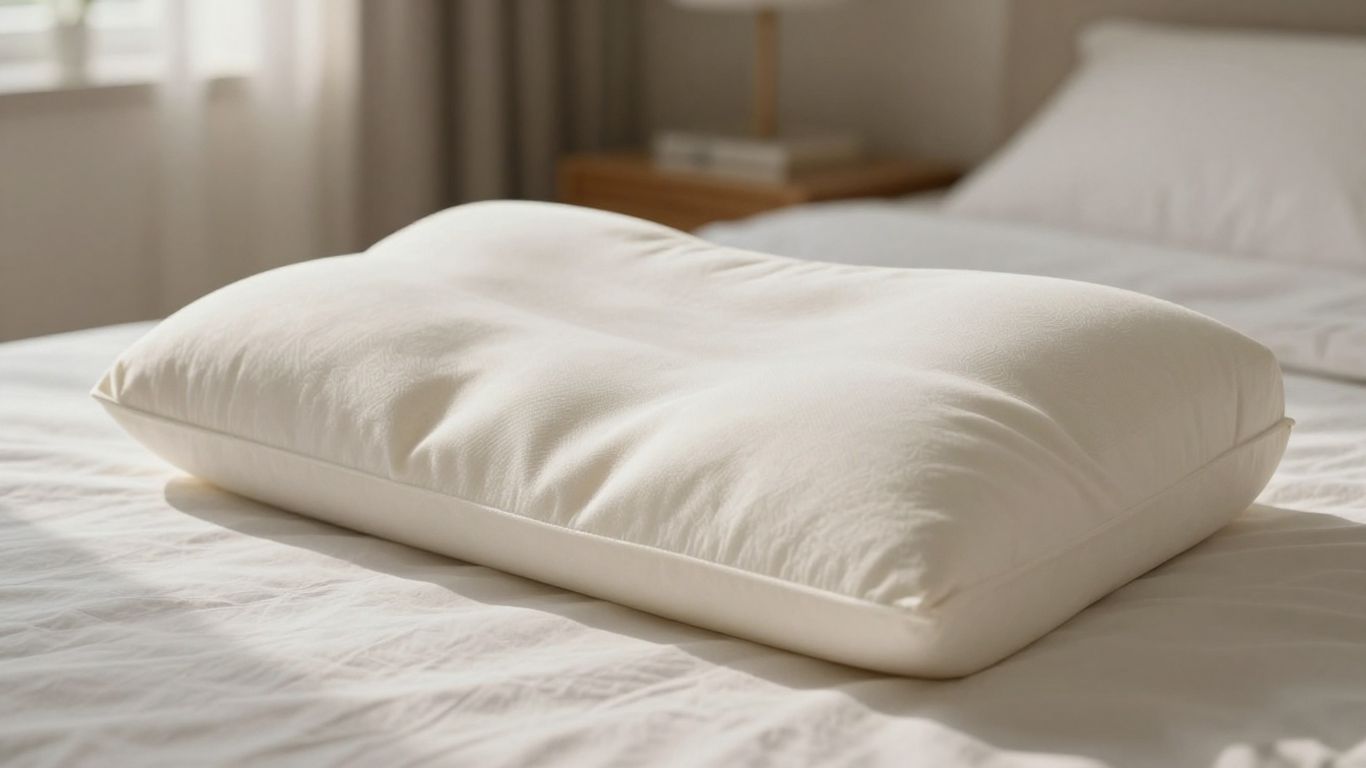
Finding the right pillow can feel like a quest, especially with all the options out there. If you’ve been curious about memory foam pillows, you’re in the right place. They’ve become super popular, and for good reason. They can really change how you sleep, offering support and comfort that’s hard to beat. But not all memory foam pillows are the same, and picking the best one for you means looking at a few things. Let’s break down what makes a good memory foam pillow and how to choose one that fits your sleep style perfectly.
Key Takeaways
- Memory foam pillows contour to your body, offering personalized support and pressure relief, which can be great for neck and head comfort.
- The type of memory foam matters; solid foam offers consistent support, while shredded foam allows for adjustability and better airflow.
- Your preferred sleeping position is a big factor: side sleepers often need firmer, higher pillows, back sleepers do well with medium loft, and stomach sleepers usually need thinner options.
- Look for features like cooling technologies (gel infusions, breathable covers) if you tend to sleep hot, as traditional memory foam can trap heat.
- When buying, check trial periods and warranties, and read reviews to get a sense of real-world comfort and durability for memory foam pillows.
Understanding Memory Foam Pillows
What Is Memory Foam?
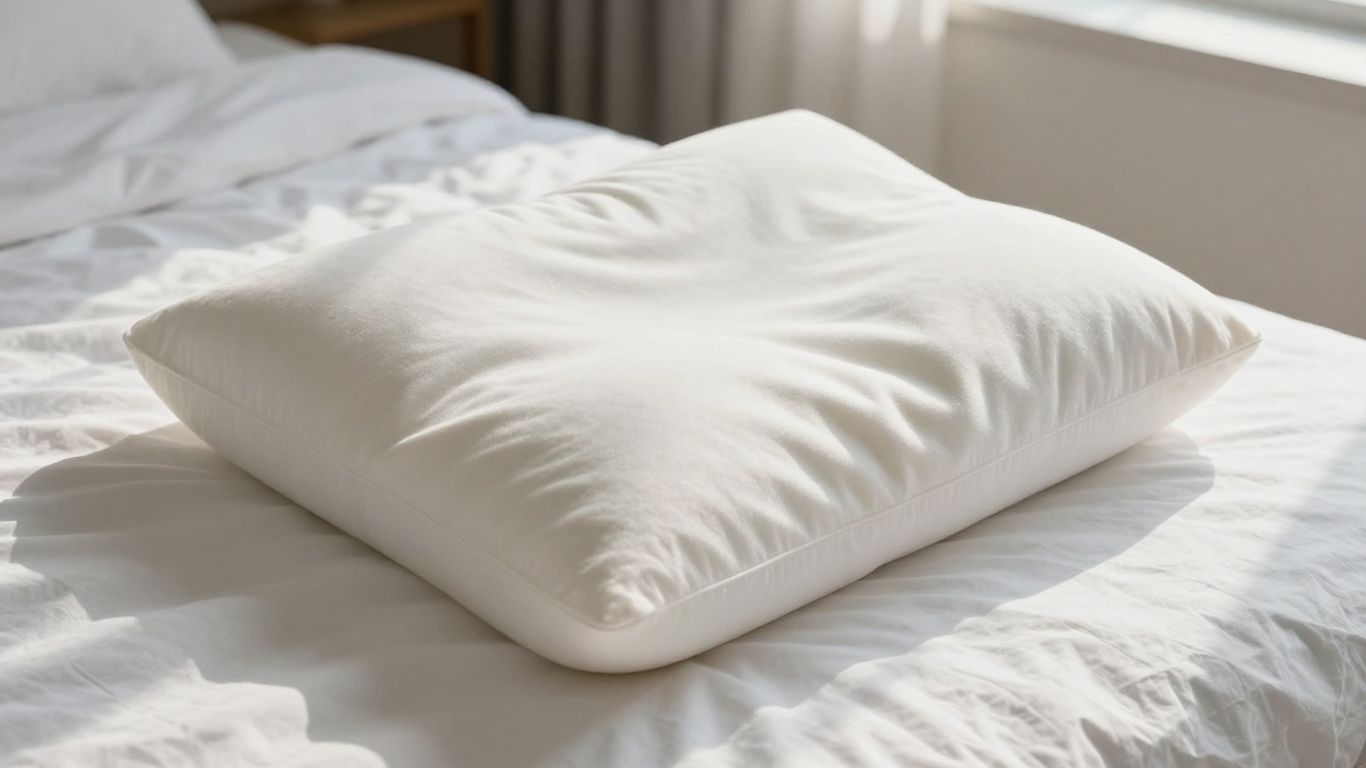
Memory foam, also known as viscoelastic foam, is a material that reacts to heat and pressure. When you put your head on it, it softens and molds to your shape, creating a personalized cradle. Once you lift your head, it slowly springs back to its original form. This unique property makes it great for pillows because it can really conform to your head and neck.
Benefits of Memory Foam Pillows
Memory foam pillows are popular for a few good reasons. They offer fantastic support, adapting to your unique shape to relieve pressure points. This can be a game-changer for neck pain and headaches. Plus, they don’t make much noise when you move, which is nice if you share a bed. They’re also generally resistant to dust mites and allergens, which is a plus for many people. The close-conforming nature of memory foam provides unparalleled pressure relief and support.
Here are some of the main advantages:
- Pressure Relief: Molds to your body to reduce pressure points.
- Support: Maintains shape to keep your spine aligned.
- Quiet: Absorbs movement, so no more rustling.
- Hypoallergenic: Resists dust mites and allergens.
Solid Versus Shredded Memory Foam
When you’re looking at memory foam pillows, you’ll notice they come in two main styles: solid and shredded. Solid memory foam is a single block, often shaped to fit the contours of your head and neck. It offers a consistent feel and a slower response to pressure. Shredded memory foam, on the other hand, is made up of small pieces of foam. This type can be more breathable and adjustable, as you can often add or remove filling to get the right loft and firmness. Some shredded pillows even mix memory foam with other materials for a different feel.
Choosing between solid and shredded memory foam often comes down to personal preference and what kind of support you need. Solid foam offers a more uniform feel, while shredded foam allows for greater customization and airflow.
Choosing The Right Memory Foam Pillow For Your Sleep Position
So, you’ve decided a memory foam pillow might be your ticket to better sleep. That’s great! But before you just grab the first one you see, let’s talk about how you actually sleep. Your go-to position is a pretty big deal when it comes to picking the right pillow, and memory foam offers some specific advantages depending on whether you’re a side, back, or stomach sleeper.
If you spend your nights curled up on your side, you’re in good company. It’s a super common position. For side sleepers, the goal is to keep your head and neck aligned with your spine. This means you generally need a pillow with a bit more height, often called loft. Think of it like this: if your pillow is too flat, your head will droop down, putting strain on your neck. Too high, and your head gets pushed up awkwardly. Memory foam is great here because it can offer that firm support needed to keep your head from sinking too much, while still contouring to your head and neck.
- Look for a higher loft: This helps fill the gap between your shoulder and your head.
- Consider firmness: A firmer pillow is usually better to prevent your head from sinking too low.
- Check for shoulder relief: Some pillows have a slightly wider base or a contour to better accommodate your shoulder.
Back sleepers, listen up! This position is often considered good for spinal alignment, and your pillow plays a key role in keeping that alignment going. For you, a pillow that’s too high can push your head too far forward, while one that’s too flat might not support the natural curve of your neck. Memory foam’s ability to mold to your shape is a real plus here. It can cradle the back of your head and provide gentle support for your neck without forcing it into an unnatural position. Choosing the right pillow is key for this.
- Medium loft is usually the sweet spot: Not too high, not too low.
- Medium firmness works well: It supports your head without pushing it up.
- Contoured shapes can be beneficial: These often have a dip for your head and a raised edge for your neck.
Okay, stomach sleeping. It’s not always the best for your neck, but hey, we all have our preferences! If you sleep on your stomach, you’re probably turning your head to one side, which can put a lot of stress on your neck and spine. The biggest challenge with memory foam for stomach sleepers is that it can be quite thick and firm, which is the opposite of what you need. You want a pillow that’s as thin as possible to keep your head from being angled upwards too much. Some shredded memory foam pillows can be adjusted to be much flatter, which might be a better bet. If you’re set on a solid memory foam pillow, look for the thinnest, softest option you can find.
Stomach sleepers often need a very thin pillow, or sometimes no pillow at all under their head, to keep their neck from being strained. If you do use a pillow, make sure it allows your head to rest in a neutral position relative to your spine.
- Prioritize thinness: The flatter, the better.
- Consider shredded memory foam: You can often remove filling to make it thinner.
- Look for softer options: Avoid overly firm pillows that will prop your head up too high.
Key Factors When Selecting Memory Foam Pillows
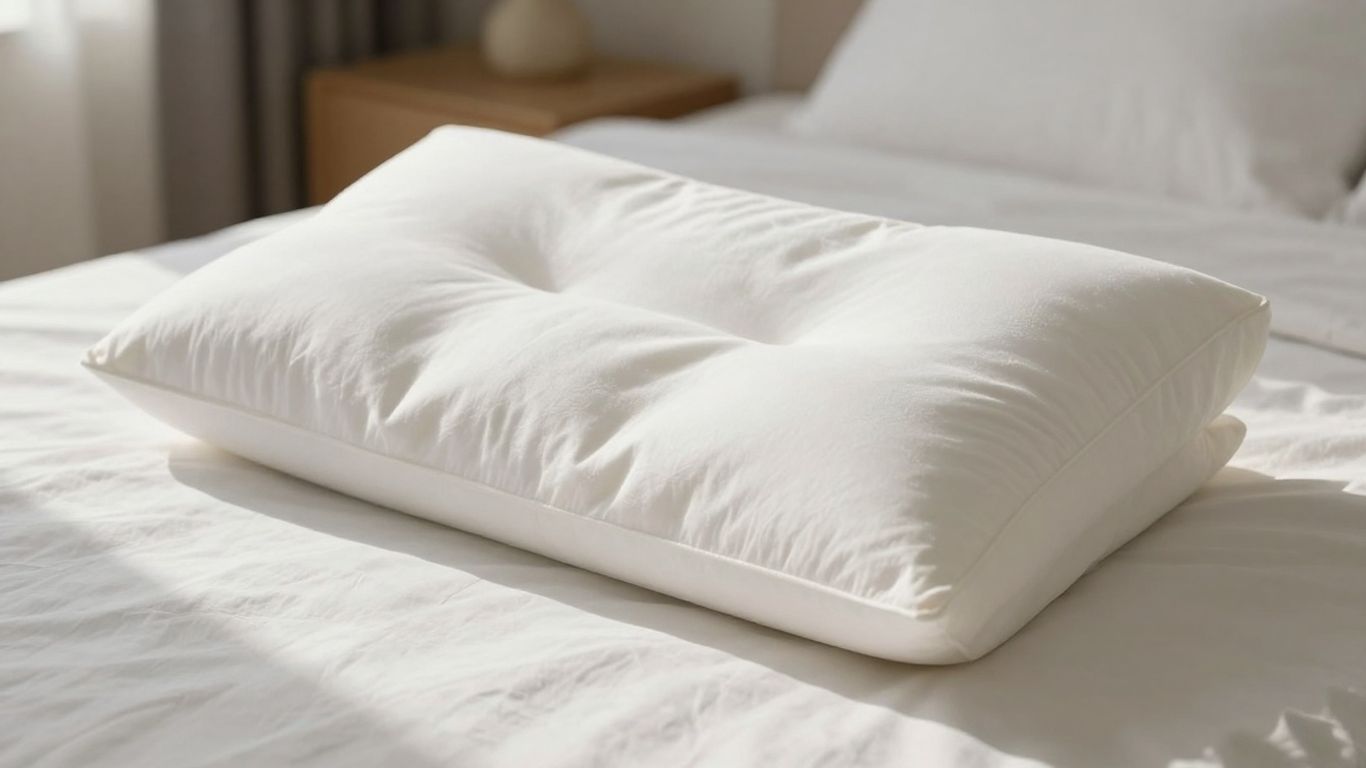
Picking the right memory foam pillow isn’t just about grabbing the first one you see. There are a few things to really think about to make sure you get a pillow that actually helps you sleep better, not worse. It’s like choosing the right tool for a job; you need the one that fits your needs.
Understanding Pillow Loft and Height
Loft is basically how tall your pillow is. This is super important because it needs to keep your head and neck lined up with your spine. If you sleep on your side, you’ll probably need a taller pillow to fill that gap between your head and the mattress. Back sleepers usually do well with a medium height, and stomach sleepers often need a really low pillow, sometimes almost flat, to avoid craning their neck. Getting this wrong can lead to neck pain, and nobody wants that.
Here’s a quick rundown:
- Side Sleepers: Need a higher loft (think 6 inches or more) to keep the head level with the shoulders.
- Back Sleepers: A medium loft (around 4-5 inches) is often ideal for supporting the natural curve of the neck.
- Stomach Sleepers: Require a low loft (3 inches or less) to prevent neck strain.
Assessing Firmness Levels For Optimal Comfort
Memory foam comes in different firmness levels. Some people like to sink way into their pillow, feeling completely cradled. Others prefer something that feels more supportive, where their head doesn’t sink too deeply. The firmness you choose should complement your sleeping position and personal preference. A pillow that’s too soft might let your head drop too low, while one that’s too firm could create pressure points. It’s a balance between feeling plush and getting proper support. You want a pillow that feels good the moment you lay down and continues to feel good all night long.
Finding the right firmness is a personal journey. What feels perfect to one person might be too hard or too soft for another. Don’t be afraid to experiment a little if you can, or at least read reviews from people with similar sleep preferences.
Evaluating Durability and Density
When you’re looking at memory foam pillows, you’ll often see terms like density and durability mentioned. Density usually refers to how much material is packed into a certain space. Higher density foam generally means a more durable pillow that will hold its shape longer. It also tends to offer better support. Lower density foam might feel softer initially but could break down faster. Think about how long you want your pillow to last and how much support you need. A pillow that loses its shape after a few months isn’t a great deal, no matter how cheap it was. Looking for quality materials can make a big difference in the long run.
Addressing Common Memory Foam Pillow Concerns
Memory foam pillows are pretty great for support and comfort, but let’s be real, they aren’t perfect. Sometimes they can get a little too warm, and that new pillow smell can be a bit much at first. Plus, if you’ve got allergies, you might wonder if they’re a good fit. We’ll break down these common worries so you can make an informed choice.
Cooling Technologies For Hot Sleepers
Memory foam is known for trapping heat, which isn’t ideal when you’re trying to get a good night’s sleep. Thankfully, manufacturers have come up with some clever ways to combat this. Gel infusions are a popular choice; the gel beads are mixed into the foam or layered on top, and they help draw heat away from your head and neck. Another method is to create perforations, or small holes, throughout the foam. This allows air to circulate, preventing heat from building up. Some pillows also use special covers made from breathable materials like bamboo or Tencel, which can further help with temperature regulation. If you tend to sleep hot, looking for these cooling features is a must.
Managing Memory Foam Odors (Off-Gassing)
When you first unbox a memory foam pillow, you might notice a distinct smell. This is called off-gassing, and it’s caused by volatile organic compounds (VOCs) released from the foam. It’s totally normal and usually fades within a few days to a week. To speed things up, just unwrap the pillow and let it air out in a well-ventilated room for 24-48 hours before you use it. You can also try placing it near an open window. Most reputable brands use low-VOC foams, so the smell shouldn’t be overpowering or last too long. If you’re particularly sensitive, check product descriptions for certifications like CertiPUR-US, which means the foam has been tested for harmful substances.
Hypoallergenic Properties Of Memory Foam
Memory foam itself is naturally resistant to common allergens like dust mites and mold. This is because its dense structure doesn’t provide the kind of environment these little critters like to live in. This makes memory foam a good option for people who suffer from allergies or asthma. However, it’s worth noting that some individuals might have sensitivities to the chemicals used in the manufacturing process of the foam itself. If you have a history of chemical sensitivities or skin reactions, it’s always a good idea to check the materials list and look for hypoallergenic pillow certifications if possible. Regular cleaning of the pillowcase is also key to keeping allergens at bay.
Exploring Different Types Of Memory Foam Pillows
Memory foam pillows aren’t all cut from the same cloth, or rather, the same foam block. You’ve got a few main categories to consider, and each one offers a slightly different sleep experience. Understanding these differences can really help you zero in on what’s going to work best for your specific needs.
Adjustable Memory Foam Pillow Options
These are pretty neat because they let you customize the pillow’s height and firmness. Usually, they come with a bag of shredded memory foam, and you can add or remove filling to get it just right. It’s like having a pillow that can change with you, whether you’re feeling a bit more neck support one night or want something softer the next. This makes them super versatile, especially if you’re not entirely sure what loft or firmness level you prefer. They’re often a good choice for people who toss and turn a lot, as you can tweak them to suit different sleeping positions throughout the night. Plus, many come with breathable covers, which helps with the heat issue that memory foam can sometimes have.
Contour Memory Foam Pillows For Neck Support
If you’re looking for something a bit more structured, contour pillows are the way to go. They have a specific shape, often with a dip in the middle for your head and a raised edge to support your neck. This design is all about keeping your spine in a neutral alignment, which is a big deal for preventing neck and shoulder pain. They’re particularly popular with back and side sleepers who need that consistent support. The molded shape means you can’t really adjust them, so you’re committing to that specific contour. It’s a more hands-off approach to neck support, relying on the pillow’s design to do the work.
Gel-Infused Memory Foam For Cooling
Memory foam is notorious for trapping heat, which can be a real problem if you tend to sleep hot. Gel-infused memory foam is one of the most common solutions. The idea is that the gel beads or layers within the foam help to draw heat away from your head and neck, keeping the surface cooler. It’s not a magic bullet, and some people still find them warm, but it’s definitely an improvement over traditional, solid memory foam. You’ll often see this in both solid and shredded pillow types, aiming to give you that memory foam feel without the overheating.
Here’s a quick rundown of what to expect:
- Adjustable: Great for customization, good for changing sleep positions.
- Contour: Designed for specific support, especially for neck alignment.
- Gel-Infused: Aims to combat heat retention for a cooler sleep.
When picking a pillow, think about how you sleep most of the time. Are you a side sleeper who needs a thicker pillow to fill the gap between your head and shoulder? Or maybe you’re a back sleeper who needs something to cradle the natural curve of your neck? The type of memory foam pillow you choose should really match these needs to give you the best support possible. It’s all about finding that sweet spot for your body alignment.
It’s worth noting that the loft or height of any memory foam pillow is super important, no matter the type. What works for one person might not work for another, so consider that when you’re looking at options.
Investigating Premium Memory Foam Pillow Features
When you’re looking for that next-level sleep experience, sometimes the standard options just don’t cut it. That’s where premium memory foam pillows come in. These aren’t your average pillows; they’re designed with advanced materials and thoughtful features to give you something extra. Think of them as the luxury cars of the pillow world – built for comfort, performance, and a touch of indulgence.
Sustainable and Eco-Friendly Memory Foam Choices
More and more people are thinking about where their products come from and how they’re made. The same goes for pillows. You can now find memory foam pillows made with plant-based materials or recycled components. These options aim to reduce environmental impact without sacrificing that signature memory foam feel. It’s a way to sleep soundly knowing you’ve made a more responsible choice.
- Bio-based Foams: Made using plant-derived oils instead of purely petroleum-based ones.
- Recycled Materials: Some pillows incorporate recycled plastics or foams into their construction.
- Certifications: Look for certifications like CertiPUR-US, which ensures the foam is made without certain harmful chemicals.
Pillows With Advanced Cooling Materials
Memory foam is known for its ability to contour, but it can also trap heat. Premium pillows tackle this head-on with innovative cooling technologies. We’re talking about more than just a basic gel infusion. Some use phase-change materials that actively absorb and release heat, or special open-cell foam structures that allow air to flow more freely. If you tend to overheat at night, these advanced cooling features can make a huge difference in your comfort. Finding a pillow that keeps you cool is key for uninterrupted sleep, especially if you’re a hot sleeper. For those seeking relief from night sweats, exploring pillows with cooling features is a smart move.
Proprietary Foam Blends for Unique Feel
Manufacturers are constantly experimenting with different foam formulas to create unique sensations. A proprietary blend might combine the contouring softness of memory foam with the responsive bounce of latex, or perhaps a special mix that offers a unique balance of support and plushness. These custom blends are what give some premium pillows their distinctive feel, setting them apart from off-the-shelf options. It’s all about finding that perfect combination that feels just right for your head and neck.
The pursuit of a perfect night’s sleep often leads us to explore the finer details of our bedding. Premium features in memory foam pillows, from eco-conscious materials to advanced temperature regulation and unique foam compositions, represent the cutting edge of sleep innovation. These elements combine to create a sleep surface that is not only comfortable but also tailored to individual needs and growing environmental awareness. Investing in such a pillow can truly transform your nightly rest.
When you’re comparing these high-end options, consider what matters most to you. Is it the environmental impact, staying cool all night, or a specific type of comfort? Understanding these premium features can help you zero in on a pillow that offers more than just a place to rest your head – it can be a key part of achieving truly restorative sleep. For those with specific neck concerns, looking into cervical neck pillows might also reveal premium options with specialized designs.
Making Your Memory Foam Pillow Purchase
So, you’ve done your homework, figured out what kind of memory foam pillow might work best for your sleep style, and now it’s time to actually buy one. It can feel a bit overwhelming with so many options out there, right? Don’t sweat it. Let’s talk about a few things that can make this last step a whole lot smoother.
Understanding Pillow Trial Periods and Warranties
This is a big one, honestly. Memory foam is personal, and what feels amazing to one person might not be your cup of tea. That’s why a good trial period is your best friend. Many companies offer anywhere from 30 to 100 nights to try out the pillow in your own bed. If it’s not working out, you can usually return it for a refund. It’s a pretty sweet deal that lets you test the waters without a huge commitment. Always check the specifics of the return policy – are there any fees? How do you initiate a return? Knowing this upfront saves headaches later.
And then there’s the warranty. A warranty protects you against defects in the material or construction. Most memory foam pillows come with at least a one-year warranty, but some go up to five years or even longer. It’s a sign that the manufacturer stands behind their product. A longer warranty often suggests better quality materials and construction, which is usually a good indicator.
Considering Price Points and Value
Memory foam pillows can range quite a bit in price. You can find basic ones for under $30, while premium options can easily go over $100. So, what gives? Often, it comes down to the quality of the foam, the cover material, and any special features like cooling technology or adjustability. Don’t just go for the cheapest option; it might not last or provide the support you need. On the flip side, you don’t necessarily need the most expensive pillow either. Look for a balance – a pillow that uses good materials and has features that genuinely benefit your sleep, all within a price that feels reasonable to you. Sometimes, a slightly higher upfront cost for a well-made pillow can save you money in the long run because it won’t need replacing as often. It’s about finding that sweet spot of quality and cost.
Reading Reviews for Real-World Insights
Reviews are gold, seriously. While specs and marketing can tell you a lot, hearing from actual users gives you a more grounded perspective. Look for reviews that talk about:
- Durability: How has the pillow held up after a few months or a year?
- Comfort: Did it help with neck pain? Was it too firm or too soft after a while?
- Cooling: For those who sleep hot, did the cooling features actually work?
- Off-gassing: Did it have a strong smell initially, and did it go away?
Pay attention to reviews from people who have a similar sleep position or body type to yours. These are the most likely to be relevant. Remember, everyone’s experience is a bit different, but consistent feedback across many reviews can be a strong indicator of a pillow’s true performance. You can find a wide range of pillows tested by experts, which can be a good starting point before diving into user feedback.
When you’re making the final decision, think about what matters most to you. Is it the trial period, the warranty length, the price, or what other people are saying? Prioritizing these factors will help you land on a pillow that you’ll be happy with for a long time.
So, What’s the Verdict?
Alright, so we’ve talked a lot about memory foam pillows. It’s pretty clear they’re not just a passing fad. They really can make a difference in how you sleep, whether you’re dealing with neck pain or just want to feel more rested. Remember, the best pillow for you is going to depend on how you sleep – side, back, stomach, or a mix of all three. Don’t forget to think about whether you sleep hot, too. There are tons of options out there, from solid blocks of foam to shredded fillings, and many now come with cooling features. Take your time, consider what feels right for your body, and you’ll likely find a memory foam pillow that helps you get some seriously good sleep. Happy snoozing!
Frequently Asked Questions
What exactly is memory foam?
Memory foam, also called viscoelastic foam, is a special material that molds to your body shape when it gets warm or when you put pressure on it. It’s like a comfy hug for your head and neck, giving you support where you need it most.
What’s the big deal with memory foam pillows?
These pillows are great because they really shape themselves to you, offering excellent support and helping to relieve pressure points. This can lead to less neck and shoulder pain and a more restful sleep.
Should I get a solid or shredded memory foam pillow?
Solid memory foam is like one big piece that gives a firm, sinking feel. Shredded memory foam is made of small pieces, like a traditional pillow, and is usually softer and more breathable. You can often adjust shredded foam pillows by adding or removing filling.
How do I pick the right memory foam pillow for how I sleep?
It depends on your sleep style! Side sleepers often need a taller, firmer pillow to keep their spine straight. Back sleepers usually do well with a medium-height pillow. Stomach sleepers typically need a thinner pillow to avoid straining their neck.
Do memory foam pillows get too hot?
Sometimes, traditional memory foam can trap heat. But many newer pillows have special cooling features, like gel infusions or breathable covers, to help keep you cool while you sleep.
What’s that weird smell when I first get a memory foam pillow?
That smell is called ‘off-gassing’ and happens when the foam releases tiny bits of stuff it’s made from. It’s normal and usually goes away after a day or two if you let the pillow air out in a well-ventilated spot.
Are memory foam pillows good for people with allergies?
Yes, memory foam is naturally resistant to dust mites and other allergens, making it a good choice for people who suffer from allergies or asthma. It’s also pretty easy to keep clean.
How long do memory foam pillows usually last?
Memory foam pillows are generally quite durable. If you take good care of it, a quality memory foam pillow can last you for several years, providing consistent support and comfort.