
Waking up with a stiff neck is a real drag, isn’t it? You toss and turn, try to get comfortable, and then BAM – pain. A lot of times, the culprit is the pillow you’re using. It might be too flat, too lumpy, or just not the right shape for your neck. Finding the right cervical pillow can make a world of difference, helping you get better sleep and feel less achy. We’ll look at different materials, shapes, and what to think about to pick the best one for you.
Key Takeaways
- The material of your cervical pillow matters. Memory foam and latex offer good support, while down might not be firm enough for neck pain.
- Contoured and ergonomic pillow designs are made to fit the natural curve of your neck, helping keep your spine in a straight line.
- Your sleeping position is super important when picking a pillow. Side sleepers usually need a thicker pillow, while back sleepers need something flatter.
- Adjustable cervical pillows let you change the height and firmness, so you can get the exact support your neck needs.
- Don’t keep a pillow forever. If it’s flat or causing pain, it’s time for a new one, usually every 1-3 years depending on the material.
Understanding Cervical Pillow Materials
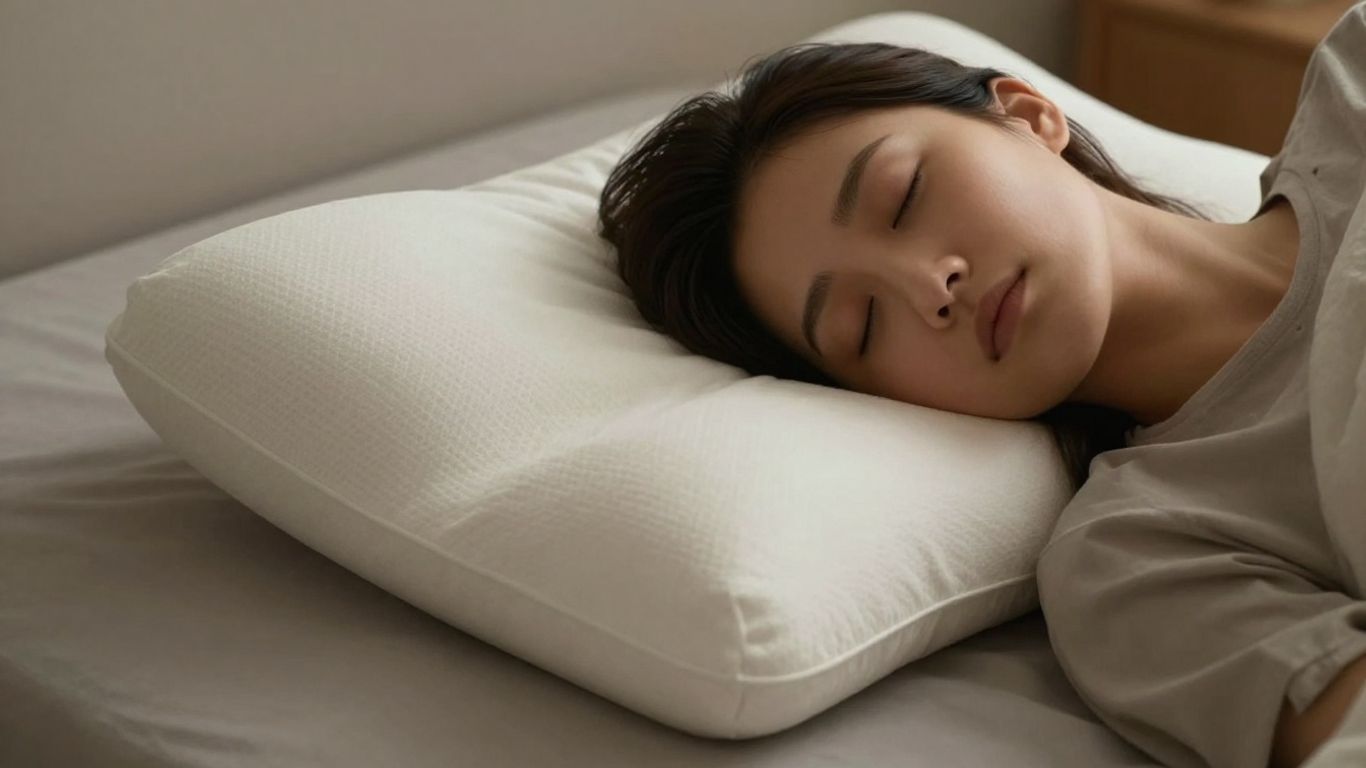
When you’re looking for a pillow to help with neck pain, the stuff it’s made of really matters. It’s not just about softness; it’s about how well it supports your neck and keeps it in a good position all night long. Different materials have different strengths, and knowing them can help you pick the right one.
Memory Foam And Its Supportive Qualities
Memory foam is super popular for a reason. It’s known for its ability to mold to your body’s shape. When you lay your head down, it sinks in just enough to cradle your neck and head. This means it can really help reduce pressure points, which is great if you wake up feeling stiff. The way it conforms offers personalized support that’s hard to beat. However, some memory foam can feel a bit warm, and cheaper versions might lose their shape over time, not giving you that same support after a while.
The Benefits Of Latex For Neck Pain
Latex is another material that gets a lot of attention for neck pain relief. It’s made from rubber tree sap, and it has a different feel than memory foam. Instead of sinking in deeply, latex tends to be more buoyant and responsive. It pushes back a bit, offering a firmer kind of support that’s excellent for keeping your spine aligned. Many people find that latex pillows last a long time and hold their shape well, which is a big plus. It’s also naturally breathable, so it tends to sleep cooler than some memory foams. If you’re looking for something that offers good support without feeling like you’re sinking into it, latex is definitely worth considering. It’s a solid choice for maintaining proper spinal alignment during sleep.
Why Down Pillows May Not Be Ideal
Down pillows, filled with the soft feathers of ducks or geese, are incredibly soft and luxurious. They feel great for a bit, but that’s often the problem. While they might feel nice initially, they usually don’t offer enough firm support for someone dealing with neck pain. The down can easily compress and shift around, meaning your neck might not be properly supported throughout the night. You could end up sinking too much, which can put your neck in an awkward position. For consistent neck pain relief, you generally need something more structured than what a typical down pillow provides.
Ergonomic And Contoured Pillow Designs

When you’re dealing with neck pain, the shape of your pillow really matters. It’s not just about stuffing something soft under your head; it’s about how that pillow interacts with the natural curves of your neck and spine. That’s where ergonomic and contoured designs come into play. These aren’t your grandma’s fluffy feather pillows.
How Contoured Pillows Support Natural Neck Curves
Think about your neck. It has a natural inward curve, called lordosis. Standard pillows often flatten this curve or push your head too far forward, leading to strain. Contoured pillows are shaped to fit this curve. They usually have a dip in the middle for your head and a raised edge that supports your neck. This design helps keep your head and neck aligned with the rest of your spine, which is super important for preventing pain. It’s all about cradling your neck in a neutral position. This kind of support can make a big difference in how you feel when you wake up.
Anatomical Memory Foam For Targeted Relief
Many of these ergonomic pillows use memory foam. Why? Because memory foam is great at molding to your specific shape. An anatomical memory foam pillow, for instance, will create a custom fit for your head and neck. It contours precisely to your curves, providing support right where you need it most. This targeted relief can help reduce pressure points and ease muscle tension. Unlike some other materials, memory foam tends to hold its shape, offering consistent support night after night. If you’re looking for a pillow that really hugs your neck, anatomical memory foam is a good place to start.
Filling The Gap Between Neck And Mattress
Ever feel like there’s a big empty space between your neck and the mattress when you lie down? That gap is a common culprit for neck pain, especially for back sleepers. Ergonomic and cervical pillows are designed to fill that space. They have a loftier, more supportive section that lifts your head and neck to the correct height. This prevents your head from sinking too low, which can strain your neck muscles. The goal is to create a continuous, straight line from your head down to your tailbone. Some pillows even have adjustable inserts, letting you fine-tune how much support you need to fill that gap perfectly. It’s a simple idea, but it works wonders for many people struggling with discomfort.
Key Considerations For Your Cervical Pillow
Sleeping Position and Pillow Firmness
When you’re picking out a pillow for neck pain, your usual sleeping spot really matters. Are you a side sleeper, a back sleeper, or do you toss and turn all night? This isn’t just about comfort; it directly impacts how your neck is supported. For side sleepers, a pillow that’s a bit firmer and has a higher loft is usually best. It needs to fill that space between your ear and shoulder to keep your head level with your spine. Back sleepers often do well with a pillow that has a bit of a dip in the middle to cradle their head and neck, offering medium support. Stomach sleepers, well, they’re a bit trickier, and often a flatter, softer pillow is recommended, though many experts suggest trying to avoid this position altogether if neck pain is a concern.
The firmness of your pillow is just as important as its shape. Too soft, and your head sinks too low, straining your neck. Too firm, and it can push your head into an awkward angle. Most people find that a medium firmness strikes the right balance, supporting the neck’s natural curve without forcing it into an unnatural position. This often leads to less morning stiffness and general discomfort. It’s a bit of a Goldilocks situation – you want it just right.
The Importance of Pillow Loft
Pillow loft refers to the height or thickness of the pillow. Just like firmness, loft is super important and ties directly into your sleeping position. A pillow that’s too low won’t support your head and neck properly, especially if you sleep on your side. Conversely, a pillow that’s too high can crane your neck upwards, causing strain. Finding the right loft helps maintain that neutral spine alignment we keep talking about. It’s about filling the space correctly so your head isn’t tilted up, down, or to the side.
Here’s a quick rundown:
- Side Sleepers: Generally need a higher loft to keep the head and neck aligned with the spine.
- Back Sleepers: Typically do well with a medium loft that supports the natural curve of the neck.
- Stomach Sleepers: Often benefit from a very low loft or even no pillow, to prevent neck strain.
How Pillow Shape Affects Alignment
The shape of your pillow can make a big difference in how well it supports your neck and keeps your spine aligned. You’ve probably seen those pillows with a dip in the middle and a raised edge – those are often called cervical or orthopedic pillows. They’re designed specifically to cradle your neck and support its natural curve, often called lordosis. This shape helps to fill the gap between your neck and the mattress, which is key for maintaining proper alignment throughout the night. Some pillows have a more anatomical, contoured shape that follows the natural curve of the neck and head, providing targeted support where you need it most. Others might have a U-shape or a specific cutout to accommodate shoulder placement for side sleepers. The goal is always to keep your head and neck in a neutral position, in line with the rest of your spine.
Choosing a pillow isn’t just about what feels softest. It’s about how it supports your body’s natural structure. Think about the curve of your neck and how a pillow can help maintain that curve while you sleep. The right shape can prevent your head from falling backward or sideways, which is often the root of morning aches and pains. It’s about creating a supportive cradle for your head and neck, allowing your muscles to relax instead of working overtime to hold you in place.
When you’re looking for a pillow, consider how its shape interacts with your body. Some designs are better suited for specific sleep positions, aiming to correct your body’s positioning to help eliminate potential sources of tension. For instance, a pillow with a central divot might cradle your head while gently stretching your neck, which can be beneficial for some. Ultimately, the right shape helps maintain proper cervical alignment and reduces the risk of waking up with stiffness.
Choosing A Cervical Pillow For Your Sleep Style
Figuring out the right pillow isn’t a one-size-fits-all deal, especially when neck pain is in the picture. Your go-to sleeping position plays a pretty big role in what kind of support you actually need. What works wonders for someone sleeping on their back might be a total disaster for a side sleeper. It’s all about keeping that neck aligned, you know, so your head, neck, and spine are in a nice, straight line, like you’re standing up tall. Most regular pillows just don’t cut it; they’re either too flat and let your head sink, or they’re too puffy and push your neck up at a weird angle. Over hours of sleep, that little bit of misalignment can really add up, leaving you feeling stiff and sore when you wake up.
Best Cervical Pillow Options For Side Sleepers
If you’re a side sleeper, you’ve probably noticed that gap between your shoulder and your ear. A good pillow needs to fill that space properly. Too little height, and your neck droops down, straining those muscles. You want something with enough loft, or height, to keep your head level with your spine. Think medium-firm to firm, something that won’t just flatten out completely overnight. Some pillows are even shaped with a curve or a cutout to better accommodate your shoulder, which can make a big difference. Finding the right pillow is crucial for side sleepers to avoid neck pain and improve sleep quality. Look for options that let you adjust the height, as this can be a game-changer. Pillows for side sleepers often have these features.
Selecting The Right Pillow For Back Sleepers
Back sleepers have different needs. You don’t need a super thick pillow pushing your head forward. Instead, you want something that supports the natural curve of your neck, that little dip in your cervical spine. Many experts now suggest contoured or cervical pillows for this. These often have a lower middle section to cradle your head and slightly raised edges to support your neck. The goal is to maintain that natural inward curve, called cervical lordosis, all night long. A pillow that’s too high can force your head into an unnatural position, which is the opposite of what you want.
Pillows For Combination Sleepers
Combination sleepers, the ones who toss and turn all night, are a bit trickier. What feels great on your side might not be ideal when you roll onto your back. For these folks, an adjustable pillow can be a lifesaver. You can tweak the loft and firmness to find a sweet spot that works reasonably well for most of your positions. Some pillow designs, like those with a central divot, might work for multiple positions, but it really depends on how much you move. It’s often about finding a pillow that offers adaptable support rather than a fixed shape. A pillow that can be customized is key here.
When choosing a pillow, pay attention to how it feels when you first lie down. Does it support your neck without pushing it too far up or letting it drop? Does it feel comfortable when you shift positions? These initial feelings can tell you a lot about whether it’s a good fit for your specific sleep style and pain points.
Adjustable Cervical Pillows For Personalized Comfort
Customizing Loft and Firmness
Sometimes, one-size-fits-all just doesn’t cut it, especially when it comes to something as personal as sleep comfort and pain relief. That’s where adjustable cervical pillows really shine. These aren’t your grandma’s lumpy feather pillows; they’re designed with your specific needs in mind. The main idea is that you can tweak the pillow’s height (loft) and how firm it feels. This is super helpful because everyone’s body is different. Your neck curve, your shoulder width, and even how you sleep – all these things matter.
Adjustable pillows often work by letting you add or remove filling. Think of it like building your own perfect pillow. Some come with extra bags of filling, like memory foam chunks or microfiber, so you can experiment. You might start with a certain amount, sleep on it for a few nights, and then decide if you need more support or a softer feel. It’s a process, but the goal is to find that sweet spot where your neck feels supported without being pushed into an awkward position.
Here’s a quick look at how you might adjust one:
- Check the Zipper: Most adjustable pillows have a zipper on the cover. Unzip it to access the filling.
- Add or Remove Filling: Take out some filling if the pillow feels too high or too firm. Add more if it feels too flat or soft.
- Distribute Evenly: After adjusting, fluff and redistribute the filling so it’s even throughout the pillow.
- Test and Repeat: Sleep on it. If it’s not quite right, make further adjustments. It might take a few tries.
This hands-on approach means you’re not just buying a pillow; you’re creating a custom solution for your neck pain. It’s a bit more effort upfront, but the payoff in comfort and relief can be huge. For example, the Zoey Sleep curved pillow lets you unzip it to adjust the foam density, tailoring the support to your unique alignment needs.
Achieving Optimal Support For Your Body
Getting the right support is key to waking up without that nagging neck ache. With an adjustable pillow, you’re essentially fine-tuning the pillow to match your body’s unique contours and your preferred sleeping position. For side sleepers, this might mean a higher loft to fill the gap between your head and shoulder. Back sleepers might need a pillow that supports the natural curve of their neck without pushing their head too far forward. Stomach sleepers, though often advised to use flatter pillows, can sometimes find relief with a very thin, soft adjustable option if they can’t break the habit.
The process of adjusting your pillow is about finding a neutral spine position. This means your head, neck, and spine are aligned in a straight line, reducing strain on your muscles and ligaments. It’s not just about comfort; it’s about promoting healing and preventing further irritation.
Finding that perfect balance can take time. Don’t get discouraged if the first adjustment isn’t perfect. Think of it as a journey to better sleep. Many brands offer generous trial periods, so you can experiment at home without pressure. This flexibility is what makes adjustable pillows such a game-changer for people dealing with persistent neck pain. It puts you in control of your comfort and recovery. For those seeking a more structured approach, some pillows, like the Tempur-Pedic Neck Pillow, offer different sizes and ergonomic shapes that, while not fully adjustable in the same way, provide a highly adaptive and supportive experience.
Evaluating Cervical Pillow Features
Pillows With Unique Support Structures
When you’re looking for a pillow to help with neck pain, you’ll notice they aren’t all just simple rectangles. Many have special shapes designed to cradle your head and neck in a specific way. For instance, some pillows have a dip in the middle that’s meant to let your head rest comfortably while gently stretching your neck. Others might have a raised edge, which gives extra support to tired neck muscles. It’s all about how the pillow is built to interact with your body’s natural curves. The goal is to find a structure that keeps your neck aligned with your spine, no matter how you sleep. Think about how your head and neck naturally rest; a good cervical pillow should support that position without pushing it into something awkward.
The Role Of Removable Inserts
Some of the most interesting cervical pillows come with removable inserts. These are basically like extra bits of filling you can take out or put back in. Why is this neat? Because it lets you tweak the pillow’s height and firmness. If a pillow feels too high or too firm for you, just pull out an insert. If it feels too flat or soft, you can add one back in, or sometimes even buy extra filling. This adjustability is a big deal for getting that perfect level of support. It means one pillow can work for different people or even for you if your needs change. It’s a way to get a more personalized fit without having to buy a whole new pillow. This is especially helpful if you’re not quite sure what loft or firmness works best for your neck pain relief.
Here’s a quick look at how inserts can change things:
- Too High/Firm: Remove inserts to lower loft and reduce firmness.
- Too Low/Soft: Add inserts (if available) to increase loft and firmness.
- Fine-Tuning: Even small adjustments can make a difference in comfort.
Finding a pillow that feels just right can take a little trial and error. Don’t be discouraged if the first one isn’t perfect. The ability to adjust features like loft and firmness, often through removable inserts, is a strong indicator of a pillow’s potential to provide lasting comfort and support for your specific needs.
When To Replace Your Cervical Pillow
So, you’ve invested in a cervical pillow, hoping for some sweet relief from that nagging neck pain. That’s great! But here’s the thing: even the best pillows don’t last forever. They’re not like fine wine; they don’t get better with age. In fact, they usually get worse, and that’s when they start causing more problems than they solve.
Signs Your Pillow Needs Replacing
How do you know it’s time to say goodbye to your current pillow? It’s not always obvious, but there are definitely clues. First off, pay attention to how you feel when you wake up. If you’re consistently waking up with stiffness, aches, or even headaches that seem to fade after you’ve been up for a bit, your pillow might be the culprit. It’s probably not supporting your neck the way it used to. Another big sign is when your pillow just doesn’t feel right anymore. You know, when you find yourself constantly fluffing it, folding it, or trying to get it into some magical position just to feel comfortable? That’s a pretty clear indicator that it’s lost its shape and its ability to support you properly.
- Persistent morning stiffness or pain that eases up after an hour or two.
- Constantly adjusting your pillow throughout the night or before falling asleep.
- Visible signs of wear, like lumps, flat spots, or a noticeable loss of loft.
- Waking up feeling unrested or like you slept on a hard surface.
- Your pain is worse after longer periods of sleep.
Lifespan Of Different Pillow Materials
Different materials have different lifespans, which is good to know so you can plan ahead. It’s not a one-size-fits-all situation. Some materials break down faster than others, meaning you’ll need to replace them more often to get that proper support.
| Pillow Material | Approximate Lifespan | Notes |
|---|---|---|
| Down & Synthetic Fill | 1-2 years | Fill clusters break down, losing loft and support. |
| Memory Foam | 2-3 years | Can develop permanent indentations or lose firmness over time. |
| Latex | 3-5+ years | Generally more durable, holds shape well, but can eventually sag. |
| Buckwheat Hull | 3-5+ years | Hulls can compress over time; can be topped up or replaced. |
Ignoring the condition of your pillow can lead to more than just discomfort. Poor neck alignment during sleep can put uneven pressure on your spinal discs, potentially causing inflammation and long-term neck pain. It can also weaken neck muscles over time, making them less effective at supporting your head and neck, which leads to chronic discomfort and a greater risk of injury.
If you’re noticing these issues, it might be time to look into a new cervical pillow. It’s a small change that can make a huge difference in how you feel each day.
Maximizing Neck Pain Relief With Your Pillow
So, you’ve picked out a pillow that seems like it might actually help your neck pain. That’s a big step! But just having the right pillow isn’t the whole story. You’ve got to use it right, and sometimes, you need to pair it with other things to really get the most out of it. It’s about making sure your head and neck are sitting in a good, neutral spot all night long.
The Impact Of Pillow Choice On Sleep Quality
It’s pretty wild how much a pillow can mess with your sleep, right? If your neck isn’t happy, you’re probably tossing and turning more than you realize. This means less deep sleep, and that’s no good for anyone. A pillow that supports your neck properly helps you stay settled, so you can actually get the rest your body needs. Think about it: if you’re constantly shifting to get comfortable, your brain isn’t getting a break. A good pillow means fewer wake-ups and a more solid night’s sleep. This can make a huge difference in how you feel the next day, not just physically, but mentally too. You’ll likely find yourself more alert and less grumpy.
Maintaining Neutral Neck Alignment
This is the big one. Your goal with a cervical pillow is to keep your spine straight from your head all the way down to your tailbone while you’re sleeping. It’s like standing up with good posture, but lying down.
Here’s what that looks like:
- For side sleepers: You need a pillow that’s thick enough to fill the space between your shoulder and your ear. This keeps your head from tilting down towards the mattress. The pillow should be firm enough to hold its shape all night. Side sleeping can be beneficial for neck pain if done correctly.
- For back sleepers: You want a pillow that supports the natural curve of your neck without pushing your head too far forward. It should cradle your head and neck comfortably, keeping them level with the rest of your spine.
- For stomach sleepers: Honestly, this position is tough on the neck. If you can’t break the habit, try the flattest, softest pillow possible, or even no pillow at all, to minimize strain.
The key is to avoid any angles. Your neck shouldn’t be bent up, down, or to the side. It needs to be in a relaxed, straight line.
If your pillow is too high, it pushes your head up. Too low, and your head drops. Finding that sweet spot is what makes all the difference for reducing strain and waking up without that familiar ache. It’s about creating a comfortable, supportive cradle for your head and neck.
Seeking Professional Guidance For Neck Pain
Sometimes, even with the best intentions and the perfect pillow, neck pain just doesn’t go away on its own. It’s easy to think a pillow is the magic bullet, but it’s really just one piece of the puzzle. If you’ve tried a new pillow and you’re still waking up stiff or feeling that familiar ache, it might be time to look beyond your bedding.
When To Consult A Specialist
Persistent neck pain isn’t something to just tough out. If that discomfort lingers for more than a week, or if you start noticing weird sensations like numbness or tingling in your arms or hands, that’s a clear signal to get some professional eyes on it. These symptoms could point to something more serious than just a bad pillow, and getting a proper diagnosis is key to figuring out the right path forward. Don’t hesitate to reach out to your doctor; they can help figure out what’s really going on and might even send you to a specialist, like an orthopedist, for a closer look. Remember, a pillow is a tool for comfort and alignment, but it’s not a treatment for underlying issues.
Personalized Pillow Recommendations
When you do see a doctor or a physical therapist about your neck pain, they can offer insights that go beyond general advice. They’ll look at your specific situation – how you move, your posture, and the exact nature of your pain. Based on this, they might suggest very specific pillow types or even adjustments to your current one. For instance, they might recommend a particular loft or firmness level tailored just for you. It’s like getting a custom fit for your neck, which can make a world of difference compared to just guessing what might work. Sometimes, they might even suggest other non-invasive treatments that could help find lasting relief.
It’s important to remember that while a supportive pillow is a great start, it’s not a cure-all. If your pain is persistent or accompanied by other symptoms, seeking expert medical advice is the most responsible step you can take for your health. They can help identify the root cause and guide you toward effective solutions.
Integrating Your Cervical Pillow With Daily Habits
So, you’ve found the perfect cervical pillow. That’s a huge step, honestly. But just having the pillow isn’t the whole story, right? It’s like buying a fancy new running shoe but then never actually going for a run. To really get the most out of your new neck support, you’ve got to pair it with some good daily habits. Think of it as a team effort for your neck health.
Neck Exercises For Better Support
Your pillow does its magic while you sleep, but what about when you’re awake? Doing some simple neck exercises can make a big difference. These aren’t about intense workouts; they’re gentle movements to keep your neck muscles flexible and strong. This helps them better support your head and neck throughout the day, which, in turn, means less strain when you lie down at night.
Here are a few to get you started:
- Gentle Neck Tilts: Slowly tilt your head towards one shoulder, feeling a light stretch on the opposite side. Hold for a few seconds, then return to center and repeat on the other side. Don’t force it.
- Chin Tucks: Gently pull your chin straight back, as if you’re trying to make a double chin. You should feel a stretch at the base of your skull. Hold for a few seconds and release. This is great for counteracting that forward head posture we all tend to get from looking at screens.
- Neck Rotations: Slowly turn your head to look over one shoulder, keeping your chin level. Hold briefly, then gently turn to the other side. Again, no jerky movements here.
Doing these a couple of times a day, maybe in the morning and again in the afternoon, can really help keep things moving smoothly.
The Synergy Of Pillow Use And Good Posture
It’s pretty clear that your pillow choice matters a lot for your neck. But if you spend your day hunched over a desk or constantly looking down at your phone, you’re undoing a lot of your pillow’s good work. Maintaining good posture throughout the day is just as important as using the right pillow at night. When your spine is aligned properly when you’re upright, it sets you up for better alignment when you’re lying down. It’s all connected, you know?
Think about it: if your neck is constantly craning forward during the day, your muscles get used to that position. Then, when you lie down, even on a supportive pillow, your body might still try to revert to that familiar, strained posture. Working on your posture during waking hours helps retrain your muscles and your brain to hold a more neutral position, making your cervical pillow’s job a whole lot easier.
So, try to be mindful of how you sit and stand. Roll your shoulders back, keep your head up, and engage your core a little. It might feel awkward at first, but it makes a huge difference in the long run for your neck and overall comfort. If you’re looking for more ways to improve your spinal health, exploring different pillow options can be a great starting point, but don’t forget the daytime habits.
Wrapping Things Up
So, finding that perfect pillow for your neck pain might feel like a quest, but it’s totally doable. Remember, it’s not just about grabbing any pillow off the shelf. Think about how you sleep – are you a side, back, or stomach sleeper? That matters a lot. Also, consider what the pillow is made of and its shape. Some people swear by memory foam that molds to their neck, while others prefer the bounce of latex. Don’t be afraid to try a few options, especially if the brand offers a trial period. Your neck will thank you for the effort, and hopefully, you’ll start waking up feeling way better. If the pain sticks around even with a new pillow, it’s probably a good idea to chat with a doctor or a physical therapist. They can help figure out if there’s something else going on and give you more specific advice. Sweet dreams and pain-free mornings!
Frequently Asked Questions
What makes a pillow good for neck pain?
A good pillow for neck pain helps keep your head, neck, and spine lined up straight, like they would be if you were standing up tall. It shouldn’t be too flat or too puffy. The right pillow supports the natural curve of your neck without pushing it up or letting it droop.
What materials are best for neck pain pillows?
Memory foam and latex are often recommended because they mold to your neck and provide steady support. Memory foam hugs your shape, while latex is springy and keeps its form well. Soft down pillows usually aren’t supportive enough for neck pain.
How does my sleeping position affect the pillow I need?
If you sleep on your side, you need a thicker, firmer pillow to fill the space between your shoulder and ear so your neck stays straight. If you sleep on your back, a thinner pillow that supports the curve of your neck is usually best. Stomach sleepers often do well with a very soft, thin pillow.
What is ‘loft’ and why does it matter for neck pain?
‘Loft’ is just a fancy word for how tall or thick a pillow is. For neck pain, the right loft is key to keeping your spine lined up. Side sleepers often need a high loft, while back and stomach sleepers might prefer a medium or low loft.
Are special pillow shapes like contoured or ergonomic ones better?
Yes, pillows with special shapes, like those that dip in the middle or have curves, are designed to cradle your head and neck. They help support the natural curve of your neck, which can reduce strain and make you feel better.
How often should I replace my neck pain pillow?
You should replace your pillow every 1 to 3 years, depending on the material. If your pillow looks flat, lumpy, or you wake up with neck pain even with it, it’s definitely time for a new one.
Can a pillow really help with neck pain?
Absolutely! Using the right pillow can make a big difference in how much your neck hurts. It helps your muscles relax and prevents them from getting strained while you sleep, leading to less pain when you wake up.
When should I see a doctor about my neck pain instead of just getting a new pillow?
If your neck pain doesn’t get better even after trying a new pillow, or if you have numbness, tingling, or sharp pain, it’s a good idea to see a doctor or physical therapist. They can help figure out the cause and suggest the best treatment for you.