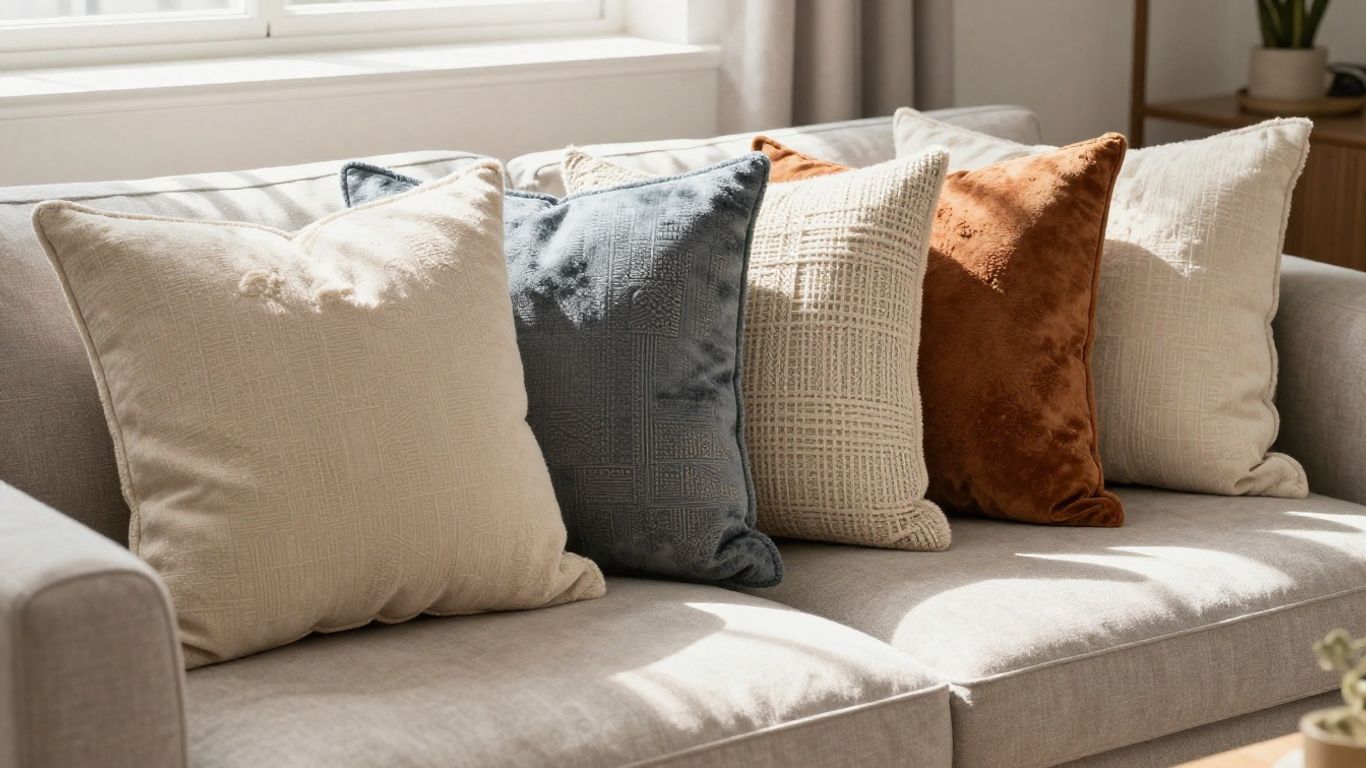
So, you’re looking to spruce up your place a bit? Maybe tired of the same old look? Well, guess what? You don’t need a whole renovation or a truckload of new furniture. Sometimes, all it takes are some fresh pillow covers. They’re like the easiest way to give a room a whole new vibe without breaking the bank or your back. We’ll chat about picking the right ones, how to make them look good, and even how to care for them so they last.
Key Takeaways
- Choosing the right pillow insert and the correct pillow cover size are super important for that perfect, plush look.
- Different fabrics bring different things to the table – think tough for daily use, soft for comfort, or light and airy.
- You can totally mix and match patterns and textures, and even layer pillows to make your sofa or bed look extra put-together.
- Pillow covers are a quick and cheap way to refresh any room, from the living room to your bedroom, or even your home office.
- Taking care of your pillow covers is pretty simple, usually just a wash and dry, which helps them last longer and keeps them looking good.
Understanding Pillow Cover Essentials
Before you even think about picking out a fancy fabric or a cool pattern, let’s get down to the basics of pillow covers. It’s not just about what they look like; it’s about how they work with what’s inside and how they fit. Getting these fundamentals right makes all the difference between a pillow that looks a bit sad and one that really makes your couch or bed pop.
Choosing The Right Pillow Insert
So, you’ve got your cover, but what goes inside? The pillow insert, or form, is super important. It’s what gives your pillow its shape and its comfy-ness. Think about what you want the pillow to do. Is it just for show, or are you going to be actually leaning on it? For decorative pillows that just need to look good, a polyester fill is usually fine. But if you want something you can really sink into, or if you have specific needs like neck support, you might want to look into down or feather fills, or even memory foam. The firmness and loft (that’s the height or thickness) of the insert matter a lot for how the pillow feels and looks in its cover. A pillow that’s too flat will just look droopy, no matter how nice the cover is. The right insert makes your pillow look plump and inviting.
Selecting The Perfect Pillow Cover Size
This is where a lot of people get tripped up. Pillow covers aren’t usually the exact same size as the insert they go into. If you buy a cover that’s the same size as your insert, it’ll be a struggle to get it on, and the pillow will end up looking squashed. Generally, you want your pillow cover to be a couple of inches smaller than your insert. For example, a 20×20 inch insert usually looks best in an 18×18 or 19×19 inch cover. This difference allows the insert to fill out the cover completely, giving it that nice, full look. It’s always a good idea to measure your insert first, then check the cover’s dimensions. Sometimes, ready-made covers come with recommended insert sizes, which is super helpful.
The Importance Of Pillow Inserts
Let’s talk more about why the insert is such a big deal. It’s not just stuffing; it’s the backbone of your pillow. A good insert will keep its shape longer and provide the right amount of support. If you’re using a pillow for lumbar support in your office chair, for instance, you’ll want an insert that’s firm enough to hold its shape without being hard. For a bed pillow, comfort is key, so a softer fill might be better. Different fills have different properties:
- Polyester Fiberfill: Affordable, hypoallergenic, and easy to care for. Can flatten over time.
- Down/Feather: Soft, moldable, and luxurious. Can be expensive and may trigger allergies.
- Foam: Offers firm support, great for specific needs like neck pain relief. Comes in various densities.
Choosing the right insert is as important as choosing the cover itself. It dictates the pillow’s overall feel, its ability to hold its shape, and how it looks when placed on furniture. Don’t skimp on this part if you want your pillows to look and feel their best.
When you’re picking out covers, remember that the size and type of insert you plan to use will influence your final choice. A cover made from linen and cotton might look great, but if you put it on a lumpy, old insert, it just won’t have the same impact.
Fabric Choices For Your Pillow Covers
When you’re picking out pillow covers, the fabric is a big deal. It’s not just about how it looks, but how it feels and how long it’ll last. Think about where the pillow will live and how much action it’s going to get. A pillow on a formal sofa might need something different than one tossed on a family room floor.
Durable Fabrics For Everyday Use
For pillows that are going to be used a lot – think movie nights, kids jumping around, or even your pet’s favorite napping spot – you need fabrics that can take a beating. These materials are tough and usually easy to clean, which is a win-win.
- Canvas: This is a workhorse. It’s sturdy, often made of cotton, and can handle a lot of wear and tear. It’s great for a casual, rustic look.
- Denim: Similar to canvas, denim is tough and has a familiar feel. It can add a bit of a rugged or casual vibe to a room.
- Polyester Blends: Many synthetic blends are designed for durability. They often resist wrinkles and stains, making them a practical choice for busy households. Plus, they can be quite affordable.
Luxurious Textures For Added Comfort
Sometimes, you want your pillows to feel as good as they look. These fabrics bring a touch of elegance and coziness to your space. They might require a bit more gentle care, but the payoff in comfort and style is totally worth it.
- Velvet: Nothing says luxury quite like velvet. It has a soft, plush feel and a beautiful sheen that catches the light. It’s perfect for adding a sophisticated touch to a living room or bedroom.
- Faux Fur: For ultimate coziness, faux fur is the way to go. It’s incredibly soft and adds a warm, inviting texture. It’s a great way to bring a bit of hygge into your home.
- Suede/Microsuede: These offer a soft, velvety feel without the high maintenance of real suede. They provide a rich texture and a warm, inviting look.
Breathable Natural Fibers
Natural fibers are fantastic because they breathe well and often have a lovely, organic feel. They’re a good choice if you’re looking for something that feels good against the skin and is generally good for the environment. You can find a wide variety of natural fiber options that work well for pillow covers.
- Cotton: A classic for a reason. Cotton is soft, breathable, and comes in so many weaves and weights, from light voile to sturdy duck cloth. It’s easy to care for and generally hypoallergenic.
- Linen: Known for its beautiful texture and natural drape, linen gets softer with every wash. It’s breathable and has a slightly rustic, yet elegant, appeal. It’s a great choice for a relaxed, sophisticated look.
- Hemp: Similar to linen, hemp is a strong, durable natural fiber that’s also breathable. It has a unique texture and is becoming more popular for its sustainability.
Choosing the right fabric is like picking the right outfit for your pillow. It needs to suit the occasion (where it’s going) and the personality you want it to have (its look and feel). Don’t be afraid to mix and match different textures to create a look that’s uniquely yours.
Styling With Pillow Covers
Pillow covers are like the accessories of your home decor. They’re a fantastic way to switch up the look of a room without a huge commitment. Think of them as your secret weapon for a quick style refresh. You can totally change the vibe of your sofa or bed just by swapping out a few covers.
Mixing And Matching Patterns
This is where you can really let your personality shine. Don’t be afraid to put different patterns together. It might sound a little wild, but when done right, it looks amazing. The trick is to vary the scale of the patterns. Try pairing a large, bold print with a smaller, more subtle one. Or, mix a geometric design with a floral. It adds visual interest and keeps things from looking too matchy-matchy.
Here are a few ideas to get you started:
- Large Floral + Small Geometric: A big, blooming pattern paired with a tiny, repeating shape. This works because the scales are so different.
- Stripe + Solid (with texture): A classic stripe is always a good idea. Pair it with a solid color, but make sure that solid has some texture, like a chunky knit or a faux fur, so it doesn’t just disappear.
- Abstract + Animal Print: A modern abstract design can look super chic next to a fun animal print, like leopard or zebra.
The key to successful pattern mixing is balance. If you have one really loud pattern, tone down the others. It’s all about creating a pleasing visual rhythm.
Layering For A Polished Look
Layering isn’t just for outfits; it works wonders for pillows too. Start with your largest pillows at the back, usually against the sofa or bed. Then, add medium-sized pillows in front of those. Finally, tuck in a smaller accent pillow or a lumbar pillow right at the front. This creates depth and makes your arrangement look intentional and cozy. It’s a simple way to make your seating area or bed look more inviting and put-together. You can find some great decorative pillows that work well for layering.
Seasonal Swaps With Pillow Covers
This is one of the best things about pillow covers – their versatility for seasonal changes. When fall rolls around, you can swap your light, airy covers for ones in rich jewel tones or cozy textures like velvet and faux fur. Come spring, switch to lighter colors and natural fabrics like linen. It’s an inexpensive way to keep your decor feeling fresh and relevant throughout the year. You don’t need a whole new set of pillows; just a few new covers can completely transform the mood of a room. It’s a simple trick that makes a big impact, especially when you’re looking to update your space without a massive budget.
Pillow Covers For Every Room
Pillow covers are like the chameleon of home decor; they can completely change the vibe of a room without a huge effort or cost. Thinking about how to use them in different spaces? Let’s break it down.
Living Room Pillow Cover Accents
The living room is often the heart of the home, a place for gathering and relaxing. Here, pillow covers can really shine, adding personality and comfort. You want a mix of style and durability since this is a high-traffic area. Think about pairing some larger, anchoring pillows (like 20×20 or 24×24 inches) on the back of the sofa, then layering smaller ones in front. This layering creates a nice depth. Mixing patterns and colors can be fun here too. Maybe a bold geometric on a neutral couch, or some earthy tones for a more relaxed feel. Fabrics like cotton or linen are good choices because they hold up well. For a touch of luxury, velvet or faux fur can add warmth, but maybe keep those for a more formal living area if you have kids or pets running around.
- Anchor with larger pillows: Use 20×20 or 24×24 inch covers for the back row.
- Layer smaller accents: Add 16×16 inch or lumbar covers in front.
- Mix textures: Combine smooth cotton with plush velvet or chunky knits.
- Consider durability: Opt for fabrics that can withstand frequent use.
In the living room, pillow covers are your chance to play with color and pattern, making the space feel more inviting and visually interesting. They’re an easy way to tie your furniture and overall style together.
Bedroom Pillow Cover Styling
Your bedroom should be a sanctuary, and pillow covers play a big role in creating that calm, cozy atmosphere. It’s a bit different from the living room; you’re often styling a bed. Start with your main sleeping pillows, then layer decorative ones. A common setup is to have your sleeping pillows against the headboard, followed by a couple of larger decorative pillows, and then maybe a smaller lumbar pillow at the very front. Calming colors like soft blues, grays, or muted pastels work wonders for a tranquil vibe. Earthy tones and subtle textures, like woven fabrics, also contribute to that cozy feel. Don’t go overboard, though; too many pillows can make the bed look cluttered. A few well-chosen pieces are usually best. You can even find some lovely 100% cotton pillow covers with unique designs that add a special touch.
- Start with a base: Place your sleeping pillows against the headboard.
- Add decorative layers: Use larger square pillows next, followed by smaller accent pillows.
- Choose soothing colors: Opt for calming shades like pastels, earth tones, or muted neutrals.
- Incorporate texture: Woven fabrics or subtle embroidery can add depth without being overwhelming.
Home Office Pillow Comfort
Even your home office can benefit from a pillow or two! It’s not just about looks; pillows can add comfort and a bit of personality to a space where you spend a lot of time working. A lumbar pillow can be a real game-changer for posture if you’re sitting at a desk for hours. Look for one with a firmer insert. Color can also make a difference; brighter accent pillows in shades of green or yellow might help lift your mood and focus. If your office is minimalist, neutral-toned pillows can add texture without disrupting the clean aesthetic. Since office spaces can sometimes feel a bit cramped, smaller pillow sizes, like 12×20 inches, often work best so they don’t take up too much room. They’re also easy to move around if you need to shift your workspace.
- Prioritize support: Use lumbar pillows for better posture during long work sessions.
- Consider mood-boosting colors: Bright accents can energize your space.
- Choose appropriate sizes: Smaller pillows prevent clutter in compact areas.
- Add texture: Even in a minimalist office, a textured pillow adds warmth.
Remember, pillow covers are a fantastic way to refresh any room. They’re budget-friendly and allow you to experiment with different styles easily. If you’re looking for good quality pillow inserts, make sure to find ones that are one size larger than your cover for that perfect, plush look.
Elevating Decor With Color And Texture
Sometimes, a room just needs a little something extra to feel complete, right? That’s where playing with color and texture in your pillow covers really shines. It’s like adding the perfect accessories to an outfit – it pulls everything together and gives it personality.
Incorporating Bold Colors
Don’t shy away from bold colors if you’re looking to make a statement. A vibrant pillow cover can instantly liven up a neutral sofa or armchair. Think about jewel tones like emerald green or sapphire blue, or even a bright coral. These colors can add energy and warmth to a space. If you’re hesitant about going all-in, start with a single bold pillow on a chair or as an accent on a larger sofa. It’s a great way to test the waters and see how a pop of color feels in your room. For those who love a bit of drama, consider a mix of complementary colors for a truly eye-catching display.
Adding Depth With Various Textures
Texture is just as important as color, if not more so, when you want to add interest to a room. Mixing different textures can make a space feel richer and more inviting. Think about plush velvets, chunky knits, smooth silks, or even rougher, natural weaves like linen or jute. Combining these different feels under your fingertips and to your eyes creates a layered look that’s visually appealing. For instance, pairing a smooth velvet pillow with a nubby linen one on the same couch adds a subtle but effective contrast. This play of textures can make even a monochromatic scheme feel dynamic and interesting.
Here’s a quick look at how different textures can impact a room:
- Smooth: Think satin, silk, or fine cotton. These add a touch of elegance and can make a space feel more refined.
- Rough/Textured: Linen, burlap, or chunky knits. These bring a cozy, natural, or rustic feel.
- Plush: Velvet, faux fur, or chenille. These add a sense of luxury and comfort.
When you combine different textures, you’re not just adding visual interest; you’re also creating a more tactile and engaging environment. It’s about creating a space that feels good to be in, not just to look at.
Playful Patterns For Personality
Patterns are fantastic for injecting personality into your decor. They can range from subtle geometric designs to bold floral prints or abstract art. If your furniture is mostly solid colors, patterned pillow covers are an easy way to introduce visual excitement. Don’t be afraid to mix patterns, but do it thoughtfully. A good rule of thumb is to vary the scale of the patterns – pair a large-scale floral with a smaller geometric, for example. You can also use a common color thread to tie different patterns together. For a more subdued approach, consider patterns in neutral tones, like an antelope print on a cream background, which adds visual interest without being overwhelming. This allows you to play with design without committing to overly bright colors.
Caring For Your Pillow Covers
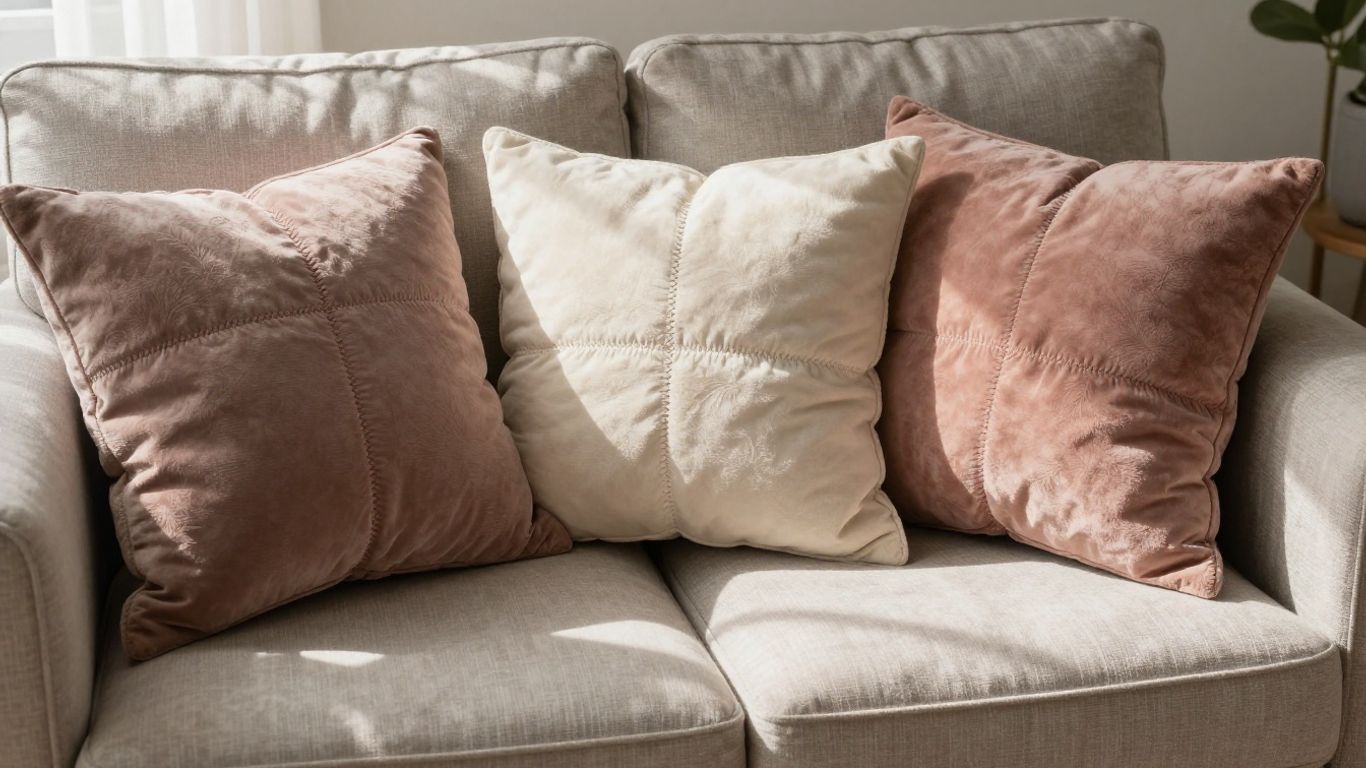
Keeping your pillow covers looking fresh and new isn’t too complicated, honestly. It mostly comes down to knowing what your fabric can handle and giving them a little attention now and then. Most pillow covers can be cleaned without too much fuss, but always check the care tag first.
Machine Washable Materials
Lots of pillow covers are made from fabrics that can go right into the washing machine. This is super convenient, especially if you have kids or pets, or just like to keep things really clean. Fabrics like cotton, linen blends, and many polyesters are usually safe for machine washing. Just make sure to use a gentle cycle with cold water to avoid any shrinking or fading. It’s also a good idea to zip up any zippers or fasten buttons before washing to prevent snagging.
- Cotton & Linen Blends: Generally durable and can handle a gentle wash.
- Polyester: Often stain-resistant and holds up well to washing.
- Microfiber: Soft and easy to clean, usually machine washable.
Easy Cleaning Tips
For those everyday spills or just general upkeep, a few simple steps can make a big difference. Spot cleaning is your best friend for minor messes. Grab a clean cloth, some mild soap, and water, and gently dab the affected area. Avoid rubbing too hard, as this can spread the stain or damage the fabric. For a deeper clean, follow the machine washing guidelines above. If you’re dealing with a stubborn stain, you might need a fabric-specific stain remover, but always test it on an inconspicuous spot first.
Sometimes, the simplest approach is the best. Don’t overthink it; just address the issue as it comes up with the gentlest method possible.
Maintaining Longevity
To make sure your pillow covers last as long as possible, think about how you dry them. While some can go in the dryer on a low setting, air drying is often the safest bet. Lay them flat or hang them up away from direct sunlight, which can cause colors to fade over time. If you have covers made from delicate materials like silk or velvet, or those with intricate embellishments, dry cleaning might be the way to go. This helps preserve the texture and details. For pillow inserts, tossing them in the dryer on a no-heat setting can help fluff them up periodically, which also helps your covers maintain their shape [afb9].
The Versatility Of Pillow Covers
Quick Room Refresh
Sometimes, you just want a change, right? Maybe the season is shifting, or you’re just tired of looking at the same old thing. Instead of a full redecoration, which can be a huge hassle and cost a fortune, think about pillow covers. They’re like a magic wand for your sofa or bed. You can completely change the vibe of a room just by swapping out a few pillow covers. It’s a super fast way to update your space without committing to anything major. Think about it: one day your living room has a cozy, autumnal feel with warm tones and textures, and the next, it’s bright and airy for spring with lighter colors and patterns. It’s all about the covers!
Budget-Friendly Decor Updates
Let’s be real, redecorating can drain your bank account. Buying new furniture or even painting walls adds up quickly. But pillow covers? They’re a game-changer for anyone on a budget. You can snag a few new covers in a trendy pattern or a color you love for a fraction of the cost of new throw pillows. Plus, if you already have pillow inserts, you’re halfway there. It’s a smart way to keep your home looking fresh and stylish without breaking the bank. You can experiment with different looks and trends without the financial pressure.
Easy Storage Solutions
One of the best things about pillow covers is how little space they take up. Unlike bulky pillows, which can clutter up closets or storage bins, a stack of pillow covers is incredibly compact. When you’re done with a seasonal set or just want to switch things up, you can easily fold them and tuck them away. This makes it simple to store a whole collection of covers for different looks throughout the year. It’s a practical benefit that often gets overlooked but makes a big difference in keeping your home organized.
Pillow covers are a decorator’s secret weapon. They offer a simple, affordable, and space-saving way to refresh your home’s look and feel whenever the mood strikes. It’s about making your space work for you, easily and stylishly.
Creative Pillow Cover Embellishments
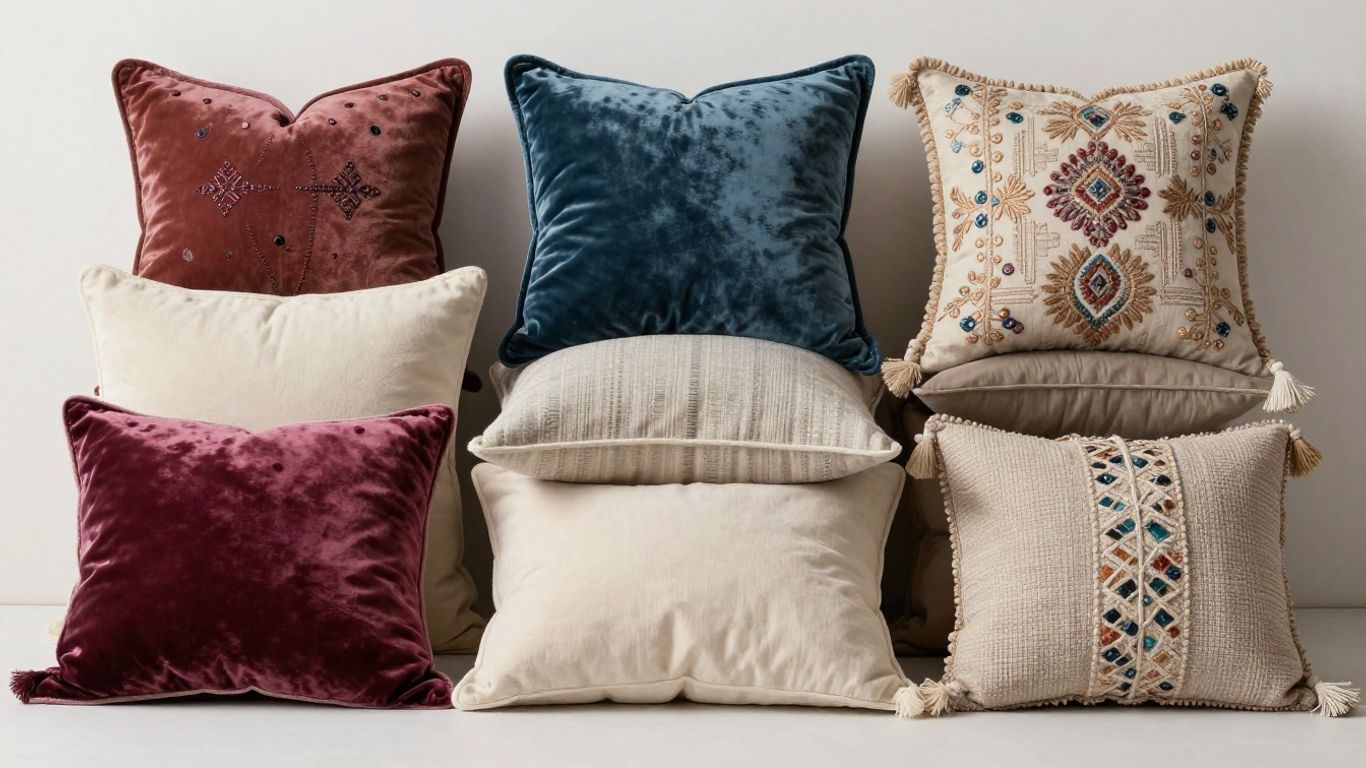
Adding Buttons and Ribbons
Want to give your pillow covers a little something extra? Buttons and ribbons are super simple ways to do just that. You can sew on a few cool buttons in a pattern, or maybe tie a nice ribbon around the whole thing. It’s a quick way to make a plain cover look way more interesting. Think about using chunky wooden buttons for a rustic vibe, or maybe some shiny pearl ones for a touch of glam. Ribbons can be tied in a bow, or even woven through loops if you’re feeling fancy. These small touches can really change the whole feel of a pillow.
Lace and Unique Details
If you’re going for a softer, more romantic look, lace is your best friend. You can sew a pretty lace trim all around the edges of your pillow cover. It adds a delicate touch that’s hard to beat. Beyond lace, think about other unique details. Maybe some fabric paint to create your own design, or even some cool tassels. It’s all about making it yours. You could even try adding some small, flat beads for a bit of sparkle. Just make sure whatever you add won’t get in the way when you’re actually trying to use the pillow.
Balancing Embellishments with Comfort
When you’re adding all these fun bits and pieces, it’s important not to forget about comfort. Nobody wants to lean back on a pillow that’s scratchy or pokey. So, when you’re picking out buttons, ribbons, or lace, feel them. Are they soft enough? Will they snag on clothes? For example, if you’re making a pillow for a reading nook, you’ll want it to be super comfy. Maybe a pillow with a lot of bulky embellishments isn’t the best choice there. It’s a good idea to test out your embellished pillow yourself before you put it on display. You can even make your own DIY fall pillow covers with some simple additions.
It’s easy to get carried away with all the decorative possibilities. Remember that the primary function of a pillow is comfort. While embellishments add personality and style, they shouldn’t detract from the pillow’s usability. Consider the placement and material of any additions carefully to ensure a pleasant tactile experience.
Mastering Pillow Cover Techniques
Essential Sewing Skills
Getting your pillow covers just right often comes down to the stitches you use. For most projects, a good old straight stitch is your best friend. It’s strong and makes a clean line. Then there’s the zigzag stitch, which is super handy for finishing edges so they don’t fray, or for sewing on stretchy fabrics. If you’re feeling a bit more adventurous, techniques like French seams can give your pillow covers a really polished, professional look on the inside, almost like a store-bought item. It’s worth practicing these on some scrap fabric first, just to get a feel for them. You don’t need to be a master tailor, but knowing these basics makes a big difference.
Accurate Measuring and Cutting
This is where things can go wrong if you’re not careful. You need to measure your pillow insert precisely. Don’t just guess! Add a little bit for the seam allowance – usually about half an inch on each side. Using sharp scissors or a rotary cutter is key here. Dull blades can make fabric bunch up and lead to jagged edges that are hard to work with. Precise measurements ensure a snug fit. It’s like baking; if your ingredients aren’t measured right, the cake might not turn out as expected.
Inserting Zippers and Closures
How you close your pillow cover matters for both looks and practicality. Zippers are great because they make it super easy to get the pillow insert in and out for washing. They can look really neat, too, especially if you match the zipper color to your fabric. Another popular option is an envelope closure. This is basically where the back fabric overlaps, creating a pocket for the insert. It’s often simpler to sew than a zipper and gives a clean, classic look. There are also button closures or even simple ties, depending on the style you’re going for.
Choosing the right closure method depends on your skill level and the overall design you want. For beginners, an envelope closure is often the most forgiving and still looks fantastic. If you want something that feels a bit more high-end, a well-inserted zipper is the way to go.
Final Thoughts
So, there you have it. Changing out your pillow covers is a super simple way to give any room a fresh look without a lot of fuss or a big price tag. Whether you’re going for a whole new vibe or just want to add a pop of color, the right pillow covers can really make a difference. Don’t be afraid to mix and match different textures and patterns to find what feels right for your space. It’s all about making your home feel cozy and totally you.
Frequently Asked Questions
What’s the best way to pick the right size pillow cover?
It’s a good idea to get a pillow insert that’s one size bigger than your pillow cover. For example, if you have a 20×20 inch cover, try a 22×22 inch insert. This makes your pillow look full and comfy, not flat.
What kind of pillow inserts should I use?
For a nice, plush look, feather-down inserts are great. If you’re allergic or prefer something else, down-alternative inserts are a good choice. For outdoor pillows, make sure they’re made to handle the weather.
How do I make my pillows look fluffy and full?
You can fluff up a new pillow insert by tossing it in the dryer for a few minutes without heat. Doing this now and then for older pillows can also help them look fresh and full again.
What fabrics are best for pillow covers?
For everyday use, cotton or polyester are good because they’re tough and easy to wash. If you want something fancy, think about velvet or faux fur for a cozy feel. Natural fabrics like linen are also nice and breathable.
How can I easily change up my room’s look with pillows?
Pillow covers are awesome for quick makeovers! Instead of buying whole new pillows, you can just swap out the covers. It’s a simple and cheap way to try new colors, patterns, or textures.
Is it hard to sew my own pillow covers?
Not at all! There are lots of easy tutorials online, even for no-sew options. Once you know basic stitches, you can make your own unique covers. It’s a fun way to get creative.
How do I clean my pillow covers?
Many pillow covers can be machine washed, especially those made of cotton or polyester. Always check the tag for washing instructions. Removable covers make cleaning super easy.
Can I add decorations to my pillow covers?
Yes, you can add things like buttons, ribbons, or lace to make your pillow covers special. Just make sure they’re attached well so they don’t fall off and that they don’t make the pillow uncomfortable to use.