
Getting a good night’s sleep during pregnancy can feel like a real challenge. Your body is changing so much, and finding a comfortable position can be tough. That’s where a pregnancy pillow comes in. It’s not just a fancy cushion; it’s a tool to help you rest better, ease those new aches, and support your body as it grows that little one. This guide will help you figure out what kind of pregnancy pillow might be best for you.
Key Takeaways
- A pregnancy pillow is designed to help you sleep more comfortably on your side, which is often recommended during pregnancy for better blood flow and reduced swelling.
- Different shapes like U, C, and J offer various levels of support for your belly, back, hips, and knees.
- Look for features like removable, washable covers, the right firmness for your comfort, and fill materials that suit your needs.
- Consider the size of the pillow in relation to your body and your bed, especially if you share your bed with a partner.
- Beyond sleep, a pregnancy pillow can help reduce pressure on your hips and back, improve circulation, and even be useful for nursing after the baby arrives.
Understanding Your Pregnancy Pillow Needs
Pregnancy is a time of big changes, and sometimes, getting a good night’s sleep can feel like a distant memory. Your body is working overtime, and that means aches, pains, and general discomfort can make finding a comfy position a real challenge. That’s where a dedicated pregnancy pillow comes in. It’s not just another pillow; it’s a tool designed to help you rest better during this demanding period.
Why a Dedicated Pregnancy Pillow Matters
As your pregnancy progresses, your body shifts in ways that can make your usual sleeping setup feel totally inadequate. Doctors often suggest sleeping on your left side, especially in the later months, to help with blood flow and reduce pressure. But staying in one position all night can be tough without some extra help. A pregnancy pillow is built to cradle your changing shape, offering support that standard pillows just can’t match. It’s about making sleep achievable, not just a hopeful wish.
Identifying Your Discomfort Zones
Think about where you’re feeling the most strain. Is it your lower back? Your hips? Maybe your neck feels stiff, or your legs ache. Pinpointing these areas is the first step to finding the right kind of support. Different pillows are shaped to target specific problem spots.
- Back Pain: Often felt in the lower or mid-back, exacerbated by the growing belly.
- Hip Pain: As your pelvis shifts and loosens, hips can become sore.
- Leg Swelling/Aches: Elevating legs can help, but support is needed.
- Neck and Shoulder Stiffness: Especially if you’re trying to maintain side sleeping.
A good pregnancy pillow can make a significant difference in how rested you feel. It’s an investment in your well-being during a time when you need it most.
The Role of Pregnancy Pillows in Sleep Quality
Sleep quality can really take a hit during pregnancy. Waking up frequently, tossing and turning, or just feeling generally unrested are common complaints. Pregnancy pillows help by:
- Stabilizing your body: They keep you from rolling onto your back or stomach unintentionally.
- Aligning your spine: Proper support can reduce strain on your back and hips.
- Reducing pressure points: They distribute your weight more evenly, easing discomfort.
By addressing these issues, a pregnancy pillow can help you achieve deeper, more restorative sleep, which is so important for both you and your baby. Finding the best full body pregnancy pillow can be a game-changer for many expectant mothers.
Exploring Popular Pregnancy Pillow Shapes
When you’re pregnant, sleep can feel like a distant memory. Suddenly, your usual sleeping position feels impossible, and finding a comfortable spot becomes a nightly challenge. That’s where pregnancy pillows come in, and they aren’t one-size-fits-all. The shape of the pillow plays a huge role in how it supports you. Let’s break down the most common shapes you’ll find and what they’re good for.
The Versatile U-Shaped Pregnancy Pillow
The U-shaped pillow is like a full-body hug. It’s designed to cradle you from head to toe. You typically rest your head in the bottom curve of the ‘U’, and the two long sides support your back and belly. This shape is fantastic because it allows you to switch sides easily without having to reposition a bunch of regular pillows. It’s great for keeping your hips aligned and providing support for both your back and growing bump. Some people find them a bit bulky, but for many, the all-around support is worth it. If you’re a side sleeper or tend to toss and turn, this shape might be your best bet. For those who sleep hot, look for U-shaped options with breathable covers, like some made with cotton batting.
The Supportive C-Shaped Pregnancy Pillow
Think of the C-shape as a more compact version of the U. It’s often used to support just one side of your body. You can position it to support your head, neck, and back, or tuck it between your knees and under your belly. It’s a good choice if you don’t need full-body cradling or if you have a smaller bed. C-shaped pillows are also quite adaptable. You can use them to prop yourself up while reading or watching TV, and they can be helpful for easing pressure on your hips and lower back. They’re generally easier to maneuver than their U-shaped counterparts.
The Targeted J-Shaped and Wedge Options
These shapes are more about specific support. The J-shaped pillow is great for side sleepers. The curved top part supports your head and neck, while the longer part can be placed between your knees or behind your back. It’s a bit like a C-shape but with an added curve for extra head support. Wedge pillows are smaller, triangular cushions. They’re super versatile. You can slide a wedge under your belly for extra tummy support, place one behind your back for lumbar support, or even use one between your knees. Many moms find that using a wedge pillow in conjunction with another larger pillow gives them just the right amount of customized support where they need it most. They’re also handy for travel or just for adding a little extra comfort to your regular bed setup.
Choosing the right shape often comes down to your personal sleeping habits and where you feel the most discomfort. Don’t be afraid to experiment with regular pillows at home first to get a feel for what kind of support you might need before committing to a specific pregnancy pillow shape.
Key Features for Optimal Comfort
When you’re pregnant, getting a good night’s sleep can feel like a distant dream. That’s where the right pregnancy pillow comes in. But with so many options, how do you pick one that actually feels good? It really comes down to a few key things: how firm it is, what the cover feels like, and what’s inside.
Assessing Firmness and Pressure Relief
Firmness is a big deal. Too soft, and you’ll sink right in, getting zero support. Too firm, and it’s like sleeping on a brick, which isn’t exactly comfortable either. You want something that gives a little but still holds you up. Think about where you feel the most aches – your hips, your back, your belly? A good pillow should cushion those spots without letting you sag.
- Medium-firm: Often the sweet spot, offering support without being too hard.
- Too soft: Can lead to sinking and lack of support, worsening pain.
- Too firm: Feels uncomfortable and doesn’t contour to your body.
The goal is to find a pillow that cradles your body, taking pressure off those sensitive areas so you can actually relax.
Evaluating Cover Fabric and Temperature Regulation
Let’s talk about the cover. You’ll be snuggled up against it all night, so it needs to feel nice. Breathable fabrics are your best friend here, especially if you tend to get hot. Cotton is a classic choice because it breathes well and feels soft. Some pillows use special blends, like bamboo or polyester, that are designed to wick away moisture and keep you cool. If you’re a hot sleeper, definitely look for something that mentions cooling properties. Waking up in a sweat is no fun, and a good cover can make a huge difference. Some covers are made from a viscose/polyethylene blend that testers found to be quite cooling against the skin.
Considering Fill Material and Loft
What’s inside the pillow matters just as much as the outside. You’ll see a few common types of filling:
- Polyester fiberfill: This is common, often fluffy and can be quite supportive. It’s usually a good all-around choice.
- Memory foam: Known for its ability to mold to your shape, but some types can trap heat. It’s often used in smaller wedges.
- Polyfoam: Similar to memory foam but generally firmer, offering more robust support.
- Microbeads: Found in smaller pillows, these offer great contouring but can sometimes be noisy.
Loft refers to the pillow’s height or thickness. This ties back to firmness and support. A pillow with a good loft will keep your body properly aligned, especially your neck and spine, which is so important when your center of gravity is shifting. Some pillows are designed to be adjustable, letting you add or remove fill to get that perfect height and firmness just right for you. Finding a full body pregnancy pillow that has the right fill and loft can make all the difference in how well you sleep.
Prioritizing Ease of Use and Care
Okay, so you’ve found a pillow that feels amazing, but what about the day-to-day stuff? Let’s be real, when you’re pregnant, anything that adds extra work is a big no-no. We need things to be simple, straightforward, and not a hassle to keep clean. The best pregnancy pillows are designed with busy moms-to-be in mind.
Removable and Washable Covers
This is a non-negotiable, in my book. Spills happen, you sweat, and sometimes things just get a little… lived-in. Having a cover that you can easily zip off and toss in the washing machine is a lifesaver. It means you can keep your pillow fresh and hygienic without a ton of effort. Some pillows come with just one cover, while others might offer a spare, which is super handy if one is in the wash. Always check the care instructions before you buy, though. Some materials, like natural latex or wool fills, can’t just be thrown in the wash and might need special attention or professional cleaning.
Initial Setup and Expansion Time
When your pillow arrives, it might be compressed. Some pillows need a good 24 hours to fully fluff up and reach their intended shape and size. This isn’t a huge deal, but it’s something to be aware of. You don’t want to unbox it expecting immediate comfort only to find it’s still a bit flat. If you’re on a tight timeline or just impatient (I get it!), look for pillows that expand quickly or require minimal setup. It’s usually just a matter of giving it a good shake and letting it sit.
Long-Term Durability and Maintenance
Think about how long you’ll be using this pillow. You’ll likely want it throughout your entire pregnancy, and maybe even for a bit postpartum. So, how well is it going to hold up? Look for sturdy stitching and quality materials. Does the fill seem like it will clump or lose its shape after a few months? Reading reviews can give you a good idea of how well a pillow holds up over time. Some pillows are built to last, while others might start to sag sooner than you’d like. It’s worth considering the overall quality to make sure you’re getting good value for your money and won’t need to replace it halfway through your pregnancy.
Taking care of your pregnancy pillow doesn’t have to be complicated. Focus on features that simplify your life, like easy-to-clean covers and durable construction. This way, your pillow remains a source of comfort, not an added chore.
Selecting the Right Size and Fit
Finding a pregnancy pillow that fits both your body and your bed is super important. It’s not just about how much space it takes up, but how well it actually supports you where you need it most. Think of it like finding the right pair of shoes – if they don’t fit right, they’re just going to cause more problems.
Matching Pillow Dimensions to Your Body
Pregnancy pillows come in all sorts of lengths and thicknesses. If you’re on the taller side, you’ll probably want to look for longer options, often around 65 inches. Shorter folks might find that a slightly smaller pillow works just fine, maybe even better, as it won’t overwhelm you. It’s also about how much loft, or height, the pillow has. A pillow that’s too thick for your head and neck might not keep your spine aligned properly, especially if you’re not a side sleeper. Some pillows are designed with adjustable firmness and loft, which can be a game-changer for getting that perfect personal fit. You can even try using regular pillows to mimic different shapes and sizes to see what feels best before committing to a specific pregnancy pillow.
Considering Bed Size and Partner Space
This is a big one, especially if you share your bed. A giant U-shaped pillow can take up a significant chunk of real estate. If you have a smaller bed or your partner likes their space, you might need to consider a more compact C-shaped or wedge pillow. It’s a balancing act between getting the support you need and not completely crowding out your partner. Some people even opt for a second pillow for their camper or travel, so it’s worth thinking about how much space you’re willing to give up.
Adjustable Features for Changing Needs
Pregnancy is a journey, and your needs change week by week. What felt supportive one month might feel different the next. This is where adjustable features really shine. Some pillows have fasteners or microbeads that let you change the firmness and shape. You can make it softer in some spots and firmer in others, or adjust the height. This kind of flexibility means your pillow can adapt with you throughout your entire pregnancy, and even into the postpartum period. It’s like having a custom-fit pillow that evolves as your body does. For example, you might want a thinner area near your knees but more support for your head and neck. Being able to tweak these things makes a huge difference in comfort and sleep quality.
It’s easy to get caught up in all the fancy features, but sometimes the simplest solutions are the best. Think about what specific aches and pains you’re trying to address. Are you mostly worried about your hips, your back, or just general comfort? Knowing your main problem areas will help you zero in on the right size and shape, rather than just picking the biggest or most popular option. Remember, the goal is to feel more rested, not to wrestle with your bedding all night.
Beyond Sleep: Additional Benefits
Sure, getting a solid night’s sleep is probably why you’re looking into a pregnancy pillow in the first place. And that’s totally understandable! But these supportive companions do more than just help you catch some Zs. They actually offer a whole range of benefits that can make your pregnancy journey a bit smoother, day and night.
Reducing Hip and Lower Back Pressure
As your belly grows, it shifts your center of gravity, putting extra strain on your hips and lower back. A good pregnancy pillow, especially one that supports your legs and belly, helps keep your spine aligned. This alignment takes a lot of the pressure off those joints. Think of it like this: instead of your hips and back bearing the full weight of your changing body, the pillow helps distribute it more evenly. This can mean waking up with fewer aches and pains, and feeling more comfortable just standing or walking around.
Improving Circulation and Reducing Swelling
Sleeping on your side, particularly your left side, is often recommended during pregnancy because it helps with blood flow to the baby and reduces pressure on your liver. A pregnancy pillow makes staying in this position much easier. By supporting your belly and keeping your hips aligned, it prevents you from rolling onto your back. Better circulation means less fluid buildup, which can help reduce swelling in your legs and feet. It’s a simple change that can make a noticeable difference in how your body feels.
Assisting with Heartburn and Acid Reflux
Heartburn can be a real pain during pregnancy, and lying flat can make it worse. Many pregnancy pillows, especially the wedge or C-shaped varieties, can help you sleep in a slightly elevated position. This elevation can keep stomach acid down where it belongs, offering some relief from that burning sensation. It’s not a cure, but it can certainly make sleeping more comfortable when reflux is an issue. Some people find that even a lumbar pillow placed strategically can help with this.
Postpartum Nursing Support
Don’t pack your pregnancy pillow away once the baby arrives! Many moms find they’re incredibly useful for postpartum nursing. You can position the pillow to support your back while you sit, or use it to prop up the baby, taking pressure off your arms and shoulders. This can make those long nursing sessions much more comfortable for both you and your little one. It’s like getting a second life out of your investment.
Making Your Final Pregnancy Pillow Choice
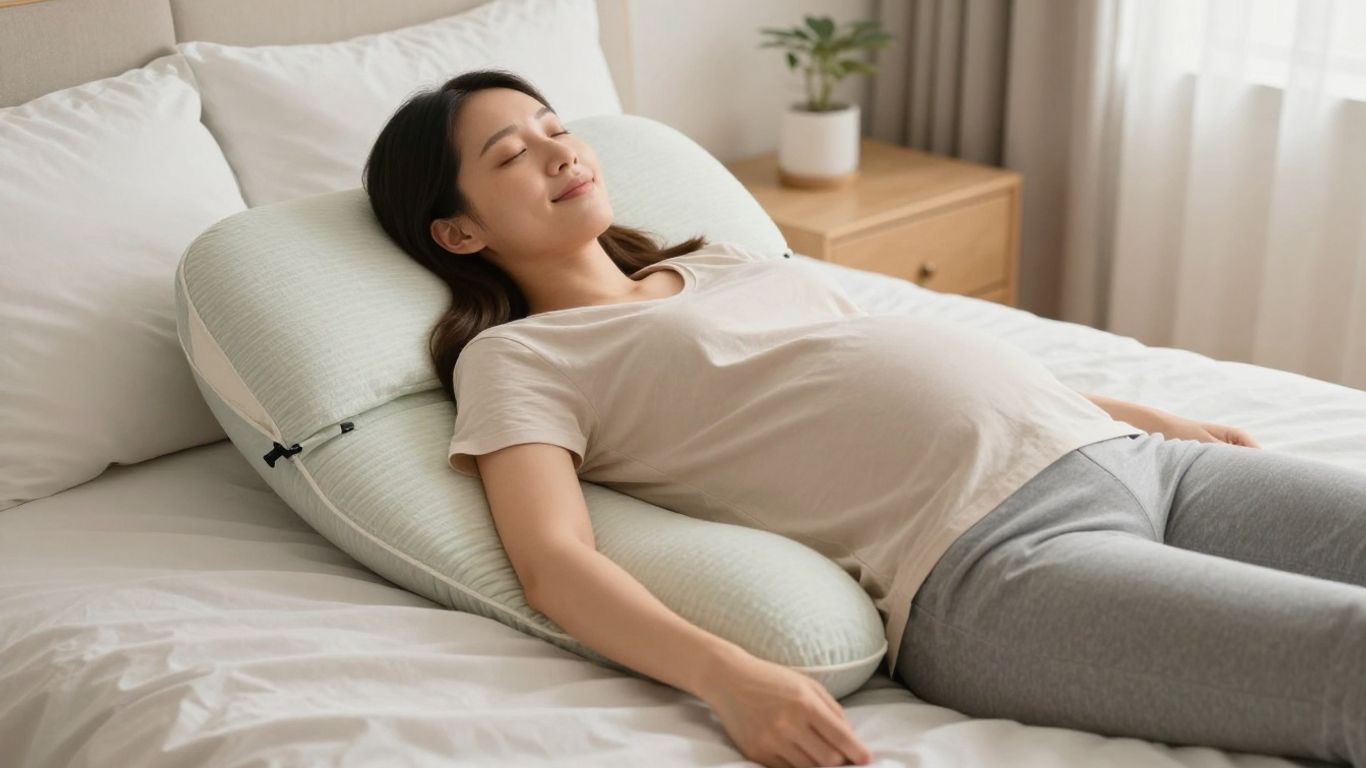
Balancing Support and Comfort
Okay, so you’ve looked at all the shapes and features, and maybe you’re feeling a little overwhelmed. That’s totally normal! The big thing to remember is that what works for one person might not work for another. It’s all about finding that sweet spot between feeling supported and feeling genuinely comfortable. Think about it: a pillow that’s super firm might be great for your back, but if it feels like sleeping on a brick, you’re not going to get much sleep. On the flip side, a pillow that’s too soft might feel nice at first, but it could leave you aching by morning. The goal is a pillow that cradles your body without making you feel like you’re sinking into oblivion.
Considering Value and Quality
When you’re looking at prices, it’s easy to get sticker shock. Some pregnancy pillows can cost a pretty penny. But here’s the thing: a cheaper pillow that flattens out in a few months or has a scratchy cover isn’t really a bargain, is it? You want something that’s built to last through your pregnancy and maybe even into the postpartum period. Look for good stitching, durable fabric, and a fill that bounces back. Sometimes, spending a bit more upfront means you won’t have to buy another pillow later. It’s a bit of an investment in your sleep and well-being.
Reading Reviews and Expert Recommendations
Honestly, reading what other pregnant people have to say can be a lifesaver. You can find tons of reviews online for different pillows. Look for comments about how the pillow held up over time, if it helped with specific pain points like hip or back pain, and how easy it was to clean. Sometimes, you’ll see people mention if a pillow was too hot or too firm, which are things you might not think about otherwise. It’s also smart to check out recommendations from parenting sites or even ask your doctor or midwife if they have any suggestions. They often have a good sense of what works for most people. For example, some people find that a good cervical neck pillow can make a big difference in overall comfort, even if it’s not specifically marketed as a pregnancy pillow.
Here’s a quick rundown of what to keep an eye out for in reviews:
- Durability: Did it hold its shape after a few weeks or months?
- Comfort for Specific Issues: Did it help with back pain, hip pain, or sciatica?
- Temperature: Did it make testers feel too hot?
- Washability: How easy was it to get the cover off and wash?
- Size: Was it too big for the bed or just right?
Remember, your pregnancy journey is unique. What feels amazing to your best friend might feel just ‘okay’ to you. Trust your gut and prioritize what feels best for your body and your sleep needs. Don’t be afraid to try a few options if possible, or at least read up on them thoroughly before committing. It’s worth the effort to get a good night’s sleep.
Innovative Pregnancy Pillow Technologies
Pregnancy pillows aren’t just about stuffing and fabric anymore. Manufacturers are really stepping up their game with some pretty neat tech designed to make your sleep as comfortable as possible. It’s not just about basic support; it’s about smart features that adapt to your changing body and needs.
Cooling Features for Hot Sleepers
If you find yourself waking up in a sweat, you’re not alone. Pregnancy can mess with your body temperature something fierce. Luckily, many newer pillows come with built-in cooling technologies. Think special fabrics infused with materials that wick away moisture, or even phase-change materials that absorb and release heat to keep you at a more stable temperature. Some covers are made with breathable weaves, like organic cotton or bamboo blends, that allow air to circulate better than traditional polyester. These cooling elements can make a huge difference in getting uninterrupted sleep.
Adjustable Firmness and Fill Options
What feels just right one week might feel too soft or too firm the next. That’s where adjustable pillows shine. Some designs let you customize the firmness by adding or removing fill material. Others have unique fastening systems that allow you to change the pillow’s shape and density in different areas. This means you can get more support for your back and less for your knees, or vice versa, all with the same pillow. It’s like having a pillow that grows and changes with you throughout your pregnancy. For example, the Bbhugme pillow uses fasteners to adjust its density, letting you fine-tune support where you need it most.
Ergonomic Designs for Specific Support
Beyond just general support, some pillows are designed with specific aches and pains in mind. You might find pillows with targeted lumbar support to help with lower back pain, or designs that specifically cradle your growing belly. Some advanced models even incorporate features aimed at improving circulation or reducing pressure on hips. These aren’t just generic shapes; they’re engineered to address common pregnancy discomforts. For those who struggle with staying on their side, which is often recommended for optimal blood flow, these ergonomic designs can be a lifesaver. You can find pillows that are specifically designed for optimal support for back sleepers, though side sleeping is often the goal.
The goal of these advanced technologies is to provide a personalized sleep experience. As your body changes daily, your pillow should ideally be able to adapt, offering relief and comfort without requiring you to constantly rearrange multiple standard pillows. This means less time spent fiddling and more time spent resting.
Pregnancy Pillow Materials and Construction
Exploring Fill Options: Polyester vs. Foam
When you’re picking out a pregnancy pillow, the stuff it’s made of really matters. It affects how it feels, how long it lasts, and even how well you sleep. Two of the most common things you’ll find inside are polyester and foam. Polyester fiberfill is super common, especially in the bigger, full-body pillows. It’s usually pretty soft but still gives you some support, and it lets air move through, which is nice if you tend to get warm at night. It’s also generally a budget-friendly choice and easy to clean.
Foam, on the other hand, is often used when you need more solid support and pressure relief. Memory foam is great because it really molds to your body, but sometimes it can trap heat. Polyfoam is a bit firmer and might offer more robust support for your back or belly. Some smaller pillows might even use microbeads, which are tiny polystyrene balls that contour really well.
The Benefits of Organic Cotton Covers
Now, let’s talk about the outside – the cover. Cotton is a popular choice because it’s breathable and feels nice against your skin. It’s good at soaking up moisture, which is a plus when you’re pregnant and might be feeling a bit warmer than usual. Many of the higher-end pillows now come with organic cotton covers, which is a big deal for a lot of expectant parents. Going organic means you’re avoiding potentially harsh chemicals that might be used in conventional cotton processing. This can be really important for creating a safer sleep space for both you and your baby.
Polyester covers are also out there. They’re really versatile and can be made to feel different ways, sometimes with a bit of stretch, which is handy for fitting over a big pillow.
Understanding Pillow Loft and Spinal Alignment
Loft refers to how thick or lofty a pillow is. The right loft is key for keeping your spine in a neutral position, especially when you’re side sleeping, which is often recommended during pregnancy. If a pillow is too flat, it might not lift your belly enough, and if it’s too puffy, it could push your body out of alignment. Finding that sweet spot helps reduce strain on your hips and lower back.
The goal is to find a pillow that supports your changing body without creating new aches or pains. It should fill the gaps between your body and the mattress, keeping everything lined up comfortably.
Different fill materials will have different lofts naturally. Polyester fiberfill tends to be quite lofty, while foam might have a more consistent, less variable loft. Some pillows even let you adjust the fill, so you can add or remove stuffing to get the perfect height and firmness for your needs. This adjustability is a big plus as your pregnancy progresses and your support needs change. For those looking for natural options, exploring organic pregnancy pillows can be a great starting point.
Navigating Different Brands and Models
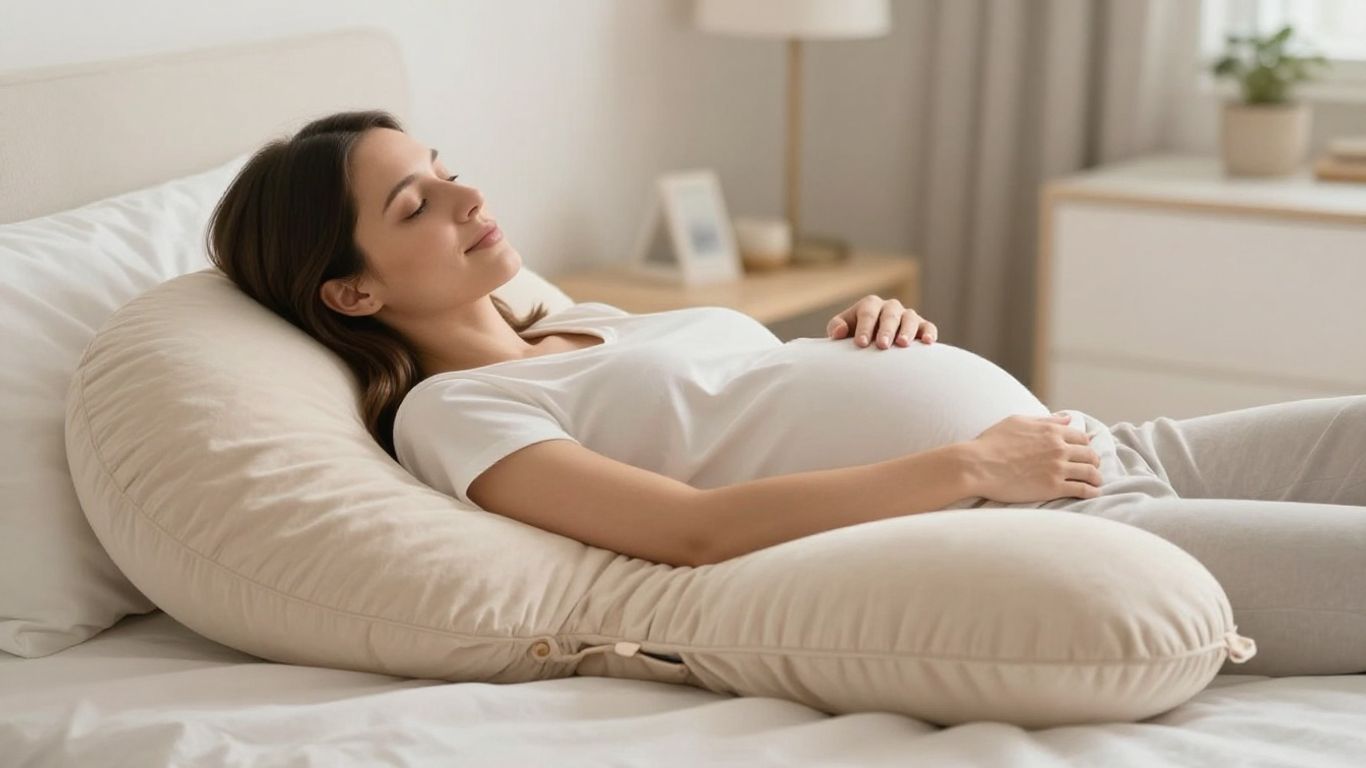
Okay, so you’ve figured out what kind of pillow shape might work best and what features you’re looking for. Now comes the fun (or maybe slightly overwhelming) part: actually picking one off the shelf, or, more likely, from a website. There are so many brands out there, and they all seem to have slightly different takes on what makes a pregnancy pillow great. It can feel like a lot to sort through, but let’s break it down.
Understanding Brand Offerings
Different companies focus on different things. Some brands really lean into the ‘cloud-like’ comfort, using super soft fills and plush covers. Others prioritize a more structured, supportive feel, maybe with firmer foam or adjustable elements. You’ll also see brands that specialize in organic materials, which is great if you’re sensitive to chemicals or just prefer a more natural approach. It’s worth looking at a few different brands to see what their core philosophy is. For example, some might offer a whole range of U-shaped pillows with minor variations, while others have a few distinct shapes and designs. It’s helpful to see what real expectant mothers and midwives are saying about specific brands.
Comparing Top-Rated Pregnancy Pillows
When you’re looking at specific models, it’s easy to get lost in the specs. Here’s a quick way to compare some popular choices:
| Brand/Model | Key Feature(s) | Typical Shape | Price Range (Approx.) | Notes |
|---|---|---|---|---|
| Coop Sleep Goods | Breathable fill, customizable loft | Body Pillow | $$ | Great for hot sleepers, can be adjusted for firmness. |
| Bbhugme | Adjustable firmness and shape with "pebbles" | Bolster/Custom | $$$ | Microbead fill, Oeko-Tex certified cover, versatile postpartum. |
| Queen Rose | Large, plush, good for lounging | U-Shaped | $$ | May need 48 hours to fully fluff, some prefer wedges for sleeping. |
| Snoogle (Leach & | Classic C-shape, good all-around support | C-Shaped | $$ | Widely available, many find it a solid starter pillow. |
| Fisher) |
Note: Prices are estimates and can vary based on sales and retailers.
Finding the Best Pregnancy Pillow for Your Budget
Let’s be real, pregnancy is expensive. You don’t necessarily need the priciest pillow to get good support. Sometimes, a simpler design from a well-regarded brand can be just as effective as a high-tech, high-cost option. Think about what your absolute must-haves are. If it’s just basic bump and back support, you might not need all the bells and whistles. On the other hand, if you’re a serious hot sleeper or have very specific pain points, investing a bit more in something like the Coop Sleep Goods body pillow might be worth it in the long run for the comfort it provides.
When you’re comparing, don’t just look at the price tag. Consider the materials, how easy it is to clean, and what kind of support it actually offers for your body. A pillow that’s a bit more expensive but lasts your whole pregnancy and beyond is often a better deal than a cheaper one that flattens out after a month.
Sweet Dreams Ahead
So, that’s the lowdown on finding a pregnancy pillow that actually works for you. It’s not just about getting through the night; it’s about making this whole pregnancy journey a bit more comfortable and restful. Remember, your body is doing amazing things, and it deserves some extra support. Whether you need something to cradle your belly, support your back, or just help you stay comfy on your side, there’s a pillow out there. Don’t be afraid to try a few if needed – your sleep (and your sanity) will thank you. Here’s to better sleep and a happier you!
Frequently Asked Questions
Why should I use a special pillow when I’m pregnant?
Pregnancy changes your body a lot! It can be hard to get comfy, especially when trying to sleep on your side, which is best for you and your baby. A pregnancy pillow helps support your growing belly, hips, and back, making it easier to sleep soundly.
What are the main shapes of pregnancy pillows?
There are a few popular shapes. U-shaped pillows hug your whole body, giving support all around. C-shaped ones are great for side sleepers, supporting your head and legs. J-shaped and wedge pillows are smaller and target specific spots like your back or belly.
How do I know which pillow shape is best for me?
Think about where you feel the most discomfort. If your whole body needs support, a U-shape might be good. If you just need help keeping your legs apart or supporting your back, a C or J shape could work better. Some people like wedges for just their belly or back.
What should I look for in the pillow’s material?
You’ll want a cover that’s soft and easy to clean, maybe made of cotton. Inside, different pillows use different stuffings like polyester or foam. Polyester is usually softer, while foam can be firmer and offer more support. Some pillows let you adjust how much stuffing is inside.
How important is the pillow’s size?
Size matters! A big pillow might be super comfy but could take up too much space in your bed, especially if you share it. Make sure the pillow fits your body and your bed. Some pillows come in different lengths to help you choose.
Can a pregnancy pillow help with things other than sleep?
Yes! Besides helping you sleep better, these pillows can help reduce pain in your hips and lower back. They can also help with swelling in your legs and even make it easier to breathe if you have heartburn.
What does ‘loft’ mean for a pregnancy pillow?
‘Loft’ is just how thick or high the pillow is. The right loft helps keep your spine straight while you sleep. If you have broader shoulders, you might need a thicker pillow, while someone with narrower shoulders might need a thinner one.
Are pregnancy pillows useful after the baby is born?
Definitely! Many moms find their pregnancy pillows are still super helpful after giving birth. They can be used to support you while breastfeeding or bottle-feeding your baby, making those feeding sessions more comfortable for both of you.