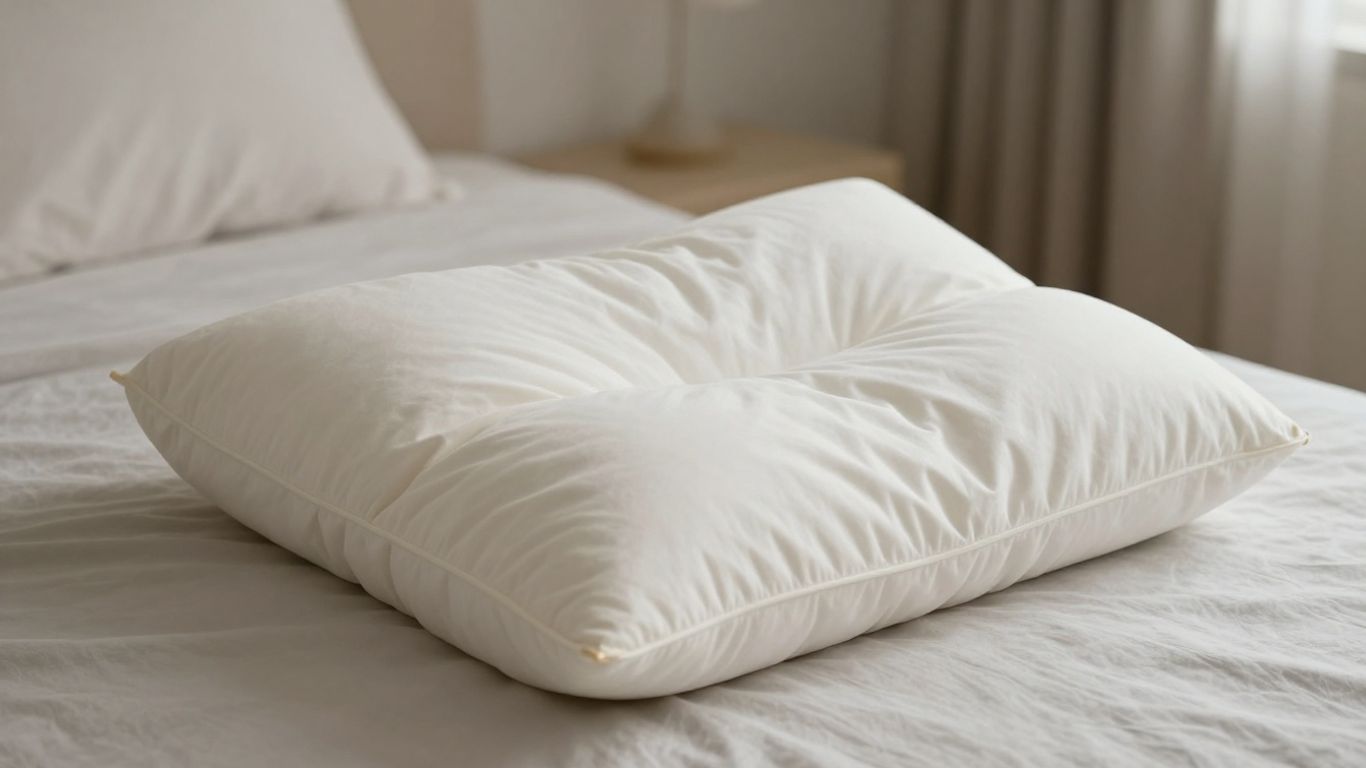
So, you’re a back sleeper, huh? That’s great, actually. Sleeping on your back is often seen as the best position for your spine. But let’s be real, finding the right pillow can still be a puzzle. It’s not just about something soft to rest your head on; it’s about getting that perfect support so you wake up feeling good, not stiff. We’ve looked at what’s new for 2026 and put together some thoughts on what makes a back sleeper pillow truly great. Think of it as upgrading your sleep game.
Key Takeaways
- Your spine needs to be straight when you sleep. If your head is tilted up or down, it’s bad news for your neck.
- Back sleepers need a pillow that fills the space under their neck without pushing their head too far forward.
- Newer materials like bio-foam are good for pressure relief, latex offers solid support, and some fabrics help keep you cool.
- Smart pillows that adjust on their own can be helpful, especially if you move around a lot or snore.
- Keep your pillow clean and know when to replace it. Using a cover helps, and different materials last different amounts of time.
Understanding Spinal Alignment for Back Sleepers
When you’re trying to get a good night’s sleep, especially if you tend to sleep on your back, paying attention to how your spine lines up is pretty important. It’s not just about comfort; it’s about keeping your body happy and healthy. For back sleepers, the goal is to keep your head, neck, and spine in a straight, relaxed line. Think of it like a perfectly stacked tower – if one piece is out of place, the whole thing can get wobbly.
The Crucial Role of Neutral Spine Positioning
Sleeping on your back is often seen as the best position for keeping your spine in a neutral alignment. This means your spine maintains its natural curves without being forced into awkward angles. When your spine is aligned, it helps reduce strain on your muscles and ligaments, allowing them to relax and repair overnight. This neutral position is key to preventing aches and pains that can pop up from poor sleeping posture. It’s like giving your body a chance to reset after a long day.
Cervical Lordosis Support: Cradling Your Neck’s Natural Curve
Your neck has a natural inward curve, called cervical lordosis. A good pillow for back sleepers needs to support this curve. It shouldn’t be too flat, which lets your head drop back, or too high, which pushes your head forward. The pillow should fill the space between your neck and the mattress, providing gentle support to that hollow part of your neck. This way, your neck muscles don’t have to work overtime to hold your head up. It’s about cradling your neck just right, so it feels supported and relaxed.
Pillow Loft Requirements for Optimal Back Sleeping
Loft refers to the height of the pillow. For back sleepers, the ideal loft is usually medium. It needs to be high enough to keep your head and neck aligned with your spine, but not so high that it pushes your head up at an angle. Generally, a loft between 3 to 5 inches works well for most back sleepers, but this can change based on your shoulder width and the firmness of your mattress. A pillow that’s too low can cause your head to strain backward, while one that’s too high can strain the front of your neck. Finding that sweet spot is what makes all the difference.
Here’s a general idea of pillow loft needs:
| Sleeping Position | Support Requirement | Recommended Loft |
|---|---|---|
| Side Sleeper | High Firmness | 5 – 7 Inches |
| Back Sleeper | Medium Support | 3 – 5 Inches |
| Stomach Sleeper | Low/Flat Support | 1 – 2 Inches |
Getting your pillow loft right is more than just a preference; it directly impacts how well your spine stays aligned throughout the night. A pillow that’s too thick or too thin can throw off your entire spinal column, leading to discomfort and potential long-term issues. It’s worth taking the time to figure out what works best for your unique body.
Innovations in Pillow Materials for 2026
Forget the lumpy, flat pillows of yesteryear. The world of sleep accessories has really stepped up its game, especially when it comes to what your pillow is actually made of. In 2026, we’re seeing some pretty cool advancements that go way beyond just stuffing a pillow with feathers or basic foam. These new materials are designed to work with your body, not just cushion your head.
High-Density Bio-Foam for Pressure Relief
So, that memory foam you might be used to? It’s getting a serious eco-friendly upgrade. Manufacturers are now using things like soy and algae to create what they’re calling high-density bio-foam. It still gives you that nice, sinking feeling that really cradles your head and neck, but it’s way more breathable. This means it’s less likely to trap heat, which is a big win for anyone who tends to overheat at night. It reacts to your body temperature more effectively, softening just where you need it without making you feel like you’re sleeping on a furnace.
Talalay Latex 2.0 for Buoyant Support
Natural latex has always been a solid choice if you prefer a pillow that feels more supportive and less like you’re sinking into it. The latest versions, often called Talalay Latex 2.0, are made from rubber sap that’s harvested sustainably. Plus, the manufacturing process is cleaner now, with fewer emissions. What’s great about latex is that it’s naturally resistant to things like mold and dust mites, which is a huge plus if you have allergies. It offers a sort of responsive, buoyant feel that keeps your head properly aligned without feeling stiff. It’s a great option if you’re looking for something that feels supportive but still has a bit of give. You can find some excellent options that use this material, like those from Coop Sleep Goods.
Phase Change Materials for Thermal Regulation
This one sounds like something out of a sci-fi movie, but phase change materials (PCMs) are becoming a real thing in premium pillows. Basically, these materials are woven into the pillow’s cover. They’re smart enough to absorb excess heat when you’re feeling too warm and then release that heat back if you start to get a little chilly later in the night. The goal is to keep you in a consistent, comfortable temperature zone, reducing those annoying little wake-ups that happen when your body temperature fluctuates too much. It’s like having a personal thermostat built right into your pillow.
The focus in 2026 is on materials that actively manage your sleep environment, rather than just passively sitting there. This means better temperature control, improved breathability, and a more responsive feel that adapts to your unique sleep needs throughout the night.
Advanced Pillow Technologies for Enhanced Sleep
AI-Integrated Adaptive Pillows
Forget about static pillows that are just "good enough." In 2026, we’re seeing a surge in AI-integrated adaptive pillows. These aren’t just fancy cushions; they’re smart sleep devices. Think of a pillow that actually knows when you’ve shifted positions during the night. Using tiny sensors and microscopic air chambers, these pillows can detect changes in your head’s pressure and subtly adjust their loft or firmness in real-time. This means if you roll from your back to your side, the pillow intelligently adapts to keep your spine aligned. It’s like having a personal sleep assistant, working all night to give you the best support possible.
Graphene-Infused Cooling Properties
If you tend to overheat at night, this next innovation is for you. Graphene, a material known for its incredible conductivity, is now being woven into pillow fibers. Its primary function? To actively draw heat away from your head and neck. This isn’t just about feeling cool initially; it’s about maintaining a consistent, comfortable temperature throughout the night. By dissipating heat efficiently, these pillows help prevent those disruptive micro-awakenings caused by feeling too warm. It’s a game-changer for hot sleepers looking for uninterrupted rest. Some of these innovative pillows even feature dual-material construction for better airflow and temperature regulation, available in different lofts to suit various sleeping positions, including back sleepers [9cd9].
Modular Designs for Customizable Comfort
Sometimes, a one-size-fits-all approach just doesn’t cut it. That’s where modular pillows come in. These designs allow you to customize the pillow’s loft and firmness by adding or removing internal components. Maybe you need a bit more support on one side, or perhaps your ideal loft changes depending on the season. With a modular pillow, you can tweak it until it’s just right for you. This level of personalization means you’re not stuck with a pillow that’s almost perfect; you can make it exactly perfect. It’s a smart way to invest in long-term comfort and support, especially for back sleepers who need a specific medium loft.
The evolution of pillow technology in 2026 moves beyond simple materials. We’re now looking at active systems that respond to your body and environment, aiming to create a truly personalized sleep experience. These advancements are designed to address common sleep disturbances like overheating and misalignment, making restorative sleep more accessible than ever.
Selecting the Ideal Back Sleeper Pillow
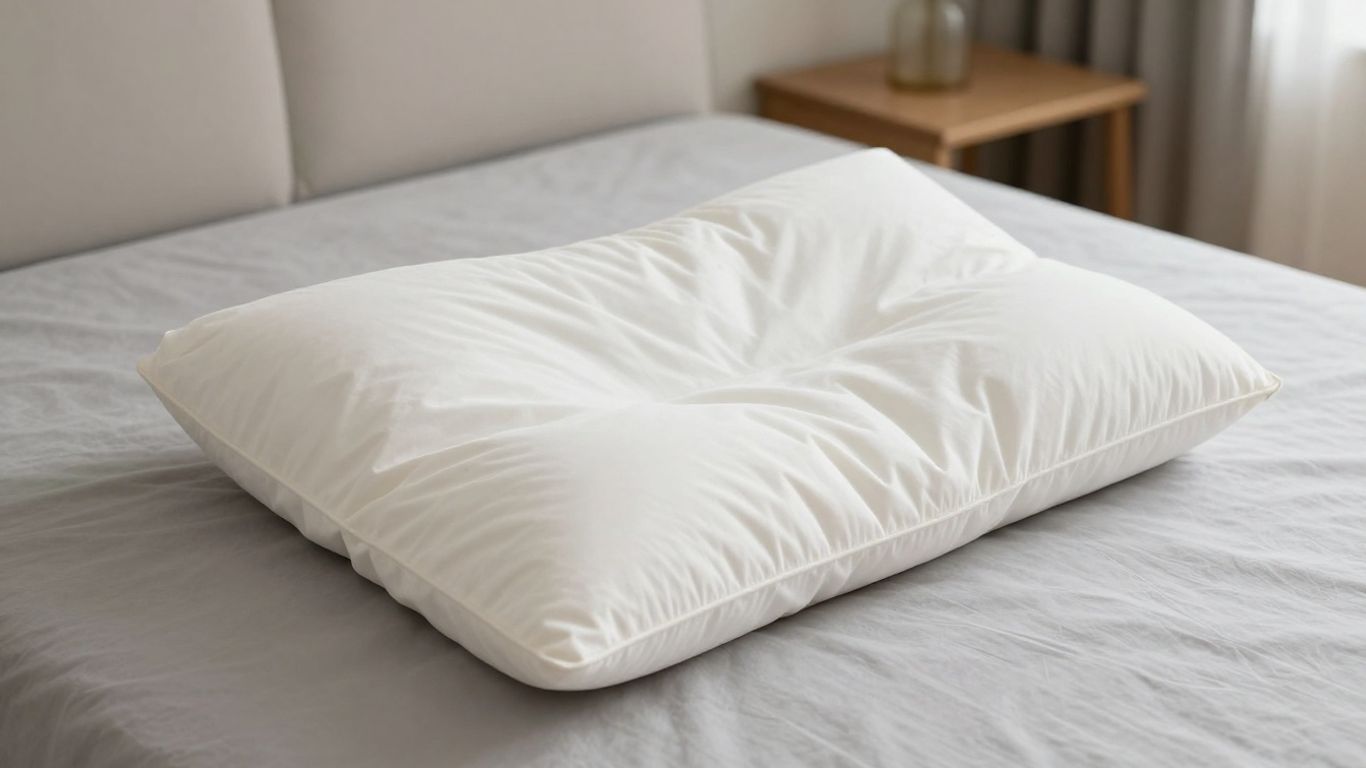
Finding the right pillow when you sleep on your back is all about keeping things aligned. It’s not just about comfort; it’s about making sure your head and neck are in a good spot all night long. A pillow that’s too flat or too high can mess with your spine, leading to aches and maybe even some snoring.
Assessing Your Personal Loft Needs
Loft, or the height of the pillow, is super important for back sleepers. You want a pillow that fills the space between your head and the mattress without pushing your head too far forward. Think about your body shape and how much space there is naturally. Some people have a more pronounced neck curve, needing a bit more support, while others might be fine with something a little less lofty. Generally, a medium loft is a good starting point.
- Measure your shoulder width: This gives you a rough idea of how much height you need to keep your spine straight.
- Consider your mattress firmness: A softer mattress lets you sink in more, potentially requiring a lower loft pillow.
- Think about your neck curve: A deeper curve might need a pillow with more support in the center.
The Importance of Contoured Support
For back sleepers, a pillow with a bit of a contour can be a game-changer. These pillows are often lower in the middle and higher around the edges, creating a natural cradle for your head and neck. This shape helps keep your neck in its natural curve, preventing it from tilting too far forward or sideways. It’s like giving your neck a gentle hug all night. Some pillows are designed with specific ergonomic shapes to support this natural alignment, like the Saatva Latex Pillow, which offers responsive support.
The goal is to support the natural ‘S’ curve of your spine. If your head is pushed too far up or falls too far down, you’re asking for trouble later on.
Choosing a Pillow That Elevates Your Head and Shoulders
When you lie on your back, your head and shoulders need to be at a level that keeps your spine straight. This means the pillow should support your neck while allowing your head to rest comfortably. It shouldn’t be so thick that it forces your chin to your chest, nor so thin that your head drops back. The right elevation helps keep your airways open, which can be a big help if you tend to snore. Look for pillows that offer a balanced feel, providing support without being overly firm. Some modern options, like the Nectar Tri-Comfort Cooling Pillow, allow for adjustments to find that perfect sweet spot.
Here’s a quick checklist:
- Neutral Spine: Does the pillow keep your head and neck in line with the rest of your spine?
- No Strain: Do you feel any pressure points or discomfort in your neck or shoulders?
- Comfortable Breathing: Can you breathe easily without feeling restricted?
Getting this right means you’re much more likely to have a night of truly restful sleep.
Key Features of a Superior Back Sleeper Pillow
When you’re looking for the best pillow for sleeping on your back, it’s not just about how soft it feels. There are some specific things to keep an eye out for that really make a difference in how well you sleep and how your body feels in the morning.
Targeted Neck Support and Alignment
This is probably the most important part for back sleepers. Your pillow needs to support the natural curve of your neck, also known as cervical lordosis. If the pillow is too flat, your head will fall backward, straining your neck. If it’s too high, it pushes your head forward, which isn’t good either. You want a pillow that fills that little gap between your neck and the mattress, keeping your head, neck, and spine in a nice, straight line. Some pillows are designed with a special shape, like a gentle curve, to cradle your neck just right. This kind of support helps your neck muscles relax instead of tensing up all night.
Pressure Relief for the Occipital Bone
Your occipital bone is at the back of your skull. A good pillow will support this area without putting too much pressure on it. Think of it like resting your head in a comfortable, supportive cradle. Some materials, like certain types of foam or latex, do a better job of distributing your weight evenly. This prevents that uncomfortable feeling of having a hard spot pressing into the back of your head, which can lead to headaches or just general discomfort.
Breathability and Temperature Management
Nobody likes waking up feeling hot and sticky. A pillow that traps heat can really mess with your sleep. Look for pillows made with materials that allow air to flow through them. Things like open-cell foam, perforated latex, or covers made from natural, breathable fabrics such as cotton or bamboo can help. Some newer pillows even have special materials that actively pull heat away from your head. Keeping cool is a big part of getting deep, restful sleep.
Here’s a quick look at what to consider:
- Loft (Height): For back sleepers, a medium loft is usually best, typically between 3 to 5 inches. This can vary based on your shoulder width and the firmness of your mattress.
- Firmness: You want enough support to keep your head from sinking too low, but it shouldn’t feel like a brick. A medium to medium-firm feel is often ideal.
- Material: Consider options like memory foam, latex, or hybrid designs. Each offers different levels of support, contouring, and breathability.
Choosing the right pillow isn’t just about comfort; it’s about supporting your body’s natural alignment. A pillow that’s too high or too low can cause strain, leading to pain and disrupted sleep. The goal is to find that sweet spot where your head and neck are properly supported, allowing your muscles to relax.
When you’re shopping, think about pillows that offer some adjustability. Maybe you can add or remove filling to get the height just right. This kind of customization can be a real lifegiver. For example, the Saybrook Sleep Adjustable Pillow is known for its firm, responsive feel and decent height, which can be a good starting point for many back sleepers.
| Feature | Importance for Back Sleepers |
|---|---|
| Neutral Spine Support | Keeps head, neck, and spine in a straight line. |
| Cervical Curve Cradling | Supports the natural inward curve of the neck. |
| Pressure Point Relief | Prevents discomfort at the back of the head. |
| Breathability | Helps regulate temperature for uninterrupted sleep. |
| Adjustable Loft | Allows for personalized height and support. |
The Buyer’s Protocol for Pillow Selection
So, you’ve read all about what makes a great back sleeper pillow, but how do you actually pick the right one? It’s not as simple as just grabbing the first fluffy thing you see. Think of it like buying a new pair of shoes – you wouldn’t just pick them up off the shelf without trying them on, right? Your pillow deserves the same attention. We’re going to walk through a few steps to make sure you get it right.
Utilizing Virtual Fitting Tools
Buying online can feel like a gamble, but thankfully, things have gotten smarter. Many companies now have these virtual fitting tools. You might upload a picture of yourself standing against a wall, and some clever software uses that to figure out your shoulder-to-neck ratio. Based on that, it can suggest a specific pillow height, or ‘loft’, that should work for you. It’s a pretty neat way to get a personalized recommendation without even leaving your house. It takes some of the guesswork out of the equation, which is always a plus when you’re trying to improve your sleep.
The 15-Minute Home Test for Comfort
When your new pillow finally arrives, don’t just give it a quick squeeze. That’s not going to tell you much. You really need to lie down on it, just like you would at bedtime, and stay there for at least 15 minutes. Pay attention to how your head and neck feel. Is your chin pointing straight up at the ceiling? That probably means the pillow is too flat. On the other hand, if your chin is tucked down towards your chest, the pillow is likely too high. You should also notice if your neck and shoulder muscles feel relaxed, like they’ve let go. If you feel like you’re still holding tension, the pillow isn’t quite right. It takes a little time for your body to settle in and tell you what it really thinks.
Understanding Sleep Trial and Return Policies
This is a big one. Never, ever buy a pillow, especially a pricier one, without a decent sleep trial. Your body needs time to get used to a new sleeping position and support. Sometimes, you might even feel a little sore for the first few nights as your spine adjusts. A good company will give you at least 30 nights to try the pillow out in your own bed. If it’s not working for you after a few weeks, you should be able to send it back without a hassle. Always check the details of their return policy before you buy, so you know what to expect if it doesn’t work out. It’s a sign of a company that stands behind its product.
Maintaining Your Pillow for Longevity
So you’ve found the perfect pillow, the one that finally lets you sleep soundly on your back. Awesome! But here’s the thing: even the best pillows don’t last forever. Taking care of it is key to making sure it keeps doing its job night after night. It’s not super complicated, but a little effort goes a long way.
Hygiene Practices for a Healthier Sleep
Your pillow is basically a magnet for sweat, skin cells, and all sorts of tiny allergens. Gross, right? Keeping it clean is a big deal for both your health and the pillow’s lifespan. Most modern pillows come with a dual-cover system, which is pretty handy. The outer cover is usually the one that gets the most action, so you’ll want to wash that regularly, maybe once a week with your sheets. This helps get rid of oils and anything else that builds up. The inner cover is often waterproof but still breathable, acting as a shield for the pillow’s core. While you can’t usually toss the actual pillow core in the wash (unless it’s one of those fancy new ‘smart fiber’ types), keeping the outer layers clean is a huge step. For those with allergies, this regular washing is a lifesaver, helping to wash away dust mites and other irritants that can mess with your sleep. If you’re looking for easy-to-clean options, check out pillows with removable, machine-washable covers.
Understanding Material Lifespans
Different pillow materials have different lifespans. It’s not like they come with an expiration date, but you can generally expect them to last a certain amount of time before they start losing their support. Paying attention to these timelines helps you know when it’s time to start shopping for a replacement.
Here’s a rough guide:
- Down or Alternative Fills: These tend to flatten out faster, usually needing replacement every 1 to 2 years.
- Memory Foam or Latex: These are more durable and can often last 3 to 4 years, sometimes even longer, because they bounce back better.
- AI/Smart Pillows: The tech might last a decade, but the fabric parts might need refreshing every 3 years.
How do you know if it’s time? If your pillow feels flat, lumpy, or just doesn’t spring back like it used to, it’s probably lost its supportive structure. A simple test is to fold it in half; if it doesn’t bounce back, it’s time for a new one.
The Benefits of Dual-Cover Systems
Dual-cover systems are a big deal for pillow longevity and cleanliness. You’ve got your outer cover, which is the part you’ll be washing most often. Think of it like a pillowcase for your pillowcase. It takes the brunt of the sweat and oils from your hair and skin. Then, there’s the inner cover. This layer is usually designed to be a barrier, often waterproof, to protect the pillow’s core materials from spills or moisture. This is super important for foam or latex pillows, as getting them wet can damage them. By keeping the core protected, you’re helping the pillow maintain its shape and support for much longer. It’s a simple design feature, but it really makes a difference in how long your pillow stays comfortable and supportive. It’s like giving your pillow a little suit of armor against the daily grind of sleep.
Addressing Specific Sleep Concerns
Pillows for Snoring Reduction
Snoring can really disrupt a peaceful night’s sleep, not just for you but for anyone sharing your room. It often happens when the soft tissues in your throat relax too much and partially block your airway. While a pillow isn’t a magic cure for serious issues like sleep apnea, it can make a big difference for simple snoring. The idea in 2026 is all about ‘Positional Therapy.’ This means using a pillow that helps keep your airways open. For back sleepers, this often means a pillow that gently elevates your head and neck, encouraging a position that’s less likely to cause that tell-tale rumble. Some pillows are even designed with a slight incline or specific contours to promote side sleeping, which is generally better for keeping airways clear.
Managing Allergies with Pillow Choice
If you wake up feeling congested or with itchy eyes, your pillow might be the culprit. Dust mites are tiny, and they love to make their homes in pillows. In 2026, many high-quality pillows come with "nano-weave" covers. These are woven so tightly that even microscopic dust mites can’t get through. It’s a simple but effective way to create a more hypoallergenic sleep environment. Look for certifications that indicate a pillow is friendly for those with asthma and allergies. Keeping your pillow clean is also key, of course.
Support for Sleep Apnea Sufferers
For individuals managing sleep apnea, especially those using a CPAP machine, pillow choice is incredibly important. Standard pillows can easily get in the way of the mask, causing leaks and making treatment less effective. Specialized CPAP pillows are designed with unique cut-outs or channels. These allow the mask and hose to sit comfortably without being pushed around, while still providing the necessary head and neck support for back sleepers. Finding the right pillow can significantly improve the effectiveness of CPAP therapy and overall sleep quality.
Here’s a quick look at pillow types and their benefits for specific concerns:
- Snoring: Pillows that promote side sleeping or offer gentle head elevation.
- Allergies: Hypoallergenic materials and tightly woven covers to block dust mites.
- CPAP Users: Pillows with specific cut-outs for mask comfort and stability.
Choosing the right pillow isn’t just about comfort; it’s about addressing specific health needs that impact your sleep. For back sleepers, this means finding a pillow that supports your natural alignment while also accommodating any breathing or allergy issues you might have. It’s a balancing act, but the right pillow can make a world of difference.
Expert Recommendations for Back Sleepers
When it comes to finding the perfect pillow for back sleeping, experts often point to a few key characteristics that make a big difference. It’s not just about softness; it’s about support that keeps your spine happy all night long. The goal is to maintain the natural curve of your neck without pushing your head too far forward or letting it drop back.
Pillows Designed for Neck Curve Support
For those who sleep on their backs, the primary concern is supporting the cervical lordosis – that’s the natural inward curve of your neck. A pillow that’s too flat won’t offer enough lift, causing your head to drop back and strain your neck. On the flip side, a pillow that’s too high can push your head forward, creating a similar kind of discomfort. Look for pillows with a distinct contour, often lower in the center where your head rests and slightly higher at the edges to cradle your neck. This shape helps keep your head aligned with the rest of your spine. Some people find that a pillow with a built-in neck roll provides that extra bit of targeted support they need. It’s all about finding that sweet spot where your neck feels relaxed and supported, not strained.
Adjustable Fill Options for Personalized Loft
One of the smartest choices you can make is opting for a pillow with adjustable fill. This means you can add or remove filling to get the exact height and firmness you need. Think of it like customizing your own support system. If you have a thinner neck, you might need less fill, while someone with a broader neck might need more. This adaptability is fantastic because your needs might even change over time, or if you switch mattresses. It’s a way to future-proof your pillow choice. Many of these pillows come with bags of extra filling, so you can experiment at home until it feels just right. It’s a hands-on approach to sleep comfort.
Contoured Pillows for Spinal Harmony
Contoured pillows are often a top recommendation for back sleepers, and for good reason. They are specifically shaped to fit the natural contours of your head and neck. The dip in the middle is designed to cradle your head, while the raised edges support your neck. This design actively encourages proper spinal alignment, preventing the common issue of the chin tucking too far towards the chest. This alignment is key to avoiding morning stiffness and neck pain. When your spine is in harmony, your muscles can relax properly throughout the night. Some popular options, like the Layla Kapok Pillow, are known for their ability to adapt to different sleeping positions while still offering good support for back sleepers.
Finding the right pillow isn’t just about comfort; it’s about health. A pillow that supports your natural spinal alignment can prevent chronic pain and improve your overall sleep quality. It’s an investment in your well-being that pays off night after night.
Your Best Sleep Awaits
So, we’ve gone over a lot about finding the right pillow for sleeping on your back in 2026. It’s not just about comfort anymore, right? It’s about making sure your head, neck, and spine are all lined up properly. With all the new materials and even smart tech out there, there really is something for everyone. Think about what you need – do you get hot at night? Does your neck feel stiff in the morning? Once you know that, check out the options we talked about. The goal is to find a pillow that just works, so well you don’t even notice it. When everything is in place, good sleep just happens. You deserve to wake up feeling good, so go ahead and invest in your sleep. Your future self will definitely thank you for it.
Frequently Asked Questions
Why is keeping my spine straight so important when I sleep on my back?
When you sleep on your back, the main goal is to keep your head, neck, and spine in a straight line, like a perfectly balanced ruler. If your head is tilted too much up or down, it can cause neck pain and headaches because your muscles have to work harder all night. A good pillow helps your neck keep its natural curve, letting your muscles relax.
How do I know if my pillow is the right height (loft) for me?
For back sleepers, the pillow should be just thick enough to fill the space between your neck and the mattress, supporting the natural curve of your neck without pushing your head too high. If your chin is pointing towards the ceiling, the pillow is too low. If your chin is tucked too far towards your chest, it’s too high. You should feel a sense of release in your neck and shoulder muscles.
What are these new pillow materials like Bio-Foam and Talalay Latex?
Think of Bio-Foam as a more natural memory foam, often made from plants like soy. It’s great at cushioning your head and neck and doesn’t get as hot as older foams. Talalay Latex is like a bouncy, supportive cushion that doesn’t let you sink in too much. It’s also naturally good at fighting off dust mites and allergens.
What are Phase Change Materials and AI-integrated pillows?
Phase Change Materials (PCMs) are like tiny temperature regulators woven into pillow covers. They absorb heat when you’re hot and release it when you’re cool, helping you sleep more soundly without waking up too hot or too cold. AI-integrated pillows use sensors to detect when you move and adjust their shape or firmness automatically to keep your spine aligned all night long.
How can I be sure a pillow is right for me before buying it?
Many companies now offer ‘virtual fitting’ tools online where they can suggest a pillow based on your body measurements. When you get the pillow, don’t just squeeze it! Lie down on it in your usual sleeping position for at least 15 minutes. Also, look for pillows that come with a ‘sleep trial’ period, usually 30 nights or more, so you can test it out at home.
What are the most important features to look for in a back sleeper pillow?
Key features include good neck support that cradles the natural curve of your neck, enough firmness to keep your head from sinking too low, and materials that help manage heat so you don’t get too warm. It should also be breathable to keep you comfortable throughout the night.
How often should I replace my pillow?
This depends on the material. Cheaper pillows might only last about 8 months before they lose their support. High-quality pillows made from materials like latex or good quality foam can last much longer, often 2 to 5 years. It’s time for a new one when it looks flat, feels lumpy, or you wake up with neck pain.
Can a specific pillow help with snoring or sleep apnea?
Yes, sometimes! For snoring or sleep apnea, a pillow that helps keep your head and neck elevated and aligned can open up your airways better. This can reduce the chances of your airway collapsing during sleep. Pillows designed to keep you on your back or gently tilt your head can be very helpful.