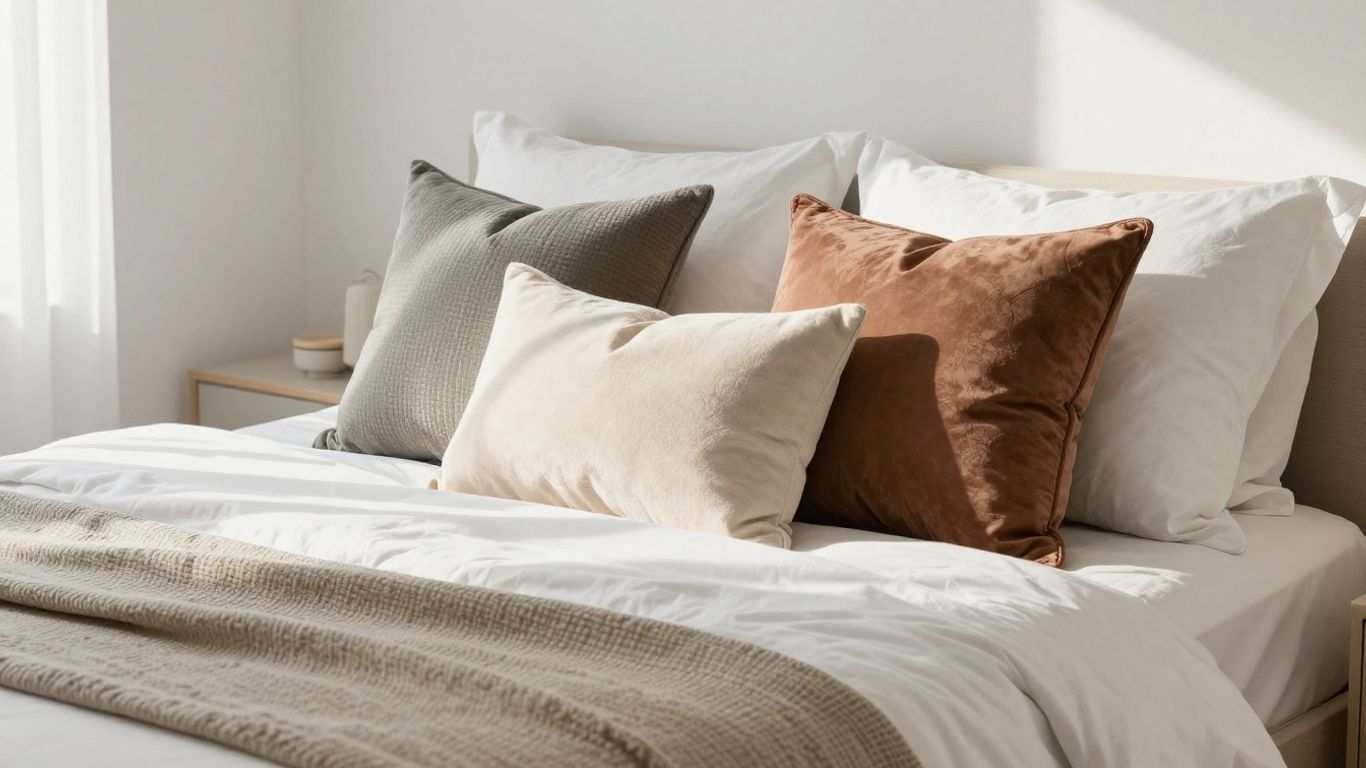
So, you’re looking to spruce up your bedroom, huh? Maybe make it feel a little more like a fancy hotel or just, you know, *nice*. Well, let me tell you, those little decorative pillows you see on beds, the ones that aren’t for sleeping on? They’re called throw pillows, and they’re actually a pretty big deal when it comes to making a bedroom look put-together. It’s not just about tossing a few on there; there’s a whole strategy to it, from picking the right colors and textures to knowing how many to use. Let’s dive into how to pick the best throw pillows for your bed and make your room feel like a total upgrade.
Key Takeaways
- Throw pillows for beds, often called decorative or accent pillows, are key for adding style and personality to your bedroom, transforming it into a more inviting space.
- When choosing throw pillows for bed, consider color palettes to either complement or contrast with your bedding, and think about textures like velvet or linen to add tactile interest.
- Mixing different sizes and shapes of throw pillows for bed, like squares and rectangles, creates a more dynamic and professional arrangement than using only one type.
- The quality of the fill and cover construction matters for throw pillows for bed, ensuring they hold their shape and look good over time, making them a worthwhile investment.
- Arranging throw pillows for bed using layering techniques and odd numbers can add depth and visual appeal, making the bed look more inviting and stylish.
Understanding The Role Of Throw Pillows For Bed
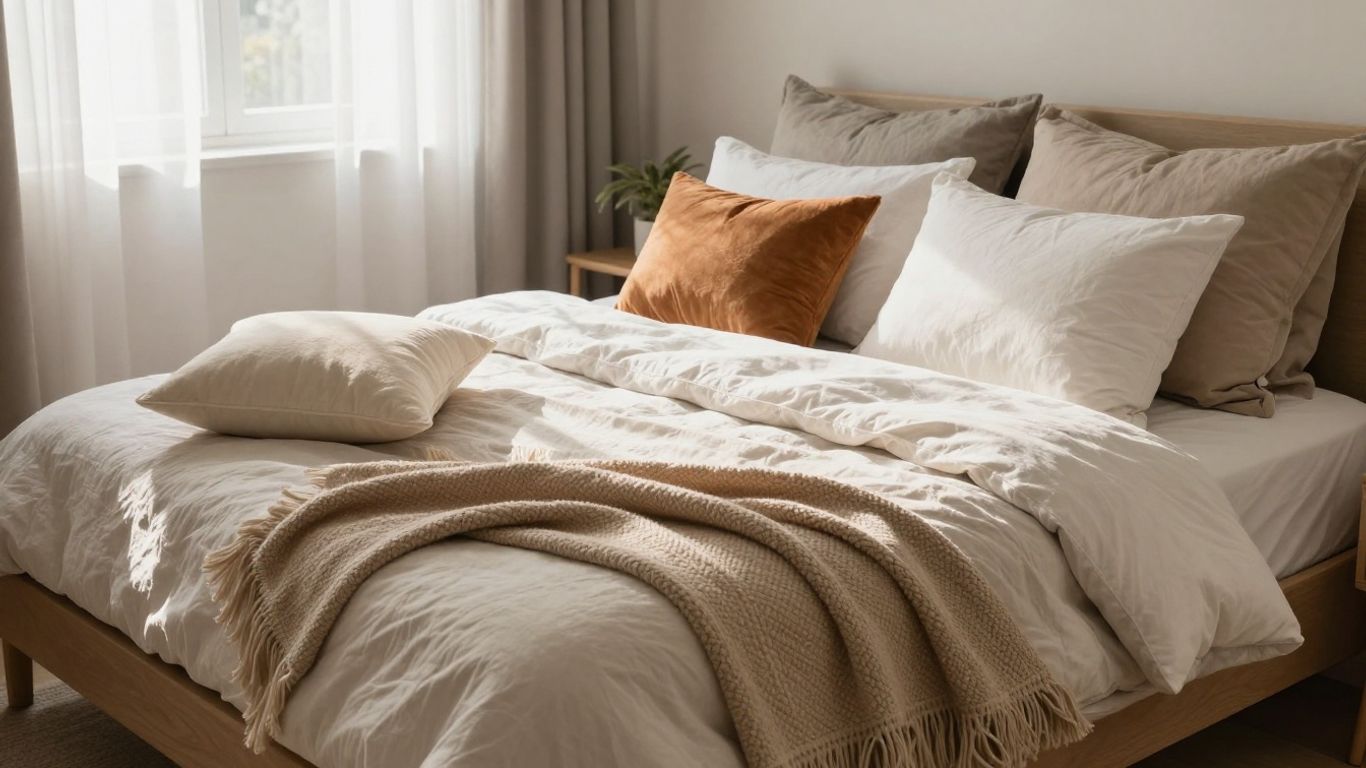
So, you’re looking to spruce up your bedroom, huh? Maybe make it feel a bit more like a fancy hotel room or just a place you really love to relax in. Well, let me tell you, throw pillows for beds are kind of a big deal in making that happen. They’re not just random fluffy things you toss on the bed; they actually do a lot. These decorative accents are key to adding personality and polish to your sleeping space.
What Are Throw Pillows For Beds Called?
It’s funny how many names these things have. You might hear them called decorative pillows for beds, accent pillows, or even scatter cushions. Sometimes, people just call them bed cushions. In the design world, they often use terms like "decorative cushions" to make sure everyone knows they’re not for sleeping. It’s all about making your bed look good, not necessarily for catching Z’s on.
The Purpose Of Decorative Pillows For Beds
Why bother with these extra pillows? For starters, they add visual interest. Think of them as the jewelry for your bed. They can make a plain bed look way more put-together and inviting. They also add texture and color, which can really change the whole vibe of your room. Plus, they can make your bed look bigger and more substantial, which is a nice bonus.
Throw pillows are specifically designed to enhance the visual appeal of your bed. They serve as a way to introduce color, pattern, and texture, transforming a functional sleeping area into a stylish focal point within the bedroom.
Can You Use Throw Pillows On A Bed?
Absolutely! That’s exactly what they’re made for. Interior designers use them all the time to make bedrooms look more luxurious and complete. They help fill out the space behind your headboard and draw the eye. Just remember, the trick is to use them smartly. You don’t want to pile on so many that it looks messy. It’s all about finding that sweet spot where they add to the look without getting in the way. Getting the right decorative pillows for beds can really make a difference.
Here’s a quick rundown of what they do:
- Add Style: They’re the easiest way to inject color and pattern.
- Create Depth: Layering different sizes makes the bed look more inviting.
- Boost Comfort (Visually): They make the bed look softer and more plush.
- Define the Space: They help make the bed the main attraction in the room.
When you’re picking them out, think about how they’ll work with your existing bedding and the overall feel of your room. It’s not just about buying pretty pillows; it’s about making your bedroom a place you truly enjoy.
Selecting The Perfect Throw Pillows For Bed
So, you’ve got your basic bedding sorted, but something feels a little… unfinished? That’s where throw pillows come in. They’re not just random cushions; they’re the accessories that really tie your bedroom’s look together. Picking the right ones can seem a bit tricky, but it’s mostly about playing with color, texture, and pattern to make your bed look inviting and stylish. Think of them as the jewelry for your bed.
Color Coordination Strategies
Color is probably the first thing you’ll notice, and it’s a big one. You want your throw pillows to play nicely with your duvet cover, sheets, and even your curtains. You don’t necessarily need them to match perfectly – in fact, that can sometimes look a bit too much like a catalog. Instead, aim for colors that complement each other.
- Echo Existing Colors: Pull a color from your duvet or accent pieces and use it in your pillows. This creates a sense of harmony.
- Introduce Accent Colors: If your bedding is mostly neutral, a pop of a brighter color can liven things up. Just make sure it doesn’t clash with the rest of the room.
- Consider the Light: Rooms that don’t get much sun might look better with warmer tones, while sunnier rooms can handle cooler shades.
Don’t be afraid to experiment with color. Sometimes the unexpected combinations are the ones that really make a statement and give your bedroom that unique personality.
Texture Considerations For Tactile Appeal
Beyond color, texture adds a whole other dimension. Mixing different textures makes your bed look more interesting and inviting to touch. Imagine a smooth linen pillow next to a plush velvet one – it just feels richer.
- Velvet: Adds a touch of luxury and depth.
- Linen: Offers a relaxed, natural feel.
- Knit/Chunky Weave: Brings a cozy, handmade vibe.
- Faux Fur: For ultimate softness and a glamorous touch.
Try combining a couple of these. A good starting point is often a larger, smoother pillow in the back and a smaller, more textured one in front. This layering technique works wonders for visual appeal.
Choosing Complementary Patterns
Patterns can be fun, but they can also be overwhelming if not chosen carefully. The key is to make sure your patterned pillows work with your bedding, not against it. If your duvet has a busy pattern, opt for simpler, solid-colored pillows or ones with a very subtle texture. Conversely, if your bedding is plain, you have more freedom to play with bolder patterns.
- Scale Matters: A large-scale floral pattern on a pillow might look great with a solid duvet, but it might compete with a bedding set that already has a smaller, intricate print. Try to vary the size of the patterns.
- Color Family Cohesion: If you’re mixing patterns, try to keep them within the same general color family. This helps them feel connected, even if the designs are different. For example, mix a geometric pattern with a floral one if they both use shades of blue and cream.
When in doubt, stick to patterns that are either very subtle or share a dominant color with your main bedding. This way, they add interest without creating visual chaos. It’s all about creating a balanced look that feels intentional and stylish. For inspiration on how different patterns can work together, you might look at examples of patterned bedding.
Arranging these elements thoughtfully is what turns a bed from functional to fabulous. It’s about creating a layered, inviting look that reflects your personal style. Remember, the goal is to make your bed a focal point that you love coming home to. Consider how the style of your headboard might influence your pillow choices too.
Mastering Size And Shape For Your Bed
Okay, so you’ve got your colors and textures sorted. Now, let’s talk about the actual physical stuff: size and shape. This is where things can get a little tricky, but also where you can really make your bed look professionally styled. It’s not just about throwing pillows on the bed; it’s about creating a visual composition.
Understanding Standard Pillow Dimensions
When you’re shopping, you’ll notice a few common sizes for decorative pillows. Square ones usually come in 18×18, 20×20, and sometimes even 22×22 inches. The bigger your bed, the bigger the pillows you can generally get away with. A king-sized bed can handle those larger 22×22 inch pillows, while a smaller twin bed might look a bit overwhelmed. It’s all about proportion, you know?
Here’s a quick rundown of common square pillow sizes:
| Pillow Size (inches) | Best For |
|---|---|
| 18×18 | Accent chairs, smaller sofas, twin beds |
| 20×20 | Most sofas, queen beds, king beds |
| 22×22 | Large sofas, king beds, California king beds |
Mixing Sizes For Dynamic Arrangements
Don’t just stick to one size! Mixing and matching is key to avoiding that ‘too uniform’ look. Try pairing a couple of larger square pillows with a smaller rectangular one, or maybe a round pillow thrown in for good measure. This layering of different sizes adds depth and keeps the arrangement from looking flat. It’s a trick that interior designers use all the time.
Think about starting with your largest pillows at the back, closest to the headboard. Then, layer in medium-sized ones, and finish with your smaller accent pillows right at the front. This creates a natural flow and visual interest. You can find some great guides on recommended throw pillow sizes for different bed types that can help you visualize this.
The Impact Of Shape On Visual Interest
Beyond squares, there are other shapes that can really spice things up. Lumbar pillows, which are long and narrow, are fantastic for adding a bit of support if you like to lean back against your pillows, but they also look great as a finishing touch. They break up a line of square pillows nicely. Round pillows, on the other hand, can soften the edges of your bed and add a playful touch. Using a single specialty shape, like a unique round pillow, can act as a focal point without making the whole bed look cluttered.
When you’re choosing shapes, think about the overall vibe you’re going for. A mix of squares and rectangles can feel more structured, while adding in round or bolster pillows can make the arrangement feel softer and more relaxed. It’s about balancing the geometry.
Don’t be afraid to experiment! Sometimes the best arrangements come from trying a few different combinations until something just feels right. You might find that a simple pair of 20x20s works perfectly, or maybe you need a trio of 18x18s with a lumbar thrown in. It really depends on your bed and your personal style. For more ideas on pillow sizes for your bed, check out some visual examples.
Quality And Material Matters
When you’re picking out throw pillows for your bed, it’s easy to get caught up in the colors and patterns. But honestly, the stuff they’re made of and how they’re put together makes a huge difference. It’s not just about looks; it’s about how they feel, how long they’ll last, and if they’ll actually make your bed comfier.
Evaluating Fill Materials For Longevity
The inside of a pillow is just as important as the outside. What’s stuffed inside determines how plush it feels, how well it keeps its shape, and how long it’ll stick around on your bed. You’ve got a few main options here:
- Down and Feathers: This is your classic, super-soft filling. Down is the fluffy stuff from geese or ducks, and it’s really light and warm. Feather fills are a bit more structured. Pillows with a good amount of down feel like clouds, but they can be pricier and might need a good fluffing now and then.
- Polyester Fiberfill: This is a common synthetic option. It’s usually pretty affordable and holds its shape well. It’s a good choice if you want something that’s easy to care for and doesn’t clump up too much.
- Foam: Some decorative pillows use foam, especially memory foam. This offers more support and can be great for leaning against. It’s less likely to go flat over time compared to softer fills.
The right fill will keep your pillow looking good and feeling comfortable for ages.
The Importance Of Cover Construction
How the pillow cover is put together really matters for both looks and durability. Think about the details:
- Stitching: Look for strong, even stitching. Loose threads or uneven seams are a sign of lower quality and mean the pillow might fall apart faster.
- Closures: Hidden zippers are usually a sign of a more thoughtfully made pillow. They look cleaner and don’t snag on things.
- Edging: Details like piping or welting around the edges add a finished look and can help the pillow keep its shape better.
Paying attention to how a pillow is sewn and finished can tell you a lot about its overall quality. It’s the little things that often make the biggest difference in how a pillow holds up over time.
Investing In Premium Bed Cushions
When you’re looking at higher-end pillows, you’ll often see natural fabrics like linen, cotton, silk, or even velvet. These materials not only look and feel luxurious but are also often more breathable and durable. For instance, Belgian linen is known for its strength and beautiful texture that only gets better with age. While these might cost more upfront, they tend to last longer and add a much richer feel to your bedroom. Think of it as buying a piece that will be a stylish part of your decor for years, rather than something you’ll need to replace next season. It’s about choosing items that bring both comfort and lasting style to your personal space.
Arranging Throw Pillows Like A Pro
Layering Techniques For Depth
So you’ve picked out some great pillows, but how do you make them look like they belong on a magazine cover? It’s all about building layers. Start with your sleeping pillows, usually placed flat against the headboard. Then, bring in your larger decorative pillows, like Euro shams, to create a solid base. Finally, add your smaller, more accent-style pillows in front. This layering adds dimension and makes your bed look plush and inviting. Think of it like building a visual story on your bed.
Symmetrical Versus Asymmetrical Layouts
When it comes to arranging pillows, you have two main paths: symmetrical or asymmetrical. Symmetrical layouts are all about balance and order. You might place two identical pillows on each side, or a pair of square pillows flanking a bolster. This style feels very classic and put-together. On the other hand, asymmetrical arrangements are more relaxed and modern. You could group three pillows on one side and leave the other side with just one or two. It’s a bit more free-form and can add a touch of personality. There’s no right or wrong here; it really depends on the vibe you’re going for.
The Power Of Odd Numbers
Ever notice how a group of three or five pillows just seems to work better than an even number? There’s a reason for that. Using an odd number of pillows often creates a more dynamic and visually interesting arrangement. It breaks up the monotony and draws the eye in a pleasing way. For instance, three square pillows in varying sizes or a central lumbar pillow with a smaller accent pillow on either side can look fantastic. It feels less rigid and more artfully composed. This is a simple trick that can make a big difference in how your bed looks.
Arranging pillows isn’t just about piling them up; it’s about creating a curated look. Consider the textures, sizes, and how they interact. A well-arranged pillow display can transform your bed from just a place to sleep into a stylish focal point in your room. It’s about adding that final touch that makes everything feel complete and intentional. Don’t be afraid to play around until it feels just right for your space.
Seasonal Styling With Throw Pillows
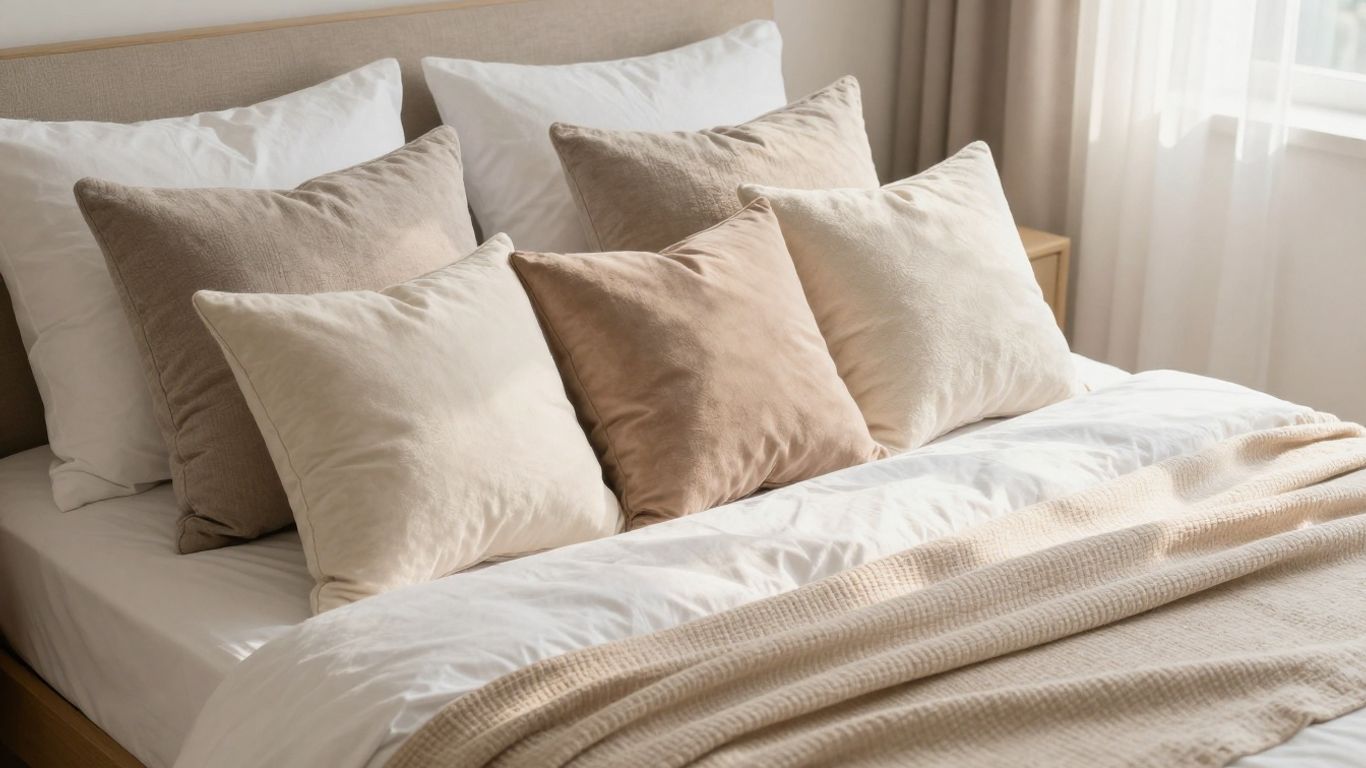
Changing up your throw pillows with the seasons is a super easy way to refresh your bedroom’s look without a total overhaul. It’s like giving your bed a little wardrobe update! Think about how the colors and textures of your room can shift throughout the year, and let your pillows do the heavy lifting.
Adapting Colors For The Seasons
When spring rolls around, you might want to swap out those deep winter hues for something lighter and brighter. Pastels, soft greens, and floral patterns can really bring that fresh, airy feeling into your space. Summer calls for vibrant colors and maybe even some playful patterns that remind you of vacation. As the weather cools down in autumn, you can transition to warmer tones like burnt orange, deep reds, and earthy browns. Think cozy textures and patterns that feel a bit more grounded. Winter is the perfect time for rich, deep colors – jewel tones, grays, and even crisp whites can make your bed feel like a warm, inviting retreat from the cold.
Choosing Fabrics For Different Climates
Fabric choice is a big deal when it comes to seasonal styling. For warmer months, you’ll want breathable materials like cotton or linen. These fabrics feel cool against the skin and look light and breezy. They’re also great because they tend to be easy to clean, which is always a plus. When it’s chilly outside, you can bring in heavier textures. Velvets, chenilles, or even faux fur can add a layer of warmth and luxury to your bed. These materials not only look cozy but also feel incredibly comforting when you’re snuggled up.
Budget-Friendly Seasonal Updates
Don’t think you need to buy a whole new set of pillows every few months. A really smart way to handle seasonal changes is to invest in good quality pillow inserts and then just swap out the covers. This saves money and storage space. You can find a ton of affordable and stylish pillow covers online or at home goods stores. Look for covers in colors and patterns that fit the current season. This simple trick lets you completely change the vibe of your bed without breaking the bank. It’s also a great way to experiment with different styles and see what you like best before committing to a whole new pillow.
Storing your off-season pillow covers properly is key to keeping them in good shape. Make sure they’re clean and dry before tucking them away in a breathable bag in a cool, dark place. This prevents fading and keeps them fresh for when you’re ready to bring them back out.
Distinguishing Throw Pillows From Sleeping Pillows
It’s easy to get confused between the pillows you sleep on and the ones you toss on your bed for looks. They might seem similar at first glance, but they really serve different jobs. Sleeping pillows are all about comfort and support for your head and neck during the night. Think of them as the workhorses of your bedding. Throw pillows, on the other hand, are more like the fashion accessories for your bed. They’re there to add style, color, and texture, making your bed look inviting and complete.
Key Differences In Purpose
Sleeping pillows are designed with one main goal: to help you get a good night’s rest. They come in various firmness levels and lofts to support different sleep positions, whether you’re a side, back, or stomach sleeper. The goal is to keep your spine aligned. Throw pillows, however, are purely decorative. They don’t offer the same kind of support and aren’t meant for sleeping on for extended periods. Their purpose is to enhance the visual appeal of your bed and room. They’re the finishing touch that pulls your bedroom’s look together.
Variations In Size And Shape
When you look at them side-by-side, you’ll notice size differences pretty quickly. Standard sleeping pillows are usually a rectangular shape, often around 20×26 inches, though sizes can vary. This shape fits well across a standard pillowcase and provides ample surface area for your head. Throw pillows, though, come in a wild array of shapes and sizes. You’ll find squares (like 18×18 or 20×20 inches), rectangles (12×20 inches is common), and even round or bolster shapes. This variety is what allows you to create interesting arrangements and add visual depth to your bed.
Design Aesthetics And Functionality
This is where the differences really shine. Sleeping pillows tend to be quite plain. They usually come in neutral colors like white or cream, often with a simple cotton cover. This is so they don’t distract you when you’re trying to sleep. Throw pillows, though, are where you can really play with design. They come in all sorts of fabrics, colors, patterns, and textures – think velvet, linen, faux fur, or bold geometric prints. They’re meant to be seen and to add personality to your space. While they might offer a bit of extra comfort if you’re sitting up in bed reading, their primary function is aesthetic. It’s like comparing a comfortable pair of everyday shoes to a stylish pair of heels; both are footwear, but they serve very different roles and look completely different.
It’s important to remember that while sleeping pillows are about function, throw pillows are about form. They work together to create a bed that is both comfortable for sleeping and beautiful to look at when you’re not. Choosing the right ones means understanding what each type is best suited for.
Elevating Your Bedroom Aesthetic
Decorative pillows are more than just fluffy additions; they’re the secret sauce to making your bedroom feel like a personal sanctuary. They’re the finishing touches that pull everything together, turning a functional sleeping space into a stylish retreat. Think of them as the jewelry for your bed – they add personality and polish.
Creating A Luxurious Sanctuary
To make your bedroom feel like a high-end hotel suite, focus on quality and a cohesive look. Start with a base of neutral bedding, maybe a soft linen or a crisp cotton. Then, layer in pillows with rich textures. Velvet, silk, or even a chunky knit can add that touch of opulence. Don’t be afraid to mix in a few metallic accents, like a pillow with subtle gold threading, to catch the light. A well-placed lumbar pillow can also add a sophisticated touch, offering both comfort and visual appeal.
- Start with a foundation: Choose bedding in calming, neutral tones.
- Introduce texture: Mix in materials like velvet, faux fur, or a subtle weave.
- Add subtle shimmer: A pillow with metallic threads or a satin finish can add a touch of glam.
- Consider a statement piece: A single, beautifully crafted pillow can be the focal point.
The right pillows can transform a simple bed into a plush, inviting centerpiece. It’s about creating a space that feels both comfortable and aspirational, a place you’ll want to linger in.
Adding Personality Through Accents
This is where you get to show off your style! If your room is mostly neutral, pillows are the perfect place to inject color and pattern. Think about what makes you happy. Do you love bold florals? Go for it! Prefer geometric designs? There are tons of options. You can even use pillows to reflect your hobbies or interests. For example, if you love travel, maybe a pillow with a subtle map print or a color palette inspired by a favorite destination. It’s all about making the space uniquely yours. Mixing and matching decorative pillow covers is an easy way to experiment with different looks without a big commitment.
Achieving A Cohesive Look
Getting that put-together feel is easier than you think. It’s about balance. If you have a patterned duvet cover, maybe opt for solid-colored pillows or pillows with a simpler pattern. Conversely, if your bedding is plain, patterned pillows can really liven things up. Pay attention to the colors already in your room – perhaps the artwork on the wall or the rug. Pulling colors from those elements into your pillow choices will tie everything together beautifully. Think about the overall mood you want to create – is it calm and serene, or energetic and vibrant? Your pillow choices are a big part of setting that tone. Just like choosing the right duvet cover can set the stage, pillows are the details that complete the scene.
Incorporating Throw Pillows Into Small Spaces
Even in a compact bedroom, throw pillows can make a big difference. The trick is to be smart about your choices so you don’t end up feeling cramped. Light colors are your best friend here, as they bounce light around and make the room feel more open and airy. Think soft whites, pale blues, or gentle grays. These shades can visually expand the space, making your bed look less like it’s being swallowed by too much stuff.
When you’re picking out pillows for a smaller room, consider their size and shape carefully. You don’t want anything too bulky that will take up all the real estate on your bed. A couple of well-chosen square pillows or a single lumbar pillow can add just the right amount of style without overwhelming the area. It’s all about creating a focal point that draws the eye to the bed, making the room feel more intentional and less cluttered.
Here are a few ideas to get you started:
- Opt for Slimmer Profiles: Instead of super plush, deep pillows, go for ones with a more streamlined look. This gives you the decorative effect without the bulk.
- Strategic Placement: Don’t just toss them anywhere. Place your pillows neatly against the headboard or in a layered arrangement at the foot of the bed. This keeps them organized and functional.
- Mix Textures, Not Just Colors: Even with a limited palette, varying textures can add depth. Think a smooth linen next to a subtly woven cotton.
The goal in a small bedroom is to add personality and comfort without sacrificing precious space. It’s about making thoughtful selections that contribute to the overall feel of the room, rather than just adding more items.
Using an odd number of pillows, like one or three, can also create a more dynamic and less rigid look, which often works well in smaller settings. For instance, a single bolster pillow placed horizontally can add a sophisticated touch without taking up much room. If you’re using multiple pillows, try arranging them in a neat stack rather than spreading them out. This keeps the arrangement tidy and visually contained. Remember, the aim is to make your bed look inviting and stylish, not like a pillow fort that’s taken over the room. A few carefully selected decorative pillows can really transform the feel of your space.
Wrapping It Up
So there you have it. Choosing the right throw pillows for your bed isn’t just about tossing a few extra cushions on there. It’s about adding that final touch that makes your bedroom feel truly complete and stylish. Think about the colors, the textures, and how they all fit together with the rest of your room. Don’t be afraid to mix and match a bit, but also remember that sometimes less is more. A few well-chosen pillows can make a huge difference, turning your bed from just a place to sleep into a real statement piece. Go ahead, give it a try and see how much better your room can look and feel.
Frequently Asked Questions
What are those decorative pillows on a bed called?
Those fancy pillows you see on beds are often called throw pillows, decorative pillows, accent pillows, or sometimes scatter cushions. They’re not really for sleeping on, but more for making the bed look pretty and stylish!
Can I actually put throw pillows on my bed?
Definitely! Throw pillows are made for beds. They add a nice touch and can make your bed look more inviting and put-together. Just don’t go overboard so it looks messy.
How many throw pillows should I have on my bed?
It really depends on your bed size and what look you like! For a classic style, an even number like two or four might work well. If you want a more relaxed or modern vibe, an odd number like three or five can look great too. There’s no strict rule, so pick what feels right for you!
What’s the main difference between a throw pillow and a regular sleeping pillow?
Sleeping pillows are all about comfort and support for your head when you sleep. Throw pillows are mostly for looks – they come in different shapes, sizes, and cool fabrics to decorate your bed. They’re usually not as soft or as big as sleeping pillows.
How do I pick throw pillows that go well with my bedding?
Think about the colors in your bedding. You can pick pillows that match those colors, or choose ones that have a contrasting color to make them pop. Mixing textures, like a smooth velvet with a rougher linen, can also add a lot of style.
Should my throw pillows match my bedding exactly?
Not necessarily! Having them match perfectly can sometimes look a bit too plain. It’s often better if they complement your bedding rather than match it exactly. This means picking colors that are in the same family or have a similar feel.
What kind of stuffing is best for throw pillows?
For throw pillows, you want stuffing that keeps its shape well. Things like down alternatives or synthetic fills are good choices. They make the pillow look full and nice without being too squishy.
Can throw pillows help a small bedroom look bigger?
Yes, they can! Using throw pillows in lighter colors can help reflect light, making the room feel more open. Also, placing them strategically can draw the eye to your bed, making the whole space seem more organized and less cramped.