
Waking up feeling stiff and sore is the worst, right? You might blame your mattress, but often, the real culprit is hiding right under your head: your pillow. It’s not just about comfort; the right pillow is key to keeping your neck and spine happy. We’re talking about an ergonomic pillow, something that actually supports your body instead of just being a fluffy place to rest your head. In 2026, finding the perfect ergonomic pillow is more important than ever for better sleep and fewer aches.
Key Takeaways
- Your pillow’s main job is to keep your spine straight by filling the space between your head and the mattress. Pick a pillow with the right height and firmness for your body and sleep style.
- Memory foam and latex are popular choices for ergonomic pillows because they shape to your body and offer good support. Latex tends to be cooler and more responsive.
- Look for features like adjustable fill, breathable materials, and hypoallergenic properties. These make your ergonomic pillow more comfortable, cooler, and easier to keep clean.
- Whether flat or contoured, the shape of your ergonomic pillow matters. Contoured pillows offer specific neck support, while flat ones can be more adaptable depending on how you adjust them.
- An ergonomic pillow works best with your mattress. They should team up to keep your spine aligned. If one is off, your whole sleep system can be disrupted, leading to pain.
Understanding The Crucial Role Of An Ergonomic Pillow
So, you’ve got a new mattress, maybe even a fancy adjustable one, but you’re still waking up feeling like you wrestled a bear all night. Sound familiar? Often, the culprit isn’t the mattress at all, but the humble pillow sitting on top of it. It’s easy to overlook, right? We tend to grab whatever’s softest or just use the same old pillow for years. But here’s the thing: your pillow is doing a lot more than just cushioning your head. It’s actually a key player in keeping your entire spine happy.
Your Best Defense Against Morning Aches
Think about it. Your head weighs a good chunk – around 10 to 11 pounds. All night long, your pillow is tasked with holding that weight up. If it’s too flat, too high, or just collapses after a few hours, your neck muscles have to work overtime to compensate. This constant strain is a direct ticket to that stiff, achy feeling you get when you first wake up. A pillow that’s just right, however, takes that burden off your muscles, letting them relax and recover while you sleep. It’s a simple switch that can make a world of difference in how you feel when you get out of bed. For some, this means looking into pillows designed for neck pain relief.
The Science Behind Spinal Alignment
Your spine isn’t meant to be a straight line from top to bottom. It has a natural, gentle curve in the neck, kind of like a soft ‘C’. This curve is pretty important; it acts like a shock absorber and helps support your head. The job of a good pillow is to maintain this natural curve while you sleep. If your pillow is too high, it pushes your head forward, flattening that curve. Too low, and your head might tilt back too far. Either way, you’re putting pressure on nerves and muscles. An ergonomic pillow is designed specifically to fill that gap between your neck and the mattress, keeping everything in a neutral, straight line from your head down to your tailbone. This alignment is key for preventing discomfort and promoting restful sleep.
Why Ergonomic Pillows Are More Than A Trend
Ergonomic pillows aren’t just some passing fad. They’re built with a purpose: to support your body’s natural structure. Unlike traditional pillows that often just flatten out or offer a one-size-fits-all approach, ergonomic designs consider the unique shape of your neck and head. They aim to distribute weight evenly, reducing pressure points on your neck and shoulders. This means your muscles can truly relax, leading to deeper, more restorative sleep. It’s about creating a sleep environment where your body can repair and recharge properly. These pillows are designed to evenly distribute weight, which helps your muscles relax more effectively.
Here’s a quick look at what makes a pillow truly ergonomic:
- Supportive Core: The filling is designed to hold its shape and provide consistent support throughout the night.
- Contoured or Shaped Design: Many ergonomic pillows have specific curves or indentations to cradle your head and neck.
- Material Quality: The materials used are chosen for their ability to provide comfort without sacrificing support.
A pillow that doesn’t support your spine’s natural curve forces your neck muscles to work all night. It’s like trying to fix a road while cars are still driving on it – inefficient and ineffective.
Choosing An Ergonomic Pillow Based On Your Sleep Style
Okay, so you know you need a better pillow, but where do you even start? It’s not a one-size-fits-all situation, not by a long shot. The biggest thing to think about is how you actually sleep. Your go-to position is going to dictate a lot about what kind of support you need.
Side Sleepers: Finding The Perfect Neck Support
If you spend your nights curled up on your side, you’ve got a specific challenge. The goal here is to fill that gap between your head and your shoulder, keeping your neck in line with the rest of your spine. Too flat, and your head will droop, causing strain. Too high, and you’ll feel like you’re craning your neck all night. You’ll want a pillow with a bit more loft, meaning height. Think medium-firm to firm, so your head doesn’t sink too much. Some pillows have a contoured dip right in the middle for your head, which can feel pretty great. Others might have a thicker side panel. It’s all about keeping that neutral alignment. If you really want to get fancy, some people find a pillow between their knees helps keep their hips and lower back aligned too.
Back Sleepers: Maintaining Natural Spine Curve
For those who prefer sleeping on their back, the mission is to support the natural curve of your neck without pushing your head too far forward. You don’t need a super high pillow. A medium loft is usually the sweet spot. It should be firm enough to cradle your head but not so firm that it forces your chin towards your chest. Some back sleeper pillows have a slightly raised, rounded edge specifically designed to support the neck’s curve. The idea is to keep your spine as straight as possible, from your tailbone all the way up to your head. Getting this right can make a huge difference in morning stiffness.
Stomach Sleepers: Customizing For Comfort
Alright, stomach sleepers, I know you’re out there. This position can be tough on the neck because you’re usually twisting your head to one side. To help, you’ll want a pillow that’s very thin and flat, almost like you’re not using one at all. The softer, the better, really. The aim is to minimize the upward bend in your neck as much as possible. Some stomach sleepers even find they don’t need a pillow for their head at all, maybe just a very thin one under their stomach or hips to help with spinal alignment. It’s all about reducing that awkward angle your neck is forced into for hours on end. If you find yourself tossing and turning a lot, maybe a pillow with adjustable fill could be a good option, letting you dial in the exact height and firmness you need.
Choosing the right pillow isn’t just about comfort; it’s about actively supporting your body’s natural alignment while you rest. What feels good for one person might not work for another, and that’s perfectly okay. Pay attention to how you feel when you wake up – that’s your body’s best feedback.
Here’s a quick rundown:
- Side Sleepers: Need higher loft, medium-firm to firm support.
- Back Sleepers: Prefer medium loft, with neck support.
- Stomach Sleepers: Benefit from very low loft, soft pillows.
Remember, your mattress plays a role too. A pillow that works wonders on a soft mattress might feel different on a firm one. It’s a whole system working together to give you a good night’s sleep. If you’re really struggling, consider looking into how pillows and mattresses work together for optimal alignment.
Exploring Ergonomic Pillow Materials And Their Benefits
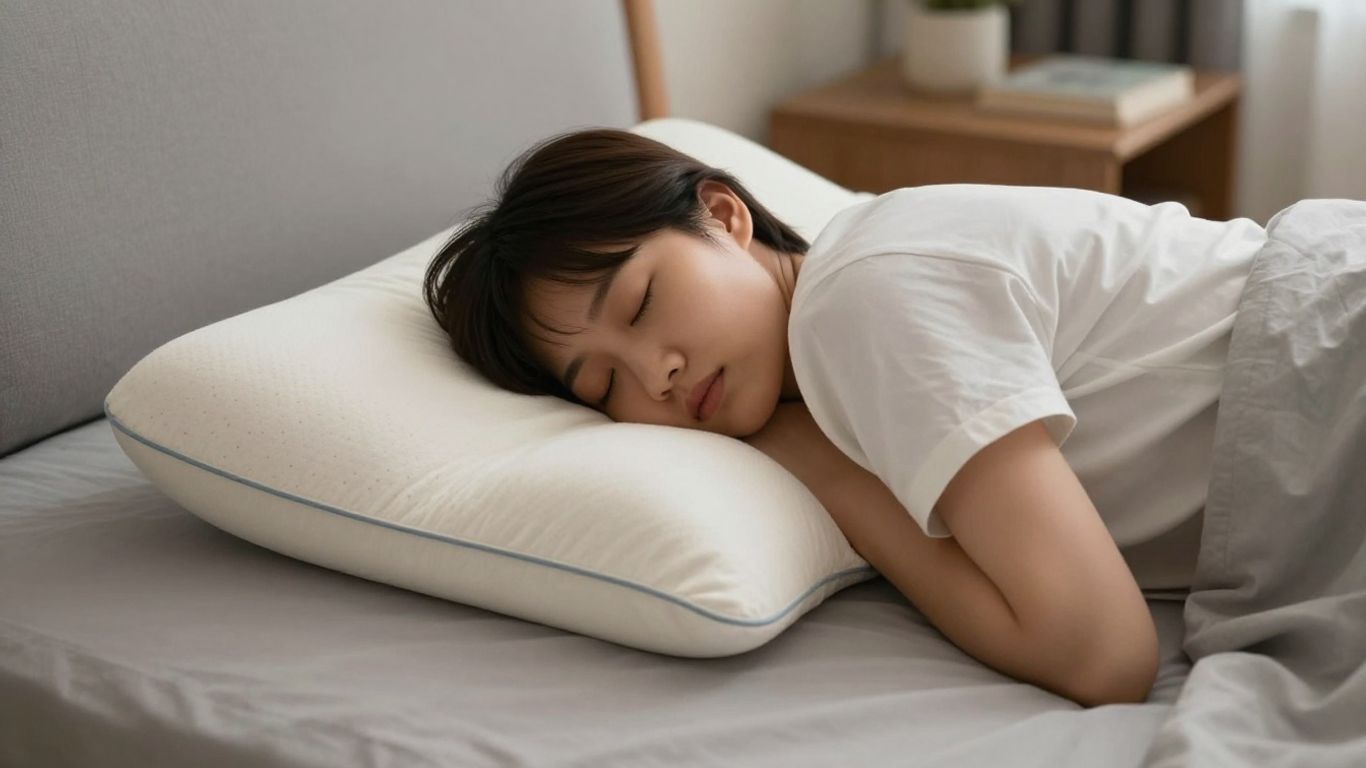
When you’re on the hunt for that perfect ergonomic pillow, the material it’s made from plays a pretty big role. It’s not just about how it feels when you first lie down; it’s about how it supports you all night long and how it holds up over time. Different materials offer different kinds of comfort and support, so knowing what’s out there can really help you narrow down your choices.
Memory Foam: The Contouring Champion
Memory foam has become super popular for a reason. It’s known for its ability to mold to your body’s shape. When you lay your head down, the foam softens with your body heat and weight, creating a custom cradle for your head and neck. This means it distributes your weight evenly, which can be a real lifesaver if you tend to get pressure points. It’s great at keeping your spine aligned because it fills in those gaps where a standard pillow might leave you unsupported. Think of it like a hug for your neck – it holds you just right. While it’s fantastic for support, some people find it can feel a bit warm, though many newer versions come with cooling gel infusions or breathable covers to combat this.
Latex: The Responsive And Cool Contender
Latex is another top-tier material, often made from rubber tree sap. It’s known for being both supportive and responsive. Unlike memory foam, which can feel like you’re sinking in, latex has a bit more bounce. It still contours to your shape, but it springs back more quickly when you move. This makes it a good choice if you tend to toss and turn a lot during the night. Latex is also naturally breathable and resistant to dust mites and mold, which is a big plus for allergy sufferers. It tends to sleep cooler than traditional memory foam, making it a solid option if you tend to overheat. It’s a bit firmer than memory foam, offering a different kind of support that many find very comfortable for maintaining spinal alignment.
Innovative Hybrid Materials
Beyond the classics, you’ll find a lot of pillows these days that mix and match materials. These hybrid designs try to give you the best of both worlds. For example, a pillow might have a core of supportive latex or memory foam, but then it’s wrapped in a softer, more breathable material like down alternative or a special cooling fabric. Some even have adjustable fill, where you can add or remove small pieces of foam or fiber to get the exact loft and firmness you need. These combinations are designed to offer targeted support where you need it most, while also keeping you comfortable and cool throughout the night. It’s all about finding that sweet spot between plush comfort and solid, ergonomic support.
Choosing the right pillow material is a personal journey. What feels amazing to one person might not be ideal for another. It’s worth considering how you sleep and what kind of support feels best for your body. Don’t be afraid to explore different options to find the one that truly helps you wake up feeling rested.
Key Features For An Optimal Ergonomic Pillow
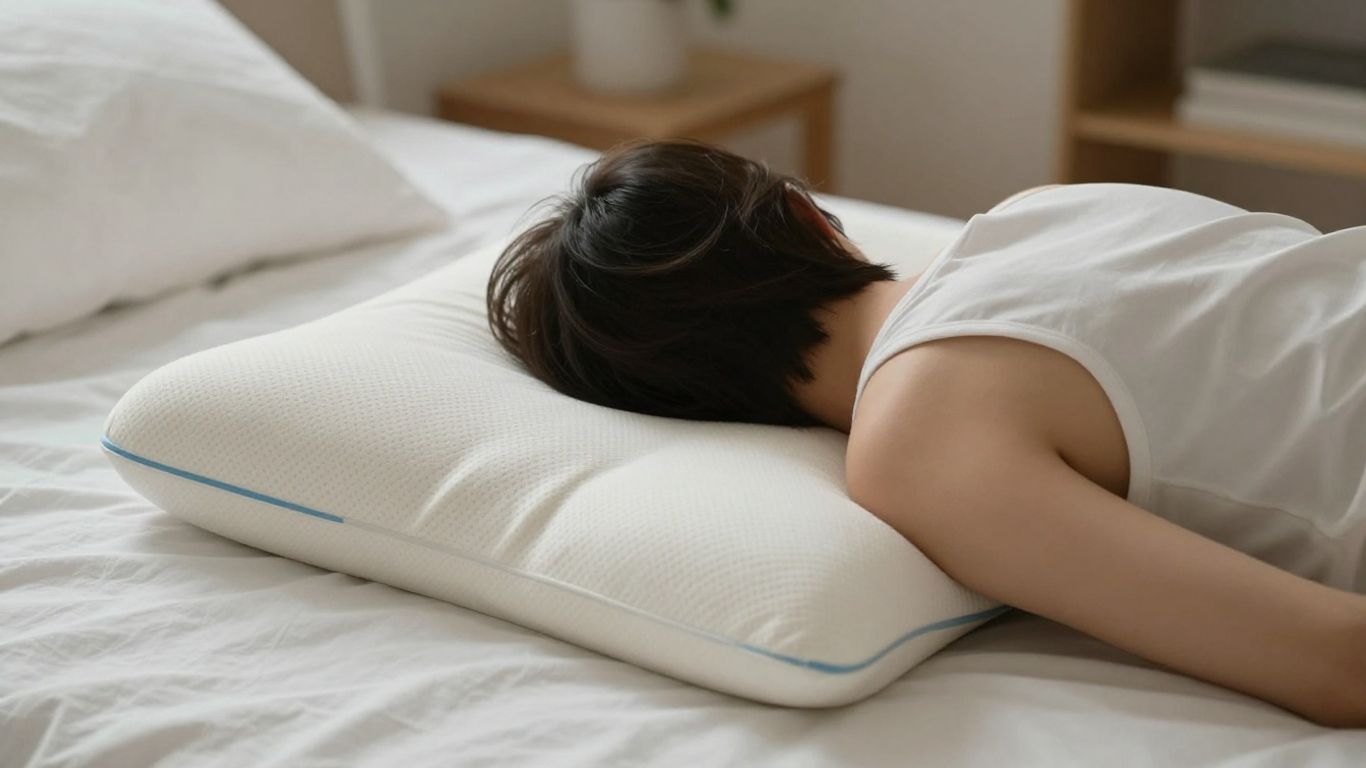
So, you’ve decided an ergonomic pillow is the way to go. That’s a solid move for better sleep and fewer aches. But with so many options out there, how do you pick the right one? It’s not just about the shape; a few key features can make a world of difference in how well you sleep and how long the pillow lasts. Let’s break down what to look for.
Adjustable Fill For Personalized Support
One of the trickiest parts of finding a pillow is getting the height and firmness just right for your body. Everyone’s neck and shoulder width is different, right? That’s where adjustable fill comes in. These pillows let you add or take out the stuffing – usually shredded memory foam or a fluffy down alternative. It’s like having a custom-fit pillow service at home. You can tweak it until your head, neck, and spine are perfectly lined up. This is a big deal, especially if you’re a side sleeper; you can really dial in that perfect loft. No more settling for a pillow that’s just ‘okay’.
Prioritizing Breathability For Cooler Sleep
Nobody likes waking up in a sweat, right? Especially when you’re trying to get comfortable. If you tend to sleep hot, look for pillows designed to keep you cool. Features like breathable covers made from materials like bamboo or cotton are great. Some memory foam has gel mixed in, or the pillow might have little holes poked through it to let air move around. This airflow helps pull heat away from your body. A cooler sleep environment means you’re less likely to wake up, leading to deeper, more restful sleep. And that’s what we’re all after.
Hypoallergenic And Easy-To-Clean Options
Your pillow is pretty much your nightly headrest, so keeping it clean is a must. Look for pillows with covers you can just zip off and toss in the washing machine. It makes life so much easier. This is also a lifesaver if you have allergies, as you can wash away dust mites and other stuff that can mess with your sleep. Many good pillows are made with materials that naturally fight off mold and mildew, too. Plus, using a mattress protector can help keep your whole sleep setup fresh and extend the life of your pillow.
Picking the right features isn’t just about comfort; it’s about making sure your pillow works for you, night after night. Think about what bothers you most about your current pillow – is it too hot? Not supportive enough? Does it get flat too fast? The right features can solve those problems and lead to much better sleep.
Flat Versus Contoured Ergonomic Pillows
When you’re on the hunt for that perfect pillow, you’ll notice two main shapes: flat and contoured. It might seem like a small detail, but the shape really matters for how you sleep and how your neck feels in the morning. Both have their own good points, and what works best often comes down to your personal sleep habits and what feels right for your body.
The Distinct Benefits Of Flat Pillows
Flat pillows, sometimes called classic pillows, are pretty straightforward. They don’t have any fancy curves or dips. This simplicity is actually a big plus for some people. Because they’re usually filled with materials you can add or take out, you get a lot of control over how firm or soft they are. This makes them super adaptable. If you toss and turn a lot during the night, a flat pillow can easily adjust with you. You can fluff it up, flatten it out, or fold it to get the support you need, right where you need it. They’re a good choice if you’re not sure what you need or if your needs change often. For some, the lack of a defined shape is exactly what they prefer, avoiding any feeling of being pushed into a certain position. They can be a great option for stomach sleepers who need a thinner pillow to keep their neck from craning upwards.
How Contoured Pillows Enhance Sleep Quality
Contoured pillows, on the other hand, are designed with specific curves. Think of them as having a gentle wave or a dip in the middle. This shape is meant to cradle your head and neck, filling in the space between your head and the mattress. The idea is to keep your spine in a more natural, neutral line while you’re sleeping. This targeted support can be really helpful for reducing pressure points and easing neck or shoulder discomfort. Many people find that a contour pillow helps them feel more aligned and less stiff when they wake up. They’re often made from materials like memory foam or latex that hold their shape, providing consistent support all night long.
Matching Pillow Shape To Your Needs
So, how do you pick between flat and contoured? It really comes down to what feels best for you and your sleep style.
- Side Sleepers: You often need a thicker, firmer pillow to fill the gap between your shoulder and head, keeping your neck straight. A contoured pillow with a good neck support curve can be excellent here.
- Back Sleepers: You want to support the natural curve of your neck without pushing your head too far forward. Both flat and contoured pillows can work, but a contoured one might offer more specific alignment.
- Stomach Sleepers: Generally, you need a flatter, softer pillow to avoid straining your neck. A very thin flat pillow or a contoured pillow with a low profile might be suitable.
- Changing Positions: If you move around a lot, a flat pillow’s adjustability might be more appealing.
The shape of your pillow isn’t just about looks; it’s about how it interacts with your body’s natural curves. Getting this right can make a big difference in how rested you feel.
Ultimately, trying them out if you can, or reading reviews from people with similar sleep habits, will guide you. What feels like heaven for one person might not work for another, so listen to your body.
Integrating Your Ergonomic Pillow With Your Mattress
So, you’ve picked out a great ergonomic pillow. That’s awesome! But here’s the thing: your pillow doesn’t work in a vacuum. It’s part of a bigger sleep system, and your mattress plays a huge role in how well that pillow actually helps you. Think of your pillow and mattress as a team. When they’re on the same page, they work together to keep your spine in a nice, straight line from your head all the way down to your tailbone. But if they’re fighting each other, well, your neck and back are the ones who end up paying the price.
The Pillow-Mattress Synergy
It’s all about balance. Your mattress needs to support your body’s weight evenly, letting your shoulders and hips sink in just enough, especially if you sleep on your side. This gives your spine a chance to stay straight. If your mattress is too firm, it might push your body up, creating a gap between your waist and the mattress, which can throw off your alignment. On the flip side, if it’s too soft, you might sink too much, and your spine could end up curved in ways it shouldn’t be. Your pillow then needs to fill the space between your head and the mattress perfectly, keeping your neck aligned with the rest of your spine. For example, a back sleeper might need a pillow that fills the neck curve without pushing their head too far forward. A side sleeper, on the other hand, needs a thicker, firmer pillow to keep their head from dropping down towards the mattress. Getting this right means your whole body is supported, not just your head and neck. It’s about creating a unified support system for a truly restful night.
Achieving Neutral Spine Alignment Together
Achieving that coveted neutral spine alignment means your head, neck, and back are in a relatively straight line. This is the golden ticket to waking up without aches and pains. How does your mattress and pillow combo help with this? Well, if you’re a side sleeper, your mattress should allow your shoulder to sink in a bit, and your pillow needs to be thick and firm enough to keep your head level with your spine. If your pillow is too thin, your head will sag, and your spine will be out of whack. Conversely, if you’re a back sleeper, your pillow should support the natural curve of your neck without pushing your chin to your chest. A mattress that’s too soft might let your hips sink too low, affecting your lower back. It’s a delicate dance between the two. You want a setup where your body feels cradled and supported, with no pressure points or awkward angles. This harmony is key to preventing strain and promoting recovery while you sleep. For more on finding the right support, check out these best back sleeper pillows for 2026.
Troubleshooting Mismatched Sleep Systems
Sometimes, even with a good pillow, you might still wake up sore. This is often a sign that your mattress and pillow aren’t playing nicely together. If you’re a side sleeper and your pillow feels just right, but your shoulder still hurts, your mattress might be too firm. It’s not letting your shoulder sink in enough, forcing your neck to twist to compensate. Or, if you’re a back sleeper and your pillow seems okay, but you feel strain in your lower back, your mattress might be too soft, causing your hips to dip. Here are a few things to consider:
- Pillow height and firmness: Does it match your sleep position and mattress firmness?
- Mattress support: Is it keeping your spine straight, or is it letting you sag?
- Body type: Your weight and shape also influence how you interact with your mattress and pillow.
If you’ve tried adjusting your pillow and still experience discomfort, it might be time to re-evaluate your mattress. A pillow can only do so much if the foundation it rests on is causing problems. Sometimes, a simple addition like a knee pillow for side sleepers can help bridge the gap and improve alignment, even if your mattress isn’t perfect. But ultimately, a well-matched pillow and mattress system is the goal for optimal spinal health.
Don’t forget that the overall firmness of your mattress matters a lot. For instance, a plush mattress might require a thinner pillow for a back sleeper to avoid that chin-to-chest angle, while a very firm mattress might need a thicker pillow to fill the space. Finding the right combination can take some trial and error, but the payoff in pain-free sleep is totally worth it. You can find a variety of options to help with this at places like Walmart.
Evaluating Ergonomic Pillow Designs For Specific Needs
Sometimes, a standard pillow just doesn’t cut it. That’s where specialty designs come in, offering targeted solutions for common sleep complaints. If you’re dealing with specific aches or discomforts, looking at these specialized ergonomic pillows can make a real difference.
Specialized Support For Neck Pain Relief
Neck pain is a common issue, and the right pillow can be a game-changer. Many pillows are designed with a specific shape to cradle your neck and support its natural curve. Some feature a divot in the center to let your head rest comfortably while gently stretching your neck, which can be great for relieving tension. Others have an elevated base that provides extra support for those tense neck muscles. The goal is to find a pillow that feels like it’s gently holding your head, allowing your neck and shoulder muscles to fully relax.
Ergonomic Pillows For Shoulder Comfort
Shoulder comfort is particularly important for side sleepers. If you often find yourself waking up with a stiff shoulder, a pillow designed with this in mind might be what you need. Some pillows have a U-shape with a cutout specifically for your shoulder. This clever design lets you get closer to the pillow for better neck support without your shoulder feeling squashed or getting in the way. It helps fill that gap between your ear and shoulder, promoting better alignment.
Addressing Tech Neck With Proper Support
"Tech neck" is a modern problem, often caused by looking down at phones and devices for extended periods. This can lead to strain in your neck and upper back. Ergonomic pillows can help counteract this by promoting a neutral spine position while you sleep. Look for pillows that offer consistent support and encourage your head to rest in a natural alignment, rather than letting it drop forward or tilt unnaturally. A pillow with a medium-firm feel and a good loft can help keep your spine straight, reducing the strain that accumulates during the day. Finding the right pillow is a step towards better neck and spine support.
When choosing a pillow for specific needs, think about how it interacts with your body. Does it fill the gaps? Does it cradle your head and neck without creating new pressure points? The right design should feel supportive yet gentle, allowing your muscles to truly rest.
Making The Most Of Your Ergonomic Pillow Investment
So, you’ve found that perfect ergonomic pillow. That’s a huge step! But buying it is just the beginning. To really get your money’s worth and keep enjoying those pain-free mornings, you need to know how to care for it and when it’s time for a change. Think of it like any good investment; a little attention goes a long way.
Understanding Pillow Lifespan and Replacement
It’s easy to forget about your pillow once it’s in use, but they don’t last forever. Over time, the materials break down, and it loses its ability to support your neck and spine properly. Most sleep experts suggest replacing your ergonomic pillow every 18 months to two years. This timeline can shift a bit depending on the pillow’s material and how well you care for it, but it’s a good general rule. If you notice your pillow is looking flat, lumpy, or you’re waking up with more aches than before, it’s probably time to start shopping for a new one. It might seem soon, but think about how much you spend on coffee or other daily treats – a good pillow is a direct investment in your daily comfort and health.
Cleaning and Maintenance Tips
Keeping your pillow fresh and functional is pretty straightforward. Most modern ergonomic pillows come with removable, machine-washable covers. This is a lifesaver for keeping things clean and free of allergens. Always check the care label, but generally, you can just zip off the cover and toss it in the wash with your regular laundry. For the pillow insert itself, spot cleaning is usually the way to go. Avoid soaking it or putting it in the washing machine unless the manufacturer specifically says it’s okay, as this can damage the internal structure. Airing out your pillow regularly, perhaps on a sunny day, can also help keep it feeling fresh and reduce moisture buildup.
The Long-Term Benefits of Quality Support
Sticking with a quality ergonomic pillow for its intended lifespan pays off. Beyond just immediate comfort, consistent, proper support can help prevent chronic neck and back issues from developing or worsening. It contributes to better sleep quality, which in turn affects everything from your mood to your immune system. When your spine is properly aligned all night, your muscles can relax fully, leading to less stiffness and more energy throughout your day. It’s a foundational piece of your overall sleep health, and making sure it’s in good condition means you’re consistently supporting your body’s natural alignment.
Expert Insights On Ergonomic Pillow Selection
What Sleep Experts Recommend
When it comes to picking the right pillow, sleep pros often talk about one main goal: keeping your spine in a neutral line. This means your head, neck, and back should all line up pretty straight, no matter if you’re on your side, back, or even stomach. They stress that it’s not just about softness; it’s about support that fits your body’s natural curves. Think of it like this: your pillow should fill the space between your head and the mattress without pushing your neck up or letting it drop down too much. For side sleepers, this often means a thicker, firmer pillow to bridge that gap between shoulder and head. Back sleepers usually do well with a pillow that supports the curve of their neck but stays flatter under their head. Stomach sleepers are a bit trickier, and experts often suggest a very thin pillow or even no pillow at all to avoid straining the neck.
Leveraging Customer Reviews For Insights
Reading what other people say about a pillow can be super helpful, honestly. You can find out if a pillow really helps with neck pain, or if it gets flat after a few months. Some folks rave about how a pillow helped them stop tossing and turning all night. Others might mention if a pillow sleeps too hot or if the material feels weird. It’s good to look for reviews from people who sleep like you do, whether you’re a side, back, or stomach sleeper. You can also get a feel for how durable a pillow is and if it’s worth the price tag. It’s like getting a bunch of mini-reviews from real users, which can point you toward some great orthopedic pillows or away from ones that just don’t cut it.
The Role Of Professional Fittings
While not as common as buying a mattress, some specialty bedding stores or physical therapists might offer pillow fittings. This is where they actually look at how you sleep and recommend a pillow based on your body measurements and sleep habits. They might measure the distance from your neck to your shoulder or observe your spinal alignment. This kind of personalized approach can be really beneficial, especially if you’ve been struggling with persistent pain. It’s a bit like getting fitted for shoes; the goal is to find something that perfectly matches your unique needs. For many, this professional guidance can be the key to finally finding a pillow that makes a real difference in their sleep quality and overall comfort. It’s a step beyond just picking something off the shelf, aiming for a truly tailored solution. For those seeking a wide range of options, checking out tested comfortable choices can be a good starting point before considering a fitting.
Choosing the right pillow is a personal journey, but understanding the science of spinal alignment and listening to both expert advice and user experiences can guide you toward a more restful night. Don’t be afraid to try different types and materials until you find the one that feels just right for your body.
Your Best Sleep Awaits
So, we’ve gone over a lot about pillows, right? It might seem like a lot to think about, but honestly, finding the right one is a pretty big deal for how you feel each day. Remember, your pillow isn’t just some fluffy thing to rest your head on; it’s actually working hard to keep your neck and spine happy while you sleep. Whether you’re a side, back, or stomach sleeper, there’s a pillow out there that’s made to fit you just right. Don’t settle for waking up stiff and sore. Take what we’ve talked about – the materials, the shapes, how it works with your mattress – and use it to find that perfect pillow. It’s a small change that can make a huge difference in how you feel, from the moment you wake up to the end of your day. Sweet dreams!
Frequently Asked Questions
Why is my pillow so important for my sleep?
Your pillow is super important because it helps keep your head and neck lined up with your spine while you sleep. If your pillow is too high or too low, it can make your neck bend in a weird way, causing pain and stiffness when you wake up. A good pillow supports your neck’s natural curve, letting your muscles relax.
How do I know which pillow is best for how I sleep?
It really depends on whether you sleep on your side, back, or stomach. Side sleepers usually need a thicker, firmer pillow to fill the space between their head and shoulder. Back sleepers often do best with a medium-thickness pillow that supports their neck’s curve. Stomach sleepers should try a flatter, softer pillow to avoid straining their neck.
What’s the difference between memory foam and latex pillows?
Memory foam pillows slowly sink and mold to your head and neck, offering great support. Latex pillows are more bouncy and spring back right away, feeling a bit firmer and cooler. Both are good, but memory foam hugs you while latex pushes back gently.
What does ‘ergonomic’ mean when talking about pillows?
An ergonomic pillow is specially designed to support your body in a natural and comfortable way. For pillows, this means it’s shaped to keep your head, neck, and spine in a straight line, reducing strain and helping you avoid aches and pains.
Can a pillow really help with neck pain?
Yes, absolutely! A pillow that provides the right support for your neck and keeps your spine aligned can make a big difference. It helps relax the muscles that get tight from bad posture during the day or from sleeping in an awkward position.
How often should I replace my pillow?
Most experts suggest getting a new pillow every 1 to 2 years. Over time, pillows lose their shape and support, even if they still look okay. Replacing it helps ensure you’re always getting the best support for your neck and spine.
What are ‘adjustable’ pillows?
Adjustable pillows let you add or remove filling, like foam or fibers. This means you can change the height and firmness to make it exactly how you like it. It’s a great option because everyone’s body is different, and you can fine-tune it for perfect comfort.
Does my mattress matter when choosing a pillow?
Yes, your mattress and pillow work together like a team! A soft mattress might let you sink in more, so you might need a thinner pillow. A firm mattress keeps you higher up, so you might need a thicker pillow. They need to work together to keep your spine straight.