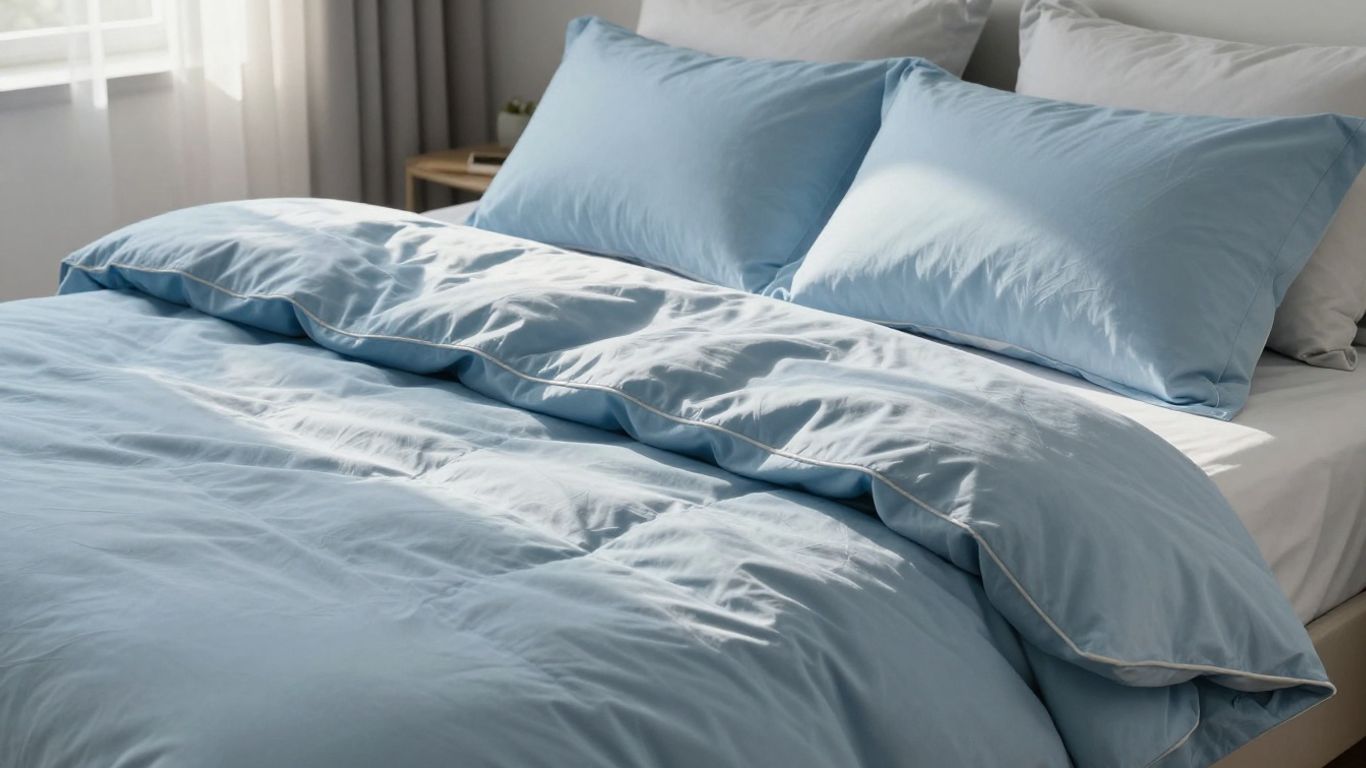
So, you’re looking to upgrade your bedroom game, huh? It’s not just about the mattress or the pillows, though those are important. The real star of the show, the thing that ties it all together and makes your bed look like something out of a magazine, is the duvet cover. It’s like the outfit for your duvet insert. A good duvet cover does more than just look pretty; it keeps your duvet clean, makes your bed easier to make, and can even help you sleep better. We’re going to break down what makes a duvet cover worth your money, from the fabric it’s made of to the little details that make a big difference in daily life. If you’re after a bedroom that feels both stylish and super comfy, picking the right duvet cover is a total game-changer.
Key Takeaways
- A duvet cover is essential for protecting your duvet insert, simplifying bed linen care, and updating your bedroom’s style without a major overhaul.
- Choosing the right material, like breathable percale cotton for cool comfort or smooth sateen for a luxurious feel, significantly impacts your sleep experience.
- Look for functional features such as secure zipper or button closures and internal corner ties to keep your duvet insert from shifting inside the cover.
- The texture, color, and print of your duvet cover play a big role in setting the mood and overall aesthetic of your bedroom.
- Invest in durable, well-made duvet covers and care for them properly through regular washing and gentle techniques to ensure they last for years.
Understanding The Importance Of A Duvet Cover
Protecting Your Duvet Investment
Think of your duvet cover as a stylish shield for your comforter or duvet insert. It’s the first line of defense against all the things that can wear down your bedding over time. We’re talking about sweat, body oils, and just general daily wear and tear. Without a cover, your expensive duvet insert would be directly exposed, leading to quicker degradation and a shorter lifespan. A good duvet cover significantly extends the life of your duvet insert, saving you money in the long run. It’s much easier and cheaper to wash or replace a cover than the entire duvet. Plus, it keeps the insert looking and feeling fresh, maintaining its loft and warmth for longer. It’s a simple step that makes a big difference in keeping your bedding investment in good shape.
Simplifying Bed Linen Maintenance
Let’s be honest, washing a bulky duvet insert can be a real hassle. It might not even fit in your washing machine, and if it does, it can be a struggle to get it clean and dry properly. This is where duvet covers really shine. They’re designed to be easily removed and tossed into the washing machine, just like your sheets. This makes laundry day so much more manageable, especially if you have kids, pets, or just a busy life. It means you can keep your bedding clean and hygienic without the usual drama.
Here’s a quick look at why they simplify things:
- Easy Removal: Most covers come off in a matter of seconds.
- Machine Washable: They fit easily into standard washing machines.
- Faster Drying: Covers dry much quicker than a thick duvet insert.
- Less Bulk: Easier to handle and fold when not in use.
Keeping your bedding fresh doesn’t have to be a chore. A simple duvet cover makes the whole process of washing and changing your bed linens far less daunting. It’s a practical solution for everyday life.
Effortless Style Updates For Your Bedroom
Your duvet cover is arguably the largest piece of fabric in your bedroom, making it a major player in your room’s overall look and feel. It’s like a giant canvas for expressing your personal style. Want a calm, serene oasis? Opt for soft, neutral tones. Feeling a bit more adventurous? Bold prints or rich textures can inject personality and energy into the space. The beauty of a duvet cover is its versatility. You can completely transform the mood of your bedroom just by swapping out the cover. It’s an affordable and simple way to keep your decor feeling fresh and current, without needing to redecorate the entire room. Think of it as the perfect accent piece for your bed, much like stylish pillow covers can tie a whole seating area together. It’s amazing how much impact one piece of bedding can have on the atmosphere of a whole room.
Choosing The Right Duvet Cover Material
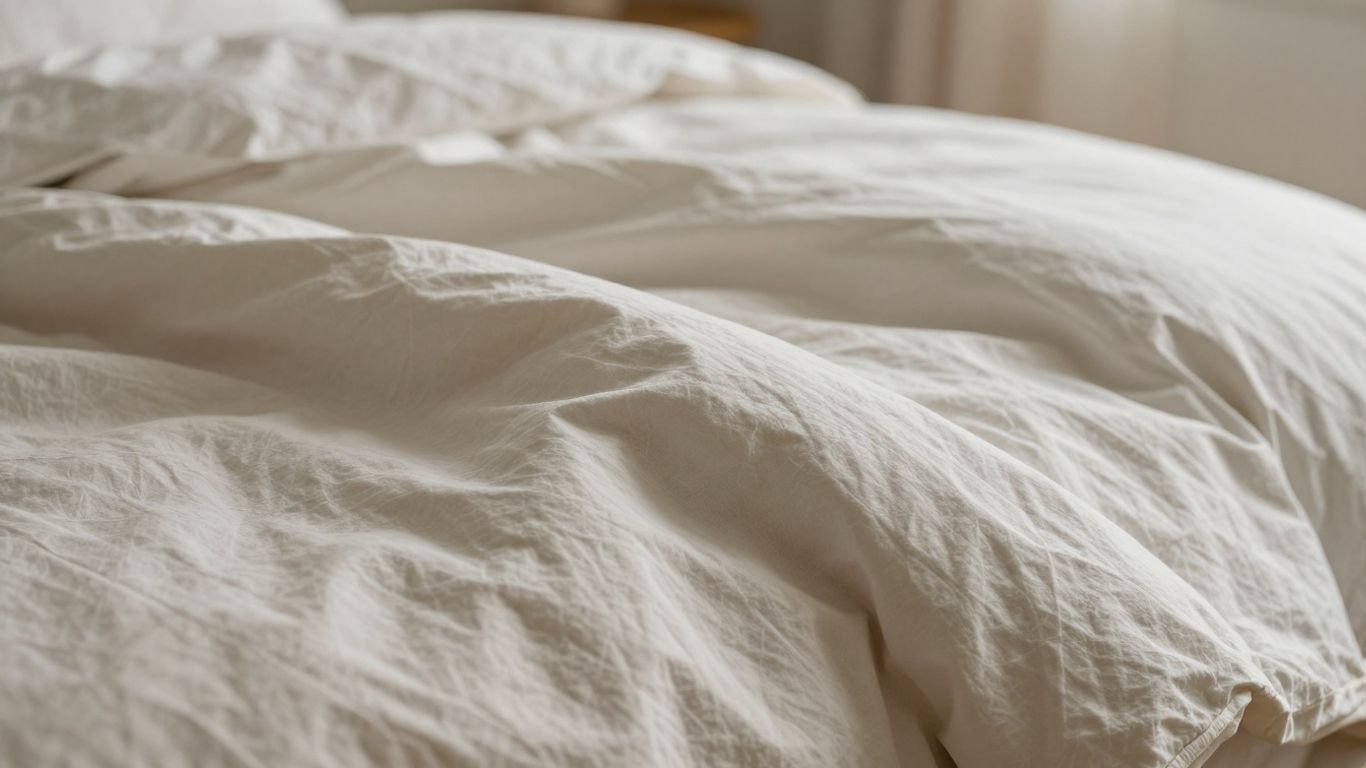
When you’re picking out a duvet cover, the material is a big deal. It’s not just about how it looks, but how it feels against your skin and how it helps you sleep. Think about it: this is what you’ll be snuggled up in all night long. So, getting the fabric right makes a huge difference in your comfort.
Percale Cotton For Breathable Comfort
If you tend to get a bit warm at night, percale cotton is probably your best friend. It’s woven in a way that makes it feel really crisp and cool. It’s like a nice, light sheet that lets air flow through easily, stopping you from overheating. This breathability is key for staying comfortable, especially during those warmer months. It’s also pretty durable, so it holds up well to regular washing. If you’re looking for that clean, hotel-sheet feel, percale is a solid choice.
Sateen For A Luxurious, Silky Feel
Now, if you prefer something a bit softer and smoother, sateen might be more your speed. It has a different weave than percale, which gives it a lovely sheen and a silky texture. It feels a bit heavier and warmer, making it a great option for cooler nights or if you just like that cozy, luxurious sensation. Sateen drapes nicely, too, so it looks really elegant on the bed. It’s a bit more delicate than percale, so you might want to be a little gentler with it in the wash, but the feel is often worth it for many people.
Exploring Natural Fibers Like Organic Cotton And Linen
Beyond the common cotton weaves, there are other natural fibers worth considering. Organic cotton is a great choice if you’re concerned about chemicals and want something super soft and sustainable. It’s grown without pesticides, which is better for the environment and often results in a higher quality fabric. Linen is another fantastic natural option. It’s known for being incredibly durable and breathable, even more so than cotton in some ways. Linen has a unique texture that softens over time with washing, giving your bedding a relaxed, lived-in feel. It’s also really good at wicking away moisture, which is a big plus for staying dry and comfortable all night. These natural fibers are often a good bet for improved sleep in 2026.
Choosing the right material is about balancing your personal comfort preferences with the practical needs of your bedroom. Whether you prioritize a cool, crisp feel or a soft, silky embrace, there’s a fabric out there that will make your bed the most inviting place in your home.
Key Features For Optimal Duvet Cover Functionality
Secure Closure Systems: Zippers, Buttons, And Ties
When you’re picking out a duvet cover, think about how it actually closes. It might look great on the shelf, but if it’s a pain to get your duvet inside or keep it there, you’ll probably dread changing the sheets. The most common ways these covers shut are with buttons, ties, or zippers. Buttons look classic, but fastening each one can take a while. Ties are pretty straightforward, but sometimes they can come undone after a few washes, leaving your duvet a bit loose. Zippers are becoming super popular because they’re quick and keep things shut tight. A good zipper closure makes a big difference in how easy it is to manage your bedding.
Internal Corner Ties To Prevent Shifting
This is a feature that many people don’t think about until they’re wrestling with a duvet that’s all bunched up in the middle of the night. Inside the duvet cover, you’ll often find little ties or loops, usually at each corner. The idea is that you tie these to the corresponding loops on your duvet insert. This stops the insert from sliding around inside the cover. Without them, you might wake up with half your duvet on one side of the bed and the other half bunched up. It’s a simple thing, but it really helps keep your bed looking neat and feeling comfortable all night long.
Here’s a quick rundown of why those ties matter:
- Even Distribution: Keeps the duvet’s filling spread out evenly.
- Comfort: Prevents cold spots where the duvet has shifted away.
- Neat Appearance: Helps the bed look made and tidy.
- Easier Bed-Making: Less fussing to get the duvet settled.
The Benefits Of An Oversized Duvet Cover Design
Sometimes, you’ll see duvet covers that seem a little too big for the duvet insert they’re meant for. Don’t dismiss them! This is often a deliberate design choice. An oversized cover allows the duvet insert to spread out fully and drape nicely over the sides of the bed. This gives your bed a more luxurious, plush look, kind of like what you see in hotels. Plus, that extra bit of room can also help prevent the insert from shifting around as much, even if you don’t have perfect corner ties. It just adds a bit more comfort and visual appeal to your bedding setup.
Choosing a duvet cover with thoughtful features like secure closures and internal ties isn’t just about aesthetics; it’s about making your daily routine simpler and your sleep more comfortable. These details might seem small, but they add up to a much better experience with your bedding.
Duvet Cover Styles And Their Impact On Bedroom Aesthetics
So, you’ve picked out the perfect material and figured out the closure system – awesome! But what about the look? Your duvet cover is basically the main event for your bedroom’s style. It’s not just about keeping your duvet clean; it’s your chance to really set the mood for your whole room.
Creating A Calm Atmosphere With Neutral Tones
If you’re aiming for that serene, hotel-like vibe, neutrals are your best friend. Think soft whites, gentle grays, muted beiges, or even pale blues. These colors are super easy on the eyes and create a peaceful backdrop. They make the room feel bigger and more organized, which is always a win. Plus, they’re incredibly versatile. You can easily add pops of color with throw pillows or a blanket without it feeling overwhelming. It’s like a blank canvas for your bedroom.
- Soft Whites & Ivories: Classic, clean, and always chic.
- Muted Grays & Blues: Offer a touch of color without being loud.
- Earthy Beiges & Tans: Bring warmth and a natural feel.
A neutral duvet cover can transform your bedroom into a sanctuary. It’s the foundation for a restful space, allowing other decorative elements to shine without competing for attention.
Adding Personality With Bold Prints And Textures
Don’t shy away from patterns and textures if that’s more your style! A duvet cover with a striking print can be the focal point of your room. Whether it’s large floral motifs, geometric designs, or abstract art, a bold pattern injects energy and personality. It shows off your unique taste and can make your bed the star of the show. For those who love a tactile experience, textured covers, like those with subtle stitching or woven patterns, add depth and visual interest. These can make your bed look incredibly inviting and cozy. Some modern designs even mix large, colorful motifs with plenty of white space, offering a balanced yet vibrant look. You can find some really interesting textured stitching and heavy patterns that add a unique touch.
How Fabric Texture Influences Room Mood
The feel of the fabric plays a huge role in how a room feels. A smooth, sateen finish can make a room feel more luxurious and elegant, almost like a fancy hotel. On the other hand, a crisp percale cotton gives off a clean, fresh, and slightly more casual vibe. Natural fibers like linen, with their characteristic slubby texture, bring a relaxed, bohemian, or rustic feel. The way light hits different textures also changes the perception of color and depth. So, even a neutral color can feel completely different depending on whether it’s in a smooth sateen or a slubby linen. It’s amazing how much difference a bit of texture can make to the overall atmosphere of your bedroom, contributing to adaptable bedding that suits various moods.
Navigating Duvet Cover Durability And Longevity
When you’re picking out a duvet cover, it’s not just about how it looks or feels right now. You also want it to last, right? Nobody wants to buy new bedding every year. So, let’s talk about what makes a duvet cover tough enough for daily life and how to keep it looking good for ages.
Selecting Fabrics That Withstand Daily Wear
The material your duvet cover is made from plays a huge role in how long it lasts. Think about it: this cover is going to get a lot of use. It’s the first thing you touch when you get into bed, and it’s what protects your comforter from, well, everything. Fabrics like long-staple cotton are a good bet because the longer fibers tend to be stronger and create a smoother, more durable fabric. Linen is also known for its strength; it actually gets softer with every wash, which is pretty neat. You want something that can handle being slept on, sat on, and maybe even jumped on by kids or pets without falling apart.
The Role Of Weave And Seams In Durability
Beyond just the fiber type, how the fabric is woven matters a lot. A tight weave, like in percale cotton, generally means a stronger fabric that resists snagging and tearing better than a looser weave. Then there are the seams. Look for covers with strong, reinforced seams. If the stitching is weak or looks like it might unravel, that’s a weak spot waiting to happen. A well-made duvet cover will have neat, even stitching all around, especially at the corners and along the opening.
Maintaining Softness Through Repeated Washing
Washing your duvet cover regularly is key to keeping it fresh, but it can also wear down the fabric if you’re not careful. The best way to keep your duvet cover soft and durable is to follow the care instructions closely. This usually means washing it in cold water on a gentle cycle and tumbling it dry on low heat. Avoid harsh detergents and bleach, as these can break down fibers over time. Turning the cover inside out before washing can also help protect the outer fabric and any closures like zippers or buttons. If you’re looking for bedding that holds up, consider options made with quality materials and construction, like those found in many online bedding sets.
Proper care is your best friend when it comes to making your duvet cover last. It’s not just about washing it; it’s about washing it the right way. Think of it like taking care of a favorite piece of clothing – a little attention goes a long way in keeping it comfortable and looking good for years to come. Many experts suggest that a duvet cover should ideally be replaced every two to three years, or sooner if you notice significant wear and tear. Rotating between two covers can help extend their lifespan significantly.
Remember, a duvet cover is an investment in both your bedroom’s style and your comfort. Choosing one that’s built to last means you won’t have to worry about replacing it anytime soon. And hey, if you’re really looking to get the most out of your bedding, using two duvet covers and rotating them is a smart move to prolong their life [dce5].
Practical Considerations For Duvet Cover Selection
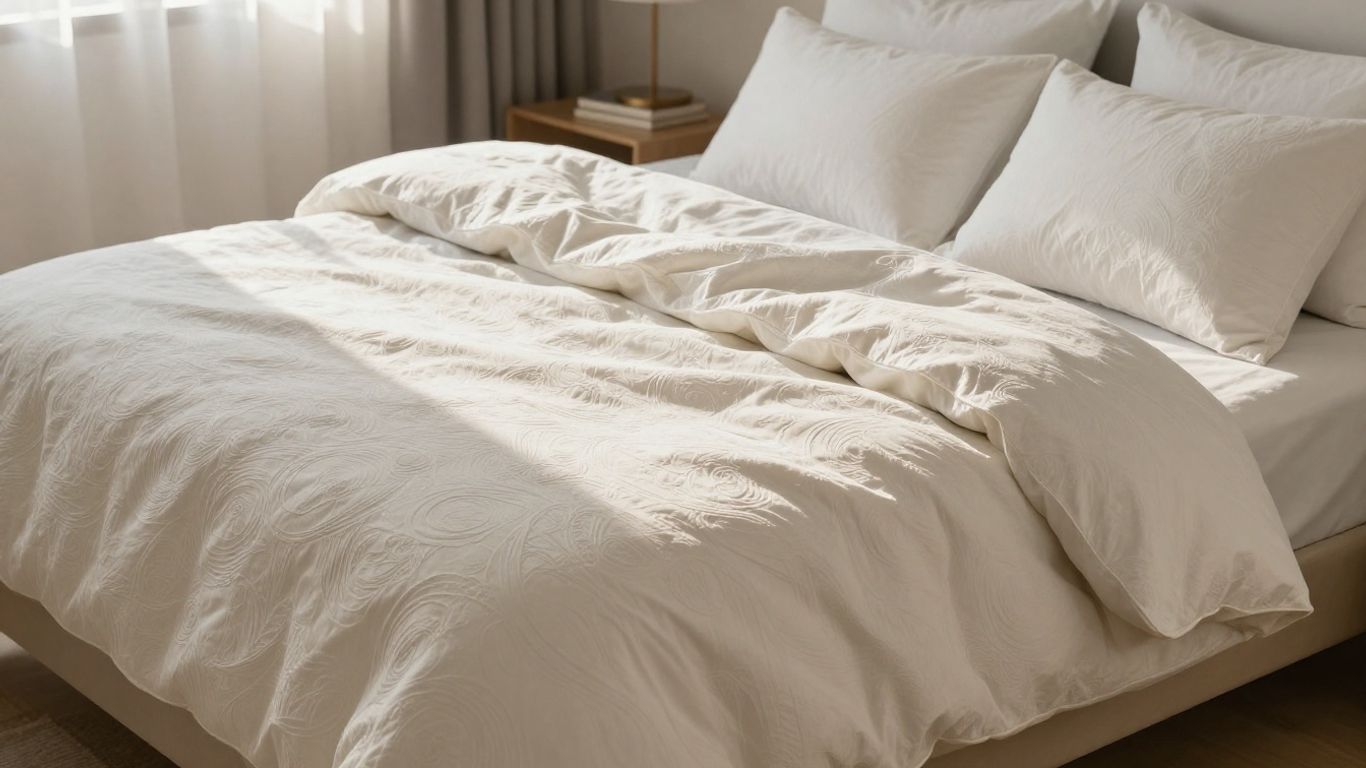
When you’re picking out a new duvet cover, it’s not just about how it looks. There are a few practical things to think about that can make a big difference in your day-to-day life. Getting the size right is super important, obviously. You don’t want a cover that’s too small and makes your duvet bunch up, or one that’s way too big and looks sloppy. Most standard duvet sizes have corresponding cover sizes, but it’s always good to double-check the measurements.
Understanding Duvet Cover Sizing For Your Insert
Getting the size right is the first step to a well-made bed. Here’s a quick rundown:
- Twin/Twin XL: Typically around 68" x 86". Great for single beds, often found in dorm rooms.
- Full/Queen: Usually measures about 90" x 92". This is a common size for double or queen beds.
- King/California King: Generally around 104" x 92" or 108" x 96". These are for larger beds where you want extra coverage.
Always measure your duvet insert before buying a cover to ensure a good fit. It’s better to have a cover that’s slightly larger than your insert for a fuller look, rather than one that’s too tight.
Can A Duvet Cover Be Used On A Comforter?
This is a common question, and the answer is generally yes, but with a caveat. Duvet covers are designed specifically for duvet inserts, which are typically softer and more pliable than traditional comforters. Comforters can sometimes be stiffer or have a different loft, which might make them a bit trickier to fit smoothly into a duvet cover. However, if your comforter isn’t too bulky or rigid, you can often use a duvet cover on it. It’s a great way to change up the look of an older comforter without buying a whole new one. You might find that some top options work better than others depending on the comforter’s shape.
The European Approach: Duvet Covers Over Top Sheets
In many parts of Europe, the way people make their beds is a bit different from the US. Instead of using a top sheet between you and the duvet cover, they often skip the top sheet altogether. The duvet cover itself acts as the top layer. This simplifies the bed-making process significantly – no more tucking in a separate sheet! It also means the fabric of your duvet cover is directly against your skin, so choosing a comfortable material becomes even more important. If you’re curious about simplifying your bedding routine, this method is worth considering. It makes changing the bed much faster, and you can find great duvet covers designed for this purpose.
Choosing the right duvet cover involves more than just aesthetics. Consider the practicalities of size, how it will fit with your existing bedding, and even different cultural approaches to bed-making. These factors can significantly impact your comfort and the ease of maintaining your bedding.
Caring For Your Duvet Cover For Lasting Freshness
Taking care of your duvet cover is pretty straightforward, but doing it right makes a big difference in how long it lasts and how nice it feels. It’s not just about tossing it in the wash; a little attention can keep your bedding feeling fresh and looking great for years.
Recommended Washing Frequency For Duvet Covers
So, how often should you actually wash your duvet cover? Most folks recommend doing it every one to two weeks. Think about it – it’s what you’re sleeping under every single night, collecting all sorts of things like skin oils, sweat, and maybe even some stray crumbs from that late-night snack. Washing it regularly helps keep your sleep space clean and hygienic. For those who tend to sleep hot or have pets that share the bed, you might want to bump that up to weekly. If your duvet cover doesn’t get a ton of direct contact, like a decorative throw over it, you can probably stretch it a bit longer. The goal is to keep things fresh without overdoing it and wearing out the fabric too quickly.
Gentle Washing Techniques To Preserve Fabric
When it’s time to wash, treat your duvet cover with a bit of kindness. Most modern duvet covers are machine washable, which is super convenient. Just make sure to check the care label first, of course. A good rule of thumb is to wash it in cold water on a gentle cycle. This is much kinder to the fibers than hot water, which can cause shrinkage or fade colors. It’s also a good idea to wash your duvet cover separately from heavier items like towels or jeans. Those rougher fabrics can snag and wear down the material of your cover over time. Turning the cover inside out before washing is another simple trick that helps protect the outer fabric and any closures, like zippers or buttons.
Here’s a quick rundown:
- Wash Cold: Use cold water to prevent shrinking and color fading.
- Gentle Cycle: Opt for the delicate or gentle setting on your washing machine.
- Separate Loads: Wash with similar lightweight items, not heavy towels.
- Inside Out: Turn the cover inside out to protect the exterior.
- Avoid Bleach: Harsh chemicals can damage the fabric.
When it comes to drying, low heat is your best friend. High heat can be tough on fabrics, leading to shrinkage and weakening the fibers over time. If you can, air drying is even better for longevity and is a great way to save energy. If you must use a dryer, remove the cover while it’s still slightly damp to minimize wrinkles and avoid over-drying.
Proper Storage For Seasonal Bedding Rotation
If you rotate your bedding seasonally, like swapping out a heavier winter duvet for a lighter summer one, proper storage is key. Before you tuck away your off-season duvet cover, make sure it’s completely clean and dry. Storing a damp cover can lead to mildew and unpleasant odors. Fold it neatly and keep it in a breathable storage bag or a clean pillowcase. Avoid plastic bags, as they can trap moisture. Store it in a cool, dry place, like a linen closet or a dresser drawer, away from direct sunlight. This simple step helps keep your bedding fresh and ready for its next use, protecting your bedding investment for seasons to come.
| Item | Washing Frequency | Drying Method |
|---|---|---|
| Duvet Cover | 1-2 Weeks | Low Heat or Air Dry |
| Pillowcases | 1 Week | Low Heat or Air Dry |
| Top Sheet | 1 Week | Low Heat or Air Dry |
| Duvet Insert | 6 Months | Air Dry (if possible) |
| Decorative Shams | Monthly | Low Heat or Air Dry |
Innovative Duvet Cover Designs For Ease Of Use
The Convenience of Three-Sided Zipper Openings
Let’s be honest, wrestling a duvet into its cover can be a real pain. It’s that moment where you’re trying to stuff, shake, and adjust, and it feels like it takes forever, right? Well, thankfully, manufacturers are catching on and making things a lot simpler. One of the biggest game-changers is the three-sided zipper opening. Instead of fumbling with buttons or ties that can come undone, a zipper lets you open the cover wide. This makes it so much easier to get the duvet insert lined up and inside without all the fuss. It’s a small change, but it makes a huge difference in how quickly you can change your bedding. This feature is a lifesaver for busy households or anyone who just wants to get the chore done faster.
Snap Attachments for Secure Duvet Placement
Beyond the closure, what about keeping the duvet from bunching up inside the cover? That’s where internal features come in. Many modern duvet covers now include little ties or snaps inside, usually at the corners. These are designed to attach to loops on your duvet insert. This simple addition stops the duvet from shifting around and creating those annoying lumps and bumps. No more waking up to find half your duvet bunched up at the bottom of the cover! It keeps everything smooth and evenly distributed, which means a more comfortable night’s sleep for you. It’s a detail that really matters for consistent comfort throughout the night.
Simplifying the Duvet Changing Process
Changing your duvet cover used to be a dreaded task, but these new designs are making it way less of a chore. Think about it: a wide zipper opening means less struggle, and internal snaps or ties mean the duvet stays put. It’s about making the whole process quicker and less frustrating. This is especially helpful if you like to change your bedding often or if you have kids or pets that might make a mess. It means you can keep your bedroom looking fresh and tidy without spending ages on one task. If you’re looking for bedding that simplifies your life, check out some of the best duvet covers for 2026 that focus on ease of use.
The goal of these innovative designs is to take the struggle out of a common household chore. By rethinking how duvet covers close and how the insert stays in place, manufacturers are making bedding more practical for everyday life. It’s about saving you time and hassle, so you can focus on enjoying your comfortable bed.
Here’s a quick look at how these features help:
- Zipper Closures: Offer a quick, secure, and wide opening for easy insertion.
- Internal Ties/Snaps: Prevent the duvet insert from shifting, keeping it evenly distributed.
- Thoughtful Design: Reduces the time and effort needed to change bedding.
- Improved Comfort: Ensures a smoother, more consistent feel throughout the night.
Eco-Conscious Duvet Cover Options
The Appeal Of Certified Organic Cotton
When you’re thinking about what to put on your bed, it’s easy to just grab whatever looks nice. But what if you could have something that feels good and is good for the planet? That’s where eco-conscious duvet covers come in. Choosing materials that are better for the environment means you’re making a small but meaningful change right in your own bedroom. Organic cotton is a big player here. Unlike conventional cotton farming, which can use a lot of pesticides and water, organic farming focuses on healthier soil and fewer chemicals. This means less pollution in our water and air, and it’s generally safer for the farmers too. Plus, organic cotton often feels really soft and breathable, which is a win-win for comfort and sustainability.
Benefits Of Natural Fibers And OEKO-TEX Certification
Beyond just organic cotton, there are other natural fibers that make for great duvet covers. Think linen, for example. It’s made from flax plants, which are pretty hardy and don’t need much water to grow. Linen is known for being super breathable and getting softer the more you wash it. It has this lovely, slightly textured feel that can add a bit of character to your bed. Then there’s hemp, another strong and sustainable fiber. Both linen and hemp are biodegradable, meaning they break down naturally at the end of their life, unlike synthetic materials that can stick around for ages.
When you’re looking at these natural fiber options, keep an eye out for certifications like OEKO-TEX. This is a big deal because it means the fabric has been tested for harmful substances. So, even if a material is natural, this certification gives you extra peace of mind that it’s safe for you and your family to sleep with. It’s like a stamp of approval for health and safety in your bedding. You can find some great organic sheets and duvet covers that carry these kinds of certifications.
Choosing Sustainable Materials For Your Bedding
So, how do you actually pick the right sustainable duvet cover? It starts with reading the labels and understanding what you’re buying.
- Look for certifications: GOTS (Global Organic Textile Standard) for organic cotton, and OEKO-TEX Standard 100 are good ones to spot.
- Consider the fiber source: Opt for cotton, linen, hemp, or Tencel™ Lyocell, which are all plant-based and generally more sustainable.
- Check the manufacturing process: Some brands are transparent about their water usage, dye processes, and waste reduction efforts.
Making conscious choices about your bedding doesn’t mean sacrificing comfort or style. In fact, many sustainable materials offer superior breathability and a luxurious feel that only improves with time. It’s about investing in quality pieces that are kind to both you and the planet.
When you’re choosing, think about how the material will feel against your skin and how it will hold up over time. Natural fibers often have a unique texture and character that synthetic materials just can’t replicate. Plus, knowing you’ve made an environmentally friendly choice can add an extra layer of comfort to your sleep.
Wrapping It Up
So, picking out the right duvet cover might seem like a small thing, but it really makes a difference. It’s not just about making your bed look good, though that’s a big part of it. A good cover keeps your duvet clean, helps you sleep better by managing temperature, and honestly, just makes life a bit easier when it’s time to change the sheets. Whether you’re all about that crisp percale feel for hot nights or love the smooth touch of sateen when it’s chilly, there’s a cover out there for you. And with features like zippers and corner ties, wrestling with your bedding is becoming a thing of the past. Think of it as a simple way to refresh your room and get a better night’s sleep. It’s a small change that can really make your bedroom feel more like your own personal haven.
Frequently Asked Questions
Why do I even need a duvet cover?
Think of a duvet cover like a pillowcase for your duvet! It keeps your duvet clean from sweat, dirt, and spills, making it much easier to wash just the cover instead of the whole bulky duvet. Plus, it’s a super easy way to change up your bedroom’s look without buying a whole new duvet.
What’s the difference between percale and sateen cotton?
Percale cotton feels crisp and cool, like a fresh hotel sheet, and is great if you tend to get hot at night. Sateen cotton is smoother and softer, with a bit of a sheen, and feels a little warmer and more luxurious, which is nice for cooler nights.
How do I keep the duvet from bunching up inside the cover?
Look for duvet covers that have ties inside the corners. You tie these to the loops on your duvet insert, which helps keep everything in place and stops the duvet from sliding around while you sleep.
Can I use a duvet cover on my comforter?
Yes, you can! Just make sure the duvet cover is the right size for your comforter. Sometimes comforters are a bit bigger or puffier than duvets, so check the measurements to get a good fit.
Do I need a top sheet with a duvet cover?
In many places, like Europe, people don’t use top sheets with duvet covers at all! The duvet cover acts as the sheet. However, if you like the feeling of a top sheet, you can certainly still use one.
How often should I wash my duvet cover?
It’s a good idea to wash your duvet cover about every one to two weeks, just like you would your regular sheets. This keeps your bed fresh and clean.
What makes a duvet cover last a long time?
Good quality covers are made from strong materials like long-strand cotton and have sturdy stitching and secure closures (like zippers or good buttons). Washing them gently and following the care instructions also helps them stay nice for years.
Are there eco-friendly duvet cover options?
Absolutely! Look for duvet covers made from certified organic cotton or other natural fibers like linen. Certifications like OEKO-TEX mean they’ve been tested for harmful chemicals and are made in a more environmentally friendly way.