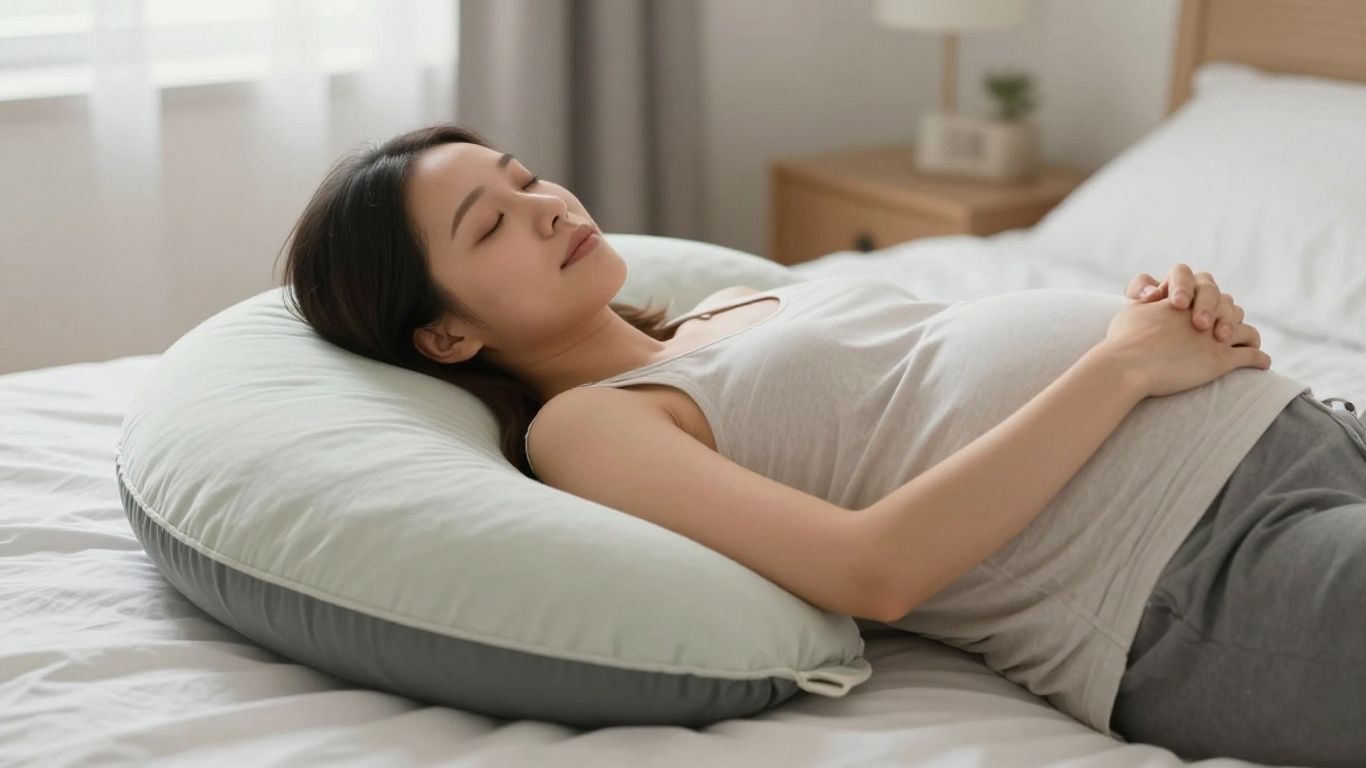
Carrying a baby is amazing, but let’s be real, it can really mess with your sleep. As your body changes, finding a comfy spot in bed becomes a nightly challenge. You might be propping yourself up with a pile of regular pillows that just don’t cut it. That’s where a pregnancy pillow, or maternity pillow, steps in. It’s designed to give your body the support it needs so you can actually get some rest. But with so many options out there, picking the right pregnancy pillow can feel like another task on your to-do list. This guide is here to help you sort through it all and find the perfect pregnancy pillow for your needs.
Key Takeaways
- A pregnancy pillow offers targeted support for your back, belly, hips, and legs, helping to ease discomfort and improve sleep quality during pregnancy.
- Different shapes like U, C, J, and wedges cater to various support needs and sleeping styles, so consider your personal discomfort zones when choosing.
- Prioritize breathable, hypoallergenic materials and washable covers for comfort and hygiene, especially if you experience night sweats.
- Pregnancy pillows can be adapted for postpartum use, offering support for nursing or recovery, making them a worthwhile investment.
- Introduce a pregnancy pillow when you start feeling discomfort or difficulty sleeping, often around the second trimester, to proactively support your changing body.
Understanding The Need For A Pregnancy Pillow
Carrying a baby is a pretty amazing thing, but it definitely comes with its own set of challenges, especially when it comes to getting comfortable and actually sleeping. As your body changes to make room for your little one, you might find yourself tossing and turning more than usual, struggling to find a position that doesn’t ache. That’s where a pregnancy pillow can really make a difference. It’s not just another pillow; it’s designed to support your changing body in ways regular pillows just can’t.
Easing Physical Discomfort During Expectancy
As your belly grows, your center of gravity shifts, and this can put a lot of strain on your back, hips, and pelvis. You might start feeling aches and pains that weren’t there before, making even simple movements feel difficult. A pregnancy pillow helps by cradling your bump and providing support to your back and hips, which can help align your spine and reduce that nagging discomfort. It’s like giving your body a gentle, supportive hug all night long.
- Reduces back pain: By keeping your spine in a more neutral position.
- Alleviates hip strain: Supports your hips and legs, preventing them from falling out of alignment.
- Eases pressure points: Distributes weight more evenly, so you don’t have one spot taking all the pressure.
The extra weight you’re carrying can really throw your body out of whack. Finding a way to support that weight and keep your body aligned is key to feeling better, especially when you’re trying to rest.
The Role Of Pregnancy Pillows In Restful Sleep
Sleep can become a real challenge during pregnancy. Between the physical discomfort, hormonal changes, and the general anxiety of what’s to come, getting a solid night’s rest can feel like a distant dream. Pregnancy pillows are specifically shaped to help you find and maintain comfortable sleeping positions, often encouraging side sleeping, which is generally recommended for better circulation. By minimizing the need to constantly adjust your position, these pillows can lead to longer, more uninterrupted sleep. If you’re finding yourself waking up frequently, a good pregnancy pillow might be the answer. For side sleepers, finding the right loft is important to keep your neck and spine aligned, and there are many options designed for this specific need like these.
Addressing Common Pregnancy Sleep Challenges
Pregnancy brings a unique set of sleep disruptors. Heartburn can flare up, leg cramps might strike, and the sheer size of your belly can make it hard to breathe comfortably. Pregnancy pillows can help mitigate some of these issues. For instance, elevating your upper body slightly with a pillow can help with heartburn. Supporting your legs and bump can also reduce muscle fatigue and swelling. Many pillows are made with materials that help with temperature regulation, which is a big plus since pregnant people often feel hotter than usual. Some pillows even use materials like memory foam, which contours to your body for personalized comfort and pressure relief a popular choice.
- Heartburn Relief: Propping up your torso can help keep stomach acid down.
- Reduced Swelling: Supporting your legs can improve circulation and decrease puffiness.
- Improved Breathing: Finding a position that doesn’t compress your diaphragm makes breathing easier.
- Less Tossing and Turning: A supportive pillow helps you stay in one comfortable position longer.
Exploring Different Pregnancy Pillow Designs
When you’re expecting, finding a comfortable sleeping position can feel like a puzzle. Luckily, pregnancy pillows come in a variety of shapes, each designed to tackle different comfort needs. It’s not a one-size-fits-all situation, and understanding these designs is the first step to a better night’s sleep.
The Versatility Of U-Shaped Full Body Pillows
These are often the go-to for many moms-to-be, and for good reason. A U-shaped pillow essentially hugs your entire body. You can sleep on either side, and the pillow supports your back, belly, and legs all at once. It’s like getting a full-body hug that cradles you through the night. This design is particularly great if you tend to toss and turn a lot, as it helps keep you stable and supported no matter how you shift. Because they offer such comprehensive support, they can be a bit on the larger side, so make sure you have enough space in your bed. If you’re looking for an all-around solution, the U-shaped full body pillow is definitely worth considering.
Targeted Support With C-Shaped And J-Shaped Options
If you don’t need quite as much coverage as a U-shape offers, or if you have specific areas that need more attention, C-shaped and J-shaped pillows are excellent choices. A C-shaped pillow is great for propping up your back or supporting your belly, and you can flip it around to cradle your legs. It’s more compact than a U-shape, making it a good option if bed space is a concern. The J-shaped pillow is designed to support your head, neck, and back while also providing belly support, and the tail end can be tucked between your knees for hip alignment. Many find these shapes offer ergonomic benefits for specific pain points.
Compact Solutions: Wedge And F-Shaped Pregnancy Pillows
For those who prefer something smaller or need a pillow that’s easy to move around, wedge and F-shaped pillows are fantastic. Wedge pillows are small, triangular cushions that you can place under your belly or behind your back for targeted support. They’re super portable and don’t take up much room, making them ideal for travel or for use on the couch. F-shaped pillows, sometimes called contour pillows, offer a mix of support. They typically have a longer section for your back or belly and a shorter section for your legs, providing a good balance of support without being overly bulky. They can be quite adaptable for different sleeping positions.
Here’s a quick rundown of what each shape is best for:
- U-Shaped: Full-body support, ideal for frequent position changers.
- C-Shaped: Targeted back or belly support, good for limited space.
- J-Shaped: Head, neck, belly, and leg support, great for hip alignment.
- Wedge: Small, portable support for specific areas like belly or back.
- F-Shaped: Balanced support for belly and legs, less bulky than U-shapes.
Choosing the right shape really comes down to where you feel the most discomfort and how you naturally sleep. Don’t be afraid to think about what specific parts of your body need the most help. It’s all about finding what makes you feel most comfortable and well-rested during this special time.
Key Factors When Selecting Your Pregnancy Pillow
So, you’re on the hunt for the perfect pregnancy pillow. It’s not just about picking the prettiest one, though that’s nice too. You’ve got to think about what your body actually needs right now. This isn’t a one-size-fits-all situation, and what works for your best friend might not be your cup of tea.
Prioritizing Material And Fill For Comfort
When you’re picking out your pillow, the stuff it’s made of really matters. You want something that feels good against your skin, especially when you’re getting hot and bothered. Think about covers made from breathable cotton or bamboo; they’re usually a good bet for keeping things cool. Inside, you’ve got options like polyester fiberfill, which is pretty common and gives a nice, springy kind of support. Then there’s memory foam, which can be firmer and really molds to you. Some pillows even let you adjust the fill, which is pretty neat. The goal is to find a balance between feeling cozy and getting the support you need.
Assessing Size And Shape For Your Needs
Pregnancy pillows come in all sorts of shapes and sizes, and they’re designed to help you out in different ways. U-shaped pillows are like a big hug, wrapping around you to support your back and belly at the same time. They’re great if you tend to move around a lot in your sleep. C-shaped and J-shaped pillows are a bit more focused, good for propping up your back or tucking between your knees. If you’re short on space or just want something for a specific spot, wedge or F-shaped pillows might be your jam. It really comes down to where you feel the most discomfort. For example, if your hips are killing you, a pillow that supports your legs and hips might be the way to go. You might want to check out different pillow designs to see what appeals to you.
Evaluating Adjustability And Ergonomic Features
Some pillows are more than just a big lump of stuffing. You can find ones where you can add or remove filling to get just the right firmness. Others have unique shapes that are meant to cradle your body in a specific way. Think about how you usually sleep. Do you need something to keep you from rolling onto your back? Or maybe you need extra cushioning under your growing belly. The best pillows are the ones that adapt to you, not the other way around. It’s about making sure your spine stays in a good line, which can make a big difference in how much you ache. Getting the right loft and firmness is key here.
Choosing a pillow that feels right for your body is super important. It’s not just about comfort; it’s about making sure you can actually get some decent sleep without waking up feeling like you wrestled a bear. Pay attention to the materials, the shape, and whether you can tweak it to fit you perfectly.
Ensuring Longevity And Hygiene For Your Pillow
Let’s be real, your pregnancy pillow is going to be your best friend for a while. It’s going to get a lot of use, and probably a few spills or accidents along the way. So, keeping it clean and in good shape is super important, not just for comfort but for your health too. Think about it – you’re spending hours snuggled up with it every night. Making sure it stays fresh means better sleep and fewer worries.
Choosing Breathable And Hypoallergenic Materials
When you’re picking out your pillow, pay attention to what it’s made of. You want materials that let air flow through easily. This helps keep things cool and stops moisture from getting trapped, which can lead to mildew or just general funkiness. Hypoallergenic stuff is also a big plus, especially if you tend to get sneezy or have sensitive skin. Nobody wants to deal with allergies on top of pregnancy discomfort. Look for natural fibers like organic cotton or bamboo for the cover, and consider fills that are known for being allergy-friendly. Some synthetic fills can be okay, but they sometimes trap heat more than natural options.
The Importance Of Removable And Washable Covers
This is a big one, seriously. You absolutely need a pillow with a cover that you can take off and toss in the washing machine. Pregnancy and postpartum can get messy – think morning sickness, leaky bottles, or just general sweat. Being able to just zip off the cover and wash it regularly makes a huge difference in keeping things hygienic. It’s way easier than trying to spot clean the whole pillow, and it makes sure you’re getting rid of germs and odors effectively. Some pillow covers are even designed to be extra durable for frequent washing.
Simple Steps For Keeping Your Pregnancy Pillow Fresh
Keeping your pillow clean doesn’t have to be a huge chore. Here are a few easy things you can do:
- Wash the cover regularly: Follow the care instructions, but generally, washing it every week or two with your regular laundry is a good idea. Use a mild detergent.
- Spot clean spills immediately: If something spills, try to clean it up right away with a damp cloth and a little bit of mild soap. Don’t let it soak in.
- Air it out: Every so often, take the cover off and let the inner pillow air out for a few hours. This helps it stay fresh and prevents any trapped moisture.
- Check the inner pillow: Most inner pillows aren’t meant for the washing machine. If it gets dirty, you’ll likely need to spot clean it according to the manufacturer’s directions. Make sure it’s completely dry before putting the cover back on.
Taking a little time to care for your pregnancy pillow will make it last longer and feel much better to use. It’s an investment in your comfort and well-being during a really important time.
Remember, a pillow that holds up well and stays clean is a pillow that will actually help you get the rest you need. It’s worth looking for materials that are easy to clean and covers that come off without a fight. This way, your pillow remains a supportive companion throughout your pregnancy and beyond, offering consistent comfort and a hygienic sleep surface. A pillow that falters in these aspects might not be the best long-term solution for your needs, impacting its true value over time.
Optimizing Sleep Positions With A Pregnancy Pillow
As your pregnancy progresses, finding a comfortable sleeping position can feel like a daily challenge. Your body is changing, and what worked last week might not work today. This is where a pregnancy pillow really shines, helping you get the rest you need by supporting you in the best positions for both you and your baby.
Encouraging Side Sleeping For Better Circulation
Doctors often suggest sleeping on your side during pregnancy, especially your left side. This position is thought to improve blood flow to the placenta and help your kidneys remove waste from your body. It also helps keep pressure off your liver. But let’s be honest, just rolling onto your side doesn’t always cut it, especially when your belly feels heavy or your hips start to ache. A pregnancy pillow can make side sleeping much more comfortable. You can tuck it between your knees to keep your hips aligned, or wrap it around yourself to support your back and belly. This kind of support helps you stay in that beneficial position longer without tossing and turning.
Supporting Your Bump And Alleviating Pressure Points
That growing bump needs support, and so do the other parts of your body that are suddenly feeling the strain. Pregnancy pillows are designed to cradle your belly, taking the weight off your back and hips. They can also be positioned to support your back if you tend to roll onto it, or placed under your head and neck to keep everything aligned. Think of it as a custom support system tailored to your changing body. For instance, a wedge pillow can be slid under your bump for targeted lift, or placed behind your back when you’re propped up.
Achieving Spinal Alignment For Reduced Pain
Misalignment is a big culprit behind those pregnancy aches and pains, especially in your lower back and hips. When you sleep, especially if you’re not properly supported, your spine can end up in awkward positions. A good pregnancy pillow helps maintain a neutral spine. By keeping your hips, back, and neck in a more natural alignment, you can significantly reduce the strain on your joints and muscles. This means waking up feeling less stiff and sore.
- Wedge Pillow: Great for targeted support under the belly or behind the back.
- C-Shaped Pillow: Useful for supporting the head, neck, and back simultaneously.
- U-Shaped Pillow: Offers full-body support, ideal for cradling the entire body.
- J-Shaped Pillow: Supports the head, neck, and back, with an extension for belly support.
The right pillow can transform your sleep, making it more restful and restorative. It’s not just about comfort; it’s about supporting your body’s significant changes and promoting better health for you and your baby. Finding the right fit means less pain and more sleep, which is a win-win.
Choosing a pillow that fits your body and your preferred sleeping style is key. For example, if you find yourself waking up with hip pain, a pillow that keeps your legs slightly apart and aligned might be the answer. If heartburn is an issue, a pillow that helps you stay elevated on your side can make a big difference. The goal is to find a pillow that helps you achieve a comfortable, supported sleep position, like side sleeping, which is often recommended for better circulation. Remember, your sleep quality impacts your overall well-being during this special time.
Making The Most Of Your Pregnancy Pillow Postpartum
So, you’ve survived pregnancy and the birth! Congrats! But guess what? That amazing pregnancy pillow you relied on isn’t quite ready for retirement just yet. Your body has been through a lot, and it still needs support as it recovers. Think of your pillow as a versatile tool that can help you through these early postpartum days and beyond.
Adapting Your Pillow For Nursing Support
This is where your pillow can really shine. Whether you’re breastfeeding or bottle-feeding, getting comfortable can be a challenge. A U-shaped or C-shaped pillow can be a game-changer. You can wrap it around yourself to create a supportive nest for your baby, taking pressure off your back and arms. This setup helps you maintain a good posture during feeding sessions, which is super important when you’re doing it multiple times a day. It can also help position the baby correctly, making those feeding times a bit smoother for both of you. For more detailed tips on how to use your pillow for nursing, check out these practical ways to utilize your pregnancy pillow for breastfeeding practical ways to utilize your pregnancy pillow for breastfeeding.
Utilizing Its Comfort For Recovery
Your body needs time to heal after giving birth, and sometimes that means dealing with aches and pains, especially if you had a C-section. A pregnancy pillow can offer targeted comfort. You can place a wedge pillow under your C-section incision to relieve pressure, or use a larger pillow to support your back and hips when you’re sitting or lounging. It’s all about finding those spots that feel tender or strained and using the pillow to provide a soft, stable cushion. It can also help with swelling in your legs and feet by allowing you to elevate them comfortably.
Continued Use For Enhanced Relaxation
Honestly, pregnancy pillows are just plain comfortable. Even after you’ve healed, you might find yourself reaching for it. It’s great for lounging on the couch, providing extra back support while you read or watch TV. Some people even find they continue to use it for sleep because it’s just so good at keeping them comfortable and preventing them from rolling onto their back. It’s a cozy companion that offers a sense of security and comfort, making those moments of rest even more restorative. You might even find your partner trying to sneak it away for themselves!
Here’s a quick look at how you can repurpose your pillow:
- Nursing/Feeding: Create a supportive cradle for baby.
- Post-Surgery Comfort: Cushion incision sites or sore areas.
- Back Support: Use it for better posture while sitting or lounging.
- Leg Elevation: Reduce swelling and discomfort.
- General Relaxation: Enjoy its plush comfort for downtime.
Don’t underestimate the power of continued support. Your body has done an incredible job, and giving it the comfort it deserves during recovery is just as important as during pregnancy. Your pillow is a tool that can adapt to your changing needs, offering comfort and support long after the baby arrives.
Identifying Your Ideal Pregnancy Pillow Match
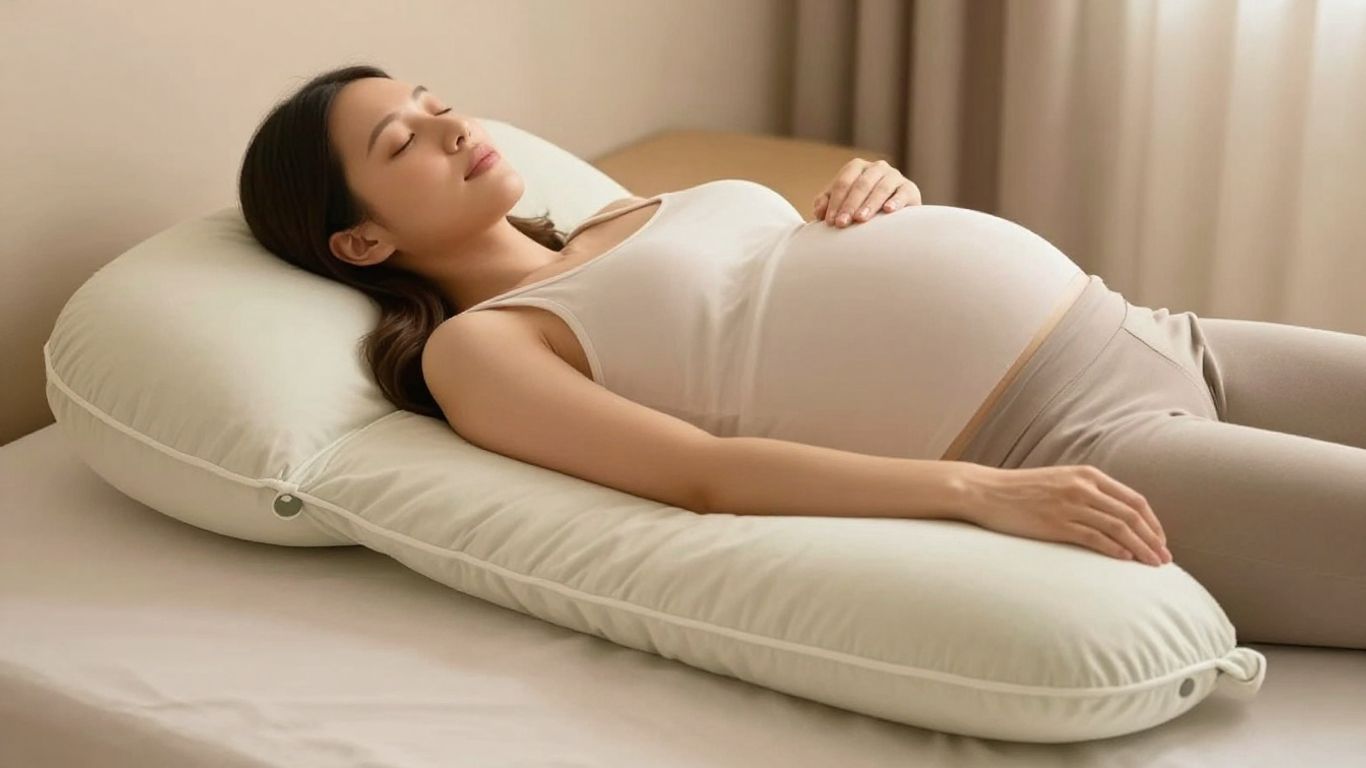
So, you’re on the hunt for that perfect pregnancy pillow. It’s not just about grabbing any pillow; it’s about finding one that really clicks with you and what your body needs right now. Think of it like finding the right pair of shoes – what works for one person might not be the best fit for another. We’ve talked about the different shapes and materials, but now let’s get down to matching those features with your personal comfort zones and how you actually sleep.
Aligning Pillow Features With Personal Discomfort Zones
Pregnancy throws a lot at your body, and discomfort can pop up in all sorts of places. Where are you feeling it the most? That’s your starting point.
- Lower Back Pain: If your lower back is screaming by the end of the day, you’ll want a pillow that offers solid support here. A U-shaped or C-shaped pillow can be great for tucking behind your back, providing that much-needed lumbar support. Some pillows even have specific lumbar support sections built-in.
- Hip and Pelvic Pressure: This is super common, especially as your hips widen. A pillow that lets you place a leg between its sections, like a J-shaped or a well-designed U-shaped one, can take the pressure off. You want something that can cradle your leg and hip without feeling too bulky.
- Belly Support: As your bump grows, it can feel heavy and pull on your back. Pillows that wrap around your belly or have a dedicated belly support section are key. Wedge pillows are also fantastic for sliding right under your growing belly when side sleeping.
- Neck and Shoulder Strain: If you wake up with a stiff neck, pay attention to the pillow’s head and neck support. Some full-body pillows have built-in headrests, while others might require you to use your regular pillow in conjunction with the pregnancy pillow. The Avocado Green Pillow is known for its adjustability, which can help with finding the right neck support.
Considering Your Unique Sleeping Style
How do you usually sleep? This is a big one. While doctors often suggest side sleeping, you might still find yourself shifting or preferring certain positions.
- Side Sleepers: Most pregnancy pillows are designed with side sleepers in mind. U-shaped and C-shaped pillows are naturals here, offering support for your back and belly simultaneously. You can often adjust how you position them to get the best feel.
- Back Sleepers (with caution): If you tend to sleep on your back, you’ll need to transition. However, if you find yourself rolling onto your back during the night, a pillow that can gently nudge you back to your side or provide support that makes side sleeping more appealing is helpful. A U-shaped pillow can sometimes work by keeping you from rolling too far onto your back.
- Tossers and Turners: If you move around a lot, a full-body pillow like a U-shape is probably your best bet. It provides support no matter which way you turn, so you don’t have to readjust multiple pillows throughout the night.
Balancing Support, Comfort, and Practicality
Ultimately, you’re looking for a pillow that feels good, does its job, and fits into your life.
- Firmness Level: Do you like to sink into your pillow, or do you need something more structured? Polyester fiberfill tends to be softer, while memory foam or latex blends can offer firmer support. Think about what feels most restful to you.
- Size and Space: How big is your bed? Do you share it with a partner or pets? A giant U-shaped pillow might be amazing for support but could take over the whole bed. A J-shaped or wedge pillow might be a better fit if space is a concern. The Travelrest Ultimate Travel Pillow is a good example of a more compact, supportive option, though it’s designed for travel, it highlights how smaller designs can still offer targeted support.
- Washability: Let’s be real, things can get messy. A removable, machine-washable cover is a must-have. It makes keeping your pillow fresh and hygienic so much easier.
Finding the right pregnancy pillow is a personal journey. It’s about listening to your body, understanding your sleep habits, and choosing a pillow that genuinely makes you feel more comfortable and rested during this special time. Don’t be afraid to try a few options if possible, or read reviews that focus on specific issues you’re experiencing.
When To Introduce A Pregnancy Pillow Into Your Routine
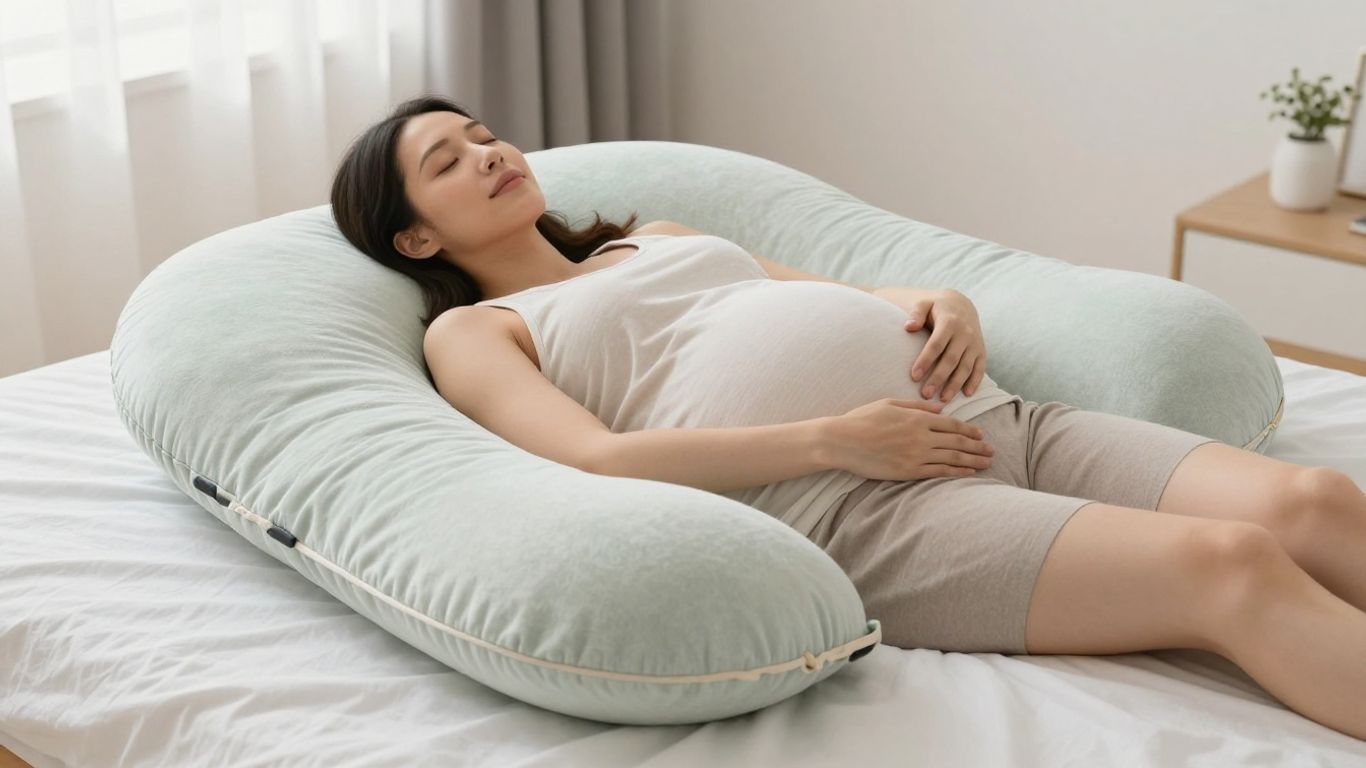
You know that feeling when turning in bed becomes a full-body workout and finding any comfortable position feels impossible? Pregnancy brings joy, anticipation… and, let’s be honest, some serious physical discomfort. From back pain and hip strain to sleepless nights and sore muscles, your body is doing a lot and your bed should support that journey, not make it harder. That’s where a pregnancy pillow comes in.
Recognizing The Signs You Need More Support
While there’s no strict rulebook, your body will often tell you when it’s time. Are you finding yourself waking up multiple times a night, trying to get comfortable? Do you wake up with aches in your back, hips, or even your neck? If you’re propping yourself up with a collection of regular pillows that just aren’t cutting it anymore, it’s a pretty clear signal. Don’t wait until sleep is completely disrupted; addressing discomfort early can make a big difference.
The Second Trimester Transition
Many women find the second trimester, typically starting around week 13 and going through week 27, to be the sweet spot for introducing a pregnancy pillow. This is often when your baby bump starts to become more noticeable, and sleeping on your back might become less comfortable or even advised against. The growing belly shifts your center of gravity, putting new kinds of strain on your back and hips. A pillow can help support this changing shape and keep you in a more comfortable side-sleeping position, which is generally recommended for better circulation. You can start using a pregnancy pillow as soon as you want more comfort and support while sleeping.
Proactive Comfort For A Smoother Pregnancy
Even if you’re not experiencing major discomfort yet, think about getting a pregnancy pillow proactively. It’s not just about fixing problems; it’s about preventing them. A good pillow can help maintain better spinal alignment and reduce pressure points before they become painful. This can lead to more restful sleep, which is incredibly important for both you and your baby’s development. Investing in a quality pillow early on can contribute to a smoother, more comfortable pregnancy journey overall. You can find some great options that offer advanced technologies and temperature-regulating materials for ultimate comfort.
Pregnancy pillows are designed to support your body’s changing needs. They aren’t just for the end of pregnancy; they can be beneficial from the moment you feel you need extra support, offering comfort and alignment throughout your journey.
Here’s a quick look at when you might consider making the switch:
- Early Signs of Discomfort: Waking up sore, difficulty finding a comfortable position, or needing multiple pillows to get by.
- Second Trimester: As your bump grows and sleeping positions become more challenging.
- Proactive Support: To prevent aches and pains and promote better sleep quality from the start.
- Any Stage: It’s perfectly fine to use one even in the first trimester if you feel you need the extra support.
Understanding Pillow Firmness And Fill Options
When you’re on the hunt for the perfect pregnancy pillow, the firmness and the stuff inside it are super important. It’s not just about how soft it feels when you first touch it; it’s about how it holds up throughout the night and how it supports your changing body. Think of it like choosing a mattress – you need something that feels good but also does the job of keeping you comfortable and aligned.
Finding The Right Balance Between Softness And Support
This is where things get personal. Some people like a pillow that feels like a cloud, while others need something more solid to keep their hips and back from aching. The sweet spot is usually a pillow that gives a little but doesn’t let you sink in too much. Too soft, and you might end up with aches. Too firm, and it could feel like sleeping on a brick, which isn’t exactly restful.
Comparing Fill Materials Like Polyester Fiberfill And Memory Foam
Most pregnancy pillows use either polyester fiberfill or some kind of foam. Polyester fiberfill is really common. It’s usually pretty affordable and offers a decent amount of support that bounces back well. It’s a good all-around choice for many people. Memory foam, on the other hand, tends to be denser. It molds to your body, which can be great for targeted support, especially around your hips and belly. However, some memory foam can feel warmer, and it might be heavier.
Here’s a quick look at what you might find:
- Polyester Fiberfill: Common, affordable, good bounce-back, generally breathable.
- Shredded Memory Foam: Molds to your body, offers great targeted support, can be adjusted by adding/removing fill, might feel warmer.
- Down/Feather Fill: Very soft and plush, but often lacks the firm support needed for pregnancy. It’s usually mixed with feathers for more structure.
How Fill Affects Overall Pillow Performance
The type of fill really changes how the pillow feels and performs. A pillow packed with polyester fiberfill might be easier to move around and adjust during the night. If you go for a shredded memory foam pillow, you can often customize the firmness by adding or taking out some of the filling, which is a neat trick. This adjustability is a big deal because what feels right one week might not feel right the next as your pregnancy progresses. Some pillows even have special certifications, like OEKO-TEX, meaning the materials are tested for harmful substances, which is a nice peace of mind factor.
When you’re picking out your pillow, think about how you sleep. Do you move around a lot? Do you tend to get hot at night? These details matter. A pillow that’s too dense might trap heat, making those already warm nights even tougher. On the flip side, a pillow that’s too light might not offer the stability you need when you’re trying to get comfortable in a side-sleeping position.
Ultimately, the best fill is the one that helps you get a solid night’s sleep. Don’t be afraid to check out reviews that talk about how the pillow holds up over time. You want something that will keep its shape and supportiveness, not go flat after a few weeks. For many, a pillow with a breathable cotton cover is a good starting point for comfort.
Rest Easy, Mama
So, you’ve made it through the guide, and hopefully, you’re feeling a lot more confident about picking out that perfect pregnancy pillow. Remember, this isn’t just about catching some Z’s; it’s about giving your body the support it truly deserves during this amazing, yet demanding, time. Whether you went with a U-shape hug or a trusty wedge, the goal is simple: better sleep, less pain, and more energy for you and your little one. Don’t underestimate the power of a good night’s rest – your body (and your baby!) will thank you for it. Now go on, get comfy, and enjoy those sweet dreams.
Frequently Asked Questions
When should I start using a pregnancy pillow?
You can start using a pregnancy pillow as soon as you feel you need extra comfort and support while sleeping. Many women find them really helpful around the second trimester when their belly starts to grow noticeably.
Is it okay to sleep on my back while pregnant?
It’s generally best to avoid sleeping on your back after the first trimester. When you lie on your back, the weight of your growing uterus can press on important blood vessels, which isn’t ideal for blood flow. Doctors usually suggest sleeping on your side, and a pregnancy pillow can help you stay in that position.
Why are pregnancy pillows so big?
Pregnancy pillows are designed to be large so they can support your whole body. This size helps them cradle your back, belly, knees, and even your ankles all at once, which takes pressure off your back and hips.
How firm should a pregnancy pillow be?
You’ll want a pillow that’s firm enough to offer good support but soft enough to shape around your body comfortably. Different filling materials create different levels of firmness. Memory foam or microbeads might feel firmer than fluffy polyester fiberfill. Think about what feels best for you!
Can I use my pregnancy pillow after the baby is born?
Absolutely! Many moms find their pregnancy pillow is still super useful after birth. It can be adjusted to help support you while nursing or bottle-feeding your baby, and it’s also great for just lounging and recovering.
What’s the difference between U-shaped and C-shaped pillows?
U-shaped pillows wrap all the way around you, offering support for your back and belly at the same time. They’re great if you move around a lot in your sleep. C-shaped pillows are smaller and offer more targeted support, often used behind your back or between your knees.
What materials are best for pregnancy pillows?
Look for breathable and soft materials, like cotton or bamboo, especially for the cover. These help keep you cool. For the filling, options like polyester fiberfill or memory foam offer different levels of support. Make sure the cover is removable and washable for easy cleaning!
How do I keep my pregnancy pillow clean?
Most pregnancy pillows have a cover that you can zip off and toss in the washing machine. Just follow the care instructions on the tag. If the inner pillow needs cleaning, spot clean it with a damp cloth. Always make sure it’s completely dry before putting the cover back on.