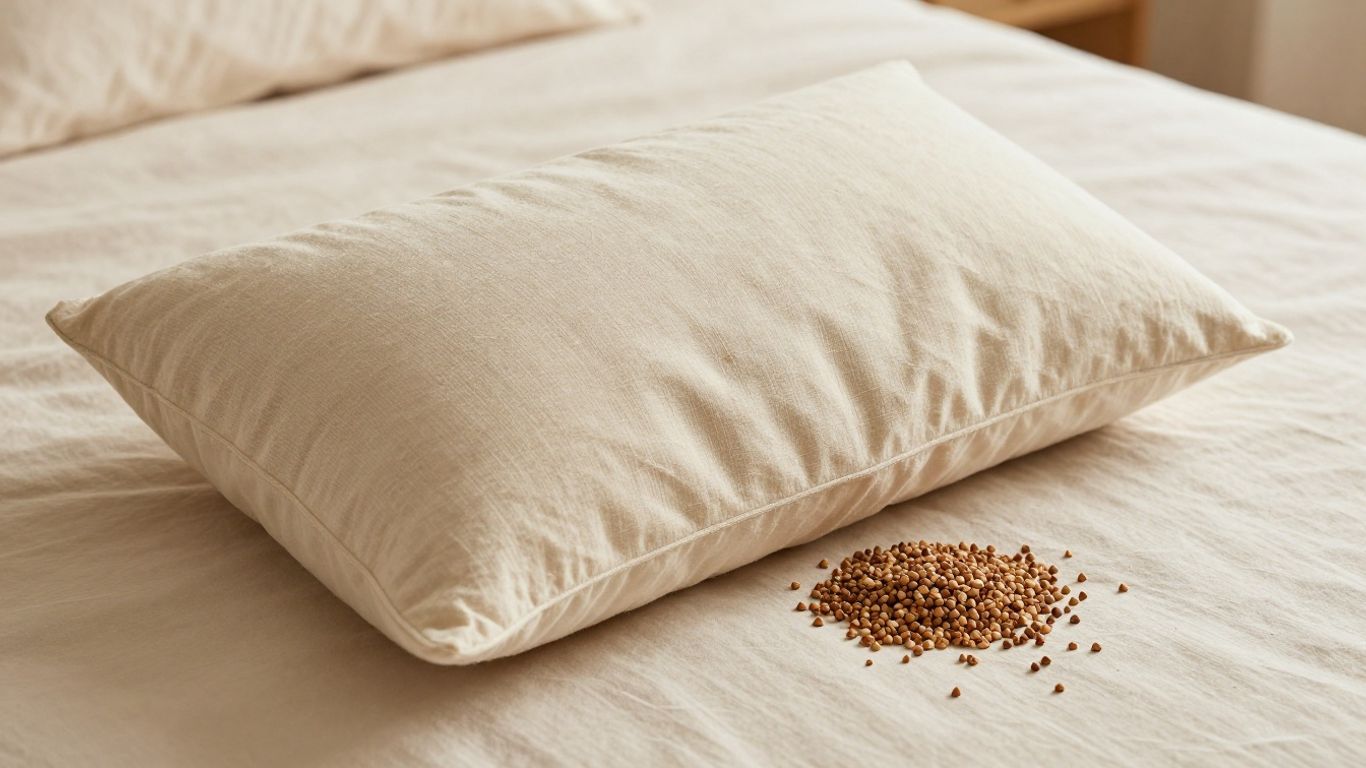
You know, getting good sleep can feel like a real challenge sometimes. We try everything – blackout curtains, white noise machines, fancy teas – but still wake up feeling tired. Maybe it’s time to look at what’s actually under our heads. I’ve been hearing a lot about the buckwheat pillow lately, and honestly, it sounds pretty interesting. It’s not your typical fluffy pillow, and that seems to be the point. Let’s dig into why this natural option might be just what you need for better rest.
Key Takeaways
- A buckwheat pillow uses natural buckwheat hulls as filling, offering a firm yet moldable support that differs from traditional soft pillows.
- These pillows can help align your spine, potentially reducing neck and back pain and improving posture.
- The breathable nature of buckwheat hulls may help alleviate snoring and reduce allergy symptoms due to their hypoallergenic properties.
- Better sleep quality, which a buckwheat pillow can promote, is linked to better appetite regulation and can support weight management efforts.
- Buckwheat pillows are adjustable by adding or removing hulls, allowing you to customize the loft and firmness for your specific sleeping position and comfort needs.
Understanding The Buckwheat Pillow
What Constitutes A Buckwheat Pillow?
So, what exactly is a buckwheat pillow? It’s not what you might imagine if you’re used to soft, fluffy pillows. Inside the cover of a buckwheat pillow, you’ll find thousands upon thousands of tiny buckwheat hulls. These are the hard outer shells left over after the buckwheat grain has been harvested. Instead of being discarded, these shells are cleaned and used as a filling. This natural material gives the pillow a unique, firm, and moldable quality. The weight of a typical buckwheat pillow is usually between three and four kilos, which is quite a bit heavier than your average pillow. It feels very different from traditional fillings, almost like a return to ancient sleeping methods where people might have used firmer materials.
The Natural Origin Of Buckwheat Hulls
Buckwheat itself isn’t actually a type of wheat; it’s more closely related to rhubarb. The hulls are the protective outer layer of the buckwheat seed. After the grain is harvested for food, these hulls are a byproduct. Rather than being thrown away, they’re cleaned and processed for use in various applications, including as a filling for pillows. This makes them a sustainable choice. The hulls are known for their breathability and their ability to conform to shapes without compressing permanently. This is a big part of why they’re used in pillows, offering a supportive base that doesn’t just flatten out over time. You can even find organic buckwheat pillows if that’s something you’re looking for.
A Nod To Ancient Sleep Practices
While buckwheat pillows might seem like a modern invention, their roots go way back. Ancient civilizations often slept on materials that were much firmer than what we consider comfortable today, like wood, stone, or ceramics. The idea behind using buckwheat hulls is a bit of a throwback to this concept of a supportive, firm base for the head and neck. It’s a way of getting back to basics, using natural materials that have been around for ages. This ancient approach to sleep support, using natural, firm materials, is what makes buckwheat pillows stand out. They offer a different kind of comfort, one that prioritizes alignment and support over plushness. The hulls can conform to your shape, providing a personalized feel that’s hard to get with other types of pillows. They are known for their durability and long lifespan.
Unlocking Superior Neck And Back Support
How Buckwheat Hulls Align Your Spine
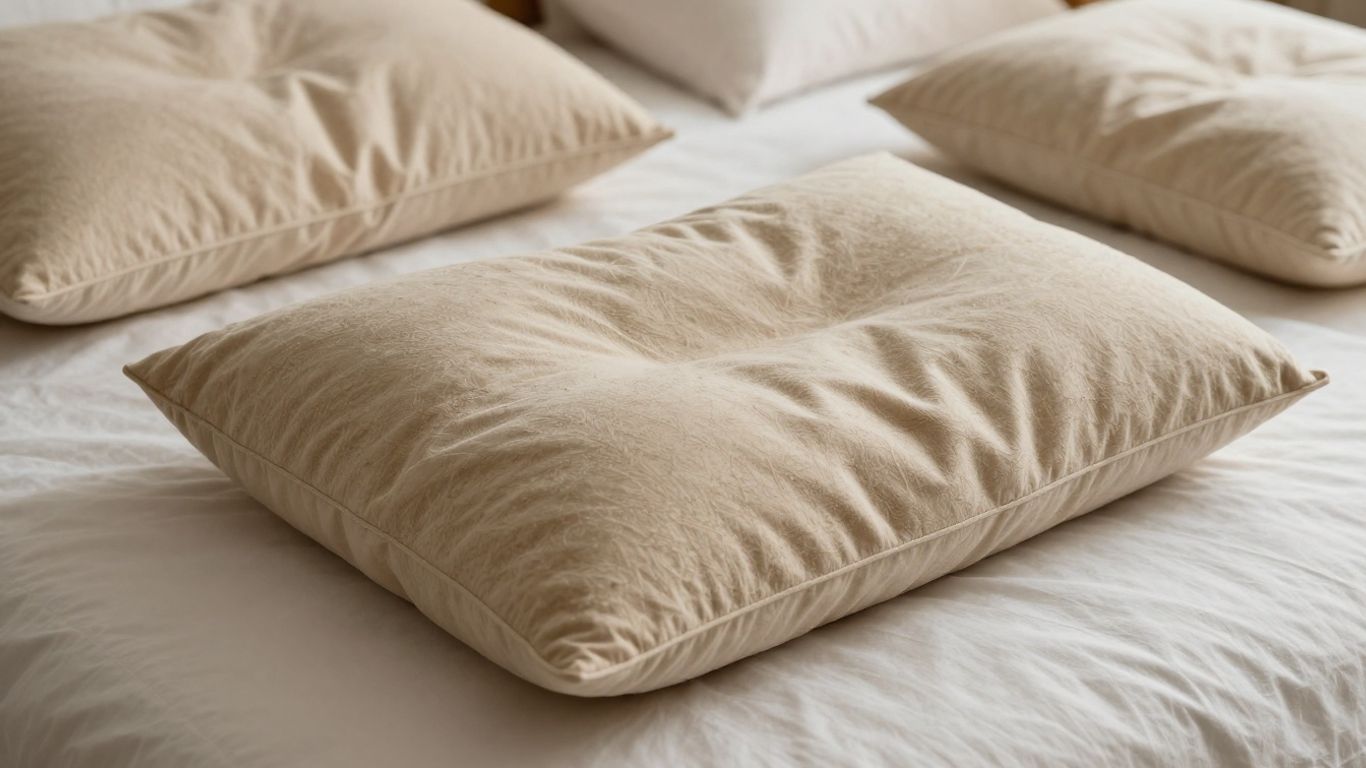
Think about how you sit or stand – you probably try to keep your spine straight, right? Well, the same idea applies when you’re sleeping. Traditional soft pillows often let your head sink too low, throwing your neck and spine out of alignment. Buckwheat hulls, on the other hand, are firm and moldable. They don’t just cushion your head; they actually conform to its shape while keeping it level with the rest of your spine. This means your neck and back muscles can finally relax instead of straining to hold your head in a weird position all night. It’s like giving your spine a chance to rest in its natural, neutral position. This kind of support is a big deal for preventing that morning stiffness and general achiness. For those looking for a different kind of support, a memory foam contour pillow might also be worth considering.
Minimizing Pain Through Proper Posture
When your spine is properly aligned, it reduces the pressure on your nerves and muscles. This is where the magic happens for pain relief. Imagine a kink in a garden hose – if it’s bent, water flow is restricted. Something similar happens with your nerves and muscles when your posture is off. By supporting your neck and back correctly, a buckwheat pillow helps keep everything flowing smoothly. This can make a noticeable difference in reducing common aches and pains, especially in the neck and shoulders. It’s not just about comfort; it’s about letting your body function as it should, without unnecessary strain.
Enhancing Nerve And Muscle Health
Consistent, proper alignment during sleep does wonders for your body’s recovery. When your spine is supported, it allows the nerves and muscles in your neck and back to fully relax and repair. This isn’t just about feeling better in the morning; it contributes to long-term health by preventing chronic strain and tension buildup. Over time, this can lead to fewer headaches, less stiffness, and a greater range of motion. The firmness of buckwheat pillows helps maintain this alignment, giving your body the stable foundation it needs to rest and rejuvenate effectively. It’s a simple change that can have a significant impact on how your body feels day-to-day.
Breathing Easier: Alleviating Snoring And Allergies
Clearing Airways For Reduced Snoring
Snoring happens when air struggles to move through a blocked airway, causing tissues to vibrate. It’s not just an annoying sound; it can sometimes point to a more serious issue like obstructive sleep apnea. A buckwheat pillow helps by keeping your head and neck properly aligned. This alignment can open up your airways, making it easier for air to pass through. When your airway is clearer, those disruptive vibrations tend to lessen, leading to quieter nights for you and anyone sharing your bed. This improved airflow is key to reducing snoring.
The Hypoallergenic Nature Of Buckwheat
If you’ve ever woken up with a stuffy nose or itchy eyes, allergies might be the culprit. Many traditional pillows are filled with materials like down, feathers, or synthetic fibers that can trap dust mites and other allergens. Buckwheat hulls, on the other hand, are a natural material that doesn’t readily attract these tiny irritants. They are also quite breathable, which helps prevent the buildup of moisture where mold and mildew might grow. This makes them a good choice for people who find themselves sensitive to common pillow fillings. Some sources even mention that buckwheat allergies themselves are rare, making them a generally safe option for most people [d64f].
Impact Of Snoring On Overall Health
Snoring isn’t just a minor inconvenience; it can actually impact your health in several ways. When you snore, especially if it’s a sign of sleep apnea, your sleep quality suffers. You might not be getting enough deep, restorative sleep, which can affect your mood, energy levels, and even your metabolism. Over time, consistent poor sleep linked to snoring can contribute to other health concerns. Getting better sleep through methods like using a buckwheat pillow can help support your body’s natural processes and contribute to better overall well-being.
The way you position your head and neck during sleep plays a big role in how easily air flows through your airways. A pillow that doesn’t offer the right support can cause your airway to narrow or even collapse, leading to snoring and disrupted sleep. Buckwheat pillows, with their ability to conform and support, can make a real difference here.
The Role Of Buckwheat Pillows In Weight Management
It might seem a bit out there, but your pillow could actually play a role in managing your weight. It all comes down to how well you sleep. When you’re not getting enough quality rest, your body goes a little haywire with its hormones. Specifically, the ones that tell you when you’re hungry and when you’re full. This can lead to increased appetite, and before you know it, you’re reaching for snacks more often than you should.
Sleep Quality’s Effect On Appetite Hormones
Think about it: when you’re tired, do you crave a salad or a giant slice of cake? For most of us, it’s the latter. Poor sleep messes with ghrelin (the hunger hormone) and leptin (the satiety hormone). This imbalance can make you feel hungrier and less satisfied after eating, which is a recipe for unwanted weight gain. It’s a sneaky cycle, but a very real one. Getting good sleep is just as important for weight management as diet and exercise.
Achieving Balance Through Restorative Sleep
A buckwheat pillow can help you get that much-needed restorative sleep. Because they offer great support and airflow, they help reduce tossing and turning. This means fewer wake-ups and more time spent in those deep, healing sleep stages. When your body is properly rested, these appetite-regulating hormones can do their job correctly. This can lead to better food choices and a more balanced approach to eating. It’s not a magic bullet, of course, but it’s a significant piece of the puzzle. For those looking for better sleep, these pillows are a popular choice [8df2].
Complementing Diet And Exercise
Of course, a buckwheat pillow isn’t going to make you lose weight on its own. It works best when it’s part of a bigger picture. If you’re already eating well and trying to get more exercise, improving your sleep quality can really boost your efforts. Better sleep means more energy for workouts and less of that late-night craving for junk food. It’s about creating a healthy lifestyle where all the elements support each other.
When your sleep is consistently disrupted, your body is in a constant state of stress. This can lead to increased cortisol levels, which are linked to storing belly fat and generally making it harder to shed pounds. Addressing sleep issues, therefore, can have a direct impact on your body’s ability to manage weight effectively.
Finding Relief From Headaches And Migraines
Headaches and migraines can really throw a wrench into your day, can’t they? Sometimes, the culprit isn’t just stress or lack of sleep, but something a bit more physical, like how you’re holding your head and neck while you sleep. It turns out, the way your pillow supports you can make a big difference.
Addressing Spinal Alignment Issues
When your spine isn’t lined up properly, especially in your neck, it can put pressure on nerves and muscles. This misalignment can lead to tension headaches or even trigger migraines for some people. A pillow that’s too soft or too firm, or just the wrong shape, can force your head into an awkward position all night long. Buckwheat pillows, with their ability to conform to your shape, can help keep your head and neck in a more neutral position. This means less strain on your muscles and a better chance for your spine to stay aligned. It’s like giving your neck a gentle, supportive hug all night.
The Connection Between Allergies and Headaches
Did you know that allergies can sometimes lead to headaches? When your nasal passages get irritated, it can affect nerves in your head, and bam – headache. Traditional pillows can trap dust mites and other allergens, making this problem worse. Buckwheat hulls, on the other hand, are naturally hypoallergenic. They don’t offer the same cozy environment for dust mites to set up shop. This means fewer allergens floating around your face while you sleep, which can be a real game-changer if you’re prone to allergy-related headaches. It’s a simple change that can lead to clearer breathing and fewer head-pounding mornings.
Improving Airway Support for Migraine Sufferers
Sometimes, headaches and migraines are linked to breathing issues during sleep. If your airway gets blocked or restricted, it can disrupt your sleep and even contribute to head pain. Buckwheat pillows are known for their breathability, allowing air to circulate freely. Plus, their supportive nature helps maintain an open airway by keeping your head and neck properly positioned. This improved airflow can mean less snoring and, for some, a reduction in the frequency or intensity of their migraines. It’s about creating a sleep environment that supports, rather than hinders, your body’s natural processes.
The right pillow can be a surprisingly effective tool in managing headache and migraine pain. By focusing on spinal alignment, reducing allergen exposure, and promoting better airflow, a buckwheat pillow offers a natural approach to finding relief. It’s not a magic cure, but for many, it’s a significant step towards more comfortable nights and clearer mornings.
Choosing the right pillow can significantly help manage migraines. Different pillow types, such as memory foam, buckwheat, and water pillows, offer unique benefits for migraine sufferers seeking relief. Exploring these options can lead to a more comfortable and pain-free experience. different pillow types
Buckwheat pillows are also known for their firm support and ability to cradle your head, which is great for keeping your neck and spine aligned. This natural alignment is key to reducing strain that can lead to headaches. traditional Japanese handcrafted Organic Buckwheat Hull Pillows
Customizing Your Buckwheat Pillow Experience
Adjusting Loft For Optimal Comfort
One of the coolest things about buckwheat pillows is how you can actually change how thick they are. It’s not like a regular pillow where you’re stuck with what you get. You can add or take out the buckwheat hulls to get it just right for you. This means you can really dial in the perfect height, or ‘loft,’ for your head and neck. Getting the loft right is key to making sure your spine stays in a nice, neutral line while you sleep.
Tailoring Support For Different Sleep Positions
Your favorite sleeping position matters a lot when it comes to pillow choice. Side sleepers, for example, usually need a thicker pillow to fill the gap between their head and shoulder, keeping their neck straight. Back sleepers might prefer a medium loft, just enough to support the natural curve of their neck without pushing their head too far forward. Stomach sleepers often do best with a very thin pillow, or sometimes no pillow at all, to avoid straining their neck. With a buckwheat pillow, you can adjust the hull filling to match these needs. You can add more hulls for side sleeping or remove some for back or stomach sleeping. It’s all about finding that sweet spot where you feel supported but not stiff.
The Benefits Of A Moldable Pillow
Buckwheat hulls aren’t just about adjusting the height; they also mold to your shape. Unlike foam or down, the hulls shift and conform to the contours of your head and neck. This means you get support exactly where you need it, without any uncomfortable pressure points. It’s like the pillow is custom-made for you every single night. This moldable quality can be a real game-changer for people who toss and turn a lot or have specific aches and pains. You can even shape the pillow a bit, pushing hulls to one side or the other to create a custom cradle for your head. This flexibility is a big reason why many people find relief from neck and shoulder discomfort. If you’re looking for a pillow that truly adapts to you, a buckwheat option is worth checking out. You can find a variety of options at places like Walmart that offer this kind of adjustability.
The ability to adjust the loft and firmness by adding or removing hulls means you’re not locked into a one-size-fits-all solution. This personal touch is what makes buckwheat pillows stand out for comfort and support.
Durability And Long-Term Value
When you’re thinking about investing in a buckwheat pillow, it’s natural to wonder how long it’ll actually last. Unlike those fluffy pillows that flatten out after a year or two, buckwheat hulls are surprisingly tough. These natural hulls are designed to hold their shape and provide consistent support for a really long time. Most people find that with just a little bit of care, a buckwheat pillow can easily last for several years, sometimes even a decade or more. This means you’re not constantly buying replacements, which is good for your wallet and the environment.
The Longevity Of Buckwheat Hulls
The secret to their lasting power is the buckwheat hull itself. These are the outer casings of the buckwheat grain, and they’re quite resilient. They don’t compress or break down easily like synthetic fills or even feathers can. Think of them like tiny, sturdy pebbles that shift and mold to your shape without losing their integrity. This means the support you get on day one is pretty much the same support you’ll get years down the line. You can even buy extra hulls if you ever feel like your pillow needs a refresh, which is a nice option to have.
Comparing Lifespans With Traditional Pillows
Let’s be honest, most pillows you pick up at the store don’t have a great track record. Memory foam can develop permanent indentations, down pillows lose their loft, and polyester fills just get lumpy. A typical pillow might need replacing every 1-2 years. Buckwheat pillows, on the other hand, are in a different league. While the fabric cover might show wear and tear sooner, the hulls themselves are incredibly durable. This longevity makes the initial cost, which can be a bit higher than some traditional options, a worthwhile investment over time. You’re essentially paying for quality that lasts.
Investing In Quality Construction
When you’re looking at buckwheat pillows, pay attention to how they’re made. A good quality pillow will have a strong, breathable cover, often made from cotton or bamboo fabric. It should also have a sturdy zipper so you can easily access the hulls if you need to adjust the fill. Some brands even offer replacement covers, which further extends the life of your pillow. Choosing a pillow from a reputable manufacturer that uses high-quality materials means you’re getting something that’s built to last. It’s not just about the hulls; it’s about the whole package being well-constructed for long-term use. This kind of pillow can be a great choice for side sleepers looking for consistent support [aacc].
Buckwheat pillows stand out for their impressive durability. The natural hulls resist compression and wear, offering consistent support for many years. This long lifespan, combined with their adjustability, makes them a cost-effective and sustainable choice compared to pillows that need frequent replacement.
Choosing The Right Buckwheat Pillow For You
So, you’re thinking about taking the plunge into the world of buckwheat pillows. That’s great! But with so many options out there, how do you pick the one that’s actually going to give you the best sleep? It’s not just about grabbing the first one you see. Let’s break down what to look for.
Researching Hull Sourcing And Processing
First off, where do those little buckwheat hulls come from, and how are they treated? This is more important than you might think. You want hulls that have been cleaned really well. Think about it: you’re going to be sleeping on them, breathing in whatever might be lingering. Look for information about the cleaning process. Some brands are really upfront about this, detailing how they remove dust, debris, and any potential mold. It’s worth spending a little extra time to find a pillow where the hulls are processed with care.
Assessing Pillow Fabric And Zipper Quality
Next up, the outside stuff. The fabric of your pillowcase matters. Is it breathable? Does it feel nice against your skin? Cotton is a popular choice because it lets air move through, which is great for keeping cool. Also, check out the zipper. Is it sturdy? Can you easily open it to adjust the hulls (which you’ll want to do!)? A cheap zipper can break easily, making your pillow a pain to manage.
Considering Pillow Size And Firmness
Buckwheat pillows are known for being firm, and that’s usually a good thing for support. But how firm is too firm for you? And what about size? Most buckwheat pillows are adjustable, meaning you can add or remove hulls to get the loft and support just right. This is a big deal, especially if you sleep on your side, as you’ll likely need more height than someone who sleeps on their back.
Here’s a quick rundown on how different sleep positions might benefit:
- Side Sleepers: Generally need a thicker pillow to keep the spine aligned. You might need to add more hulls.
- Back Sleepers: Often do well with a medium loft. Adjusting the hulls can help find that sweet spot.
- Stomach Sleepers: This is where it gets tricky. Buckwheat pillows are naturally quite firm and can be thick, which isn’t always ideal for stomach sleeping. You might need to remove a significant amount of hulls to make it work, or this pillow might just not be the best fit for you.
Remember, while you can adjust the loft, the inherent firmness of the buckwheat hulls means these pillows tend to stay on the firmer side. Don’t expect a super soft, sink-in kind of pillow. It’s more about supportive firmness.
When you’re looking, check out reviews specifically mentioning how easy it is to adjust the fill material and how well the pillow holds up over time. A good buckwheat pillow is an investment in your sleep, so taking these steps will help you make a smart choice.
Beyond Comfort: Additional Health Advantages
So, we’ve talked a lot about how a buckwheat pillow can help your neck and stop snoring, which is great. But honestly, the benefits go a bit deeper than just feeling more comfortable or breathing easier. There are some other pretty neat health perks that come with using one of these natural pillows.
Promoting Better Blood Circulation
Think about it: when you’re all bunched up or your head is at a weird angle, your blood flow probably isn’t at its best. A buckwheat pillow, because it molds to your shape, helps keep your spine in a more natural alignment. This means your head and neck are supported properly, which can actually help your blood circulate more freely. Good circulation is key for getting oxygen and nutrients to all your tissues and organs. It’s not something you usually think about when picking out a pillow, but it makes a difference.
Reducing Pressure Points
Traditional pillows can sometimes feel like they’re pushing back in all the wrong places, right? They can create pressure points, especially around your head, neck, and shoulders. Buckwheat hulls, on the other hand, shift and adjust. They don’t just stay firm or lumpy; they move with you. This means they can distribute your weight more evenly, taking the pressure off those sensitive spots. It’s like having a pillow that custom-fits itself to you every night.
Enhancing Overall Sleep Quality
When you combine better circulation and fewer pressure points with the support and breathability we’ve already discussed, what do you get? You get better sleep, plain and simple. It’s not just about falling asleep faster, but about getting more restful, deeper sleep. This kind of sleep is what your body really needs to repair itself, recharge, and get you ready for the day ahead. It’s a domino effect: better support leads to better sleep, which leads to better health overall. It’s a pretty solid reason to consider making the switch, especially if you’ve been tossing and turning.
It’s easy to get caught up in the idea of a pillow just being for comfort. But when you look at how it affects your body’s alignment, circulation, and pressure distribution, you start to see it as a tool for better health. The natural materials and adaptable nature of buckwheat hulls really do contribute to a more restorative night’s rest, which impacts everything from your mood to your physical well-being.
Here’s a quick look at how these benefits stack up:
- Improved Spinal Alignment: Helps keep your neck and spine in a neutral position.
- Even Weight Distribution: Reduces strain on specific areas of your head and neck.
- Better Airflow: The hulls allow air to move through, preventing overheating.
- Hypoallergenic Properties: Less likely to trigger allergies compared to some synthetic fillings.
If you’re looking for a pillow that does more than just cushion your head, a buckwheat pillow might be worth checking out. It’s a simple change that can lead to some noticeable health improvements over time, contributing to your overall well-being. You can find pillows with natural buckwheat hulls that are designed for this kind of support.
Maintaining Your Buckwheat Pillow
So, you’ve invested in a buckwheat pillow and are enjoying all the benefits. That’s great! But like anything you want to last, it needs a little care. It’s not complicated, honestly. You just need to know what to do and what to avoid.
Cleaning The Outer Cover
This is the easy part. Most buckwheat pillow covers are made from materials like cotton or bamboo rayon, which are usually machine washable. Just pop the cover in the washing machine on a gentle cycle with cold water. Avoid hot water, as it can really mess with the fabric quality over time. It’s a good idea to have a spare cover on hand so you can swap it out while the other one is being cleaned. This way, you don’t have to go without your favorite pillow.
Handling The Buckwheat Hulls
Now, this is where you have to be careful. Never, ever wash the buckwheat hulls themselves. Seriously, don’t do it. Soaking them can ruin their structure, making them less durable and affecting their supportive qualities. Instead, if they need a refresh, spread the hulls out in direct sunlight for a few hours. This helps to air them out and get rid of any lingering odors. Think of it like airing out a rug on a sunny day.
Ensuring Longevity Through Proper Care
Taking care of your buckwheat pillow is pretty straightforward, but there are a few key things to remember:
- Remove Hulls for Cover Washing: Always take the hulls out before washing the cover. Store them in a sturdy container while you clean the fabric.
- Sunlight for Refreshing Hulls: If the hulls seem a bit stale or have absorbed odors, spread them thinly on a clean surface and place them in direct sunlight for several hours. This is a natural way to freshen them up.
- Avoid Moisture: Keep the hulls dry. Moisture is the enemy and can lead to mold or mildew, which you definitely don’t want.
- Check for Zipper Access: Having a zipper on your pillowcase is super helpful. It makes removing and adding hulls a breeze, which is key for adjusting firmness and for cleaning.
Buckwheat pillows are built to last, often outperforming traditional pillows by years. The hulls themselves are quite resilient. The main thing that wears out is usually the fabric cover. By taking good care of the cover and handling the hulls correctly, you can extend the life of your pillow significantly, making it a truly long-term investment in your sleep health.
If you’re looking to adjust the firmness or just want to refresh your pillow, having a zipper makes all the difference. It allows you to easily add or remove hulls to get that perfect loft and support you love. It’s a simple feature that really adds to the overall usability and longevity of the pillow. For more tips on choosing the right pillow, you might want to look into how to choose a buckwheat pillow.
So, Is a Buckwheat Pillow Right for You?
Look, getting good sleep is a big deal. It affects everything from your mood to how well your body works. We’ve talked about how buckwheat pillows can help with neck and back pain, maybe even cut down on snoring, and just generally give you a more supportive night’s rest. They’re not like your typical fluffy pillow, sure, but that firmness is kind of the point. Plus, you can adjust them to fit just how you like. If you’re tired of waking up sore or just not feeling rested, maybe it’s time to give one of these a try. It might just be the simple change you need to start sleeping better.
Frequently Asked Questions
What exactly is a buckwheat pillow?
A buckwheat pillow is filled with tiny, hard shells from buckwheat seeds, called hulls. These hulls make the pillow firm and supportive, unlike soft, fluffy pillows. Think of it like a bag of tiny natural beads that can shape to your head and neck.
How do buckwheat pillows help with neck and back pain?
Because the hulls are firm, they keep your head and neck in a straight line while you sleep. This good posture helps your spine stay aligned, which can really cut down on aches and pains in your neck and back. It’s like giving your body the right support it needs.
Are buckwheat pillows good for people with allergies?
Yes, buckwheat hulls are a natural material and don’t usually cause allergies. They also don’t hold onto dust mites or mold like regular pillows can. Plus, the hulls allow air to move through, which helps keep the pillow cool and less inviting for tiny allergy triggers.
Can a buckwheat pillow help with snoring?
Sometimes, snoring happens because your airway is a bit blocked. By supporting your head and neck properly, a buckwheat pillow can help keep your airway open. This means less vibrating and less snoring, leading to better sleep for you and anyone nearby.
How do I make my buckwheat pillow comfortable for me?
The great thing about buckwheat pillows is that you can change how much filling is inside. You can add or take out hulls to make the pillow thicker or thinner, softer or firmer. This way, you can adjust it perfectly for how you like to sleep, whether you sleep on your side, back, or stomach.
Are buckwheat pillows noisy?
Some people find that the hulls make a rustling sound when you move. However, many newer buckwheat pillows have special inner bags and covers designed to quiet this down. It’s a small trade-off for the great support they offer.
How long do buckwheat pillows last?
Buckwheat pillows are built to last! The hulls are very durable, so a good quality buckwheat pillow can be used for many years, often much longer than traditional pillows that flatten out quickly. It’s a good investment for better sleep over time.
How do I take care of a buckwheat pillow?
You usually can’t wash the buckwheat hulls themselves. Instead, you’ll wash the outer cover, just like any other pillowcase. If the hulls need refreshing, you can spread them out in the sun for a bit. Always check the specific care instructions that come with your pillow.