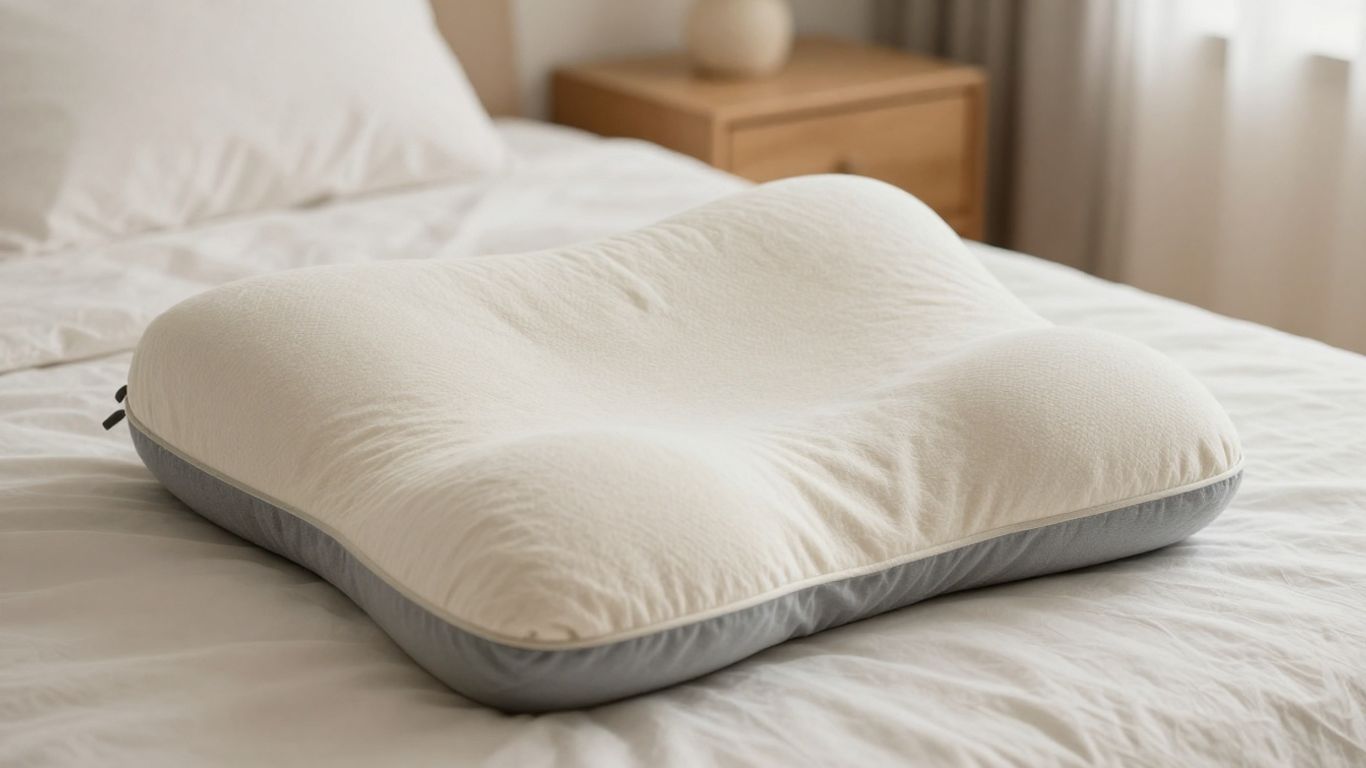
Waking up with a stiff neck is the worst, right? It can really throw off your whole day. A lot of times, the culprit is right under your head – your pillow. If it’s not supporting your neck properly, it can mess with your spine alignment and leave you feeling sore. Finding the right ergonomic pillow can feel like a quest, but it’s totally doable. We’ve looked into what makes a good pillow for neck pain, talked to some experts, and tested a bunch of options to help you find one that actually works. Let’s figure out how to get you sleeping better.
Key Takeaways
- Your pillow plays a big role in neck pain; the goal is to keep your neck aligned with your spine.
- Loft (height) and firmness are super important and depend on how you sleep.
- Different pillow shapes, like contoured or bolstered designs, can offer specific support.
- Materials like memory foam and latex are popular for their support, but other fills exist too.
- Always check trial periods and return policies before buying an ergonomic pillow.
Understanding Neck Pain And Your Ergonomic Pillow
Waking up with a stiff neck or a nagging ache between your shoulders? It’s easy to blame a bad night’s sleep, but often, the culprit is right under your head: your pillow. While we tend to focus on our mattresses, the pillow plays a pretty big role in how our head, neck, and spine line up while we’re snoozing. If your pillow isn’t supporting your neck’s natural curve, it can lead to all sorts of discomfort.
The Role Of Your Pillow In Neck Discomfort
Think about it. For seven to eight hours every night, your head is resting on something. If that something is too high, too low, or just not shaped right, your neck muscles have to work overtime to compensate. This constant strain can lead to that familiar morning stiffness, tension headaches, and even pain that lingers throughout the day. It’s not just about comfort; it’s about keeping your cervical spine in a neutral position so everything can actually relax and recover.
Identifying A Pillow That Supports Neutral Alignment
So, what does "neutral alignment" even mean for your neck? Basically, it’s keeping your head in line with your spine, without forcing it to tilt up, down, or to the side. Your pillow should fill the space between your head and the mattress in a way that supports the natural inward curve of your neck.
Here’s a quick checklist to see if your current pillow is doing its job:
- Does your head feel propped up too high, pushing your chin towards your chest?
- Does your head feel like it’s falling backward, flattening your neck curve?
- Do you wake up with pain or stiffness that seems to ease up as the day goes on?
If you answered yes to any of these, it might be time to look for a pillow that offers better support. A pillow that’s too flat or too firm can cause similar issues, so it’s a balancing act.
When To Consider An Ergonomic Pillow For Relief
If you’re experiencing persistent neck pain, headaches, or shoulder stiffness that doesn’t seem to go away, an ergonomic pillow is definitely worth considering. These pillows are specifically designed to promote proper spinal alignment and reduce strain. They often come with features like contoured shapes or adjustable fill to cater to different sleeping positions and body types.
Sometimes, the simplest solutions are the most effective. If you’ve tried stretching, massage, or other remedies without lasting relief, re-evaluating your sleep setup, starting with your pillow, could be the key. It’s about creating an environment where your body can truly rest and repair overnight. A supportive pillow is a big part of that equation for neck pain relief.
Choosing the right pillow is about finding that sweet spot where your head and neck are comfortably supported, allowing your muscles to relax. It’s not a one-size-fits-all situation, and what works for one person might not work for another. Factors like your preferred sleeping position and your body’s unique shape play a big role in finding that perfect match for proper alignment.
Key Features Of An Effective Ergonomic Pillow
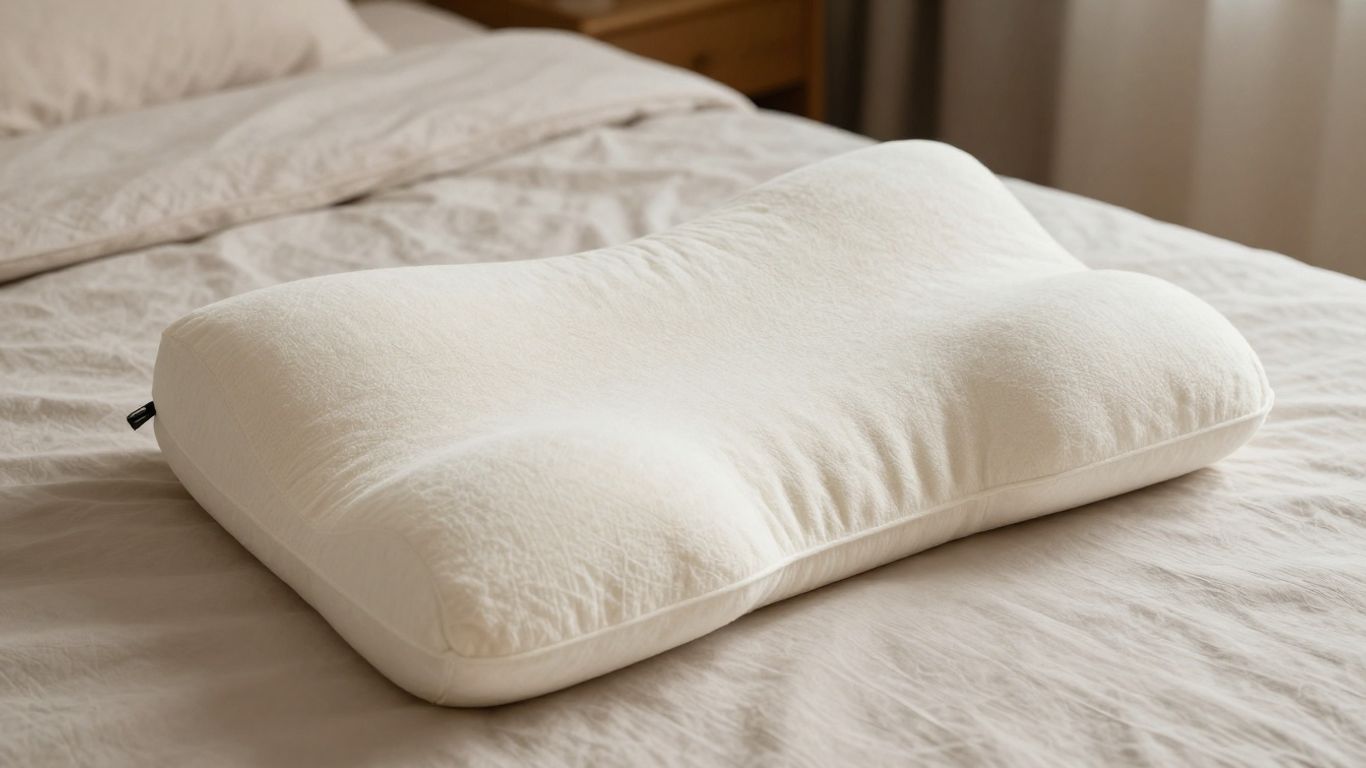
When you’re looking for a pillow to help with neck pain, it’s not just about what it looks like. There are some specific things to check out that really make a difference in how well it works. Getting these right means you’re more likely to wake up feeling refreshed, not stiff.
Evaluating Loft And Firmness For Your Sleep Style
Loft, which is basically the height of the pillow, is super important. If you sleep on your side, you generally need a thicker pillow. This fills the gap between your head and shoulder, keeping your neck straight. Back sleepers usually do better with a medium loft. Stomach sleepers, though, should aim for a really low loft, or even no pillow at all, to avoid craning their neck upwards. Firmness is just as critical; you want a pillow that supports your neck without letting your head sink too far down. Too soft, and your neck might bend awkwardly. Too firm, and it could create pressure points. Most people find a medium to firm pillow offers the best mix of comfort and support for neck pain relief.
The Importance Of Material And Fill
The stuff inside the pillow matters a lot. Memory foam and latex are popular because they mold to your shape and keep their form all night, offering consistent support. Shredded foam can be good too, sometimes allowing for more airflow and adjustability. Down or polyfill might feel soft and fluffy, but they can flatten out, leaving your neck unsupported by morning. Look for materials that offer a good balance of contouring and support. Certifications like CertiPUR-US or OEKO-TEX are a good sign that the materials are safe and free from harsh chemicals.
Considering Pillow Shape And Design
Pillow shapes vary a lot, and some are designed with specific needs in mind. Contoured pillows often have a dip in the middle for your head and raised edges to support your neck. This shape can really help keep your spine aligned. Some pillows are made with a U-shape or a crescent shape, which can be great for side sleepers to cradle their head and shoulder. Others might have a bolster, a firmer, rounded section, specifically to support the lower part of your neck. The right shape can make a big difference in how well your neck stays in a neutral position throughout the night. For example, a cervical pillow is often designed with these specific contours to encourage proper alignment.
Choosing An Ergonomic Pillow Based On Sleep Position

Okay, so you’ve got neck pain, and you’re looking for a pillow. That’s a good start. But here’s the thing: not all pillows are created equal, and what works for your buddy who sleeps like a log might be a total disaster for you. It really comes down to how you sleep. Are you a side sleeper? Back sleeper? Stomach sleeper? Each position needs something a little different to keep your neck happy and aligned.
Best Ergonomic Pillow Options For Side Sleepers
If you spend your nights curled up on your side, you’ve got a pretty common sleep style. The main goal here is to fill that space between your shoulder and your ear. You want your head to be level with your spine, not tilted up or down. A pillow with a medium to high loft and firm, consistent support is usually the way to go. Think about pillows made with shredded memory foam or latex; they tend to hold their shape well. You don’t want something that squishes flat after an hour. Some pillows are even designed with a curve or a cutout to better accommodate your shoulder, which can be a real game-changer. Finding the right one can help maintain neutral alignment and reduce strain.
Selecting The Ideal Ergonomic Pillow For Back Sleepers
Back sleepers, listen up. Your neck needs support too, not just your head. The sweet spot is usually a pillow with a medium loft that has a bit of a contour. This helps maintain that natural curve in your neck, often called the cervical curve. You don’t want a pillow that’s too thick, because that can push your chin down towards your chest, which isn’t great. Some people find that a pillow with a slight dip in the middle works wonders for cradling their head while supporting their neck. It’s all about keeping things in line.
Ergonomic Pillow Considerations For Stomach Sleepers
Now, stomach sleeping. This is generally the toughest position for your neck and your lower back. When you sleep on your stomach, your neck is twisted to the side for hours, and your spine can get a bit overextended. If you absolutely can’t break the habit, the best advice is to go for the flattest, softest pillow you can find. The idea is to minimize the angle of your neck as much as possible. Some people even try to transition to side sleeping, maybe using a body pillow for extra support. It’s a tough habit to break, but worth considering if neck pain is a big issue.
Choosing the right pillow isn’t just about comfort; it’s about supporting your body’s natural alignment. What feels good for a few minutes might not be supportive for eight hours. Pay attention to how you feel when you wake up – is your neck stiff? Do you have a headache? These are clues that your pillow might not be the right fit for your sleep position.
Top Ergonomic Pillow Recommendations For Neck Pain
Best Overall Ergonomic Pillow For Neck Pain
Finding the right pillow can feel like a quest, especially when neck pain is involved. After sifting through a lot of options, the Tempur-Pedic Tempur-Neck Pillow often comes up as a top contender. It’s designed with a bolstered lower half, which really helps give your neck muscles some extra support where they need it most. The foam inside is pretty dense, so it holds its shape well, and the contoured design is meant to keep your head, neck, and spine lined up nicely. It even comes in a few different sizes, so you can try to find one that fits your body type. Just a heads-up, though, they don’t usually let you return these, so it might be worth trying one out in a store if you can before you buy.
Top Value Ergonomic Pillow Choices
When you’re looking for relief without breaking the bank, some pillows stand out. The Layla Kapok Pillow is often mentioned as a good value pick. It’s known for being adaptable, and you can even adjust the fill inside to get the firmness just right for you. This means you can tweak it over time as your needs change or if you try different sleeping positions. It’s a solid choice if you’re not entirely sure what you need but want something that offers decent support and comfort for the price.
Most Comfortable Ergonomic Pillow Picks
Comfort is subjective, of course, but many people rave about the Silk & Snow Pillow for its plush feel combined with good support. It often uses a blend of materials that give it a soft, inviting surface while still keeping your neck properly aligned. It’s the kind of pillow that feels luxurious but also does the job of helping you wake up without that nagging stiffness. If you’re someone who prioritizes that cozy, cloud-like feeling without sacrificing neck support, this is definitely one to look into. It’s a great example of how a pillow can be both comfortable and therapeutic.
When you’re dealing with neck pain, the goal is to find a pillow that helps your neck rest in a neutral position, meaning it’s aligned with the rest of your spine. It shouldn’t be tilted too far up, down, or to the side. This neutral alignment is key to reducing strain on your muscles and joints overnight.
Here are a few things to keep in mind when looking at these recommendations:
- Tempur-Pedic Tempur-Neck Pillow: Great for targeted neck support, but check return policies carefully.
- Layla Kapok Pillow: Offers adjustability for a personalized feel and good value.
- Silk & Snow Pillow: Known for a balance of plush comfort and supportive alignment.
Remember, what works best for one person might not be the perfect fit for another. It’s often a process of trial and error to find that ideal pillow that helps you wake up feeling refreshed and pain-free. Considering a pillow that offers a trial period can be a smart move, giving you a chance to test it out in your own bed. Many options exist for neck pain relief.
Advanced Features In Modern Ergonomic Pillows
Cooling Technologies In Ergonomic Pillows
If you tend to overheat at night, you’re not alone. Many people find that traditional pillows trap heat, leading to restless sleep. Modern ergonomic pillows are tackling this head-on with some pretty clever cooling tech. Think gel-infused memory foam, which helps dissipate heat away from your head and neck. Some pillows even use special fabrics engineered to release body heat on contact, keeping you feeling cooler all night long. It’s a game-changer if you’re a hot sleeper.
Adjustable Ergonomic Pillows For Personalized Support
One of the biggest headaches with pillows is that what works for one person might be all wrong for another. That’s where adjustable ergonomic pillows really shine. These aren’t your grandma’s feather pillows! They often have internal compartments where you can add or remove fill, like shredded memory foam or down alternatives. This lets you fine-tune both the height (loft) and firmness to perfectly match your sleep style and comfort level. It’s like having a custom-made pillow without the custom price tag.
| Feature | Benefit |
|---|---|
| Adjustable Loft | Fills the gap between head and shoulder |
| Adjustable Firmness | Prevents head from sinking too deep |
| Removable Fill | Allows for personalized height and density |
Hypoallergenic Materials For Sensitive Sleepers
For those who suffer from allergies or have sensitive skin, finding the right pillow can feel like a minefield. Thankfully, many ergonomic pillows are now made with hypoallergenic materials. This means they’re designed to resist common allergens like dust mites, mold, and mildew. Look for certifications like OEKO-TEX or CertiPUR-US, which confirm that the materials used are free from harmful chemicals. This gives you peace of mind and a healthier sleep environment.
Choosing a pillow with hypoallergenic materials is a smart move, especially if you’ve ever woken up with a stuffy nose or itchy skin. It’s about creating a sleep sanctuary that supports your well-being, not just your neck.
Materials And Construction Of Ergonomic Pillows
When you’re looking for a pillow to help with neck pain, the stuff it’s made of and how it’s put together really matters. It’s not just about how soft or firm it feels right away; it’s about how it holds up and supports you night after night.
Memory Foam And Its Benefits For Neck Support
Memory foam is a popular choice, and for good reason. It’s made from a material called polyurethane, and it’s known for its ability to mold to your body. When you lay your head down, memory foam pillows sort of cradle your head and neck, filling in those gaps and giving you good support. This can really help relieve pressure points that might be causing your neck pain. They come in solid blocks or as shredded fill. The solid kind offers a more consistent feel, while shredded memory foam can be a bit more breathable and adjustable. The main benefit here is how well it conforms to your unique shape. However, some memory foam can trap heat, so if you tend to sleep hot, you’ll want to look for ones with cooling features or a shredded fill, which tends to be airier.
Latex Ergonomic Pillows: Durability And Responsiveness
Latex pillows are another great option, often made from the sap of rubber trees. They have a different feel than memory foam – they’re more responsive, meaning they bounce back quicker when you move. Think of it like a gentle push-back rather than a slow sink. This responsiveness can be great for keeping your neck aligned, especially if you toss and turn a lot. Latex is also naturally breathable and tends to sleep cooler than traditional memory foam, which is a big plus for hot sleepers. Like memory foam, latex can come in solid or shredded forms. Solid latex is very durable and holds its shape well, so you won’t need to fluff it much. Shredded latex offers a bit more give and airflow. While often more expensive, latex pillows are known for lasting a long time and providing consistent support. If you’re looking for a pillow that’s both supportive and cool, a latex pillow might be the way to go.
Exploring Down And Polyfill Options
Down and polyfill (polyester fiberfill) are more traditional pillow materials. Down, which comes from the soft undercoating of geese or ducks, is known for being incredibly soft, light, and moldable. It’s great if you like to really shape your pillow and prefer a plush feel, often favored by stomach sleepers. However, down pillows generally don’t offer as much firm support for the neck as memory foam or latex, and they can be quite pricey. Polyfill, on the other hand, is a more budget-friendly synthetic option. It’s fluffy and soft, similar to down, but it tends to clump over time, meaning you’ll likely need to fluff it regularly to keep it even. While comfortable for some, especially those who like a very soft pillow, polyfill might not provide the targeted support needed for significant neck pain relief. It’s worth noting that both down and polyfill pillows often have a shorter lifespan compared to their foam or latex counterparts.
When choosing a pillow, think about how it feels not just today, but how it will feel in a few months or even a year. Materials that hold their shape and provide consistent support are key for long-term neck pain relief.
Ergonomic Pillow Designs For Specific Needs
Contoured Ergonomic Pillows For Spinal Alignment
Contoured pillows, often called cervical pillows, are designed with a specific shape to support the natural curve of your neck. They usually have a dip in the middle for your head and a raised edge that cradles your neck. This design is particularly helpful for back sleepers because it helps maintain that neutral spinal alignment from your neck all the way down your back. It’s like giving your neck a gentle hug all night long. If you’re looking for a pillow that actively encourages good posture while you sleep, a contoured option is definitely worth checking out. Many of these are made with memory foam, which molds to your shape for personalized support. You can find some great options that are specifically designed to cradle your head and neck, promoting a healthy alignment. For back sleepers, this kind of support is key to preventing morning stiffness and pain. Selecting the Ideal Ergonomic Pillow For Back Sleepers
Cervical Ergonomic Pillows For Targeted Neck Support
Cervical pillows are a bit of a catch-all term, but they really focus on providing specific support for the cervical spine – that’s your neck area. Think of them as specialized tools for your neck. Some have a distinct butterfly shape, with curves that are meant to gently hold your neck in place, preventing it from falling into awkward positions. Others might be more like a roll, designed to fit inside a regular pillowcase for added neck support. These are great if you don’t want a completely new pillow shape but need that extra bit of help for your neck. They can be really effective for reducing tension and promoting healing. It’s all about giving your neck the precise kind of support it needs to relax and recover overnight. They often come with adjustable inserts, allowing you to fine-tune the height and firmness to your exact needs.
Bolstered Ergonomic Pillows For Muscle Tension Relief
Bolstered pillows often feature a firmer, more substantial edge or a distinct curve designed to provide extra support right where your neck meets your shoulders. This is especially beneficial if you tend to carry a lot of tension in your neck and upper back muscles. The added support can help to gently stretch and relax these muscles, easing that tight, achy feeling. Some bolstered designs have a lower, more pronounced curve that really targets the neck’s natural alignment. They’re built to keep your neck supported throughout the night, preventing the kind of strain that can lead to pain. If you often wake up feeling stiff and sore in your neck and shoulders, a pillow with a bolster design might be the answer you’re looking for. It’s about providing that consistent, firm support to help your muscles unwind. Expert advice from sleep and pain management specialists was used to identify pillows designed to alleviate neck pain.
The shape of your pillow matters a lot, especially if you’re dealing with neck pain. It’s not just about softness; it’s about how well the pillow supports the natural alignment of your spine. Different shapes cater to different needs, whether you’re a side, back, or stomach sleeper, or if you just need extra help for your neck muscles.
Making The Right Ergonomic Pillow Purchase
So, you’ve decided to invest in a pillow that might actually help your neck pain. That’s a big step! But now comes the part where you have to actually pick one. It can feel a bit overwhelming with all the options out there, right? Don’t worry, we’ll break down what you really need to think about before you click ‘buy’ or hand over your cash.
Understanding Trial Periods And Return Policies
This is probably the most important thing to check. You might think a pillow feels amazing in the store or for the first hour at home, but how does it feel after a week? Or two? Your body needs time to adjust to new support, and sometimes it takes a while to realize if a pillow isn’t working for you. Always look for a generous trial period. Some companies offer 30, 60, or even 100 nights. This lets you really test it out in your own bed, with your own sleep habits. If it’s not a good fit, you can send it back without losing your shirt. Some brands, like Tempur-Pedic, don’t offer returns on pillows, which is a big deal. If you’re eyeing one of those, try to test it in person first if you can. Reading the fine print on return policies is key; some might charge restocking fees or require you to pay for return shipping, which can add up.
Warranty Information For Ergonomic Pillows
Beyond the trial period, check out the warranty. A good warranty shows the company stands behind its product. Most decent ergonomic pillows will come with at least a one-year warranty, but some go up to five years or even longer. This usually covers defects in materials or workmanship, not just general wear and tear. It’s good to know that if your pillow starts to flatten out way too soon or develops lumps that shouldn’t be there, you might be covered. It’s not a guarantee that it will feel perfect forever, but it’s a nice safety net.
Assessing Value Beyond The Price Tag
It’s easy to get caught up in the price. You might see a super cheap pillow and think, "Why spend more?" Or, you might see a really expensive one and assume it must be the best. Neither is always true. A pillow that costs $100 might be a much better investment in your long-term neck health than one that costs $20 if it provides the right support and lasts for years. Think about it this way: how much is a good night’s sleep worth to you? If a pillow helps you wake up without pain, that’s priceless. Look at the materials used, the construction quality, and what other users are saying about its durability. Sometimes, a pillow that’s been a consistent recommendation for years, like the Xtreme Comforts Shredded Memory Foam Pillow, is a good indicator of lasting quality. You’re not just buying a pillow; you’re buying potential relief and better sleep. If your neck pain is severe or persistent, it’s always a good idea to consult with a doctor or physical therapist first, as a pillow is just one part of a larger plan for neck health.
Maintaining Your Ergonomic Pillow For Longevity
So, you’ve found that perfect ergonomic pillow, the one that finally lets you wake up without feeling like you wrestled a bear all night. Awesome! But here’s the thing: even the best pillow needs a little TLC to keep doing its job. Think of it like your favorite comfy sweater; you wouldn’t just toss it in the wash with everything else, right? Your pillow deserves similar attention.
Cleaning and Care Instructions
Keeping your pillow clean is pretty straightforward, but the exact method depends on what it’s made of. Most pillow covers are designed to be removed and washed. Always check the care tag first – it’s usually tucked away somewhere on the seam. For the pillow itself, spot cleaning is often the way to go, especially for memory foam or latex. You can usually tackle minor spills or stains by gently dabbing with a damp cloth and a tiny bit of mild detergent. Avoid soaking the pillow, as this can damage the internal materials and take forever to dry. For a general refresh, airing it out in a well-ventilated spot can work wonders. Just don’t leave it out in direct sunlight for too long, as that can degrade some materials.
- Check the care label: This is your first and most important step. It tells you exactly what the manufacturer recommends.
- Spot clean gently: Use a mild soap and water mixture for stains. Blot, don’t rub.
- Air it out regularly: A few hours in a breezy spot can help keep things fresh.
- Wash the cover: Most covers are machine washable, making this the easiest part of pillow maintenance.
A common mistake is thinking all pillows can be thrown in the washing machine. This is rarely the case for specialized ergonomic pillows. The internal structure, whether it’s foam, latex, or a unique fill, can be compromised by excessive moisture and agitation. Always err on the side of caution and stick to the manufacturer’s guidelines for cleaning.
Signs Your Ergonomic Pillow Needs Replacement
Even with the best care, pillows don’t last forever. They get compressed, lose their supportive qualities, and can even become a breeding ground for allergens over time. Knowing when to say goodbye to your trusty pillow is key to continuing your neck pain relief journey.
Here are some tell-tale signs it’s time for a new one:
- It’s lost its shape: If your pillow looks flat, lumpy, or just doesn’t spring back like it used to, its support is probably gone.
- You’re waking up with pain: If you’ve had your pillow for a while and suddenly start experiencing neck or shoulder discomfort again, the pillow might be the culprit. It’s worth considering if your pillow is getting old; most pillows lose their effectiveness after about 18 months to three years of use.
- Visible wear and tear: Stains that won’t come out, tears in the fabric, or a generally dingy appearance can indicate it’s time for a change.
- Allergies or odors: If you’re sneezing more or notice persistent musty smells, the pillow might be harboring dust mites or mold, even after cleaning attempts. For sensitive sleepers, looking into hypoallergenic materials can be a good idea when choosing a replacement.
Replacing your pillow periodically isn’t a sign of failure; it’s a smart investment in your ongoing comfort and well-being. Think of it as part of the routine, like changing your toothbrush or getting your car’s oil changed. It keeps things working as they should.
Wrapping It Up
So, finding the right pillow for your neck pain might seem like a big deal, and honestly, it can be. But remember, it’s not about finding some magic pillow that fixes everything overnight. It’s about making a smart choice that supports your neck and spine properly, no matter how you sleep. We’ve looked at a bunch of options, from those with special shapes to ones you can adjust yourself. The main thing is to keep your head lined up with your body. Don’t be afraid to try a few out if you can, or at least pay attention to what feels good and keeps that ache away. Getting a good night’s sleep without that nagging neck pain is totally worth the effort.
Frequently Asked Questions
How can I tell if my pillow is causing my neck pain?
If you wake up feeling stiff or sore, and that feeling goes away after a while during the day, your pillow might be the culprit. It’s usually a sign that your neck isn’t being held in its natural curve while you sleep. If your head or neck tilts too much in any direction, it’s probably time for a new pillow.
What sleeping position is best to avoid neck pain?
Sleeping on your back or your side generally puts less stress on your neck. These positions help keep your spine straighter compared to sleeping on your stomach, which can twist your neck. The most important thing is to keep your head lined up with your spine, no matter how you sleep.
What kind of pillow firmness is good for neck pain?
Pillows that are medium-firm are often the most helpful for easing neck pain. They cushion your head without letting it sink down too much. The best firmness can depend on how you sleep: side sleepers often do better with firmer pillows, while back sleepers might prefer something with moderate support. The main idea is to avoid forcing your neck into awkward positions.
Are special pillows like contoured or cervical ones worth it?
Yes, especially if you have ongoing pain or stiffness. These pillows are shaped to support the natural curve of your neck, helping to keep it aligned properly. They are often best for people who sleep on their back or side.
What should I look for in a pillow for neck pain?
The most important things to consider are the pillow’s height (loft) and what it’s made of. Think about how you sleep and your body shape. You want a pillow that keeps your spine straight and feels comfy all night long. Make sure it’s not too thick or too flat for you.
What type of pillow is best for neck pain?
Look for a pillow that molds to your head and neck and keeps your spine straight. If you sleep on your back or stomach, a flatter pillow is usually better. Side sleepers often find more support with a taller pillow made of foam.
What kind of pillow is bad for neck pain?
A pillow that doesn’t match your sleeping style is the worst. If a pillow is too tall or too flat for how you sleep, it can put extra strain on your neck, making the pain worse.
Do doctors recommend a specific pillow for neck pain?
While there’s no single pillow that works for everyone, doctors agree that the goal is to find a pillow that keeps your head aligned with your spine. If you already have neck pain, a supportive pillow that fits well between your shoulder and the side of your head is important.