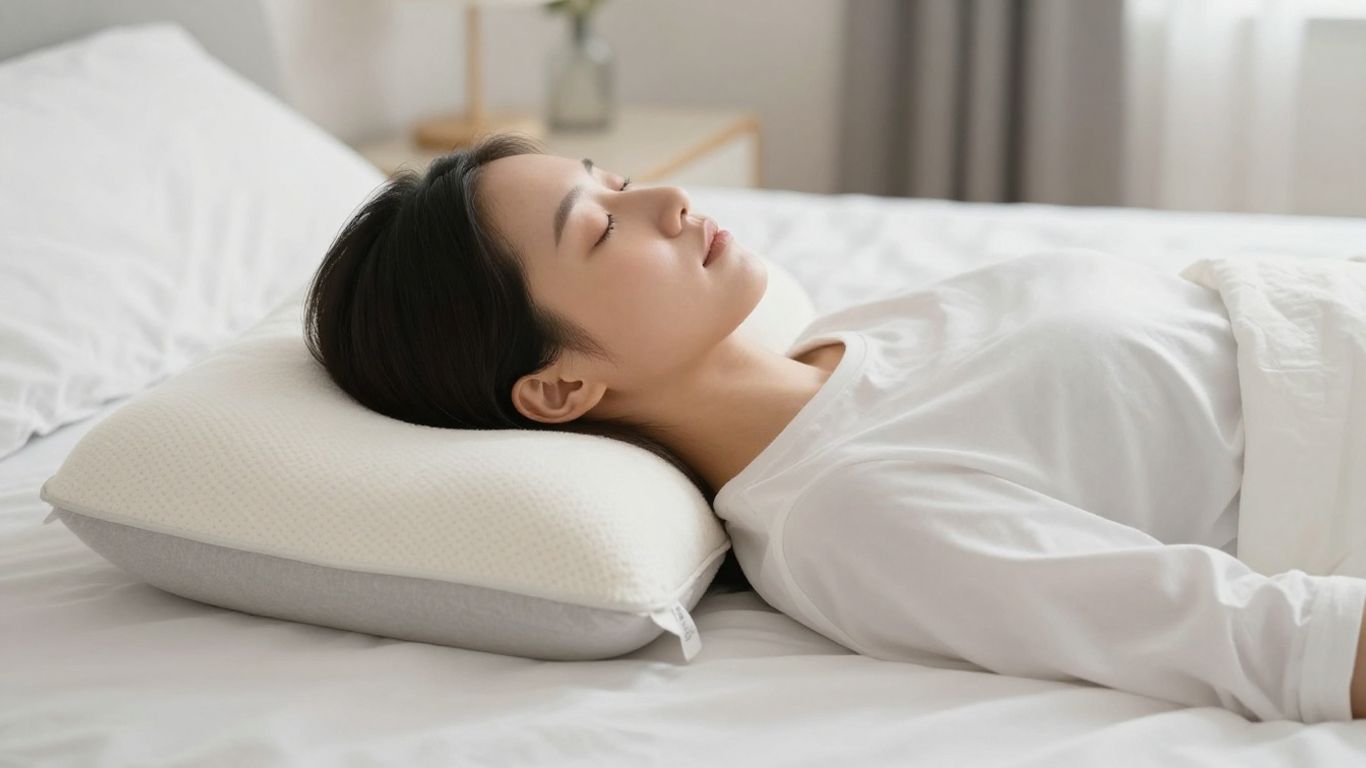
Waking up with a stiff neck is the worst, right? It feels like you’ve been wrestling a bear all night. A lot of times, the culprit isn’t some mysterious ailment, but simply the pillow you’re using. If yours is too flat, too lumpy, or just the wrong shape, it can really mess with your neck alignment. But don’t worry, there are special pillows out there designed to help. This guide is all about finding the right cervical neck pillow to finally get you some relief and wake up feeling refreshed.
Key Takeaways
- A good cervical neck pillow supports your neck’s natural curve, keeping your spine aligned while you sleep. This helps reduce muscle strain and pressure points.
- Look for features like an anatomical shape, quality memory foam, and breathable materials. The pillow’s cover should also be easy to clean and comfortable against your skin.
- The best cervical neck pillow for you depends on how you sleep. Side sleepers might need a thicker pillow, while back sleepers often do better with one that cradles their neck.
- Pay attention to the pillow’s loft (thickness) and firmness. These need to match your body type and sleep position to provide proper support.
- If you wake up with neck pain that fades during the day, or if your head tilts unnaturally, your current pillow might be the problem and it’s time to consider an upgrade to a cervical neck pillow.
Understanding Cervical Neck Pillow Benefits
So, you’re thinking about getting a cervical neck pillow, huh? Maybe your neck’s been feeling a bit stiff lately, or you wake up with that annoying ache. These pillows aren’t just fancy cushions; they’re designed with some pretty smart ideas to help your neck feel better. They really aim to support the natural curve of your neck, which is super important for keeping your spine happy.
Orthopaedic Principles for Spinal Alignment
Basically, your neck has a natural curve, kind of like a gentle C-shape. When you sleep, especially on a pillow that’s too flat or too high, this curve can get messed up. That’s where a cervical pillow comes in. It’s shaped to cradle your neck and head just right, helping to keep that natural curve in place all night long. This neutral alignment is key to preventing strain and allowing your spine to rest properly. Think of it like setting up a perfectly straight line from your tailbone all the way up to your head. When everything’s lined up, your muscles can actually relax instead of working overtime to hold your head up or contort into an awkward position. This can make a big difference in how you feel when you first wake up.
Reducing Muscle Tension and Pressure Points
When your neck isn’t aligned properly, certain muscles can get really tight, and you might feel sore spots, or pressure points. A good cervical pillow helps distribute your weight more evenly. It supports the weight of your head without pushing your neck up too high or letting it drop too low. This even distribution means less strain on those neck muscles. You know that feeling after a long day where your shoulders are all bunched up? Sleeping on the wrong pillow can do that to your neck overnight. By providing consistent support, these pillows help those muscles release tension, which can feel like a huge relief.
Alleviating Common Neck Conditions
If you’ve ever dealt with things like neck pain, stiffness, or even headaches that seem to start at the base of your skull, a cervical pillow might offer some help. Conditions like cervical spondylosis, which is basically wear and tear on your neck bones and discs, or just general neck muscle spasms can be aggravated by poor sleeping posture. By promoting that neutral spine alignment and reducing muscle tension, these pillows can help ease discomfort associated with these issues. It’s not a magic cure, of course, but it’s a really practical step towards managing that persistent neck discomfort and getting more restful sleep. Many people find that over time, their symptoms improve significantly just by switching to a supportive pillow like those designed for better sleep posture.
The goal is to let your neck and spine rest in a natural, unforced position. This allows the tissues to recover and reduces the stress that can build up during the day.
Key Features of Effective Cervical Neck Pillows
So, you’re looking for a pillow that actually helps your neck instead of making it worse? That’s a smart move. Not all pillows are created equal, especially when it comes to neck pain. You need something that’s designed with your spine in mind. Let’s break down what to look for.
Anatomical Design for Neutral Alignment
This is probably the most important part. A good cervical pillow is shaped to cradle your neck and head, keeping your spine in a straight line while you sleep. Think of it like this: your neck has a natural curve, and the pillow should support that curve, not fight against it. You’ll often see pillows with a dip in the middle for your head and a raised edge to support your neck. This design helps prevent your head from tilting too far up, down, or sideways, which is a major cause of morning stiffness and pain. The goal is to keep your cervical spine in a neutral position all night long.
Memory Foam Density and Quality
Many of these specialized pillows use memory foam. But not all memory foam is the same. You want a foam that’s dense enough to offer solid support but also soft enough to be comfortable. A pillow that’s too soft will let your head sink too low, defeating the purpose. On the flip side, a pillow that’s too firm might feel like sleeping on a rock. High-density memory foam is usually a good bet because it molds to your shape without losing its supportive structure. It’s that sweet spot between sinking in and being held up.
Breathable and Skin-Friendly Materials
Nobody likes waking up in a sweat. If your pillow traps heat, it’s going to disrupt your sleep, and that’s no good for pain relief. Look for pillows with covers made from breathable materials. Some use special weaves or fabrics designed to let air flow through. This helps keep you cool and comfortable, even on warmer nights. The material should also feel nice against your skin, not scratchy or irritating. You’ll be spending a lot of time with your face on it, after all.
Cover Considerations for Hygiene and Comfort
Speaking of covers, they’re more important than you might think. A good cover should be easy to remove and wash. Why? Because pillows can get… well, a bit grimy over time. Being able to toss the cover in the washing machine keeps things hygienic and fresh. Some covers are made with materials that feel extra soft, like a velvet finish, which adds to the overall comfort. Aim for covers that are around 160 gsm (grams per square meter) for a good balance of durability and softness.
When you’re looking at cervical pillows, pay close attention to the shape and how it’s supposed to support your neck. It’s not just about softness; it’s about alignment. A pillow that forces your neck into an unnatural position will only make things worse, no matter how comfortable it feels at first.
Here’s a quick rundown of what to prioritize:
- Shape: Look for contours that match your neck’s natural curve.
- Material: High-density memory foam or latex often provides the best support.
- Cover: Removable, washable, and breathable is the way to go.
- Loft: The height needs to be right for your sleep position to keep your spine straight. You can find some great options for neck pain relief.
Choosing the right pillow might take a little effort, but it’s totally worth it for a pain-free morning. Remember, what works for one person might not work for another, so consider your own needs and sleep habits.
Choosing the Right Cervical Neck Pillow for Your Sleep Style
Okay, so you’ve decided a cervical pillow might be the ticket to better sleep and less neck pain. That’s great! But here’s the thing: not all these pillows are created equal, and what works for one person might be a total flop for another. A big part of finding the right one is figuring out how you actually sleep. Are you a side sleeper? A back sleeper? Do you toss and turn all night? Your sleep position is a pretty big deal when it comes to picking a pillow that actually helps instead of making things worse.
Support for Side Sleepers
If you’re a side sleeper, you know that feeling when your neck just isn’t quite aligned. It’s like your head is either too high or too low, and that space between your shoulder and your head needs filling. Side sleepers generally need a pillow with a bit more loft, meaning it’s thicker. This extra height helps keep your head and neck in a straight line with your spine. Some pillows are even designed with a special curve or cutout to better accommodate your shoulder, giving your neck the support it needs without feeling squished. Finding a pillow that fills that gap between your shoulder and head is key for side sleepers. Look for options that offer adjustable firmness or loft, so you can really dial it in.
Alignment for Back Sleepers
Back sleepers, you’re often told you’re doing your spine a favor, and that’s true, but only if your pillow is helping, not hurting. For those who sleep on their back, the goal is to support the natural curve of your neck without pushing your head too far forward. You want a pillow that cradles your neck and keeps your head in a neutral position. Too much height, and your chin will be jammed into your chest. Too little, and your head might fall back awkwardly. Many cervical pillows have a contoured shape that’s perfect for this, with a dip in the middle for your head and a raised edge to support your neck. Getting this right means your spine stays aligned from top to bottom.
Considerations for Combination Sleepers
Now, if you’re someone who flips and flops all night – side to back, back to side, maybe even a quick stomach nap – you’ve got a trickier situation. A pillow that’s perfect for one position might be a pain in the neck (literally!) for another. For combination sleepers, versatility is your best friend. You might want to look at pillows that are a bit more adaptable, perhaps with a medium firmness that doesn’t feel too high or too low in most positions. Some pillows have a more uniform shape rather than a deep contour, which can work better when you’re changing positions frequently. It’s all about finding that sweet spot that offers decent support no matter how you land.
Picking the right pillow isn’t just about what it’s made of; it’s about how it interacts with your body’s natural sleeping posture. What feels supportive on your side might feel completely off when you roll onto your back. It takes a bit of trial and error, but understanding your own sleep habits is the first step to finding that perfect pillow.
When you’re trying to figure out what works best, think about how you feel when you wake up. Are you stiff? Do you have aches? That’s your body telling you something about your pillow. For side sleepers, a pillow that’s too flat can cause shoulder and neck pain. Back sleepers might find a pillow that’s too high leads to a stiff neck. It’s a balancing act, and sometimes, you might even need to try a couple of different types of ergonomic pillows before you land on the one that feels just right for you. Remember, the goal is to keep your spine as straight and neutral as possible, no matter which way you’re sleeping.
Materials and Construction of Cervical Neck Pillows
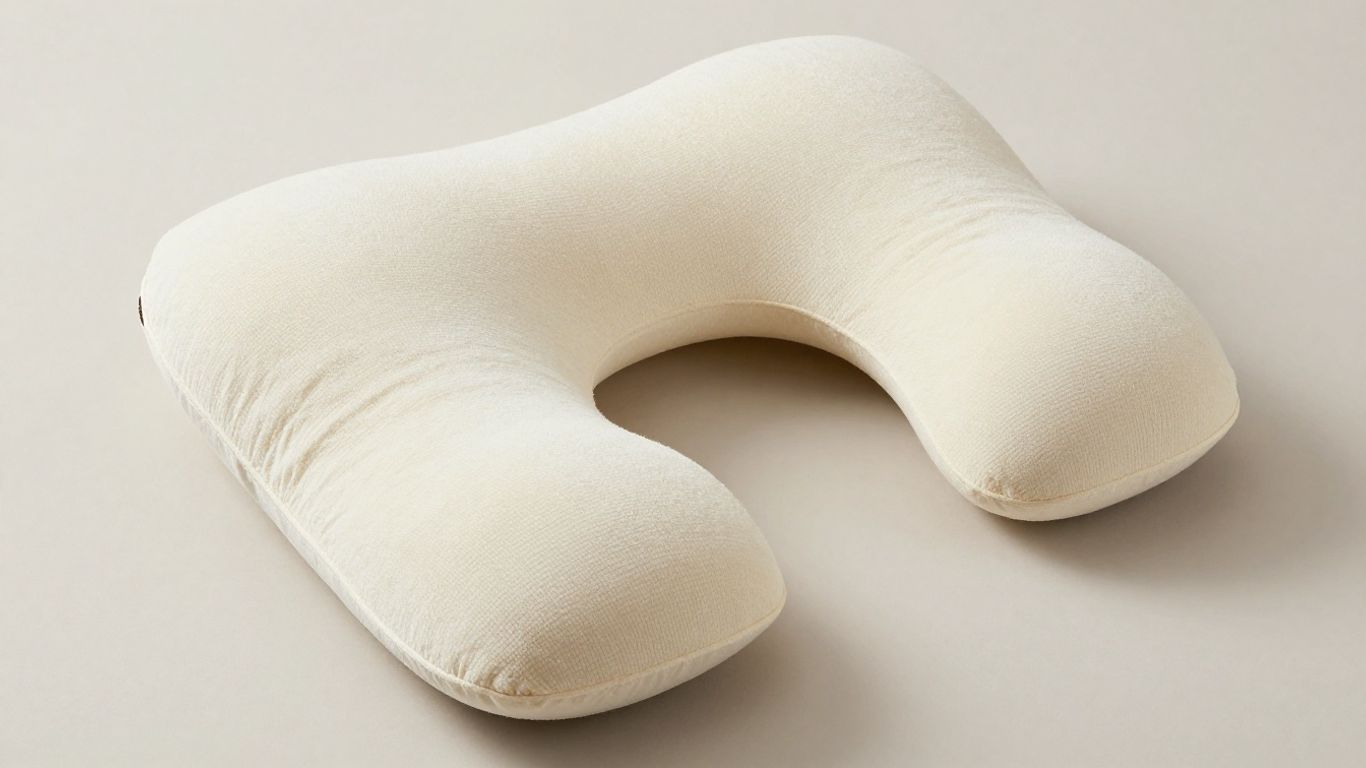
When you’re looking for a pillow to help with neck pain, the stuff it’s made of and how it’s put together really matters. It’s not just about how soft it feels when you first lie down; it’s about what it can do for your neck all night long.
Exploring Memory Foam and Latex Options
Memory foam is a popular choice for a reason. It molds to your shape, giving you that cradled feeling. High-density memory foam is often recommended because it offers a good balance – it’s supportive without being rock hard. It responds to your body heat, so it kind of hugs your neck and head. Latex is another good option. It feels a bit bouncier than memory foam and springs back faster. Both memory foam and latex can come in solid blocks or shredded forms. Solid ones give a consistent feel, while shredded ones let you adjust the firmness a bit more by moving the filling around. If you’re looking for something that holds its shape and provides steady support, these are solid contenders. A good cervical pillow often uses these materials.
Evaluating Down and Polyfill Fillings
Down and polyfill (often called down alternative) are softer, fluffier options. Down pillows, made from the soft undercoating of birds, feel very plush. You can also find pillows with a mix of down and feathers, which are usually less expensive. Polyfill is typically made from polyester fibers and is a good choice if you have allergies or want a more budget-friendly pillow that still feels soft. The main thing with these materials is that they can compress over time. While they feel nice and cloud-like, they might not offer the consistent, firm support needed to keep your neck aligned throughout the night, especially if you’re a side sleeper. You might find yourself needing to fluff them up a lot.
The Role of Pillow Loft and Firmness
Loft, which is just the height of the pillow, and firmness are super important. Side sleepers usually need a taller, firmer pillow to fill the gap between their head and shoulder, keeping the spine straight. Back sleepers generally do better with a medium height and firmness that supports the natural curve of their neck. Stomach sleepers often need a very low loft or even no pillow at all to avoid straining their neck. Finding the right combination of loft and firmness is key to getting that neutral spine alignment. It’s often a trial-and-error process to figure out what feels just right for your body.
The construction of your pillow dictates its ability to maintain spinal alignment. Materials that offer consistent support without excessive sinking are generally preferred for neck pain relief. Consider how the pillow’s height and density interact with your preferred sleeping position to achieve optimal results.
Proper Usage for Maximum Cervical Neck Pillow Relief
So you’ve got your new cervical neck pillow, and you’re ready for some serious pain relief. That’s great! But just having the pillow isn’t the whole story. You’ve got to use it right to actually feel the benefits. It’s not rocket science, but there are a few things to keep in mind.
Achieving Correct Neck Positioning
First off, let’s talk about how the pillow should sit. The idea is to support the natural curve of your neck, not to prop your head up too high or let it drop. You want your nose to be roughly in line with your chest when you’re lying down. This means the thicker, often curved part of the pillow should cradle the back of your neck, while your head rests comfortably in the slightly lower center. The goal is neutral alignment, where your spine looks like a straight line from your head down to your tailbone. If there’s a big gap between your neck and the pillow, it’s probably not positioned correctly.
Adjusting to Your New Cervical Pillow
Now, this is important: don’t expect miracles on night one. Your neck muscles have probably gotten used to a certain way of resting, and switching to a supportive pillow can feel a bit strange at first. It might even feel a little uncomfortable for a few nights. That’s totally normal. Give yourself at least a week or two to get used to it. Think of it like breaking in a new pair of shoes; they need some time to mold to your feet. Many people find that the real relief kicks in after this adjustment period, as their muscles start to relax into the proper position. If you’re struggling to adapt, check out guidance on adapting to orthopedic pillows.
Ensuring Full Contact for Optimal Support
This ties back to positioning, but it’s worth repeating. You want the pillow to make full contact with your neck. There shouldn’t be any significant air pockets or gaps. This full contact is what allows the pillow to do its job, providing consistent support throughout the night. If you’re a side sleeper, make sure the pillow is thick enough to fill the space between your shoulder and your head. For back sleepers, the focus is on supporting that natural neck curve. Getting this right means the pillow can properly support your cervical spine, reducing strain and helping to alleviate that nagging neck pain.
Identifying a Pillow That Causes Neck Pain
Waking up with a stiff neck or a dull ache that seems to fade as the day goes on? It’s a pretty common complaint, and often, your pillow is the main culprit. It’s not always obvious, but a pillow that’s not doing its job can really mess with your spinal alignment overnight. The goal is to keep your head and neck in a neutral position, like they’re floating. If your pillow is forcing your head to tilt too far up, down, or to the side, it’s putting undue stress on your muscles and joints.
Signs of an Unsupportive Pillow
So, how do you know if your current pillow is the problem? Look out for these common red flags:
- Morning Stiffness or Soreness: This is the big one. If you consistently wake up feeling achy, and the pain lessens as you move around, your pillow is a prime suspect. It means your neck wasn’t properly supported while you slept.
- Constant Tossing and Turning: If you find yourself fluffing, folding, or repositioning your pillow multiple times a night, it’s likely not providing consistent support. You’re probably trying to find a position that feels ‘right,’ but the pillow just isn’t cooperating.
- Head or Neck Tilting: When you lie down, does your head feel like it’s being pushed into an awkward angle? If your ear isn’t roughly aligned with your shoulder, your pillow is likely too thick or too thin for your sleeping style.
- Pillow Flattening Out Quickly: If your pillow used to feel supportive but now feels like a pancake, it’s lost its loft and its ability to keep your neck aligned. This is especially true for older pillows that have seen better days.
The Impact of Pillow Thickness and Shape
Pillow thickness, often called loft, is super important. For side sleepers, a thicker pillow is usually needed to fill the gap between your head and shoulder, keeping your spine straight. If it’s too thin, your head will drop, straining your neck. Back sleepers generally need a medium thickness to support the natural curve of their neck without pushing their head too far forward. Stomach sleeping is generally tough on the neck, but if you must, a very thin or no pillow is often recommended to minimize strain.
The shape also plays a role. Standard pillows are fine for some, but contoured or cervical pillows are designed with a specific curve to cradle your neck. If you have persistent neck pain, these specialized shapes might offer better alignment than a basic pillow.
When to Consider an Upgrade
If you’re experiencing any of the signs above, it’s probably time to think about a new pillow. Don’t wait until the pain becomes chronic. A pillow that’s too flat or too firm can lead to muscle strain and joint pressure over time. Replacing an old, worn-out pillow with one that offers adequate support can make a huge difference in how you feel when you wake up and throughout the day. It’s a relatively simple change that can have a big impact on your overall comfort and sleep quality. Think of it as an investment in waking up pain-free.
Sometimes, the simplest solutions are overlooked. We get used to the aches and pains, thinking they’re just a part of life or aging. But when it comes to sleep, your pillow is a key player in how your body recovers overnight. If it’s not supporting you correctly, you’re essentially undoing good posture habits the moment you lie down. It’s worth paying attention to those little signals your body sends, especially the ones that show up first thing in the morning.
Advanced Cervical Neck Pillow Designs
Contoured Shapes for Neck Support
When you’re looking for a pillow that really gets your neck, you’ll notice a lot of them have these sculpted, contoured shapes. It’s not just for looks, though. These designs are made to fit the natural curve of your neck, kind of like a hug for your cervical spine. They aim to keep things aligned, whether you’re a side sleeper or a back sleeper. Think of it as a custom fit that helps your neck relax instead of fighting for a comfortable position all night. These shapes are key to achieving that neutral alignment doctors talk about.
Pillows with Central Divots
Some pillows take a different approach with a central dip or divot. The idea here is to cradle your head, letting it sink in just enough while the raised edges support your neck. This can feel really nice if you like that feeling of being held. It’s often paired with a firmer base to make sure your head doesn’t just fall back into an awkward position. This design can be particularly helpful for people who feel like their head is constantly rolling off a flatter pillow. It’s a subtle difference, but for some, it makes all the difference in waking up without stiffness. You can find pillows with this feature that are designed to gently stretch your neck, offering a bit of relief even before you get out of bed.
Crescent Designs for Shoulder Comfort
If you’re a side sleeper, you’ve probably experienced the struggle of trying to get your shoulder comfortable without messing up your neck alignment. That’s where crescent or U-shaped designs come in. These pillows have a cutout or a specific curve that allows your shoulder to tuck in naturally. This means your neck can stay in a straight line with your spine, which is exactly what you want for pain relief. It’s a clever bit of engineering that addresses a common problem for side sleepers. These shapes often use a springy filling, like latex or a firm polyfill, to give you support without feeling too stiff. It’s all about finding that sweet spot where your shoulder is accommodated and your neck is perfectly supported. For side sleepers, this kind of pillow can be a game-changer for achieving neutral alignment.
The goal of these specialized designs is to work with your body’s natural curves and sleeping habits. Instead of a one-size-fits-all approach, they offer targeted support. Whether it’s cradling your head, accommodating your shoulder, or maintaining that perfect neck curve, these advanced shapes aim to reduce pressure and promote a more restful sleep. It might take a night or two to get used to the unique feel, but the potential for waking up pain-free is often worth the adjustment period.
Evaluating Cervical Neck Pillow Performance

So, you’ve picked out a cervical neck pillow, but how do you know if it’s actually doing its job? It’s not just about how it feels when you first lie down; it’s about how it performs over the whole night and over time. We need to look at a few things to really tell if a pillow is a winner or a dud.
Assessing Support and Comfort Levels
First off, does it feel supportive without being rock hard? A good cervical pillow should cradle your neck, keeping it in that nice, neutral alignment we talked about. It shouldn’t let your head sink too far down, nor should it push your neck up at an awkward angle. The sweet spot is a balance where you feel supported but also comfortable enough to drift off. Think about how your neck feels when you wake up – is it less stiff, or are you still feeling that familiar ache? Some pillows might feel great for the first hour, but then they flatten out or become uncomfortable. We’re looking for consistent support all night long. It’s also about how it feels against your skin; no scratchy materials or weird textures allowed.
Temperature Regulation Features
Nobody likes waking up in a sweat. If your pillow feels like a personal heater, it’s going to mess with your sleep, no matter how well it aligns your neck. We need to check if the materials allow for decent airflow. Some pillows use gel-infused foam or have special breathable covers designed to keep you cool. Others, especially denser memory foam ones, can sometimes trap heat. If you tend to sleep hot, this is a big one to watch out for. A pillow that makes you overheat is going to make it hard to get restful sleep, even if it’s shaped perfectly.
Durability and Long-Term Value
This isn’t a one-night stand; you want this pillow to last. How well does it hold up after a few weeks or months? Does the foam start to sag? Does the cover get lumpy after washing? We’re looking for pillows that maintain their shape and support over time. A pillow that collapses after a short period isn’t a good investment, even if it was cheap. You want something that will keep providing that neck relief for a good long while. Checking reviews for comments on longevity can be super helpful here. It’s worth spending a bit more upfront for a pillow that won’t need replacing in six months.
When evaluating a cervical pillow, consider its ability to maintain neutral spinal alignment throughout the night. This involves assessing how well it supports the natural curve of your neck without causing undue pressure or stiffness. Pay attention to how the pillow recovers its shape after use and whether it retains its loft and firmness over time, as these factors directly impact its long-term effectiveness and your sleep quality.
Expert Insights on Cervical Neck Pillow Selection
Physician Recommendations for Neck Pain
When you’re dealing with neck pain, talking to a doctor or a spine specialist is a good first step. They can tell you what’s going on and give you some ideas about what might help. They often look at a few main things when suggesting pillows. The goal is always to keep your neck in a natural, straight line while you sleep. This means avoiding positions where your neck is bent too far up, down, or to the side. They’ll consider your specific issues, like if you have arthritis in your neck or just general stiffness.
Spine Specialist Guidance
Spine specialists really focus on alignment. They’ll tell you that the height, or loft, of your pillow is super important. If you sleep on your side, you generally need a thicker pillow to fill the gap between your head and shoulder, keeping your spine straight. For back sleepers, a pillow that supports the natural curve of your neck without pushing your head too far forward is key. Stomach sleeping is usually discouraged by these experts because it puts a lot of strain on the neck, but if you can’t break the habit, a very thin pillow or no pillow at all might be best. They also stress the importance of the pillow’s firmness – not too soft that your head sinks, but not so hard that it’s uncomfortable.
Understanding Ergonomic Performance
From an ergonomic standpoint, a good cervical pillow should mimic the natural curve of your neck. Think of it like this: your spine has a gentle inward curve in the neck area. The pillow should support that curve. Many pillows designed for neck pain have a special shape, often with a dip in the middle for your head and a raised edge to support your neck. This design helps prevent your neck muscles from tensing up overnight. Materials also play a role; memory foam and latex are often recommended because they mold to your shape and provide consistent support throughout the night. Breathable covers are a plus, especially if you tend to sleep hot, to avoid waking up sweaty and uncomfortable. It’s about finding something that works with your body, not against it, to promote restful sleep and reduce strain.
- Loft (Height): Crucial for maintaining neutral alignment. Side sleepers typically need more loft than back sleepers.
- Firmness: Medium to firm is often recommended to prevent excessive sinking.
- Shape: Contoured designs can offer targeted support for the neck.
- Material: Memory foam and latex are popular for their supportive qualities.
When choosing a pillow, think about how you sleep most nights. Your primary sleep position will guide you toward the right kind of support. Don’t be afraid to try different options if the first one doesn’t feel quite right; finding the perfect pillow can take a little trial and error.
Maintaining Your Cervical Neck Pillow
So, you’ve found that perfect cervical pillow that’s finally giving your neck some much-needed peace. That’s awesome! But like anything you want to last, it needs a little care. Keeping your pillow clean and in good shape isn’t just about looks; it actually helps it do its job better and last longer.
Cleaning Removable Covers
Most good cervical pillows come with a cover you can take off. This is a big win for hygiene. Always check the care tag first, but usually, you can just unzip it and toss it in the wash. A gentle cycle with cool water and a mild detergent is typically the way to go. Avoid harsh chemicals like bleach, and definitely don’t iron it – that can damage the fabric. When it’s done washing, lay it flat to dry, preferably out of direct sun, which can fade or weaken the material over time.
Preserving Material Integrity
Now, about the pillow itself – the part that actually cradles your neck. Most of these are made from memory foam or latex, and you generally can’t just throw those in the washing machine. Spot cleaning is usually your best bet if something spills. Use a damp cloth and maybe a tiny bit of mild soap, then let it air dry completely. Never soak the foam core, as this can ruin its structure and support. Some pillows might have a different inner lining; again, check the manufacturer’s instructions.
Ensuring Longevity of Your Pillow
Think of it like this: a little regular upkeep means you won’t have to shop for a new pillow as often. Rotating your pillow occasionally can help with even wear, though it’s less of an issue with these structured designs than with regular pillows. If you notice it’s not springing back like it used to, or it’s just not feeling supportive, it might be time for a replacement. But with proper care, your cervical pillow can be a reliable sleep companion for quite a while. Remember, staying hydrated also plays a role in overall spinal health, so keep those water levels up [2fed].
Wrapping It Up
So, finding the right pillow for neck pain isn’t exactly rocket science, but it does take a little thought. We’ve gone over why these special pillows help, what to look for in terms of design and materials, and how to actually use them so you get the most bang for your buck. Remember, everyone’s different, so what works for one person might not be the magic bullet for another. Pay attention to how you sleep, what feels good, and don’t be afraid to try a few options. Getting a good night’s sleep without that nagging neck ache is totally worth the effort, and hopefully, this guide has made that search a bit easier for you.
Frequently Asked Questions
What exactly is a cervical neck pillow and how does it help with neck pain?
A cervical neck pillow is a special kind of pillow made to support your neck and keep your spine straight while you sleep. Unlike regular pillows, it has a shape that fits the natural curve of your neck. This helps your muscles relax, takes pressure off sore spots, and can make neck pain and stiffness much better.
What are the main benefits of using a cervical neck pillow?
The biggest benefit is keeping your neck in a neutral, straight line with the rest of your spine. This stops your neck from bending or twisting in weird ways overnight. It helps ease muscle tension, reduces pressure points, and can help heal your neck. Many people find they wake up feeling less stiff and sore.
What should I look for in a good cervical neck pillow?
You want a pillow with a shape that matches your neck’s curve. Good ones often use memory foam that’s not too hard and not too soft. The cover should feel nice and let air flow so you don’t get too hot. It’s also good if the cover can be taken off and washed easily.
How do I know if my current pillow is causing my neck pain?
If you wake up with a stiff or sore neck that gets better as the day goes on, your pillow might be the problem. It usually means your neck isn’t getting the right support during sleep. If your head or neck feels tilted too much in any direction, it’s a sign you need a different pillow.
Are certain pillow materials better for neck pain relief?
Memory foam is popular because it molds to your shape and provides good support. Latex is another option that offers support and is often more breathable. Some pillows use down or polyfill, but these might not offer as much consistent support for neck pain.
How do I position myself correctly with a cervical neck pillow?
You need to place the pillow so it fully supports your neck, with no gaps between your neck and the pillow. The lower, curved part should support the curve of your neck, and the higher part should support your head. Make sure it feels comfortable and keeps your neck aligned with your body.
Can a cervical pillow help with specific neck problems like stiffness or spasms?
Yes, they can be very helpful! Cervical pillows are designed to support the natural alignment of your spine, which can reduce the strain that causes stiffness and muscle spasms. They are often recommended for people with general neck discomfort, cervical pain, or even muscle tightness.
How long does it usually take to get used to a new cervical neck pillow?
It can take a little time to adjust. Some people feel better right away, while others might need a few nights or even a week or two to get used to the different feel and support. It’s important to give it a fair chance to see if it helps your neck pain.