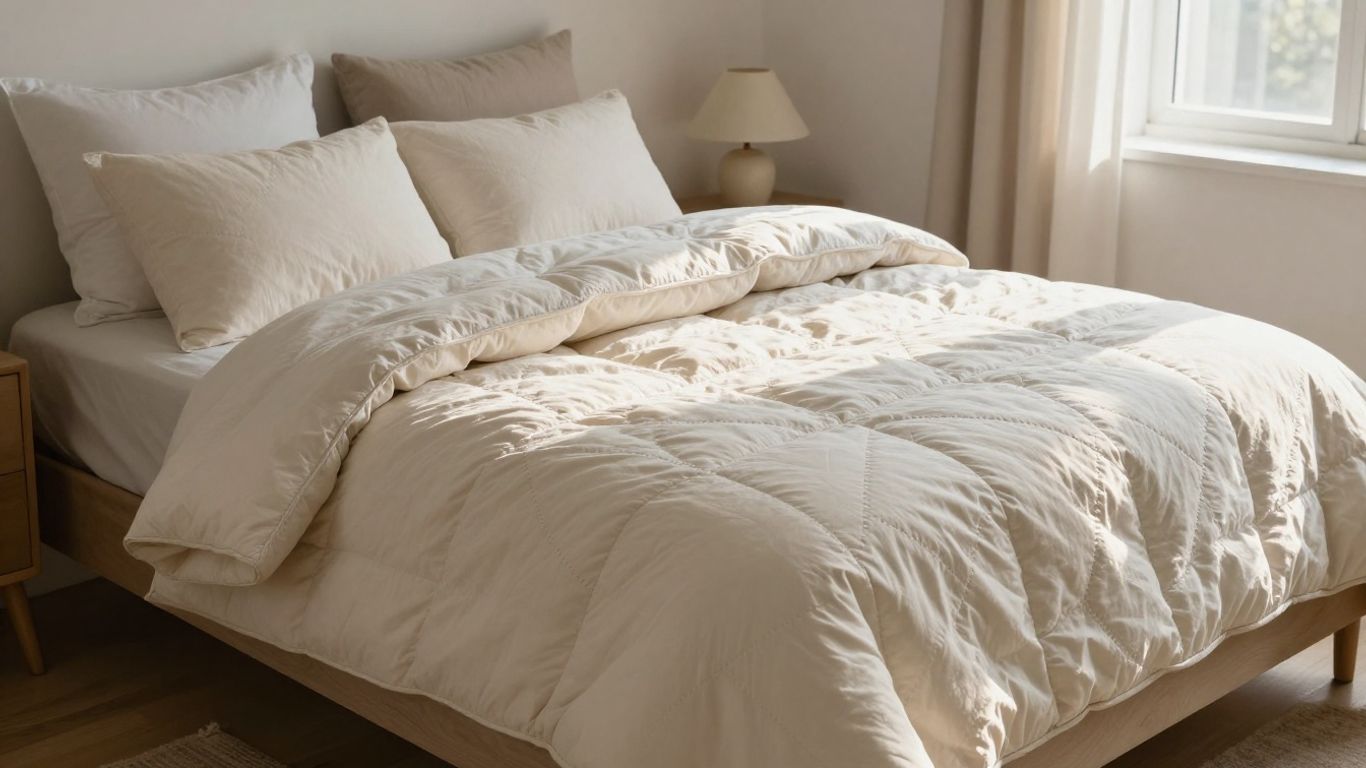
Finding the best quilt for your bed can seem like a big task, right? It’s not just about picking something that looks nice. You want it to feel good, keep you at the right temperature, and actually fit your bed properly. I remember when I bought my first ‘fancy’ quilt, and it was way too small and felt like a stiff board. Definitely not the cozy vibe I was going for. This guide is here to help you avoid those kinds of mistakes. We’ll break down what really matters, from the stuff inside the quilt to how it’s put together, so you can find a quilt you’ll love sleeping under.
Key Takeaways
- The filling, or batting, and the fabric used for the quilt’s top and bottom layers really change how warm and soft it feels. Cotton is usually breathable, while wool can be warmer.
- Think about how you sleep. If you get hot, look for lightweight, breathable materials like cotton or linen. If you’re always cold, a quilt with wool or a thicker fill might be better.
- Don’t forget about the details. The stitching, the weight, and how the quilt looks (patterns, colors) all add up to the overall feel and durability. A good quilt should also be easy to care for.
- Getting the size right is super important. Measure your mattress and check the quilt’s dimensions, including how far it hangs down the sides, to make sure it covers your bed nicely.
- There are quilts for every budget, from simple, affordable options for guest rooms to high-end choices made with premium materials. Quality doesn’t always mean the highest price, but it’s worth checking what you’re getting for your money.
Understanding Quilt Construction and Materials
So, you’re looking for a new quilt. That’s great! But before you get lost in all the pretty patterns, it’s a good idea to know what actually goes into making one. It’s not just about the fabric on top, you know. The way a quilt is put together, and what it’s filled with, makes a big difference in how it feels, how warm it is, and how long it lasts. Let’s break it down.
The Role of Batting in Quilt Warmth and Feel
Think of batting as the heart of your quilt. It’s that middle layer sandwiched between the top and the backing fabric. The type and amount of batting you choose really dictate the quilt’s warmth and how it drapes. Some people like a quilt that feels substantial and heavy, while others prefer something lighter. Cotton batting is a classic choice; it’s breathable and not too heavy, making it good for year-round use. Wool batting, on the other hand, is known for being super warm and having a lovely drape, but it can be a bit heavier. Polyester batting is often a budget-friendly option, and it’s usually lightweight and hypoallergenic. Then there are blends, which try to give you the best of both worlds.
- Cotton: Breathable, good for warmer climates or layering, can be a bit heavier when wet.
- Wool: Very warm, excellent drape, can be heavier, sometimes requires special care.
- Polyester: Lightweight, hypoallergenic, durable, can sometimes feel less natural.
- Blends: Aim to combine benefits of different fibers, like warmth with breathability.
The thickness, or ‘loft,’ of the batting also plays a big part. A thicker batt means more warmth and a puffier quilt, which can make stitching details really stand out. A thinner batt will give you a flatter quilt that’s easier to handle and might feel more modern.
Exploring Different Fabric Choices for Your Quilt
When you look at a quilt, the first thing you usually notice is the fabric on top, right? This is where all the design magic happens. Cotton is king in the quilting world. It’s durable, takes dye well (meaning colors are usually vibrant), and it’s relatively easy to work with. You’ll find cotton in all sorts of weaves, from smooth quilting cotton to softer cotton sateen. Some quilts might use linen for a more textured, natural feel, or even silk for a touch of luxury. The backing fabric is also important, especially if you sleep without a top sheet, as it’s what touches your skin. A soft cotton or a smooth microfiber can feel really nice.
- Cotton: The most common choice for both tops and backs. Durable, versatile, and comes in endless prints and solids. Northcott fabrics are a great example of high-quality cottons often used in quilting.
- Linen: Offers a more rustic texture and a natural feel. It can wrinkle more easily than cotton.
- Silk: Used for high-end quilts, offering a smooth, luxurious feel and beautiful sheen. It’s delicate and requires careful handling.
- Blends: Sometimes you’ll see blends like cotton-poly for added durability or specific textures.
Decoding Quilt Stitching and Durability
How a quilt is stitched together is just as important as the materials. The stitching, often called quilting, holds the three layers (top, batting, backing) together. The most common method is machine quilting, where a sewing machine is used to create patterns. Hand quilting is a more traditional and time-consuming method, often resulting in a softer, more flexible quilt. The density of the stitching matters too. Densely stitched quilts tend to be more durable and hold up better to washing and use. You’ll also see different quilting patterns, like straight lines, free-motion designs, or simple stitches around the edges of fabric pieces in a patchwork design. The type of thread used also impacts durability; strong cotton or polyester threads are typical.
- Machine Quilting: Faster, can create intricate patterns, often results in a flatter finish.
- Hand Quilting: More time-consuming, creates a softer feel and more drape, often seen as more traditional.
- Stitch Density: Closer stitches mean more durability. Wider stitches might be used for decorative effect or on quilts where extreme durability isn’t the main goal.
- Thread Type: Strong cotton or polyester threads are standard for holding the layers together securely.
Choosing the Best Quilt for Your Sleeping Style
Picking the right quilt really depends on how you sleep. Are you someone who runs hot all night, or do you tend to get chilly even in the summer? Knowing this makes a big difference in what kind of quilt will actually help you sleep better.
Finding the Ideal Quilt for Hot Sleepers
If you tend to overheat at night, you’ll want a quilt that breathes well. Think lightweight materials like cotton or linen. These fabrics don’t trap heat the way some synthetic materials can. A quilt with a thinner fill, or even just a single layer of fabric, is usually best. You can always add another blanket on top if you get a bit cold, but it’s harder to cool down if your quilt is too warm. Look for quilts that are described as "breathable" or "lightweight." Cotton is a great choice because it wicks away moisture, which helps you feel cooler.
- Material: Prioritize natural fibers like cotton or linen.
- Fill: Opt for minimal or no fill, or a very thin cotton batting.
- Construction: Look for quilts with a simple weave that allows for airflow.
For hot sleepers, the goal is to create a comfortable sleeping environment without adding unnecessary warmth. This means focusing on materials that allow your body heat to escape.
Selecting a Quilt for Cooler Climates
For those who live in colder areas or just tend to feel the cold, a warmer quilt is in order. This doesn’t necessarily mean a super heavy quilt, though. Materials like wool or down can provide excellent insulation without being overly bulky. A quilt with a thicker batting or multiple layers will trap more heat. You might also consider a quilt with a denser weave that prevents drafts. If you like to layer, a warmer quilt can be the base layer, and you can add lighter blankets on top if needed. Wool quilts are known for their natural insulating properties.
- Material: Consider wool, down, or thicker cotton blends.
- Fill: Look for quilts with substantial batting or down fill.
- Weight: A slightly heavier quilt can offer more warmth.
The Best Quilts for Year-Round Comfort
Finding a quilt that works well throughout the year is the sweet spot for many people. This usually means a quilt that’s not too hot and not too cold. Cotton is often a good middle-ground material because it’s breathable but can still offer some warmth. Quilts with a medium-weight fill are also a solid choice. The key here is versatility. You want something that feels comfortable on its own during warmer months but can also be layered with other bedding when the temperature drops. A quilt that drapes well and feels soft against the skin is always a plus. Remember, your sleeping position can also affect your temperature needs, much like how different pillows cater to various sleeping styles.
Key Features to Consider for the Best Quilt
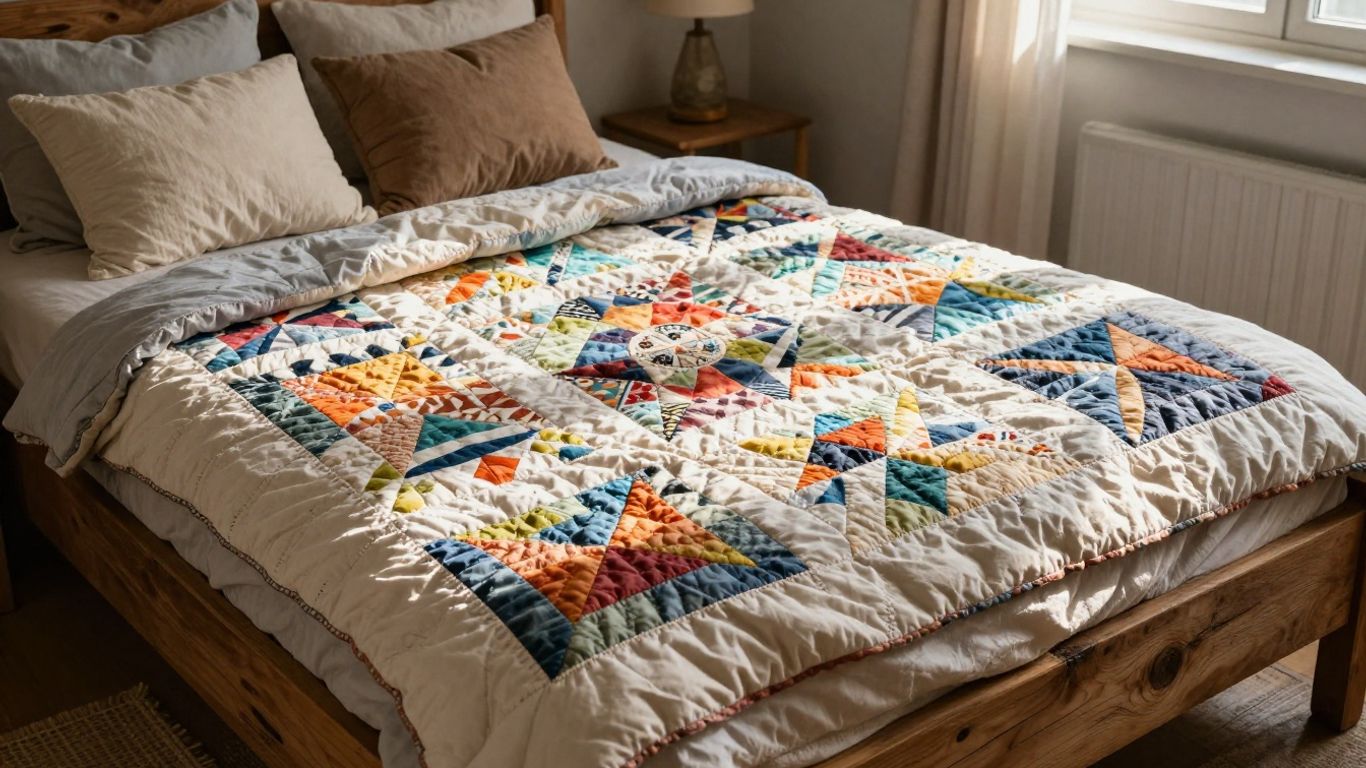
When you’re on the hunt for that perfect quilt, it’s easy to get lost in all the pretty patterns. But honestly, the real magic happens in the details. We’re talking about what makes a quilt feel good, look good, and last. It’s not just about the colors, though those are fun too!
Material Composition and Its Impact on Feel
The fabric your quilt is made from is a big deal. It dictates how it feels against your skin, how it drapes, and even how warm it keeps you. Cotton is a classic for a reason – it’s soft, breathable, and generally feels nice year-round. If you tend to sleep hot, a lighter cotton or even a linen blend might be your best bet. For those who love a bit more coziness, materials like velvet or a thicker cotton can add that extra layer of warmth and a luxurious feel. The backing fabric is especially important if you plan to sleep directly under the quilt without a top sheet.
Design Elements: Patterns, Colors, and Texture
This is where your quilt really starts to show its personality. You’ve got everything from simple, solid colors that blend into any room to intricate patchwork designs that tell a story. Appliqué, where smaller fabric pieces are sewn onto a larger background, adds a nice visual element. Embroidery can also bring a touch of elegance. Think about the overall vibe of your bedroom. Do you want something calming and minimalist, or bold and eye-catching? The texture of the fabric also plays a role here – a smooth sateen feels different from a slubby linen.
Assessing Quilt Weight and Loft
Weight and loft are basically how heavy and how puffy your quilt is. This ties directly into warmth and how the quilt will feel when you’re under it. A lightweight quilt with a low loft is great for warmer months or for those who don’t like feeling weighed down. On the other hand, a heavier quilt with a higher loft, often filled with down or a dense cotton batting, will provide more warmth for colder nights. It’s a balancing act between wanting to feel snug and not wanting to feel like you’re trapped under a heavy blanket. Consider how you sleep – do you kick off covers, or do you like to be tucked in tight?
- Lightweight: Ideal for summer, hot sleepers, or layering. Often made with cotton voile or thin cotton batting.
- Medium Weight: A good all-around choice, suitable for spring and fall, or for those who sleep at a moderate temperature. Many cotton or linen quilts fall into this category.
- Heavyweight: Best for winter, cold climates, or very cold sleepers. These often have thicker fills like wool or dense cotton.
Choosing the right quilt involves looking beyond just the surface. The materials, the way it’s put together, and its physical characteristics all contribute to how it will perform and feel in your everyday life. Paying attention to these details can make a big difference in your long-term satisfaction with your bedding.
Navigating Quilt Sizing and Fit
Picking out the right quilt isn’t just about how pretty it looks; it’s also about making sure it actually fits your bed properly. A quilt that’s too small can look awkward and leave you feeling chilly, while one that’s way too big can be a tripping hazard or just look sloppy. Getting the size right makes a big difference in both function and style.
Matching Quilt Dimensions to Your Mattress
When you’re looking at quilts, the first thing to check is how it measures up against your mattress. Most quilts are sized for standard mattress dimensions, but beds come in different depths too. A quilt that’s perfect for a thin mattress might be too short on a thicker one. You want a quilt that drapes over the sides enough to cover your mattress completely, and ideally, a bit more. A good rule of thumb is to pick a quilt that’s at least 10-20 inches wider than your mattress. This extra width allows for that nice overhang on both sides. For example, a queen mattress is typically 60 inches wide. Adding 10-20 inches means you’d want a quilt around 70-80 inches wide. If you have a deeper mattress, you might need to go even wider or consider a quilt with a longer drop length.
Here’s a quick look at typical mattress sizes and recommended quilt widths:
| Mattress Size | Standard Width | Recommended Quilt Width |
|---|---|---|
| Twin | 39 inches | 50-60 inches |
| Full/Double | 54 inches | 65-75 inches |
| Queen | 60 inches | 70-80 inches |
| King | 76 inches | 85-95 inches |
| California King | 72 inches | 80-90 inches |
Understanding Drop Length for Proper Coverage
Drop length is basically how far down the quilt hangs on the sides and foot of your bed. This is super important, especially if you have a thick mattress or a bed frame that you want to cover up. A quilt with a generous drop length will give your bed a more finished, polished look. It also means you’re less likely to have gaps where your sheets might peek out, or where cold air can sneak in.
Think about your bed’s total height – that’s your mattress depth plus the height of your box spring or bed frame. You want your quilt’s drop length to be at least half of that total height, if not a little more, to get good coverage. If you’re buying a quilt online, check the product description for the exact dimensions, not just the general size name (like ‘Queen’). Sometimes, a ‘Queen’ quilt might have a shorter drop than you expect.
Considering Sham Count in Quilt Sets
Many quilt sets come with matching pillow shams. The number of shams included can tell you a bit about the intended fit and style. Standard quilt sets often come with two shams for Queen and King sizes, designed to fit standard or king-sized pillows. Smaller sizes, like Twin, might only include one sham. If you like a very full, layered look, you might need to buy extra shams separately. Some people even use decorative pillows in front of the shams for added texture and color. It’s worth checking what’s included in the set so you know if you’ll need to purchase additional bedding accessories to achieve the look you want for your hotel collection pillows.
Getting the size right is more than just picking the biggest option available. It’s about finding that sweet spot where the quilt covers your mattress adequately, drapes nicely, and complements the overall look of your bedroom. Don’t be afraid to measure your bed and compare it to the quilt’s dimensions before you buy. It’s a small step that prevents a lot of potential disappointment.
Budget-Friendly Quilt Options
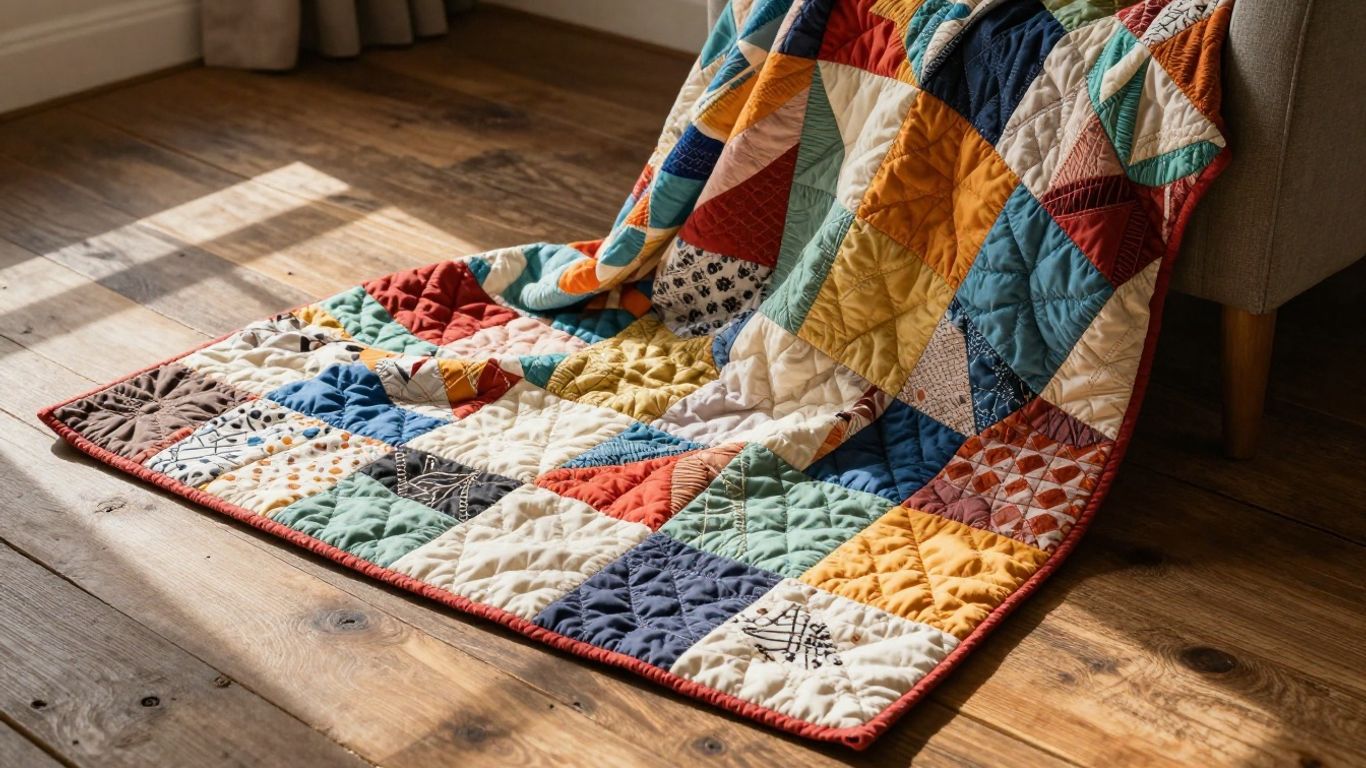
Finding a great quilt doesn’t have to mean emptying your wallet. There are tons of options out there that look good, feel good, and won’t break the bank. Whether you’re outfitting a dorm room, a guest bedroom, or just want a fresh look for your own space without spending a fortune, you’ve got choices.
Affordable Quilts for Student Rooms
Student rooms often need bedding that’s durable, easy to wash, and doesn’t cost much. Microfiber quilts are a solid bet here. They’re usually lightweight, which is great for warmer dorms, and they tend to hold up well to frequent washing. Plus, they come in a huge variety of colors and patterns, so you can really personalize your space. You can find some really decent options on sites like Amazon or Walmart for under $80. Look for sets that include shams if you want a coordinated look.
- Material: Microfiber is king for budget-friendly student bedding. It’s easy to care for and dries quickly.
- Design: Think simple solids, reversible patterns, or even fun graphic prints.
- Care: Machine washable and dryable is a must for busy students.
Value Picks for Guest Bedrooms
For a guest room, you want something that feels welcoming and comfortable, but you also don’t want to invest too much if it’s not used daily. Cotton quilts are a good middle ground. They offer a bit more breathability than microfiber and feel a little more substantial. You can often find nice cotton quilts in the $60 to $150 range from retailers like Kohl’s or Macy’s. These often have classic patterns like plaids or florals that tend to be pretty timeless.
| Room Type | Ideal Fabric | Recommended Price Range | Best Retailers |
|---|---|---|---|
| Guest Room | Cotton | $60–$150 | Macy’s, Kohl’s, Wayfair |
When choosing a quilt for a guest room, think about versatility. A reversible quilt can offer two different looks, extending its appeal and usefulness without needing extra storage space. This is especially handy if you like to switch up your decor seasonally.
Maximizing Your Budget for Quality
Even on a tight budget, you can snag a quilt that feels and looks more expensive than it was. Keep an eye out for sales and clearance events. Many online retailers have sections dedicated to deals, and signing up for email lists can alert you to special promotions. Sometimes, buying a quilt set during a holiday sale can save you a significant amount. Don’t underestimate the power of a good review either; real customer photos and feedback can help you avoid disappointment and find hidden gems. For example, checking out Walmart’s frequent rollbacks can lead to some surprisingly good finds that offer both comfort and style without a hefty price tag.
Luxury and Premium Quilt Selections
When you’re ready to really treat yourself, looking at the high-end quilt market is the way to go. These aren’t your average bedspreads; they’re investments in comfort, quality, and style. We’re talking about quilts made with the finest materials, designed to feel amazing and look stunning for years. If you want that hotel-bed vibe at home, or just appreciate the best of the best, this is where you’ll find it.
Investing in High-End Natural Materials
Forget synthetic fills and scratchy fabrics. The luxury quilt world is all about natural fibers that feel incredible against your skin and breathe well. Think long-staple cotton, soft linen, and even silk blends. These materials not only feel good but also tend to last longer and get softer with age. They’re a smart choice if you value comfort and durability.
- Organic Cotton: Super soft, breathable, and good for sensitive skin. It’s a classic for a reason.
- Linen: Known for its natural coolness and a lovely, slightly textured feel that softens over time. Great for warmer climates or year-round use.
- Silk Blends: Add a touch of opulence and a smooth, cool feel. Often used in higher-end quilts for a luxurious drape.
The best premium quilts often use a combination of these natural materials to achieve a perfect balance of softness, breathability, and weight.
Exploring Designer Quilt Collections
Beyond the materials, the design itself is a big part of what makes a quilt luxurious. Designer collections often feature unique patterns, intricate stitching, and rich color palettes that you won’t find everywhere. These quilts can be true works of art for your bedroom.
- Artisan Details: Look for hand-stitched elements, unique quilting patterns, or embroidered accents that show off craftsmanship.
- Exclusive Prints: Some brands collaborate with artists or release limited-edition prints that make your quilt truly special.
- Sophisticated Color Palettes: High-end designers often use muted tones, rich jewel colors, or complex patterns that add a refined look to your space.
Choosing a designer quilt means you’re not just buying bedding; you’re bringing a piece of art into your home. It’s about the aesthetic as much as the comfort.
The Benefits of Premium Quilt Fill
What’s inside the quilt matters just as much as what’s on the outside. Premium fills provide superior warmth, loft, and breathability. While many standard quilts use polyester batting, luxury options often opt for natural fills that offer a better sleep experience.
| Fill Type | Key Benefits |
|---|---|
| Down | Exceptionally warm, lightweight, and lofty |
| Cotton | Breathable, good for allergies, moderate warmth |
| Wool | Excellent temperature regulation, naturally fire-resistant |
| Bamboo | Very breathable, moisture-wicking, soft |
These premium fills contribute to a quilt that feels both substantial and comfortable, adapting to your body temperature for a more restful night’s sleep. You can often find these high-quality options at places like The Company Store or Anthropologie, known for their focus on quality and design.
Care and Maintenance for Your Quilt
Taking care of your quilt is pretty straightforward, but doing it right means it’ll last way longer and keep looking good. Most modern quilts are pretty forgiving, but it’s always smart to check the tag first. You don’t want to accidentally ruin a good thing, right?
Understanding Washing and Drying Instructions
When it’s time for a wash, the general rule of thumb is to be gentle. Cold water on a gentle cycle with a mild detergent is usually your best bet. This helps protect the stitching and the fabric from getting too stressed out. Avoid hot water, as it can cause shrinking or fading, and definitely skip the harsh chemicals. For drying, the safest option is often to air dry. You can lay it flat or hang it up, just make sure it’s not in direct, harsh sunlight for too long. If you’re in a hurry, tumble drying on a low heat setting is usually okay, but keep an eye on it. Some materials, like velvet or certain natural fibers, might need special attention, so always read those care labels.
Tips for Preserving Quilt Longevity
Beyond just washing, a few simple habits can make a big difference in how long your quilt stays in great shape. Think of it like taking care of a favorite sweater.
- Regular Airing Out: Even if you don’t wash it often, giving your quilt a good shake outside every few months can help keep it fresh and remove dust. This is especially important before storing it away.
- Mindful Use: Try to avoid eating or drinking directly over your quilt, especially if it’s a lighter color. Keep pets’ claws trimmed if they like to snuggle on the bed, and be careful not to drag sharp objects across it.
- Proper Storage: If you’re storing your quilt for a season, use a breathable fabric bag, like cotton or muslin. Avoid plastic bags, as they can trap moisture and lead to mildew. Store it in a cool, dry place, away from direct sunlight.
- Rotate Usage: If you have multiple quilts, rotating them seasonally can help distribute wear and tear evenly, making each one last longer.
A lot of people think quilts are just decorative, but they’re meant to be used and loved! A little bit of regular upkeep goes a long way in keeping your quilt cozy and beautiful for years. Don’t be afraid to use it, just be mindful of how you treat it day-to-day.
Dealing with Specific Fabric Care Needs
Different materials have different needs. For instance, a quilt made with 100% cotton is usually pretty durable and can handle a standard wash. However, if your quilt has delicate embellishments, like embroidery or appliqué, you might want to consider spot cleaning or hand washing those specific areas. Quilts filled with down or down alternatives might also have slightly different instructions, often leaning towards gentler washing methods. Always refer to the manufacturer’s guidelines, as they know their product best. If you’re unsure about a particular stain or fabric, it’s better to err on the side of caution and perhaps consult a professional cleaner who specializes in textiles.
Debunking Common Quilt Myths
Okay, let’s talk about quilts. There are a lot of ideas out there about what makes a good quilt, and honestly, some of them just aren’t true. It’s easy to get tripped up by common assumptions, especially when you’re trying to find the perfect one for your bed. Let’s clear up a few things so you can make a smarter choice.
The Truth About Thread Count in Quilts
First off, that whole thread count thing? It’s mostly a myth when it comes to quilts. You hear about it all the time with sheets, and people just assume it applies to everything fabric-related. But for quilts, it’s not the number of threads that matters most. A quilt’s quality really comes down to how it’s put together. Think about the stitching – is it strong and even? What about the fabric itself? Is it a nice, durable material? And the batting inside, how dense is it? These are the things that make a difference in how a quilt feels, how it holds up over time, and how warm it is. A well-made quilt with a lower thread count can easily be better than one with a super high number that might not be stitched as well. It’s more about the craftsmanship than just a number on a tag.
Why Size Matters Beyond ‘King’
People often think ‘King’ means ‘King,’ right? Well, not exactly. You’ve got standard King and then there’s California King, and they’re not the same size. A California King is longer but narrower than a regular King. If you just assume any ‘King’ will fit your bed, you might end up with a quilt that’s too short on the sides or hangs unevenly. It’s always a good idea to check the actual measurements before you buy. You want that nice, even drape all around your bed, and knowing the exact dimensions will help you get it right. It’s a small detail that makes a big difference in how your bed looks.
Seasonal Suitability of Quilt Materials
Another common idea is that any quilt can be used all year round. That’s just not the case for most people. Different materials are really designed for different temperatures. For example, cotton and microfiber are pretty light and breathable, making them great choices for warmer months. They help you stay cool without feeling like you’re missing a layer. On the other hand, materials like linen or even velvet tend to hold more warmth. These are much better suited for cooler climates or when the temperature really drops. Picking a quilt based on the season and your personal comfort level will make a huge difference in how cozy you feel. It’s not just about looks; it’s about practical comfort throughout the year.
Here’s a quick look at common materials and their best uses:
- Cotton: Breathable, good for warmer weather, easy to wash.
- Microfiber: Lightweight, durable, and generally easy to care for.
- Linen: Natural, breathable, gets softer with age, good for moderate to warm temps.
- Wool: Excellent insulator, can be warm but also breathable depending on the weave, great for cooler weather.
- Velvet: Heavier, luxurious feel, best for cold weather.
Don’t get caught up in marketing jargon. Focus on the actual feel and function of the quilt. Does it feel good against your skin? Does it seem like it will provide the right amount of warmth for your bedroom? These practical considerations are far more important than any trendy buzzwords.
When you’re looking for a new quilt, remember that not everything you hear is true. By understanding what really matters – like construction quality, actual dimensions, and material suitability for the season – you can avoid common pitfalls and find a quilt that you’ll love for years to come. It’s about making an informed choice, not just following the crowd. If you’re curious about other bedding comparisons, understanding quilts vs. comforters can also be helpful.
Where to Find the Best Quilt Selections
So, you’ve figured out what kind of quilt you need – great! Now, where do you actually go to buy one? It can feel like a lot of options out there, but let’s break down some of the best places to look.
Retailers Offering Fast Shipping and Variety
If you’re like me and sometimes need a new quilt like, yesterday, then focusing on retailers with speedy shipping is key. Amazon is a big one for this. Seriously, their selection is massive, and if you’re a Prime member, you can often get quilts delivered in a day or two. They have everything from super cheap microfiber options to nicer cotton ones. Plus, the customer reviews and photos are usually pretty honest, which helps a ton when you can’t feel the fabric yourself.
When you buy through our links, we may earn a commission. Products or services may be offered by an affiliated entity. Learn more.
Wayfair is another spot that has a huge variety. It’s almost overwhelming, but in a good way if you like options. You can filter by so many things – warmth, material, style – making it easier to narrow down what you’re looking for. They often have sales, too, so keep an eye out for those. It’s a good place to compare different brands side-by-side without leaving your couch.
- Amazon: Great for speed, huge selection, and customer reviews.
- Wayfair: Massive variety, good filtering options, and frequent sales.
- Overstock: Similar to Wayfair, often has good deals on home goods.
Brands Focused on Sustainability
For those of us who care a bit more about where things come from and how they’re made, there are some fantastic brands focusing on eco-friendly materials and ethical production. Garnet Hill is a good example. They tend to use organic cotton and linen, and their stuff feels really soft and well-made. It might cost a bit more upfront, but the quality usually means it lasts longer, which is good for the planet and your wallet in the long run.
Quince is another brand that’s been getting a lot of buzz for offering good quality, natural materials at prices that aren’t totally out of reach. They focus on things like organic cotton and linen, and their quilts often have a really clean, simple look that fits into most decor styles. It’s nice to find bedding that feels good and aligns with more conscious consumer choices.
- Garnet Hill: Known for organic cotton, linen, and sustainable practices.
- Quince: Offers natural materials like organic cotton at competitive prices.
- West Elm: Often features organic cotton and recycled materials in their bedding lines.
Exploring Department Store Offerings
Don’t forget about your good old department stores! Places like Macy’s and Kohl’s have a surprisingly good selection of quilts. Kohl’s, in particular, is great if you like to earn rewards points (Kohl’s Cash) while you shop, and they often have coupons you can stack. Their quilts are usually pretty durable and come in family-friendly patterns. Macy’s tends to have a wider range of brands, including some higher-end options, and they also have regular sales events. It’s worth checking them out, especially if you have a store nearby and want to see things in person before buying. You might even find a great deal on a high-quality cotton quilt that feels amazing.
Comparing Quilts to Other Bedding
So, you’re in the market for a new bed covering and you’ve landed on quilts. That’s great! But sometimes, it helps to know how they stack up against other popular choices like comforters and coverlets. It’s not always a clear-cut decision, and honestly, I used to get them all mixed up too. Let’s break it down so you can pick what’s really best for your sleep setup.
Quilts vs. Comforters: What’s the Difference?
Think of a quilt as a lighter, more structured option. It’s typically made of three layers: a decorative top, a layer of batting (that’s the fluffy stuff in the middle that gives it warmth), and a backing fabric. These layers are stitched together, often in patterns, which gives quilts their signature look and feel. Because of this construction, quilts tend to be more breathable and less bulky than comforters. They’re fantastic for warmer climates or if you tend to sleep hot. Plus, the stitching means they hold their shape really well and can look quite neat on the bed. If you like a bit of weight but not too much heat, a quilt is a solid choice.
Comforters, on the other hand, are usually a single piece of fabric sewn around a generous filling of down, down alternative, or other fluffy materials. They’re designed for warmth and coziness, often feeling softer and puffier than quilts. While some comforters have decorative stitching, many don’t, and they can sometimes shift around inside their shell. Comforters generally offer more warmth than quilts of similar material. If you live somewhere cold or you love that sink-into-your-bed feeling, a comforter might be your go-to. They’re also super easy to use – just toss them on the bed!
Quilts vs. Coverlets: Understanding the Nuances
Now, let’s talk about coverlets. If a quilt is lighter than a comforter, a coverlet is often even lighter than a quilt. Coverlets are typically thinner, with less batting or sometimes no batting at all. Their main job is often more about adding a decorative layer and a bit of light warmth, rather than being the primary source of heat. They usually have a more streamlined look and might not have the distinct stitched patterns you see on many quilts. Because they’re so thin, they’re great for layering or for use in very warm weather. You might find they have a cleaner, more tailored appearance on the bed. If you’re looking for something purely decorative or just a light top layer, a coverlet fits the bill. They’re also a good option if you prefer to sleep with just a top sheet and a light covering.
Here’s a quick rundown:
- Quilt: Three stitched layers (top, batting, backing). Good balance of warmth, breathability, and decorative appeal. Great for year-round use or layering.
- Comforter: Single fabric shell filled with plush material. Designed for maximum warmth and coziness. Can be bulkier.
- Coverlet: Thinner, often unquilted or lightly quilted. Primarily decorative with minimal warmth. Ideal for layering or warm climates.
The Role of Quilts in Layered Bedding
Quilts really shine when it comes to layering. Because they aren’t usually as bulky as comforters, they fit nicely under other blankets or duvets without making the bed feel like a giant marshmallow. You can use a quilt as your main blanket in spring and fall, and then add a heavier blanket or a duvet on top when winter hits. This flexibility is a big win. It means you can adapt your bedding to the changing seasons without needing a whole new set each time. Plus, the decorative top of a quilt can add a nice visual element when it peeks out from under other layers. It’s a practical way to add both warmth and style to your sleep space. For more on how different bedding types work together, check out this guide on bedding distinctions.
When choosing between a quilt, comforter, or coverlet, think about your personal sleep temperature, the climate where you live, and the overall look you want for your bedroom. Each type has its own strengths, and the ‘best’ one really depends on what you prioritize for comfort and style.
Wrapping It Up
So, finding the perfect quilt isn’t some huge mystery. It really just comes down to what feels good to you and what fits your bed right. We’ve talked about different fabrics, how thick they are, and what they cost. Remember to check the size, feel the material if you can, and think about how you’ll wash it. Don’t forget to look at return policies, too, just in case. With all this info, you should be able to pick out a quilt that makes your bedroom feel cozier and look just right. Happy quilting!
Frequently Asked Questions
What’s the main difference between a quilt and a comforter?
Think of quilts as being flatter and lighter than comforters. Quilts usually have less filling, so they don’t trap as much heat. Comforters are thicker and warmer, making them great for chilly nights. Quilts also come in tons of cool patterns and colors, so they’re often used to make a bed look pretty, while comforters are more about warmth.
Are quilts good for hot sleepers?
Yes, many quilts are fantastic for people who tend to overheat at night! Because they’re lighter and made from breathable materials like cotton or linen, they let air flow through. This helps you stay cool without feeling like you’re buried under heavy blankets.
How do I pick the right size quilt for my bed?
It’s super important to get the size right! Don’t just guess based on your mattress size. Always check the actual measurements of the quilt. You want it to cover your mattress nicely, and sometimes even hang down the sides a bit, so make sure to look at the quilt’s length and width.
Does thread count matter for quilts like it does for sheets?
Nope, thread count is mostly for sheets! For quilts, what really matters is how strong the stitching is, what kind of fabric it’s made from, and how dense the filling is. A good quality quilt will feel soft and last a long time, no matter how many threads are in the fabric.
Can I use the same quilt all year round?
It really depends on the quilt’s material and your climate. Lightweight quilts made of cotton or linen are great for warmer weather. If you need warmth in the winter, you might want a quilt made of wool or a thicker blend. Some quilts are designed to be used year-round by layering them.
What’s the difference between a quilt and a coverlet?
A coverlet is like a quilt’s thinner, smaller cousin. It’s usually just one layer of fabric with no filling inside, and it doesn’t hang down as far as a quilt. Coverlets are often used more for decoration, while quilts provide both warmth and style.
How should I wash my quilt?
Always check the care label first! Many quilts can be machine washed on a gentle cycle with cold water. It’s usually best to tumble dry them on low heat or hang them to dry. Some delicate materials, like velvet, might need special care or even dry cleaning.
What makes some quilts more expensive than others?
The price of a quilt can go up for a few reasons. Quilts that are stitched by hand usually cost more than those made by machines. Also, using natural or fancy materials like organic cotton, linen, or down filling can make a quilt pricier. The brand and any special designs can also affect the cost.