
Picking out the right duvet cover can feel like a puzzle sometimes, right? You want it to look good, feel comfy, and actually fit your duvet without any weird bunching or slipping. Especially when you’re looking at a king duvet cover size, there are a few things to think about to make sure you get it just right. Let’s break down how to choose the perfect king duvet cover size so you can finally get that cozy, put-together bedroom look you’re going for.
Key Takeaways
- Make sure your king duvet cover size matches your duvet insert size exactly. A cover that’s too big or too small can lead to lumps, cold spots, or a messy look.
- Measure your mattress first. Knowing your bed’s width and length, plus its height, helps you figure out the best king duvet cover size for a good drape.
- Standard US King and UK King duvet cover sizes are different. Always check the measurements (in inches or cm) rather than just the name ‘King’ to avoid confusion.
- Consider variations like California King. These are longer and narrower than a standard King, so they need a specific king duvet cover size.
- A properly sized king duvet cover adds to your bedroom’s style, creating a neat, hotel-like appearance and preventing chilly drafts from sneaking in.
Understanding King Duvet Cover Size Essentials
The Importance of Correct Duvet Cover Dimensions
Picking the right size for your king duvet cover isn’t just about making it fit; it’s about getting that perfect balance of comfort and how your whole bedroom looks. A duvet cover that’s too small can feel like a constant battle, leaving you cold and the duvet bunched up. On the flip side, a cover that’s way too big can look sloppy and make your bed feel less inviting. Getting the dimensions right is the first step to a cozy and stylish sleep space. It means your duvet insert will sit nicely inside, without too much extra fabric bunching up or not enough to go around.
Ensuring a Snug Fit for Optimal Comfort
Think about how you sleep. Do you toss and turn? Do you share the bed? A properly sized king duvet cover means you get enough coverage. For a standard king bed, which is typically 76 inches wide by 80 inches long, a duvet cover around 104 inches by 90 inches is usually a good bet. This gives you plenty of material to work with, so you’re not fighting for blankets in the middle of the night. It helps keep the duvet insert from shifting around too much, which means fewer cold spots and a smoother, more comfortable sleep experience all around. It’s all about that feeling of being properly tucked in.
The Role of Duvet Cover Size in Bedroom Aesthetics
Beyond just comfort, the size of your duvet cover plays a big part in how your bedroom looks and feels. A duvet cover that drapes nicely over the sides of the bed creates a more finished and luxurious appearance, kind of like what you see in fancy hotels. It softens the edges of the bed and makes the whole room feel more put-together. If the cover is too short, it can look unfinished, like you just threw it on. A well-chosen size contributes to that inviting atmosphere you want in your personal sanctuary. It’s amazing how much difference the right size can make to the overall vibe of your room.
Choosing the right duvet cover size is more than just a practical step; it’s about creating a personal retreat. It influences how well you sleep and how much you enjoy being in your bedroom. Paying attention to these details can really transform your space into a place you look forward to relaxing in.
Here’s a quick look at typical king-size measurements:
- Standard King Bed: Approximately 76" wide x 80" long.
- Typical King Duvet Cover: Around 104" wide x 90" long.
- California King Bed: Approximately 72" wide x 84" long.
Remember, these are general guidelines. Always double-check the specific dimensions of your duvet insert before buying a cover to make sure you get the best fit.
Measuring Your Bed for the Perfect Fit
So, you’ve decided to get a new king duvet cover. Awesome! But before you go clicking ‘buy now’ on that super stylish one you saw, let’s talk about actually measuring your bed. It sounds simple, right? Just grab a tape measure and go. But honestly, it’s way more important than most people think. Getting this step right means the difference between a cozy, hotel-like sleep and a nightly battle for warmth.
How to Measure Your Mattress Dimensions
This is the first real step. You need to know the exact size of your mattress. Don’t just guess or rely on what the tag says, especially if your mattress is older or a bit of a mystery. Grab a flexible tape measure – the kind you might use for sewing or DIY projects works best.
- Measure the Width: Lay the tape measure flat across the widest part of your mattress, from one side edge straight to the other. Write this number down.
- Measure the Length: Do the same thing, but from the top edge of the mattress to the bottom edge. Jot this down too.
These two numbers are your mattress’s basic dimensions. They’re the foundation for picking the right duvet cover. For instance, if you’re looking at a full size bedding measurements guide, you’ll see how these basic numbers are used to figure out the cover size.
Accounting for Bed Height and Mattress Toppers
Okay, this is where things get a little more detailed, and it’s super important. Most people forget about the mattress depth, or how thick their mattress actually is. Modern mattresses can be quite deep, and if you’ve added a plush mattress topper for extra comfort, that adds even more height. This extra thickness eats into the overhang of your duvet cover.
Here’s how to factor it in:
- Measure the Depth: Stand your tape measure up and measure from the very bottom edge of your mattress (or topper) all the way up to the highest point on the very top surface. Be precise!
- Calculate Total Width Needed: Take your mattress width measurement and add your mattress depth measurement to it twice (once for each side of the bed). This gives you the minimum width your duvet cover needs to be to just reach the edges of your mattress.
- Add for Drape: For that luxurious, hotel-style look and to avoid chilly drafts, you’ll want your duvet cover to hang over the sides. Add an extra 15cm to 30cm (about 6 to 12 inches) to the total width you just calculated. This extra bit makes all the difference.
Remember, a duvet cover that barely covers the sides of your mattress will look unfinished and can lead to cold spots when you move around at night. It’s better to have a little extra length than not enough.
Why Accurate Measurements Matter for Duvet Covers
Seriously, don’t skip this part. When your duvet cover is the right size, it just works. It stays put, it keeps you warm all night, and it makes your bed look like a million bucks. If it’s too big, the duvet will bunch up inside, creating lumps and making it look messy. If it’s too small, you’ll constantly be fighting to pull it over yourself, and it won’t cover the mattress properly, leaving gaps.
Getting the measurements right means you can confidently shop for sizes like a standard US King, which is typically around 90 inches wide by 102 inches long, and know it’s going to fit your specific bed. It’s the simplest way to avoid common bedding headaches and create a sleep space you truly love. Plus, it helps when you’re comparing different sizes, like figuring out if you need a California King duvet cover or a standard King. It all starts with knowing your own bed.
Standard King Duvet Cover Dimensions Explained
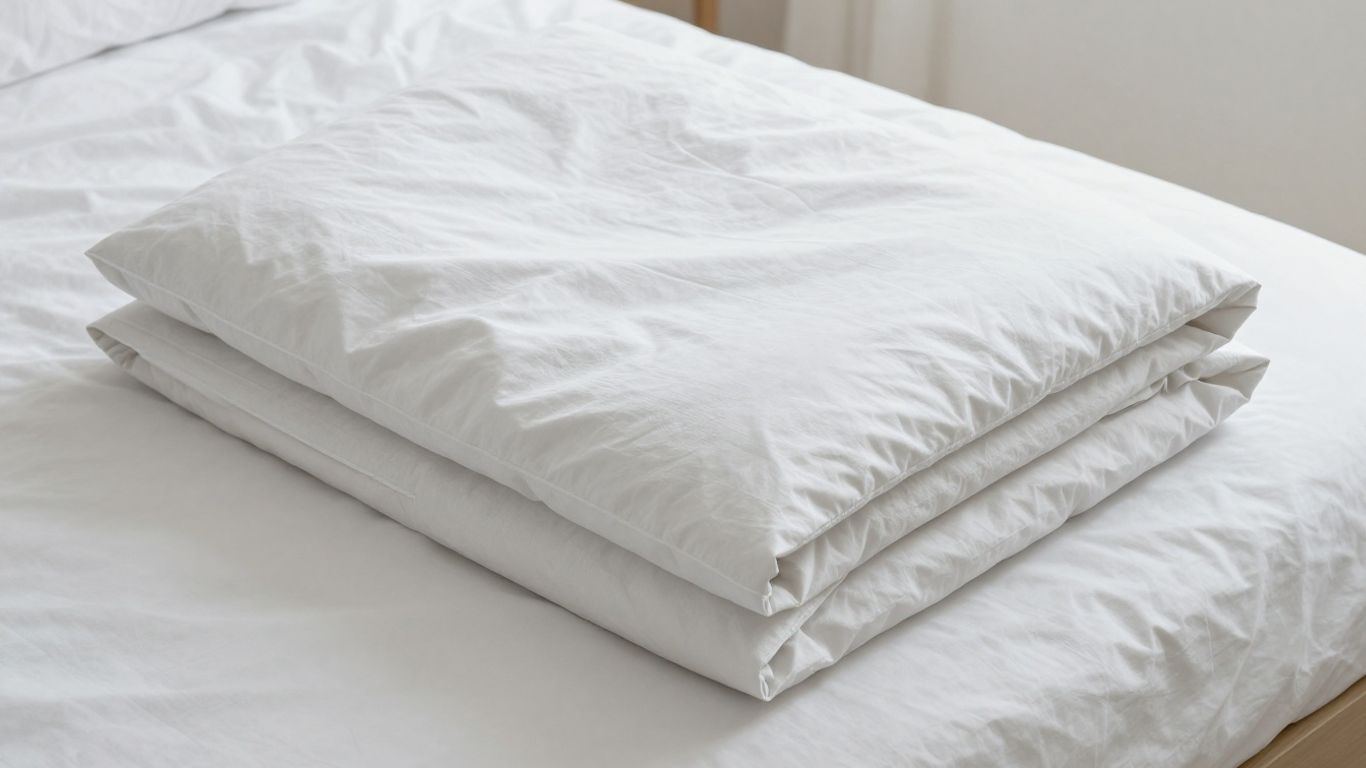
So, you’ve got a king-size bed, but what does that actually mean for your duvet cover? It’s not as simple as just grabbing any big cover. We need to talk numbers, because getting this right makes a huge difference in how your bed looks and feels.
Typical US King Size Duvet Cover Measurements
In the US, a standard king bed is pretty wide, usually around 76 inches across and 80 inches long. To fit this, a typical king duvet cover will measure about 104 inches wide and 90 inches long. This extra width is key, especially if you share the bed. It means you’re less likely to have that annoying nightly tug-of-war for the blankets. Plus, it gives you that nice, full drape over the sides.
Understanding UK King Size Duvet Cover Dimensions
Now, if you’re across the pond, things are a bit different. A UK king-size duvet cover is usually 225cm by 220cm. That translates to roughly 89 inches by 87 inches. While it sounds similar, the proportions are a little different. The UK king is a bit squarer compared to the wider US king. It’s important to know which standard you’re working with when shopping.
Comparing King Size to Other Bedding Dimensions
Let’s put it in perspective. A standard US king cover (around 104" x 90") is significantly wider than a queen cover (typically 90" x 90"). This extra width is what makes the king size feel so luxurious and spacious. Compared to a UK king (around 89" x 87"), the US version offers more width, which is great for preventing cold spots when two people are sleeping. It’s all about finding the right balance for your comfort and your bed’s size.
Here’s a quick look at how US sizes generally stack up:
| Bed Size | Mattress Dimensions (Approx.) | Duvet Cover Dimensions (Approx.) |
|---|---|---|
| Queen | 60" x 80" | 90" x 90" |
| Standard King | 76" x 80" | 104" x 90" |
| California King | 72" x 84" | 104" x 98" |
Remember, these are typical measurements. Always double-check the specific dimensions listed by the manufacturer, as there can be slight variations. Getting the size right means your duvet won’t bunch up or leave gaps, keeping you warm all night long.
Choosing the right size is more than just picking a label; it’s about making sure your duvet cover fits your duvet insert perfectly. An ill-fitting cover can lead to a lumpy duvet and a less-than-cozy sleep experience. For a wide selection of duvet covers, check out US king size options.
Navigating Different King Size Variations
So, you’ve got a king-sized bed, but is it the king-sized bed? It turns out, not all king beds are created equal, and this is where things can get a little confusing. We’re talking about the difference between a standard King and a California King, and why it matters for your duvet cover.
California King Duvet Cover Specifics
California King beds are longer and narrower than their standard King counterparts. This means a standard King duvet cover might be too wide and not long enough. A California King duvet cover is specifically designed to accommodate these dimensions. They are typically around 96-98 inches wide and 104-111 inches long. This extra length is key for ensuring the cover drapes properly over the foot of the bed without leaving a gap.
Distinguishing Between King and California King
It’s easy to mix these two up, but the difference is pretty significant when it comes to bedding. A standard US King bed usually measures about 76 inches wide by 80 inches long. On the other hand, a California King is 72 inches wide by 84 inches long. See the difference? The Cal King is four inches narrower but four inches longer. This means a standard King duvet cover, which is often around 104 inches by 90 inches, won’t fit a California King bed quite right. You’ll likely end up with too much fabric on the sides and not enough at the ends, or vice versa.
Here’s a quick look at typical dimensions:
| Bed Type | Width (inches) | Length (inches) |
|---|---|---|
| Standard King | 76 | 80 |
| California King | 72 | 84 |
Choosing the Right King Size for Your Needs
When you’re shopping for a duvet cover, always check the specific measurements listed, not just the name. A "King" label can mean different things depending on the brand and region. If you have a standard King bed, look for covers around 104" x 90". For a California King, you’ll want something closer to 96-98" x 104-111".
- Measure your duvet insert: This is the most important step. Your duvet cover should be roughly the same size as your insert, or just a tiny bit larger for a snug fit. Check your duvet insert measurements before you buy a cover.
- Consider your mattress depth: If you have a really thick mattress, or you use a mattress topper, you might need a slightly larger duvet cover to get good coverage.
- Think about the drape: Do you like your duvet cover to hang low on the sides, creating that plush, hotel-like look? If so, you might want to go up a size or choose one specifically designed for deeper mattresses.
Don’t just assume that "King" means "King" everywhere. Different countries have different standards, and even within the US, the distinction between a standard King and a California King is vital for getting the right fit. Always double-check the actual dimensions listed on the packaging to avoid disappointment and ensure a comfortable night’s sleep.
Achieving a Luxurious Duvet Cover Drape
The Impact of Duvet Cover Size on Bed Appearance
So, you’ve got the right size duvet insert, but how do you make sure the cover looks good? It’s all about the drape. A duvet cover that’s too small can look bunched up and unfinished, while one that’s too big might pool on the floor. Getting the size just right means it will hang nicely over the sides of your mattress, creating a polished and inviting look. Think about how hotel beds always look so neat and tidy – that’s often down to the duvet cover fitting well.
Creating a Hotel-Worthy Bedroom Look
Want that five-star hotel vibe at home? It starts with the bed. A duvet cover that drapes evenly down the sides, without being too tight or too loose, makes a huge difference. It softens the edges of the bed and makes the whole room feel more put-together. It’s like the perfect frame for a picture; it just makes everything look better.
Here’s a quick way to think about it:
- Generous Coverage: The cover should extend a good amount down each side of the bed. This hides the mattress and box spring, giving a cleaner appearance.
- Even Hang: Make sure the fabric falls equally on all sides. No one wants one side looking neat and the other looking like it’s about to slide off.
- Smooth Finish: A well-fitting cover prevents wrinkles and bunching, contributing to that smooth, luxurious feel.
Avoiding Draughty Edges and Unfinished Looks
Nobody likes waking up with a cold foot because the duvet cover didn’t quite cover the edge of the bed. Choosing a cover that’s appropriately sized for your mattress and any toppers is key. If you have a thicker mattress or use a mattress topper, you might need a slightly larger cover than the standard size for your bed frame. This extra bit of fabric ensures you stay covered all night long and that your bed looks complete, not like you just threw it on.
The right duvet cover size isn’t just about fitting the insert; it’s about how it presents your entire bed. A cover that hangs just right makes your bed look like a cozy haven, inviting you to relax. It’s the difference between a bed that’s just functional and one that truly enhances your bedroom’s atmosphere. Think of it as the final touch that pulls the whole room together, making it feel more like a sanctuary.
For a truly comfortable and stylish bedding setup, consider how your duvet cover interacts with your pillow covers to create a cohesive look.
The Duvet Cover and Insert Relationship
Think of your duvet insert as the fluffy cloud and the duvet cover as its cozy, stylish pillowcase. They really need to be a team, you know? If they aren’t, things can get pretty awkward on your bed. The size of your duvet cover absolutely must match the size of your duvet insert. It sounds simple, but it’s where a lot of people trip up.
Why Duvet Cover Size Must Match Duvet Insert
It’s not about matching the cover to your mattress size, or even your bed frame. The cover is designed to fit the insert snugly. If you have a King size insert, you need a King size cover. Trying to stuff a King insert into a Queen cover? Forget about it. It’ll be a lumpy, bumpy mess. On the flip side, a King insert in a California King cover will just swim around, leaving you with baggy fabric and a less-than-tidy look. You want that insert to fill out the cover evenly, like a perfectly plumped pillow.
Consequences of an Ill-Fitting Duvet Cover
So, what happens when you get this relationship wrong? Well, a few things can go south.
- Bunching and Shifting: If the cover is too big, the insert will slide around inside. This means you’ll constantly be trying to smooth it out, and you’ll end up with cold spots where the insert has moved away from the fabric. It’s like trying to sleep under a blanket that’s constantly trying to escape.
- Uneven Appearance: A cover that’s too small will stretch the insert, making it look strained and wrinkly. It just won’t lie flat, and it can make your whole bed look messy, no matter how neatly you try to arrange it.
- Reduced Warmth: When the insert doesn’t fill the cover properly, you lose out on the insulating properties. You might find yourself feeling colder than you should, especially if the insert has shifted away from your body.
Getting the size right is the first step to a comfortable and good-looking bed. It’s the foundation for everything else, from how warm you stay to how nice your bedroom looks.
Ensuring Consistent Warmth and Smooth Finish
When the duvet cover and insert are the same size, the insert is held taut within the cover. This prevents it from shifting around during the night. You know how sometimes you wake up and your duvet has all bunched up in one corner? That’s usually a sign the cover is too big or doesn’t have good internal ties. A well-matched pair means the insert stays put, distributing its warmth evenly across your body. This also gives your bed that smooth, polished look you see in magazines. It’s all about that perfect fit, making your bed a cozy sanctuary. If you’re struggling to find the right fit, checking out a duvet size chart can really help clarify things.
Practical Considerations for Duvet Cover Selection
So, you’ve got your king-size duvet insert, and now you’re looking for the perfect cover. It’s not just about picking a pretty pattern, though that’s part of the fun. There are a few other things to think about that can make a big difference in how your bed looks and feels.
Choosing the Right Closure Type
This is one of those details that you might not think about much until you’re actually wrestling with it. Duvet covers come with different ways to close them up, and each has its own pros and cons.
- Buttons: These can look really neat and tidy, almost like a classic shirt closure. The downside? Sometimes they can be a bit fiddly to do up, especially if you’re in a hurry.
- Ties: Often found inside the corners, these are great for keeping your duvet insert from sliding around too much. You usually tie them to corresponding loops on the insert. It takes a little extra effort to tie them, but it can be worth it for a smooth finish.
- Zipper: This is probably the easiest and quickest option. A good quality zipper can make putting the cover on and taking it off a breeze. A hidden zipper can give a really clean, modern look.
Fabric and Material Choices for Your Duvet Cover
The material of your duvet cover plays a huge role in how it feels against your skin and how it holds up over time.
- Cotton: This is a classic for a reason. It’s breathable, generally soft, and comes in different weaves. Percale cotton feels crisp and cool, which is great if you tend to sleep hot. Sateen cotton, on the other hand, has a smoother, silkier feel.
- Linen: Linen is fantastic for temperature regulation. It feels cool in the summer and surprisingly warm in the winter. It’s also super durable and gets softer with every wash. It has a more relaxed, slightly textured look.
- Blends: Sometimes, you’ll find cotton-linen blends or other mixes. These can offer a combination of the best qualities of different fibers, like the breathability of cotton with the durability of linen.
When you’re picking out a duvet cover, think about what kind of feel you like. Do you want something super soft and smooth, or do you prefer a more natural, textured feel? Also, consider how easy it is to care for the fabric. Some materials are more prone to wrinkles than others.
Seasonal Adaptations for Duvet Cover Comfort
Your bedding needs can change with the seasons, and your duvet cover can help with that.
- Summer: You might want a lighter, more breathable fabric like cotton percale or linen. These materials help wick away moisture and keep you from overheating. You might even find yourself using just the duvet cover on its own as a light top layer.
- Winter: For colder months, a cozier material like brushed cotton or a heavier linen can provide more warmth. Some people even opt for flannel duvet covers for that extra snuggle factor.
- Year-Round: If you prefer to keep things simple, a good quality cotton or a linen blend can often work well throughout the year, especially if you adjust the weight of your duvet insert itself. Remember that deeper mattresses or toppers might need a bit more coverage, so keep that in mind when choosing your size. Consider bed height when making your selection.
Choosing the right closure, fabric, and thinking about seasonal changes will help you find a duvet cover that’s not just a cover, but a key part of your comfortable sleep setup.
Troubleshooting Common Duvet Cover Issues
Okay, so you’ve got your new duvet cover, all set to make your bed look like a magazine spread. But then, the struggle begins. The duvet insert is doing its own thing inside, bunching up in weird places, and your bed looks less ‘hotel chic’ and more ‘laundry day disaster.’ Don’t worry, it happens to the best of us. Let’s talk about how to fix these common annoyances.
Addressing the Duvet Tug-of-War
This is probably the most common complaint: the duvet insert just won’t stay put. It slides around, ends up in a heap at the bottom, and you’re left with cold spots and a lumpy mess. It’s like wrestling a slippery eel every morning. The key is securing the insert to the cover properly.
Here are a few ways to tackle this:
- Use the Ties: Most duvet covers have little ties inside the corners. Find the corresponding loops on your duvet insert and tie them securely. Do this for at least two corners, preferably all four if your insert has them.
- Consider a Zipper Closure: Some duvet covers have a zipper closure along one side. This can help keep things contained, though it doesn’t always solve the sliding issue entirely.
- Button Closures: Similar to zippers, buttons can offer a more secure closure than an open end, but again, internal ties are usually the most effective.
If your duvet insert is constantly shifting, it might be that the cover is simply too big for the insert, or the fabric of both is very slippery. Sometimes, even with ties, a very smooth fabric like satin can cause movement. You might need to look for covers with more robust tie systems or consider a different fabric.
Preventing Bunching and Cold Spots
Bunching is the direct result of the duvet insert moving around. When it bunches up, you get areas with no filling, leading to those dreaded cold spots. It’s not just uncomfortable; it makes your bed look messy.
- Shake it Out: After washing and drying, give your duvet insert a good shake to redistribute the filling evenly before putting it back in the cover.
- The "Burrito" Method: A popular trick is to lay the cover flat, place the insert on top, and then roll them both up together like a giant burrito. Once rolled, you can often shake and maneuver the insert into the corners more easily before tying it off.
- Duvet Clips: For extra security, especially if ties aren’t cutting it, you can buy special duvet clips. These little gadgets clip the insert to the cover at various points.
When to Consider Sizing Up Your Duvet Cover
Sometimes, the problem isn’t just about securing the insert; it’s about the overall fit. If your duvet cover feels a bit too snug, or if you’re constantly fighting to get the insert fully into the corners, it might be time to go up a size. This is especially true if you have a thicker mattress or use a mattress topper. A slightly larger cover can provide a more luxurious drape and better coverage, making the bed look more inviting. For instance, if you have a Queen bed and find your current King-sized duvet cover is a bit tight, you might even consider a California King duvet cover for extra length and width, giving you that plush, hotel-style look. It’s worth checking out a duvet size chart to compare measurements before you buy.
Remember, a well-fitting duvet cover makes all the difference in both comfort and the overall look of your bedroom. Don’t settle for a lumpy, bumpy bed!
Brand Variations in Duvet Cover Sizing

Why Not All ‘King’ Sizes Are the Same
So, you’ve decided on a king-size duvet cover. Easy, right? Well, not so fast. It turns out that "king" isn’t a one-size-fits-all term when it comes to bedding. Different brands, especially those operating internationally or even just across different regions within the US, can have slightly different ideas about what constitutes a "king" size. This can be a real head-scratcher when you’re trying to match a duvet insert to a cover, or just trying to get that perfect drape on your bed. It’s like trying to fit a square peg in a round hole, but with fabric.
Tips for Comparing International Sizing Standards
When you’re shopping, especially online, you might see measurements that seem a bit off. A US King might be listed as 104" x 90", but then you see a UK King that’s a different size altogether. It’s super important to look at the actual dimensions, not just the name. Some brands might even offer "oversized" king options if you’re really going for that plush, hotel look. It’s a good idea to keep a tape measure handy, or at least know your duvet insert’s exact measurements before you start browsing. This way, you can avoid the disappointment of a cover that’s too small or too big.
Here’s a general idea of how some common sizes stack up, but always double-check:
| Bed Size | Typical Duvet Cover Width (in) | Typical Duvet Cover Length (in) |
|---|---|---|
| US King | 96-98 | 104-111 |
| California King | 90-94 | 104-106 |
| UK King | 88 | 90 |
Reading Duvet Cover Labels Carefully
Don’t just grab the first "King" you see. Take a moment to actually read the label or the product description. It should clearly state the dimensions in inches (or centimeters, if it’s an international brand). Sometimes, brands will even specify if their cover is designed to fit a range of insert sizes, which can be helpful if your insert isn’t a perfect standard. For example, some covers are made with a little extra room to accommodate slight variations in insert size, which is pretty thoughtful. It’s all about finding that sweet spot where the cover fits snugly without being too tight, and drapes nicely without looking sloppy. A well-fitting duvet cover really does make a difference in how your whole bedroom looks.
It’s easy to get caught up in the names – Queen, King, California King – but the actual measurements are what truly matter. A few inches can mean the difference between a perfectly tucked-in look and a duvet that constantly slips off the sides. Always compare the dimensions listed on the packaging or product page to the dimensions of your duvet insert. This simple step prevents a lot of potential frustration and ensures your bedding looks just right.
Wrapping It All Up
So, we’ve gone over the different sizes and why getting the right fit for your king duvet cover really matters. It’s not just about making your bed look good, though that’s a big part of it. A cover that fits well means no more chilly drafts sneaking in or fighting over covers in the middle of the night. Plus, it just makes your whole bedroom feel a bit more put-together and cozy. Remember to measure your duvet insert and check those labels, especially if you’re mixing brands or buying from overseas. Getting this detail right makes a surprising difference to your sleep and how much you enjoy your bedroom space. Happy bedding!
Frequently Asked Questions
Why is the right duvet cover size so important?
Getting the right size duvet cover is super important for a few reasons! First, it makes your bed look neat and tidy, like in a fancy hotel. Second, it helps keep you warm all night because there are no chilly gaps. Plus, it makes making your bed way easier in the morning. A good fit means better sleep and a nicer-looking room.
How do I know what size duvet cover to buy?
The best way to know is to measure your duvet insert! Check its length and width. Then, look for a duvet cover that’s about the same size, or maybe just a tiny bit bigger. Don’t just guess based on the name ‘king’ or ‘queen’ because sizes can be different between stores or countries.
What’s the difference between a US King and a UK King duvet cover?
This is a common mix-up! A US King size duvet cover is usually much wider than a UK King size. For example, a US King might be around 104 inches wide, while a UK King is typically closer to 89 inches wide. Always check the actual measurements in inches or centimeters before you buy.
What if my mattress is really tall?
If your mattress is extra thick, or you have a mattress topper, your duvet cover might not hang down far enough. In this case, you might want to get a slightly larger duvet cover than usual. This way, it will still cover the sides of your bed nicely and look great.
My duvet keeps bunching up in the cover. What should I do?
This usually happens if the duvet cover is too big for the duvet insert. The duvet slides around inside, creating lumps and empty spaces. Try to get a duvet cover that matches your duvet insert size as closely as possible. Some covers also have ties or snaps inside to help keep the duvet in place.
What is a California King duvet cover?
A California King bed is longer and narrower than a standard King bed. So, a California King duvet cover is also longer and narrower to fit it perfectly. If you have a California King bed, make sure you buy a cover specifically labeled for that size, not just a regular King.
Can I use a duvet cover that’s a little too big?
It’s generally best to avoid using a duvet cover that’s much too big. While it might seem like it would give you more coverage, it often leads to the duvet bunching up inside and the bed looking messy. A cover that’s too small is also bad, as it makes the duvet lumpy and uncomfortable. Aim for a snug, but not tight, fit.
Do zippers make duvet covers better?
Many people prefer duvet covers with zippers because they’re easy to use and keep the duvet securely inside. Buttons or ties can sometimes come undone, but zippers usually stay closed. A good zipper closure helps the cover look smooth and prevents the duvet from slipping out.