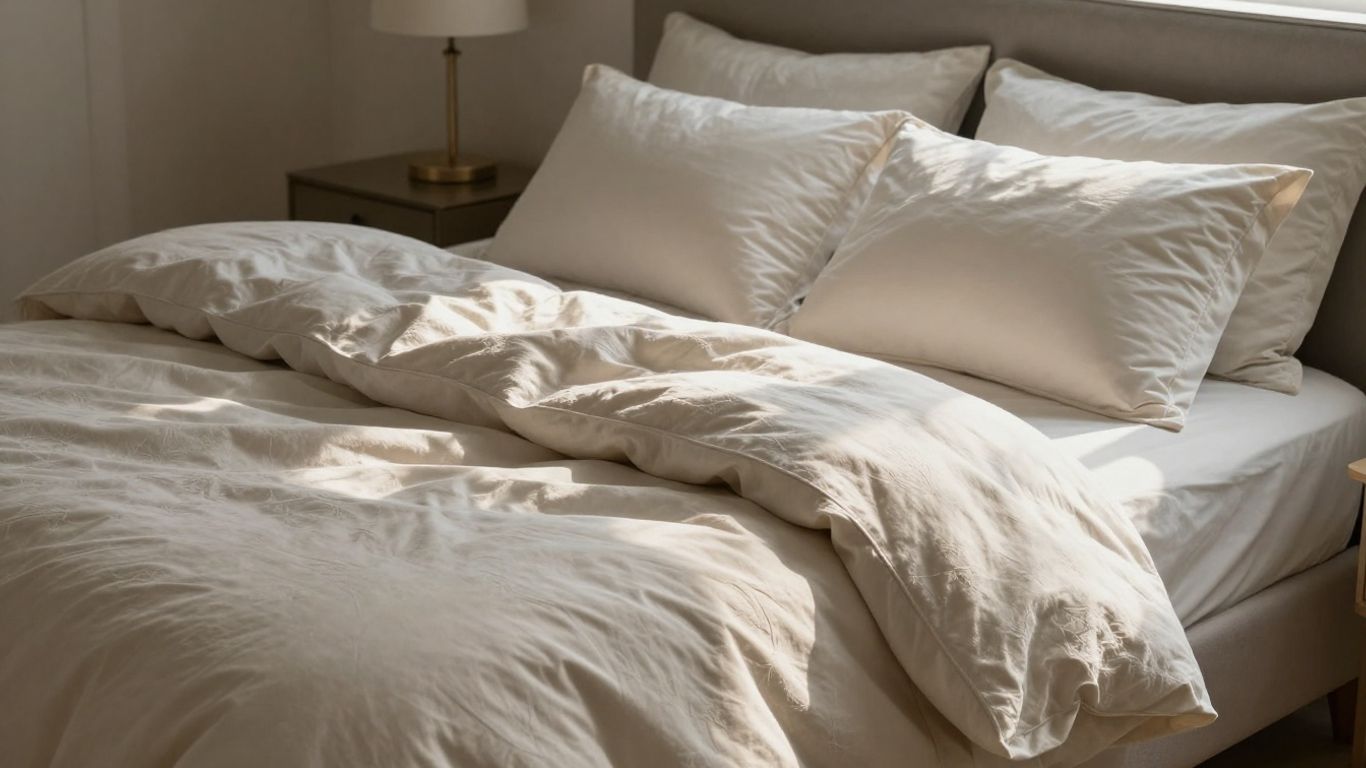
Finding the right bedroom duvets can really make a difference in how you sleep. It’s not just about staying warm; it’s about creating that perfect cozy spot that feels both comfortable and looks good. We’ll go over what to look for, from what’s inside your duvet to how it fits your bed and even what kind of cover to put on it. Getting these details right means better sleep and a nicer-looking bedroom.
Key Takeaways
- Choosing the right fill for your bedroom duvets, like down or down alternatives, impacts comfort and warmth based on your needs and if you have allergies.
- Getting the size of your duvet cover right is super important; it stops bunching and makes your bed look neater, which helps you sleep better.
- You can go for a snug duvet cover for a really plump look or an oversized one for extra coziness and to avoid cover hogging.
- Duvet weight, often shown by TOG ratings, is key for matching your climate, with lower TOG for warm places and higher TOG for cold ones.
- The material, texture, color, and how easy a duvet cover is to clean all play a role in both the style and practicality of your bedroom duvets.
Understanding Duvet Fill Types For Ultimate Comfort
Choosing the right duvet fill is like picking the perfect foundation for your bed – it sets the stage for all the comfort to come. It’s not just about stuffing; the material inside makes a huge difference in how warm, breathable, and luxurious your duvet feels. Let’s break down the main players so you can figure out what’s best for your sleep.
The Benefits of Down Fill
Natural down, usually from ducks or geese, is famous for a reason. It’s incredibly light for how much warmth it provides. Think of it like tiny, fluffy clouds that trap air, keeping you toasty without feeling heavy. This makes it a top choice for that dreamy, hotel-like feel. Down is prized for its exceptional loft and superior insulation with minimal weight. It’s also quite breathable, which helps regulate your temperature throughout the night, so you’re less likely to overheat. If you’re looking for that signature cozy, cloud-like experience, down is definitely worth considering. It’s a natural material, and when cared for properly, it can last for ages.
Exploring Down Alternative Options
Not everyone can go for natural down, whether it’s due to allergies or budget. That’s where down alternative comes in. This is usually made from synthetic fibers, like polyester, that are engineered to mimic the softness and loft of real down. It’s a great option if you need something hypoallergenic or if you prefer bedding that’s easier to wash. Down alternative fills are often more budget-friendly and can be just as warm and comfortable. They’re designed to be a practical yet cozy choice for many households. You can find a wide range of down alternative fills, each offering a slightly different feel and level of warmth, making it a versatile choice for different needs.
Choosing Fill Based on Your Needs
So, how do you pick? It really comes down to what you prioritize. If you want the ultimate in lightweight warmth and that plush, hotel-bed feel, and you don’t have allergy issues, natural down is a fantastic choice. For those who need hypoallergenic options, want something easier to care for, or are looking for a more budget-conscious pick, down alternative is the way to go. Both can provide excellent comfort, but the feel and maintenance will differ.
Here’s a quick rundown:
- Down: Best for lightweight warmth, superior loft, natural breathability. Can be more expensive and requires specific care.
- Down Alternative: Great for allergies, easier to wash, often more affordable. Mimics the feel of down but might not have the same natural breathability.
When you’re choosing your duvet fill, think about your personal comfort preferences, any allergies in the household, and how much effort you want to put into cleaning and maintenance. It’s all about finding that sweet spot between luxurious comfort and practical everyday use. Getting this right means better sleep for you.
Ultimately, whether you choose natural down or a down alternative, the goal is a comfortable and inviting bed. Both types of fill have come a long way in terms of quality and performance. You can find excellent options in either category that will help you achieve that cozy sleep sanctuary you’re dreaming of. For more on bedding basics, check out this placeholder post.
Mastering Duvet Sizing For A Perfect Fit
Getting the size right for your duvet and its cover might seem like a small detail, but honestly, it makes a huge difference in how your bed looks and feels. It’s not just about aesthetics; a well-fitting duvet can actually contribute to a better night’s sleep. Think about it: a duvet that’s constantly slipping around inside a too-big cover or feeling all bunched up isn’t exactly conducive to restful slumber. The golden rule? Ignore the name on the packaging and focus purely on the dimensions. Always, always check the measurements in centimetres (cm) to ensure a perfect match between your duvet and its new cover.
Why Duvet Cover Size Is Key To Better Sleep
It sounds simple, but the relationship between your duvet insert and its cover is pretty important. If the cover is too big, the duvet will just slide around, creating lumps and cold spots. This means you’ll spend more time adjusting it during the night, which isn’t ideal for uninterrupted sleep. On the flip side, if the cover is too small, it can squash the duvet’s filling, making it less fluffy and potentially less warm. Finding that sweet spot where the cover holds the duvet snugly without compressing it is what leads to that consistent, cozy warmth all night long. It’s about creating a unified piece that drapes beautifully and feels just right when you snuggle in. You can find some great options for bedding essentials to start with.
The Benefits Of A Perfect Fit
A perfectly sized duvet cover offers a few nice perks. For starters, it gives your bed that neat, polished look that’s really satisfying. No more lumpy bits or empty corners! It also means the duvet stays put, providing even warmth throughout the night. This consistency helps you sleep better because you’re not constantly waking up to fix your bedding. Plus, when your duvet fits its cover well, it looks more luxurious and inviting, making your bedroom feel more like a sanctuary.
Here’s a quick rundown of why the fit matters:
- A Neat and Tidy Look: This fit gives your bed that well-kept appearance, perfect for minimalist or classic bedroom décor.
- Even Warmth and Comfort: Because the duvet is held securely without being squashed, it distributes warmth evenly and stays put all night.
- Simple and Straightforward: It’s the easiest way to shop. Just match your duvet’s measurements to the cover, and you’re sorted.
Common Duvet Sizing Mistakes To Avoid
One of the most common slip-ups people make is buying a cover based on the bed size (like ‘King’ or ‘Queen’) rather than the actual duvet insert dimensions. Remember, the cover is for the duvet, not the mattress. Your duvet might be a standard size, or it could be an oversized version for extra drape. Always measure your duvet first! Another mistake is forgetting about potential shrinkage. Natural fibres like cotton can shrink a bit after washing, especially if you use hot water. It’s wise to check the care label and maybe even consider a cover that’s slightly larger if you’re worried about it becoming too tight after a wash. If you’re looking for a place to start, this welcome post might give you some ideas.
When shopping for a duvet cover, always prioritize the actual measurements of your duvet insert over the size name (like King or Queen). Your duvet’s dimensions are the most reliable guide to finding a cover that will fit correctly and provide the best comfort and appearance for your bed. Don’t let the bed size dictate your cover choice; let the duvet itself be the deciding factor.
Here are a few things to keep in mind to avoid sizing woes:
- Measure First: Before you even start browsing, measure your duvet’s width and length. You don’t need anything fancy, just a tape measure.
- Shop with Dimensions: Use those specific centimetre measurements to find your cover. Don’t just rely on the size name.
- Ignore the Bed Name: Use your bed’s size as a guide for how you want the duvet to drape, but not for the technical fit of the cover. The cover needs to fit the duvet insert.
Achieving The Ideal Duvet Fit: Snug vs. Oversized
So, you’ve picked out the perfect duvet fill and weight, but now comes a decision that really impacts how your bed looks and feels: the fit. It’s not just about getting a cover that technically fits your duvet insert; it’s about creating a specific vibe for your bedroom. Do you want that perfectly tucked-in, hotel-style look, or are you dreaming of a more relaxed, sink-into-it feel? Your choice here can totally change the game.
The Plump and Cosy Snug Fit
This might sound a little odd, but sometimes, a duvet cover that’s just a tiny bit smaller than your duvet insert is the secret to that super plump, luxurious feel. We’re talking a few centimeters difference, not a lot. For example, if you have a King size duvet that measures 230cm x 220cm, you might look for a cover that’s around 225cm x 218cm. This small difference forces the duvet to fill out the cover completely. It stops the duvet from shifting around inside, meaning no more lumpy bits or empty corners. It’s a fantastic trick if you want your duvet to feel extra substantial and cozy, especially if it’s a mid-weight one.
The Luxurious Oversized Fit
If you’re all about that decadent, enveloping sleep experience, then an oversized fit is your best friend. This is a popular move among interior designers: simply use a duvet and cover that are one size larger than your actual bed. So, imagine putting a King size duvet on a Double bed. The result is a bed that looks incredibly inviting, with fabric that drapes generously over the sides. It’s not just for looks, either. This is a brilliant solution for couples who are tired of the nightly blanket tug-of-war. There’s just more duvet to go around for everyone!
When To Choose A Standard Fit
Sometimes, simple is best. The standard fit is the classic for a reason. It’s when your duvet cover’s dimensions are almost exactly the same as your duvet insert. This gives your bed a clean, tailored look that always feels neat and put-together. It’s perfect if you prefer a tidy aesthetic and want your bedding to be comfortable without any fuss. Plus, it makes bed-making a breeze because everything just lines up perfectly. You can find common duvet sizing charts to help you match your insert to the right cover here.
Getting the size right is about more than just avoiding nightly frustrations. It brings some real, tangible benefits that can improve your sleep and even simplify your daily routine. A perfectly fitted cover holds your duvet securely in place, preventing you from waking up cold. It also gives your bed a neat, polished look and makes bed-making much quicker.
Ultimately, the best fit is the one that makes you happy. Whether you prefer the plumpness of a snug fit, the generous drape of an oversized look, or the clean lines of a standard fit, the key is to make sure your duvet cover is the right size for your insert. Measuring your duvet insert is the best way to ensure a perfect fit.
Selecting The Right Duvet Weight For Your Climate
Choosing the right duvet weight is super important for getting a good night’s sleep, no matter where you live. It’s not just about feeling cozy; it’s about making sure you don’t overheat or freeze when you’re trying to catch some Zs. The main thing to think about is the TOG rating, which basically tells you how warm the duvet is. Higher TOG means more warmth, lower TOG means less. It sounds simple, but there’s a bit more to it.
Understanding Duvet Weight and TOG Ratings
Think of TOG as a measure of how much a duvet traps heat. A lower TOG rating, usually between 2 and 4, is great for warmer weather or if you tend to sleep hot. It’s light and breathable. On the other hand, a higher TOG rating, like 10 to 13 or even more, is for those really cold nights when you want to feel like you’re wrapped in a warm hug. For most people in places with changing seasons, a medium TOG, often around 7 to 9, is a good middle ground. This is why some people look for all-season weight duvets that can adapt.
Factors Influencing Your Duvet Choice
Climate is a big one, obviously. If you live somewhere tropical, you’ll want something light. If you’re in a place with harsh winters, you’ll need something substantial. But it’s not the only thing. You also need to consider your own body temperature. Do you usually wake up sweating, or do you find yourself reaching for an extra blanket? Your bedroom temperature plays a role too – is it naturally cool, or does it get stuffy? The fill material also matters; down is naturally warm, while synthetics can vary. Even the type of duvet cover you use can affect warmth.
Duvet Weight Guide By Climate
Here’s a general breakdown to help you figure out what you might need:
- Hot Climates: Look for low TOG ratings (2-4). Lightweight materials like cotton or linen blends are good choices. You want something that lets air flow freely.
- Temperate Climates: A medium TOG (7-9) is often best. You might even consider having two duvets – a lighter one for summer and a heavier one for winter. This gives you flexibility throughout the year.
- Cold Climates: You’ll want a high TOG rating (10+). Natural fills like down or feather are excellent for trapping heat and keeping you toasty. A regular weight duvet might not be enough here.
Choosing the right duvet weight isn’t just about comfort; it’s about creating an environment conducive to deep, restorative sleep. Getting this balance right means you’re less likely to toss and turn due to being too hot or too cold, leading to better sleep hygiene overall.
Ultimately, the goal is to find that sweet spot where you feel perfectly comfortable all night long. Don’t be afraid to experiment a little to find what works best for you and your specific sleeping conditions.
Elevating Your Bedroom With Stylish Duvet Covers
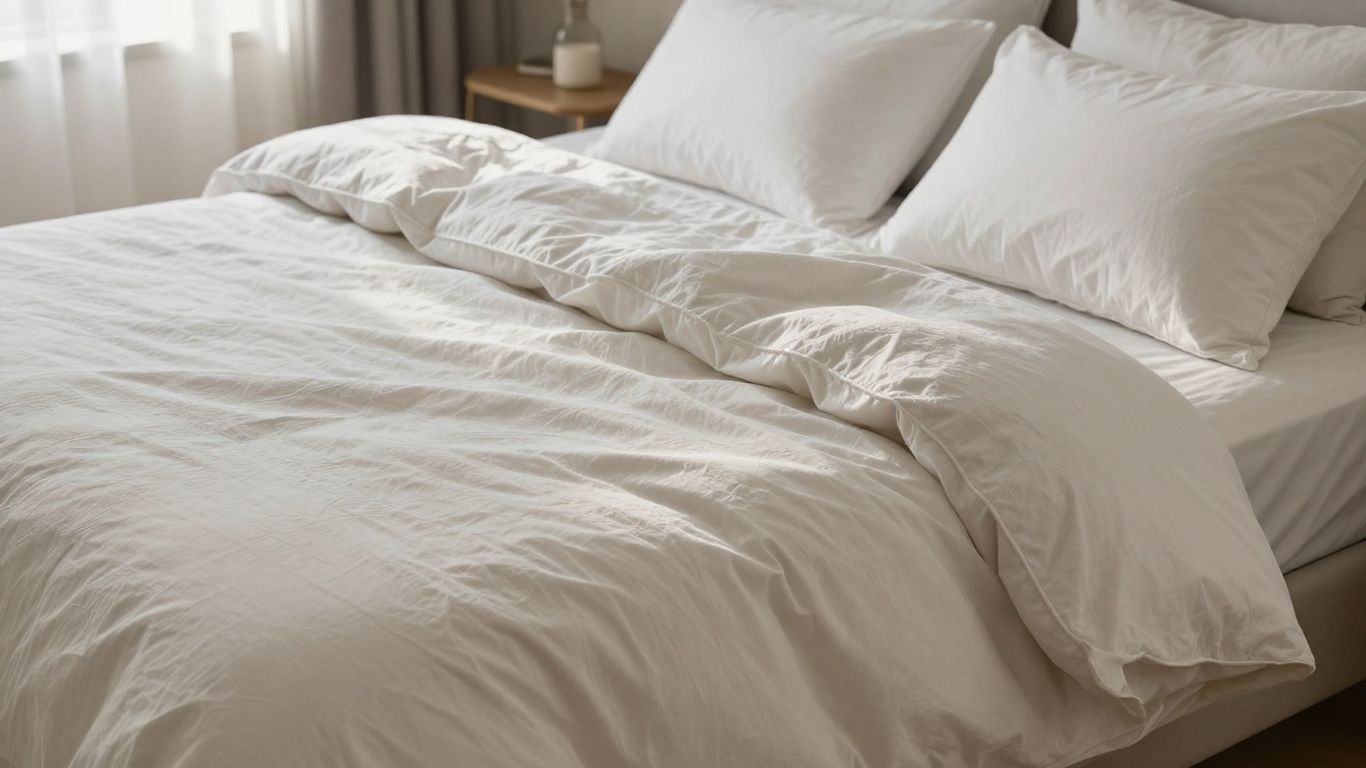
A duvet cover is way more than just a protective layer for your comforter. Think of it as the main outfit for your bed, instantly changing the whole vibe of your bedroom. Whether you’re aiming for a calm, minimalist look or something with a bit more pizzazz, the right duvet cover can make all the difference. It’s your chance to really show off your personal style and give your sleeping space a fresh feel.
Material Matters For Duvet Covers
When picking out a duvet cover, the material is a big deal. It affects how it feels, how it breathes, and how it looks. Natural fibers are usually the way to go because they feel good against your skin and let air flow, which is super important for a comfortable sleep. Cotton and linen are popular choices. Linen, for example, is known for being light and airy, giving off a relaxed feel that works with lots of different decor styles. It’s also pretty durable. Cotton, especially in percale or sateen weaves, offers a different kind of comfort – percale is crisp and cool, while sateen is smooth and has a slight sheen. Both are great for breathability. Some people also like bamboo fabrics for their softness and cooling properties. Synthetic materials like polyester might seem cheaper, but they often don’t breathe as well and can make you feel too warm at night.
Considering Comfort And Texture
Beyond just the material, the actual feel and texture of the duvet cover play a huge role in how cozy your bed feels. You want something that invites you to snuggle in. Texture can add a whole other layer of interest to your bedroom. Think about subtle weaves, a bit of a slubby texture from linen, or even something more pronounced like a waffle knit or a soft, plush velvet. These textures add depth and visual appeal, making your bed look more inviting. A duvet cover that feels good to the touch is just as important as one that looks good. It’s about creating that sensory experience that makes your bed a true sanctuary.
Design And Color Choices For Your Space
This is where you get to have some fun and really personalize your room. Your duvet cover is a large canvas, so its design and color will have a big impact. If you prefer a simple, calm atmosphere, stick to solid colors or subtle patterns like thin stripes or a gentle geometric. Muted tones and neutral palettes can create a serene backdrop. On the other hand, if you love a bolder look, don’t shy away from vibrant colors or eye-catching prints. You can pull a color from your wallpaper or artwork to tie the room together. If you’re mixing patterns, pay attention to scale – a large, bold pattern on the duvet cover might pair well with a smaller, more delicate pattern elsewhere in the room, like on throw pillows. Having a couple of different duvet covers on hand is a smart way to switch up your bedroom’s look whenever you feel like a change, keeping things fresh without a major overhaul. It’s a simple way to refresh your bedroom design.
Choosing a duvet cover that fits well is key. A cover that’s too big or too small can make the duvet bunch up, leading to an uneven feel and a messy appearance. It’s worth taking the time to get the sizing right for both comfort and aesthetics.
Here’s a quick look at how different materials might feel:
| Material | Feel |
|---|---|
| Linen | Airy, slightly textured, gets softer with age |
| Cotton Percale | Crisp, cool, breathable |
| Cotton Sateen | Smooth, soft, slight sheen |
| Bamboo | Very soft, smooth, cooling |
| Velvet | Plush, soft, luxurious |
When it comes to care, check the label. Some materials are machine washable, while others might need a gentler cycle or professional cleaning. Zipper closures are often easier to manage than buttons or ties, and make sure the whole thing will fit in your home washing machine. It’s all about finding that balance between style, comfort, and practicality.
Practical Considerations For Duvet Ownership
So, you’ve picked out the perfect duvet insert and a stylish cover. Awesome! But owning a duvet isn’t just about the initial wow factor; it’s also about keeping it in good shape so it stays comfy and looks great for years. Let’s talk about what that actually means in the day-to-day.
Ease of Maintenance and Care
Keeping your duvet clean and fresh is pretty straightforward if you know a few things. Most duvet covers are designed to be washed regularly, which is great because they take the brunt of the wear and tear. The duvet insert itself, though? That usually doesn’t need washing as often. Think of it like this: the cover is the shirt, and the insert is your skin. You wash your shirt way more than you wash yourself, right?
- Wash your duvet cover frequently. This is your first line of defense against dirt and allergens. Check the care label, but most cotton or linen covers can go in the washing machine on a warm cycle.
- Wash your duvet insert less often. Depending on how often you use it and if you have a cover, you might only need to wash the insert once or twice a year, or if there’s a spill.
- Air it out. Sometimes, just hanging your duvet outside on a breezy day can make a big difference in freshening it up without a full wash.
Remember that natural fibers, like cotton and linen, can shrink a bit, especially in hot water. Always check the care tag before tossing anything into the wash. Following those simple instructions can save you from a too-tight duvet cover later on.
Choosing Duvet Covers For Easy Washing
When you’re picking out a new duvet cover, think about how it closes. This might seem minor, but it makes a difference when it’s laundry day. Zippers are usually pretty sturdy and keep everything tucked in nicely. Buttons can look classic, but make sure they’re sewn on well so they don’t pop off in the wash. Ties inside the corners are also super helpful for keeping the insert from bunching up, but they can sometimes be a bit fiddly.
- Zipper closures: Generally durable and keep the duvet securely inside. Easy to open and close.
- Button closures: Offer a traditional look. Ensure buttons are securely attached.
- Ties: Great for keeping the insert from shifting, but can take a little longer to secure.
The Role of Duvet Covers in Bedroom Refresh
Your duvet cover is basically the biggest piece of fabric in your bedroom, so it has a huge impact on the whole vibe. Swapping out your duvet cover is one of the easiest ways to give your room a whole new look without buying a ton of new stuff. You can go from a calm, neutral look to something bold and patterned just by changing the cover. It’s also a great way to protect your investment in a good quality duvet insert. A well-chosen cover can make an older insert feel brand new and keep your bedding tidy and looking its best. Plus, if you’re looking to store your duvet for the season, a dedicated duvet storage bag can help keep it protected and clean until you need it again.
Creating A Cozy Sleep Sanctuary
So, you’ve picked out the perfect duvet fill and the right size, but how do you actually make your bed feel like a true haven? It’s all about those little details that add up to a seriously comfortable sleep space. Think of your bed not just as a place to sleep, but as your personal retreat from the world. Making it cozy is a big part of that.
The Impact Of Duvet Fit On Sleep Hygiene
Getting the fit of your duvet cover just right is more important than you might think for good sleep hygiene. When your duvet is properly contained within its cover, it stays put. This means no more waking up in the middle of the night to find half your duvet has slipped out, leaving you with a cold spot. A well-fitting duvet cover helps maintain an even temperature all night long, which is key for uninterrupted rest. It also makes your bed look neater, which can subconsciously signal to your brain that it’s time to relax. It’s like giving your duvet a tailored suit – it just looks and feels better, contributing to a more peaceful environment. This focus on getting the details right is becoming more and more important as we invest in creating truly comfortable homes. Transform your bedroom into a cozy sleep sanctuary with intentional design and bedding.
Personalizing Your Sleep Environment
Your bedroom should be a reflection of you, and your duvet is a central piece. Beyond just warmth, consider how it contributes to the overall vibe. Do you prefer a look that’s neat and tidy, or something more relaxed and inviting? The way your duvet drapes and fills its cover plays a huge role in this. A duvet that’s slightly too small for its cover might look a bit saggy, while one that’s just right, or even a touch snug, can give it a wonderfully plump appearance. This visual comfort adds to the feeling of coziness. It’s about creating a space that feels welcoming and safe, a place where you can truly switch off.
Expert Advice For Duvet Selection
When in doubt, think about what makes you feel most relaxed. Some people love the feeling of being completely enveloped, almost like being hugged by their bedding. For them, a slightly snugger fit where the duvet fills out the cover completely can be ideal. This stops any shifting and creates a substantial, lofty feel. Others prefer a more relaxed, draped look, where the duvet cover hangs loosely. Both are perfectly fine, it just depends on your personal preference. Don’t be afraid to experiment a little to find what feels best for you. If you’re still unsure, reaching out to a sleep expert can provide personalized recommendations tailored to your specific needs and preferences. Contact one of our highly experienced City Mattress sleep experts for personalized recommendations or to ask any questions you may have before deciding.
Maximizing Duvet Warmth And Comfort

Getting that perfect, cozy feel from your duvet isn’t just about buying the warmest one off the shelf. It’s a bit more nuanced than that. You can actually tweak things to make your duvet feel even better, whether you’re aiming for a cloud-like experience or just want to stay toasty on a chilly night. It’s all about how you use and care for it.
Layering For Adaptable Warmth
One of the smartest ways to manage warmth is through layering. Instead of relying on a single, super-heavy duvet, think about using a lighter one year-round and adding extra blankets or throws when the temperature really drops. This gives you a lot more flexibility. You can adjust your bedding setup easily from season to season, or even night to night if your bedroom temperature fluctuates.
- Start with a base duvet: Choose a medium-weight duvet that works for most of the year. This is your foundation.
- Add blankets: For colder nights, layer a quilt, a fleece blanket, or even a chunky knit throw on top. This allows you to customize the warmth precisely.
- Consider a duvet with a lower fill weight: If you tend to sleep warm, a duvet with less fill, like one with a lower fill weight, can be a great starting point. You can always add layers.
The Role Of Duvet Covers In Warmth
Don’t underestimate the power of your duvet cover! The material of your cover plays a significant role in how warm you feel. A thick, brushed cotton or flannel cover will trap more heat than a thin, crisp linen one. Think of it as an extra layer of insulation. Choosing the right cover material can make a noticeable difference in your duvet’s overall warmth.
Achieving A Plush, Cloud-Like Feel
Want that luxurious, sink-into-bed feeling? A slightly snugger fit can actually help. When your duvet cover is just a tiny bit smaller than the duvet insert itself, it forces the filling to bunch up a little, creating a fuller, loftier appearance. This stops the duvet from shifting around inside the cover, keeping it evenly distributed and giving you that plush, substantial feel. It’s a simple trick that makes a big difference in how your bed looks and feels. It’s also a great way to make a mid-weight duvet feel much more substantial and cozy, especially if you’re looking to dial up the comfort factor. This approach can really transform your bedding into an inviting haven.
Getting the fit just right, whether snug or slightly oversized, can dramatically impact the overall comfort and aesthetic of your bed. It’s not just about size; it’s about how the duvet and cover interact to create that perfect cozy environment you crave after a long day.
Sweet Dreams Ahead
So, finding the right duvet isn’t just about picking something that looks nice on your bed. It’s really about making sure you get a good night’s sleep, every single night. Whether you’re after that super plush, cloud-like feeling or just want to stop waking up cold, the right duvet and cover combo makes a huge difference. Think about what makes you feel most comfortable – is it a specific fill, a certain weight, or maybe just a cover that fits just right? Taking a little time to figure that out means you’ll have a cozy sanctuary ready for you whenever you need to rest. Happy sleeping!
Frequently Asked Questions
What’s the difference between down and down alternative duvets?
Down duvets use fluffy feathers from ducks or geese, making them super light and warm. Down alternative duvets use soft, man-made fibers that feel similar but are usually better for people with allergies and are easier to wash.
How do I know what size duvet cover to buy?
It’s best if your duvet cover is about the same size as your duvet, or maybe just a tiny bit smaller. This keeps the duvet from bunching up and makes your bed look nice and full. A cover that’s too big will just make your duvet slide around.
Should my duvet cover be bigger or smaller than my duvet?
For a neat, hotel-like look, the cover should be the same size or slightly smaller than the duvet. If you want a really puffy, cozy look, pick a cover that’s a little snugger. The most important thing is to avoid a cover that’s much bigger, as that will cause problems.
Can I put a King size duvet on a Double bed?
Yes, you totally can! Using a King size duvet on a Double bed gives you a lot more bedding to snuggle under and makes your bed look extra luxurious with a nice overhang. Just be sure to use a King size cover too, so it all stays put.
What does TOG mean for duvets?
TOG is a rating that tells you how warm a duvet is. A low TOG number means it’s for warmer weather or for people who sleep hot. A high TOG number means it’s a very warm duvet, perfect for cold climates or those who like to be extra toasty.
How do I choose the right duvet weight for my climate?
If you live somewhere hot, pick a light duvet with a low TOG rating. For places with mild weather, a medium TOG duvet works well. If it’s very cold where you live, you’ll want a heavy duvet with a high TOG rating for maximum warmth.
What’s the benefit of an oversized duvet fit?
An oversized fit, like using a King size duvet on a Double bed, creates a super plush and inviting look. It also means more duvet for everyone, which is great for couples who tend to fight over the covers at night!
How often should I wash my duvet cover?
It’s a good idea to wash your duvet cover about as often as you wash your bed sheets, usually every one to two weeks. This helps keep your bedding fresh and clean. Always check the care label on your duvet cover for specific washing instructions.