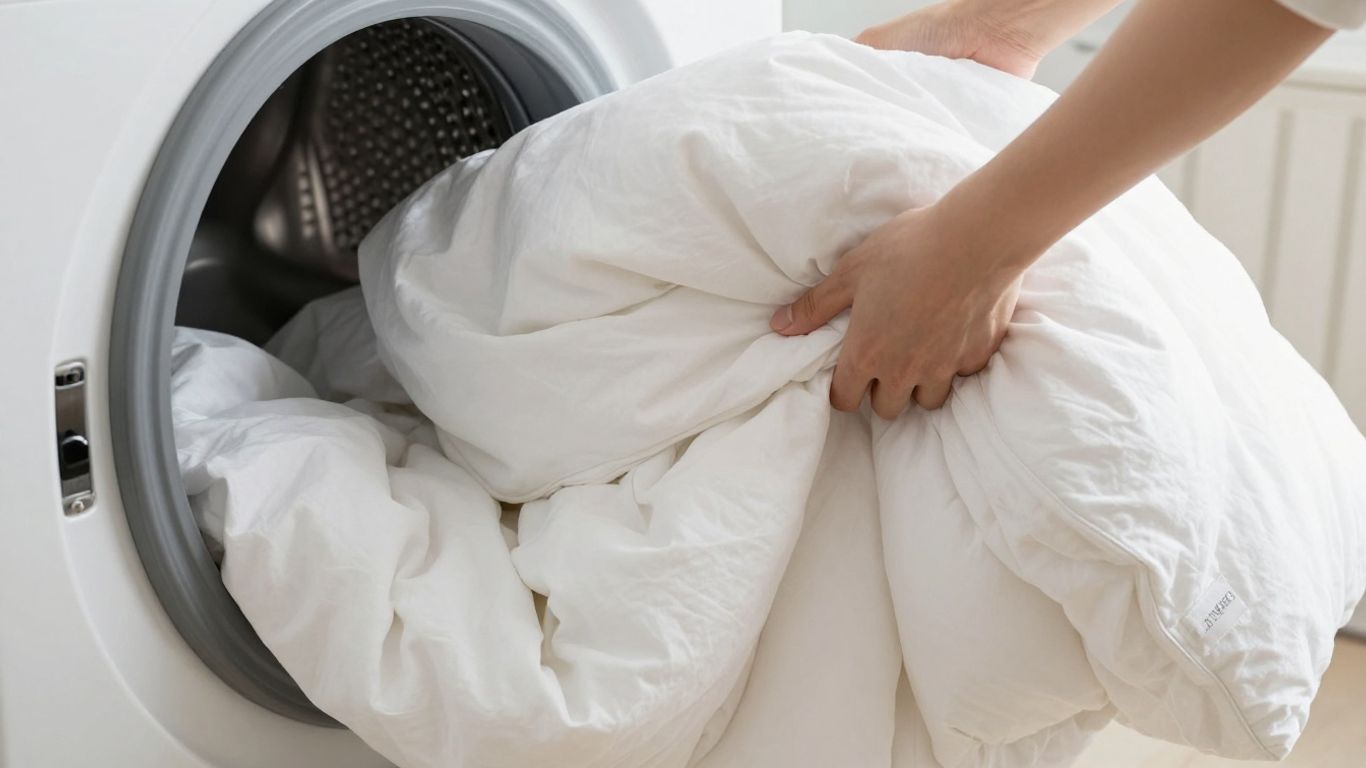
Washing your Brooklinen comforter might seem like a big task, but it’s actually pretty straightforward. You want to keep it feeling fresh and fluffy, right? Well, knowing how to wash a Brooklinen comforter properly makes all the difference. Whether you’re dealing with a small spill or just giving it a good clean, follow these steps to get the best results without damaging your comforter. It’s not as complicated as you might think, and your comforter will thank you for it.
Key Takeaways
- Always check the care tag on your Brooklinen comforter before washing for specific instructions.
- Spot treat any visible stains before putting the comforter in the wash to ensure they come out.
- Use a large-capacity, front-loading washing machine and a gentle detergent on a delicate cycle.
- Dry your comforter on a low heat setting, using dryer balls to help maintain its fluffiness.
- Avoid harsh chemicals like bleach and fabric softeners, and never use high heat during drying.
Preparing Your Brooklinen Comforter For Washing
Before you even think about tossing your Brooklinen comforter into the wash, there are a few things you should do to make sure it comes out clean and in one piece. It’s not super complicated, but doing it right makes a big difference.
Check The Care Tag First
This is probably the most important step. Seriously, don’t skip it. Your comforter has a little tag somewhere, usually on a seam, that tells you exactly what the manufacturer recommends. It might say machine wash, hand wash, or even dry clean only. Ignoring this is how you end up with a lumpy, sad comforter. Brooklinen comforters are generally designed to be washed at home, but always double-check. For example, some down comforters might have specific instructions that differ from their down-alternative cousins. Always defer to the care tag for the most accurate guidance.
Spot Treat Any Stains Before Washing
If you notice any spots or stains, tackle them before the main wash. Trying to wash the whole thing might not get those stubborn marks out, and it can sometimes set them in further. Gently push the filling away from the stained area so you’re only treating the fabric shell. Use a small amount of mild detergent or a stain remover specifically made for delicate fabrics. Rub it in gently with your fingers or a soft cloth. Let it sit for about 15-20 minutes. This little bit of extra effort can save your comforter from looking dingy.
Gather Your Cleaning Supplies
Having everything ready beforehand makes the whole process smoother. You don’t want to be halfway through and realize you’re missing something. Here’s what you’ll likely need:
- A large-capacity, front-loading washing machine: Top-loaders with agitators can damage your comforter. If yours isn’t big enough, a laundromat is your best bet. You need space for the comforter to move freely. You can find large capacity washers at most laundromats.
- Mild, gentle detergent: Avoid anything with harsh chemicals, bleach, or fabric softeners. Look for detergents designed for delicates or down fillings.
- Optional: Dryer balls: If you plan to machine dry, these help keep the filling from clumping.
Taking a moment to prepare properly means you’re setting yourself up for success. It’s about protecting your investment and keeping your comforter feeling as cozy as the day you bought it. A little prep goes a long way in maintaining that fluffy loft and overall freshness.
Machine Washing Your Brooklinen Comforter
Okay, so you’ve decided to tackle the comforter head-on with your washing machine. It sounds a bit daunting, right? But honestly, it’s totally doable if you go about it the right way. The biggest thing to remember is that your comforter needs room to move around. If it’s crammed in there, it won’t get clean properly, and you risk damaging the fill.
Use A Large-Capacity Front-Loading Washer
This is probably the most important point. You really need a machine that can handle the bulk without getting overloaded. Think of it like trying to wash a sleeping bag – it just needs space. Top-loading machines with a central agitator can actually twist and tear the comforter’s fabric and fill. If your home machine isn’t big enough, don’t sweat it; just find a local laundromat that has those big, commercial front-loaders. It makes a world of difference.
Select The Right Detergent
When it comes to detergent, less is more. You want something gentle, ideally one made for down or delicate items. Avoid anything with harsh chemicals, bleach, or strong fragrances. These can strip the natural oils from the down and make it clump, which is the opposite of what you want. A small amount of a mild detergent is all you need. Too much soap is hard to rinse out and can leave residue.
Choose A Gentle Wash Cycle
Forget the heavy-duty cycles. You’ll want to set your machine to the ‘delicate’ or ‘gentle’ setting. Use cool or warm water – definitely avoid hot water, as it can damage the fill. The goal here is a slow, steady clean that won’t agitate the comforter too much. It’s all about being kind to the materials.
Consider An Extra Rinse Cycle
This is a good little trick to make sure all the soap is out. Sometimes, especially with bulky items, detergent can get trapped in the fill. Running an extra rinse cycle helps flush out any lingering soap residue. You don’t want your comforter feeling stiff or looking dingy because of leftover detergent. A clean rinse means a fresher, fluffier comforter.
Hand Washing Your Brooklinen Comforter
So, your Brooklinen comforter needs a good clean, but you’re not feeling the whole machine washing thing, or maybe your washer just isn’t big enough. No worries, hand washing is totally doable. It just takes a little more elbow grease and a good spot to do it.
Find a Suitable Washing Space
First things first, you need a place to actually wash this thing. A clean bathtub is usually your best bet. If you don’t have a tub, a large, clean sink could work in a pinch, but a bathtub gives the comforter more room to move around. Make sure you’ve got easy access to warm water.
Gently Agitate and Soak
Once you’ve got your spot ready, fill it with warm water. Add a small amount of gentle detergent – seriously, don’t go overboard. You don’t want to leave a bunch of soap residue behind. Submerge the comforter and gently press it down into the water. Use your hands to lightly swish it around. The goal here isn’t to scrub it like a rug, but to let the water and soap work their way through the fill. Let it soak for about 15 to 30 minutes. If you notice any stubborn spots, you can gently work at them with your hands, but avoid twisting or wringing the comforter out. This is where you can check out how to care for sheets for general fabric tips.
Drain and Rinse Thoroughly
After soaking, it’s time to get all that soapy water out. Drain the tub or sink. Then, refill it with clean, cool water. Gently press the comforter to help rinse out the soap. You’ll probably need to drain and refill it a few times. Keep going until the water runs clear and there are no more suds. It’s really important to get all the soap out, otherwise, it can affect the comforter’s loft and feel. Once you’re satisfied it’s rinsed, gently squeeze out as much excess water as you can without twisting. You can even lay towels on top and press down to absorb more moisture.
Hand washing is a bit more time-consuming, but it’s a great option when you want to be extra gentle with your comforter or if you don’t have access to a large-capacity machine. It allows you to control the process more closely.
Remember, if your comforter is a Brooklinen Comforter Set that doesn’t require a separate duvet cover, hand washing might be a more frequent necessity compared to those protected by a cover.
Drying Your Brooklinen Comforter
Once your comforter is clean, getting it completely dry is the next big step. This is super important because if any dampness lingers, you risk clumping fill, funky smells, or even mildew. You’ve got two main options here: the dryer or the great outdoors.
Machine Drying For Best Results
Using a dryer is usually the quickest and most effective way to dry your comforter. The key is to make sure your machine is big enough. A comforter needs room to move around so air can circulate properly. If yours is a queen or king size, you might need to head to a laundromat for a large-capacity dryer.
- Toss the comforter in loosely. Don’t fold or bunch it up.
- Skip the dryer sheets. They can actually coat the fill and make it less fluffy.
- Add a few wool dryer balls or clean tennis balls. These help break up clumps and fluff the fill as it tumbles.
Low Heat Is Key
Always use the lowest heat setting on your dryer. High heat can damage the delicate down or alternative fill, making it brittle and less effective. Expect this process to take a while – anywhere from 2 to 4 hours, depending on the size and how damp it is. You’ll want to pause the dryer every 30 minutes or so. Pull the comforter out, give it a good shake to redistribute the fill, and then toss it back in. This step is vital for even drying and fluffiness.
Utilize Dryer Balls For Fluffiness
Those dryer balls aren’t just for show. They’re pretty great at helping to keep the fill from clumping together. As the comforter tumbles, the balls bounce around, gently separating the fill and allowing air to get in. This helps the comforter dry more evenly and come out feeling much fluffier. You can find wool dryer balls specifically designed for this purpose, or even use clean tennis balls in a pinch. Just make sure they’re clean and don’t have any loose threads that could snag.
Getting your comforter fully dry is non-negotiable. Any residual moisture can lead to clumping, odors, and potential mildew growth, compromising the integrity and comfort of your bedding. Patience and thoroughness are your best friends during this stage.
Line Drying Your Brooklinen Comforter
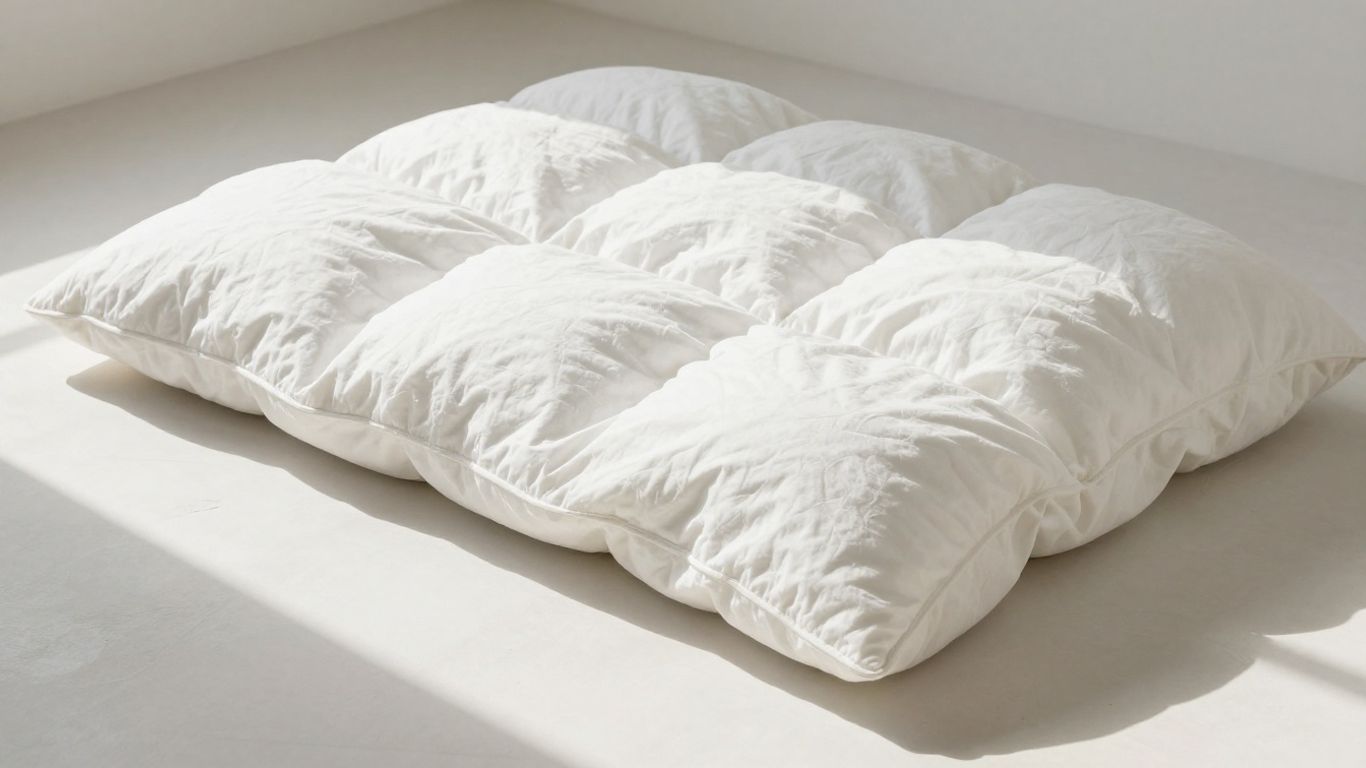
Line drying your Brooklinen comforter is a great option, especially if you live somewhere with a warm, dry climate. It takes a bit more effort than machine drying, but it can work well if you’re patient and pay attention. The main goal here is to make sure the comforter dries all the way through to prevent any musty smells or mildew from setting in.
Choose The Right Conditions
For the best results when line drying, pick a day that’s sunny and has a nice breeze. Low humidity is also your friend here. Avoid days that are really damp or rainy, as this will just prolong the drying time and increase the chance of moisture getting trapped.
Ensure Even Airflow
When you hang your comforter, try to spread it out as much as possible. Using a large drying rack or a sturdy clothesline works well. You want to maximize the surface area exposed to the air and sun. Give it a good shake before hanging to help distribute the fill evenly. Periodically shaking and rotating the comforter while it’s drying will help ensure that all parts get a chance to dry out properly. This is key to keeping the fill from clumping up.
Be Patient For Complete Dryness
Line drying can take a while, sometimes a full day or even longer, depending on the size of your comforter and the weather. Don’t rush the process. It’s really important that the comforter is completely dry, all the way to the center. If you take it down too soon, you might end up with damp spots that can lead to problems later on. You can check for dampness by feeling the thicker parts of the comforter and giving it a good sniff to make sure there are no lingering odors.
The biggest challenge with line drying is making sure every bit of moisture has evaporated. If any dampness remains, especially deep within the fill, it can create a breeding ground for mildew and unpleasant smells. Patience and thoroughness are your best tools here.
Here’s a quick rundown of what to aim for:
- Sunny and Breezy Day: Ideal conditions for faster, more effective drying.
- Spread it Out: Maximize airflow by hanging the comforter loosely.
- Regular Shaking: Helps fluff the fill and ensures even drying.
- Check Thoroughly: Feel for damp spots and smell for any mustiness before bringing it inside.
Ensuring Complete Dryness
Getting your Brooklinen comforter completely dry is super important. If it stays even a little bit damp, you risk mildew and that not-so-fresh smell. Plus, the fill can get all clumpy, and nobody wants that. So, whether you’re using a dryer or hanging it up, the goal is the same: bone dry, inside and out.
Check For Any Damp Spots
This is the most obvious step, but it’s easy to overlook. After you think it’s dry, give it a good feel. Stick your hands deep into the comforter, especially in the corners and thicker areas. Really dig in and feel for any cool, moist spots. Sometimes, the outside feels dry, but the inside is still holding onto moisture. Don’t be afraid to spend a few extra minutes on this. It’s better to be safe than sorry when it comes to preventing mildew.
Listen For Odors
Sometimes, you can’t feel dampness, but you can smell it. A musty or damp odor is a clear sign that your comforter isn’t fully dry. This smell comes from moisture trapped in the fill, which can quickly turn into mildew if left unchecked. If you catch a whiff of anything funky, it’s back to the dryer or the clothesline it goes.
Confirm Loft and Freshness
Once you’re confident it’s dry, give your comforter a good shake. It should feel light and airy, not heavy or dense. The fill should be evenly distributed and fluffy. If it feels flat or you notice any clumping, it likely needs more drying time. A properly dried comforter will have its loft restored, feeling as fresh and inviting as when you first got it. For best results, consider using wool dryer balls to help fluff the fill and speed up the drying process.
What To Avoid When Washing
Okay, so you’ve got your Brooklinen comforter, and you want to keep it in tip-top shape. That’s great! But just like with anything, there are a few things you really want to steer clear of when it comes time to wash it. Doing the wrong thing can actually do more harm than good, and nobody wants that.
Harsh Detergents and Bleach
First off, let’s talk about the soap. You might be tempted to grab that heavy-duty detergent for a really deep clean, but hold up. Strong detergents, especially those with sulfates or chlorine bleach, can really mess with the down or synthetic fill inside your comforter. Think of it like this: the fill is delicate, and these harsh chemicals can break it down over time. This means your comforter might lose some of its fluffiness and warmth. It’s best to stick to mild, gentle laundry detergents. If you’re unsure, look for ones specifically made for delicates or down. And bleach? Just say no. It’s way too aggressive for comforter filling and can cause permanent damage.
Fabric Softeners
This one might surprise you. Fabric softeners are great for making clothes feel super soft, right? Well, when it comes to comforters, especially those filled with down, they can actually be a problem. Fabric softener coats the fibers, and this coating can make them clump together. When the fill clumps, it loses its ability to trap air, which is what makes your comforter warm and cozy. So, while it might seem like a good idea for extra softness, it can actually make your comforter less effective and less fluffy. It’s better to let the comforter’s natural fibers do their thing.
High Heat Drying
After washing, the drying part is just as important. You might think blasting it with high heat will get it dry faster, but that’s a big no-no. High temperatures can scorch the fabric, damage the fill, and even cause shrinkage. It’s like trying to cook a delicate pastry on a super high oven setting – it just doesn’t end well. Always opt for the lowest heat setting available on your dryer. If you’re line drying, make sure it’s completely dry before bringing it inside, as dampness can lead to mildew. Patience is key here to avoid damaging your comforter.
Frequency Of Washing Your Comforter
So, how often should you actually wash your Brooklinen comforter? It’s not something you need to do every week, thankfully. For most people, if you’re using a duvet cover, washing the comforter itself just once or twice a year is usually plenty. Think of the duvet cover as the main shield. It catches most of the sweat, oils, and dust that would otherwise end up on your comforter. That duvet cover, though? That should be getting washed way more often, like every week or two. It’s a pretty simple swap that makes a big difference.
Impact Of Duvet Covers
Using a duvet cover is a game-changer for comforter longevity. It acts as a protective layer, significantly reducing the need for full comforter washes. Without one, your comforter is directly exposed to body oils, skin cells, and environmental dust. This exposure means you’ll likely need to wash it much more frequently. A good rule of thumb is that the more protection your comforter has, the less often it needs a deep clean. So, if you’re diligent about washing your duvet cover, you can extend the time between washing the comforter itself. It’s a simple way to keep your bedding fresh without overdoing the washing.
When To Wash More Often
There are a few situations where you might need to wash your comforter more frequently than the standard once or twice a year. If you don’t use a duvet cover at all, you’ll probably want to aim for washing it every 3 to 6 months. Also, consider your personal habits and environment. Do you tend to sweat a lot at night? Do you have pets that sleep on the bed? Or maybe you have allergies that get triggered by dust mites? In any of these cases, more frequent washing is a good idea. It helps keep allergens down and ensures a cleaner sleeping environment. Just remember, over-washing can still be a problem, so balance is key.
The Risks Of Over-Washing
While keeping your comforter clean is important, washing it too often can actually cause harm. Down and other delicate fills can lose their loft and insulating properties with too many trips through the wash and dry cycles. This means your comforter might not feel as fluffy or warm as it used to. It can also shorten the overall lifespan of the comforter. Think of it like this: every wash cycle puts a little wear and tear on the materials. So, it’s better to spot clean minor issues and air out your comforter between washes whenever possible. This helps maintain its quality and keeps it feeling fresh without the harshness of a full wash. If you’re looking for tips on how to keep it fluffy, check out maintaining your comforter’s loft.
Maintaining Your Comforter’s Loft
Keeping your Brooklinen comforter fluffy and full is all about how you treat it, especially after washing. The goal is to get that cozy, cloud-like feel back, and thankfully, it’s not too complicated.
The Role of Dryer Balls
If you’re machine drying your comforter, dryer balls are your best friend. Think of them as little helpers that bounce around inside the dryer, gently separating the fill. This stops it from clumping up into sad, flat spots. Wool dryer balls are a popular choice, but you can also use clean tennis balls. Just toss a few in with your comforter.
Regular Fluffing During Drying
Don’t just set it and forget it when drying. Periodically, pull the comforter out of the dryer (if it’s safe to do so and not too hot!) and give it a good shake. You can also gently tug on opposite corners to help redistribute the fill. This simple step makes a big difference in how evenly it dries and how fluffy it stays. It’s like giving your comforter a little massage.
Airing Out Between Washes
Even when it’s not laundry day, giving your comforter a little fresh air can do wonders. On a dry, breezy day, hang it outside for a few hours. Sunlight is great for killing dust mites and bacteria, and the fresh air helps it smell nice and feel less stuffy. Just make sure it’s completely dry before bringing it back inside. This is a good way to keep it feeling fresh without a full wash, which can help extend its lifespan.
Over-washing can actually break down the fill over time, making it less lofty. So, while cleaning is important, finding that balance is key. Spot cleaning and regular airing are great ways to keep it fresh between washes.
Wrapping It Up
So there you have it. Washing your Brooklinen comforter might seem like a big job, but it’s totally doable. Just remember to check that care tag, use the right kind of soap, and give it plenty of time to dry completely. Doing this every so often will keep your comforter feeling fresh and cozy for a long time. Now go enjoy that clean, comfy bed!
Frequently Asked Questions
How often should I wash my Brooklinen comforter?
It really depends on if you use a duvet cover! If you do, washing your comforter just once or twice a year is usually enough. But if you don’t use a cover, or if you have allergies or pets, you might need to wash it every 3 to 6 months. Remember, washing it too much can make it less fluffy over time.
Can I wash my Brooklinen comforter in a regular washing machine?
For the best results, use a large, front-loading washing machine. Top-loading machines with a center agitator can sometimes tangle and damage the comforter. If your home machine isn’t big enough, consider heading to a laundromat with commercial-sized machines.
What kind of soap should I use?
Always use a mild, gentle detergent. Think of something like Woolite or a detergent made specifically for down or delicate items. Avoid harsh soaps, bleach, and fabric softeners, as these can harm the comforter’s filling and fabric.
How do I dry my Brooklinen comforter?
The best way to dry it is in a large-capacity dryer on a low heat setting. Toss in some dryer balls or clean tennis balls to help keep the filling from clumping and make it extra fluffy. It might take a few hours, so be patient!
What if my comforter still feels damp after drying?
It’s super important to make sure it’s completely dry to prevent mildew. If you feel any damp spots or notice a musty smell, put it back in the dryer on low heat or hang it outside in a sunny, breezy spot to finish drying. Give it a good shake every so often.
Can I spot clean my comforter instead of washing the whole thing?
Yes, you can! If you have a small stain, gently push the filling away from the spot. Apply a little bit of mild detergent or stain remover directly to the fabric, rub it gently, and let it sit for about 20 minutes. Then, blot it with a damp cloth until the stain is gone.
Why should I avoid fabric softener?
Fabric softener can coat the down or synthetic filling, making it clump together and lose its fluffiness. This can make your comforter less warm and cozy. It’s better to let the dryer balls do the fluffing work!
How can I keep my comforter fluffy after washing?
The key is in the drying process! Using dryer balls or clean tennis balls in the dryer helps break up any clumps and redistribute the filling as it dries. Also, pausing the dryer every 30 minutes to shake out the comforter helps a lot.