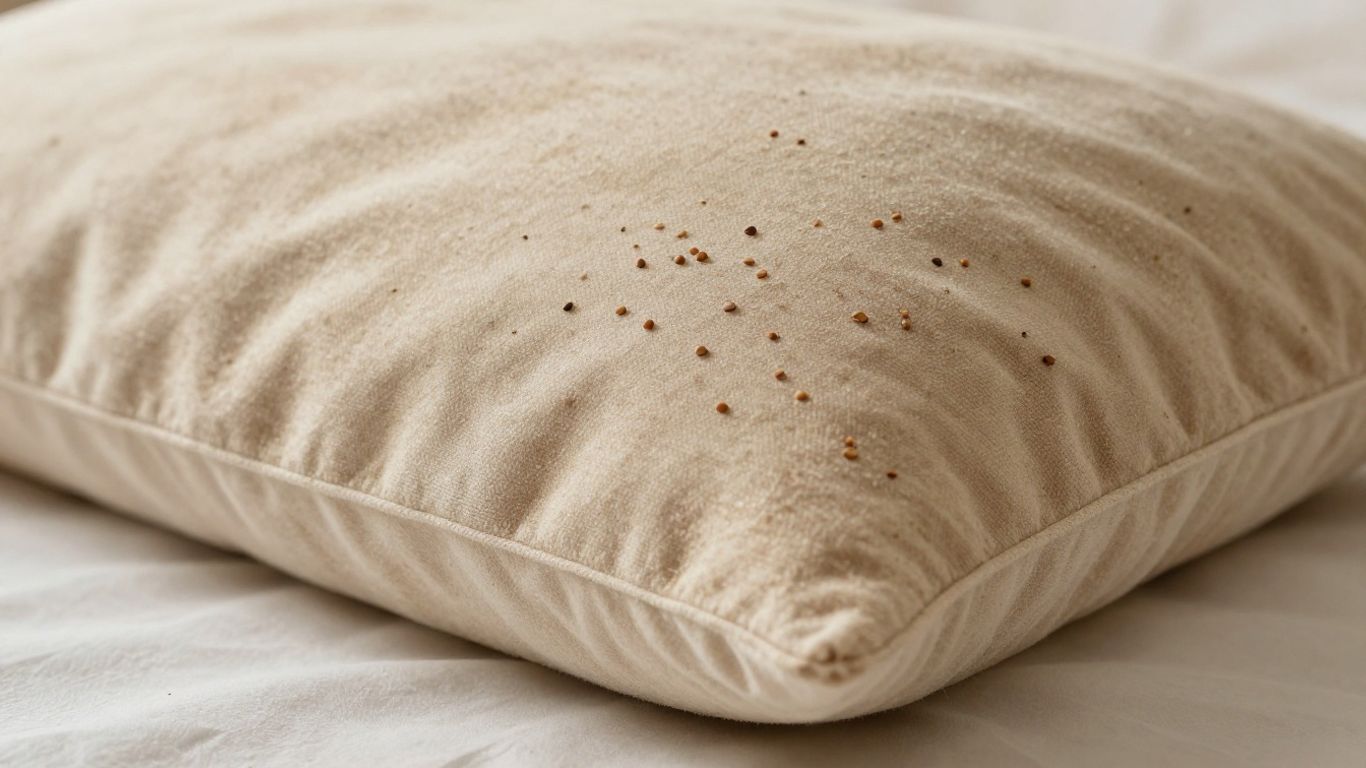
So, you’re looking into buckwheat pillows, huh? Maybe you’ve seen them pop up on Reddit or heard people talking about them. They’re a bit different from your usual fluffy pillow, made from natural buckwheat hulls. People seem to either love them or find them a bit too firm. We’re going to unpack what actual users are saying about them, especially when it comes to getting a good night’s sleep, and see if they’re worth the hype.
Key Takeaways
- Side sleepers often need a pillow with more height, called loft, to keep their spine straight. Too flat or too high can cause neck and shoulder pain.
- Pillow fill matters a lot. Things like shredded foam, memory foam, down, and latex all feel and perform differently. Some let you add or remove filling to get it just right.
- Online communities, like Reddit, are great places to see what real people think about pillows. People share their experiences with different brands and types.
- When picking a pillow, think about how firm you like it, what material it’s made of, and if it has special features like cooling technology or an adjustable fill.
- Buckwheat pillows are a natural option that some people swear by for support, but they can be quite firm and make noise. Reviews on places like Reddit show a mixed bag, with many appreciating the adjustability and natural feel, while others find them too hard or noisy.
Understanding Side Sleeper Pillow Needs
If you’re a side sleeper, you know the struggle. Finding that perfect pillow can feel like a quest for the Holy Grail. It’s not just about comfort; it’s about making sure your body is happy and aligned all night long. When you sleep on your side, your shoulder and hip take on a lot of pressure, and your neck can end up at a weird angle if your pillow isn’t just right. This is where specialized pillows really make a difference.
Why Side Sleepers Require Specialized Pillows
Sleeping on your side is actually pretty good for you in a lot of ways. It can help with snoring, keep your spine in a straighter line, and even aid digestion. But, it also puts your shoulder and neck in a position that needs extra support. Without the right pillow, you might wake up feeling stiff or sore. It’s all about filling that gap between your shoulder and your head so everything stays in a nice, neutral line.
- Neck Alignment: A pillow that’s too flat lets your head drop, straining your neck. Too thick, and it pushes your head up, causing misalignment.
- Shoulder Support: Your shoulder bears weight when you sleep on your side. A good pillow helps take some of that pressure off.
- Spinal Balance: The goal is to keep your head, neck, and spine in a straight line, preventing aches and pains.
The Crucial Role of Spinal Alignment for Side Sleepers
Getting your spine aligned while you sleep is super important for waking up feeling good. For side sleepers, this means the pillow needs to be thick enough to keep your head level with your spine, but not so thick that it forces your head upwards. Think of it like building a bridge – everything needs to be supported evenly. If it’s off, you’re asking for trouble.
When your head and neck are properly supported, your spine remains in a neutral position, preventing strain on the muscles and joints. For side sleepers, who naturally create a gap between the shoulder and the mattress, the pillow must fill this space without collapsing.
Common Discomforts from Inadequate Pillow Support
If you’ve ever woken up with a stiff neck or achy shoulders, chances are your pillow is the culprit. Not having the right support can lead to a few common issues:
- Morning Stiffness: That feeling of being unable to turn your head easily.
- Shoulder Pain: A dull ache that lingers from pressure points.
- Headaches: Sometimes, neck strain can trigger tension headaches.
- Tossing and Turning: If you’re uncomfortable, you’ll likely move around more, disrupting your sleep cycles. This can lead to feeling tired even after a full night in bed. Finding the right pillow can really help you achieve restorative sleep.
Here’s a quick look at what to aim for:
| Feature | Ideal for Side Sleepers |
|---|---|
| Loft (Height) | Generally 4-6 inches; adjust based on shoulder width. |
| Firmness | Medium-firm to firm to maintain shape and support. |
| Fill Material | Memory foam, latex, or adjustable fills are good choices. |
Choosing the right pillow isn’t just about comfort; it’s about setting yourself up for a pain-free morning and a better day. It’s worth taking the time to figure out what works best for your body. You can often find great advice on Reddit threads about pillows if you want to see what other people are saying.
Key Factors in Pillow Selection
Picking the right pillow can feel like a puzzle, especially when you’re trying to get a good night’s sleep. It’s not just about comfort; it’s about making sure your head and neck are in a good position all night long. Getting this right means you wake up feeling refreshed, not achy.
When you’re shopping, keep these main things in mind:
- Loft (Height): This is basically how tall the pillow is. For side sleepers, a taller pillow is usually better because it fills the space between your head and shoulder, keeping your spine straight. If the pillow is too flat, your head will droop down, and if it’s too high, your head will be pushed up awkwardly. Most side sleepers do well with a loft between 4 to 6 inches.
- Firmness: How much does the pillow give when you put your head on it? Side sleepers often benefit from a medium-firm to firm pillow. This kind of support stops the pillow from flattening out too much during the night, which helps keep your neck and spine aligned. Too soft, and you might sink in too much; too firm, and it might feel uncomfortable.
- Fill Material: What’s inside the pillow makes a big difference to its loft, firmness, and how it feels. Common options include memory foam, which molds to your shape, latex, which is supportive and breathable, and down or feather fills, which are softer but might not offer consistent support. Adjustable fills, like those found in some adjustable pillows, let you add or remove filling to get the loft and firmness just right for you.
Think about your own body and how you sleep. For example, someone with broader shoulders might need a taller pillow than someone with a smaller frame. Your mattress also plays a role; if your mattress is very soft, your shoulder might sink in more, meaning you might need a slightly less tall pillow than if you have a firm mattress.
The goal is to find a pillow that supports your natural spinal curve. When your spine is neutral, from your head all the way down to your tailbone, you’re less likely to experience pain and stiffness. This alignment is key for restful sleep and waking up without discomfort.
It’s also worth checking out what other people are saying. Online communities and review sites can give you a good idea of what works for others. Looking at consumer reports can also provide data-backed insights into pillow performance.
Exploring Popular Pillow Types and Features
So, you’re on the hunt for a new pillow, and let’s be honest, the options can feel a bit overwhelming. It’s not just about finding something soft to rest your head on; it’s about support, alignment, and actually waking up feeling refreshed. Different pillow types are designed with specific needs in mind, and understanding these can really help narrow down your search.
Pillow Loft: Finding the Right Height
Pillow loft, or height, is super important, especially if you sleep on your side. Think of it like this: your head needs to be level with your spine. If the pillow is too low, your head will droop down, putting strain on your neck. Too high, and your head gets pushed up at an awkward angle. For side sleepers, a loft of around 4 to 6 inches is often recommended. This range helps fill that space between your head and shoulder, keeping everything in line. Body type plays a role too; someone with broader shoulders might need a bit more loft than someone with a smaller frame. The firmness of your mattress also matters – a softer mattress lets your shoulder sink in more, potentially reducing the loft you need.
Firmness Levels for Optimal Support
Beyond height, how firm your pillow is makes a big difference. A pillow that’s too soft can flatten out completely during the night, leaving your neck unsupported. This is why many side sleepers find a medium-firm to firm pillow works best. It has enough give to be comfortable but is solid enough to maintain its shape and provide consistent support throughout the night. This firmness helps prevent that dreaded neck ache that can come from a pillow that just collapses under your head.
The Impact of Pillow Fill Materials
What’s inside your pillow is just as critical as its shape and size. Different fill materials offer unique benefits:
- Memory Foam: This material is known for its ability to contour to your head and neck, offering personalized support. Some memory foam pillows are solid, while others are shredded, which can improve airflow and adjustability.
- Latex: Often considered a more natural option, latex is supportive, breathable, and durable. It tends to be cooler than traditional memory foam and is a good choice if you’re looking for something hypoallergenic.
- Down/Feather: These are super plush and soft, offering a luxurious feel. However, they can sometimes lack the consistent support needed for side sleepers and might not be ideal if you have allergies.
- Adjustable Fill: Many modern pillows now come with adjustable fill, meaning you can add or remove material to get the perfect loft and firmness. This is a great feature for fine-tuning your sleep setup.
When you’re looking at different pillows, consider how these materials might affect your comfort and support. For instance, if you tend to sleep hot, a pillow with a naturally cooling material like latex or one with a breathable fill like shredded buckwheat might be a better bet than a dense memory foam pillow that traps heat.
Choosing the right pillow isn’t just about comfort; it’s about aligning your spine and preventing pain. The right loft, firmness, and fill material work together to support your head and neck, leading to better sleep quality and fewer aches in the morning. It’s an investment in your overall well-being.
Ultimately, the "best" pillow is really about what works for you. Factors like your body type, mattress firmness, and personal preference all play a part. Don’t be afraid to look into pillows with trial periods so you can test them out in your own bed. It might take a little trial and error, but finding that perfect pillow can make a world of difference for your sleep.
User Experiences with Adjustable Pillows
Adjustable pillows are a pretty big deal for folks who just can’t seem to find that ‘just right’ pillow. You know, the ones that are either too flat or too puffy, leaving your neck feeling like it went ten rounds with a heavyweight boxer? That’s where these adjustable ones come in. The main idea is simple: you can add or take out filling to make the pillow exactly how you like it. It’s like having a custom-made pillow without the custom price tag.
Coop Sleep Goods Original Adjustable Pillow Reviews
This pillow seems to be a real crowd-pleaser, especially for people who like to tinker with their sleep setup. It comes with extra fill, which is great because you can really dial in the height and firmness. One thing people mention is that it feels pretty premium, even though it’s not the most expensive option out there. The cover is made from a bamboo-derived material that’s supposed to be cool to the touch, which is a nice bonus. However, some users have noted that it can get a bit warm, especially if you tend to overheat at night. Also, there’s a bit of an "off-gassing" smell when you first get it, but that usually fades. It’s got a pretty generous sleep trial and warranty, so you can really test it out.
Nest Bedding Easy Breather Pillow Feedback
Another popular adjustable option is the Nest Bedding Easy Breather. People seem to like that it’s also quite customizable. It uses a blend of materials, often shredded memory foam and microfiber, which gives it a softer feel than some other adjustable pillows. The idea is to give you that plush, sink-in feeling while still offering decent support. Reviews often point out its breathability, which is a big plus for those who wake up feeling sweaty. It’s a good choice if you’re looking for something that feels a bit more cloud-like but can still be adjusted for your specific needs. It’s a solid contender if you’re tired of pillows that just don’t hit the mark.
Customizing Fill for Unique Sleep Preferences
So, how do you actually make these adjustable pillows work for you? It’s mostly about trial and error, honestly.
- Start with a baseline: Most people find a good starting point by adding about half to two-thirds of the included fill.
- Test it out: Sleep on it for a few nights. Pay attention to how your head and neck feel when you wake up. Are you craning your neck? Is it sinking too much?
- Adjust gradually: Add or remove small amounts of fill. Even a little bit can make a difference. If your head feels like it’s being pushed up too high, take some out. If it’s sinking too low, add more.
- Consider your mattress: A softer mattress lets you sink in more, so you might need less pillow loft. A firmer mattress means you’ll need a bit more height to fill the gap between your head and the mattress.
The beauty of an adjustable pillow lies in its adaptability. It’s not a one-size-fits-all solution, but rather a tool that allows you to fine-tune your sleep environment. This personalization can be a game-changer for achieving consistent comfort and proper spinal alignment throughout the night, especially for side sleepers who need that specific gap filled between their shoulder and head. It’s about finding that sweet spot where your neck feels relaxed and your spine stays neutral, which is a big deal for avoiding morning aches and pains.
Ultimately, adjustable pillows are a smart move for anyone who’s struggled to find the perfect pillow. They give you the power to create your own ideal sleep surface, which can make a world of difference in how you feel when you wake up. It’s a bit of an investment, sure, but when you consider how much time we spend sleeping, getting it right is totally worth it. Plus, many brands offer generous trial periods, so you can try before you fully commit.
Insights from Online Communities
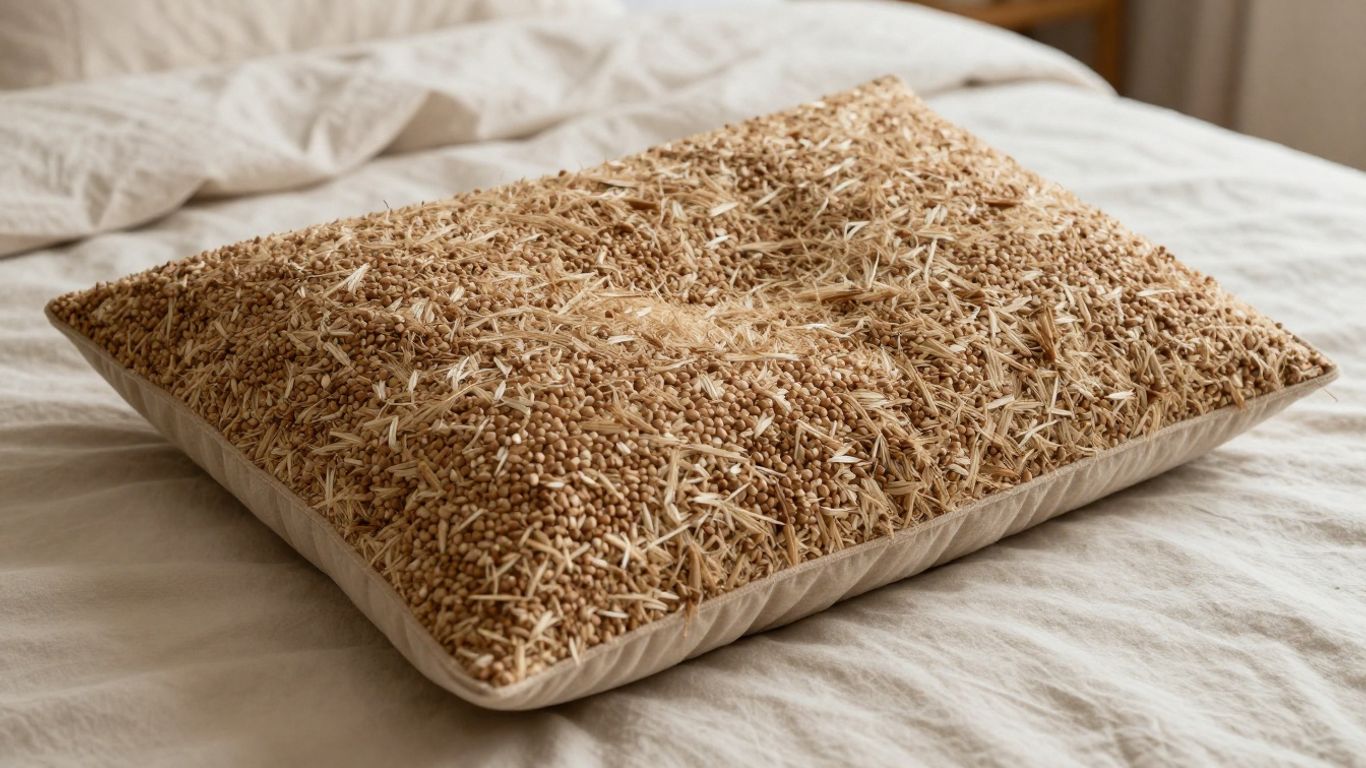
When you’re trying to figure out the best pillow, especially something like a buckwheat pillow that’s a bit different, where do you even start? A lot of people these days turn to online communities, and Reddit is a big one for this kind of thing. People share their honest experiences, the good and the bad, which can be super helpful.
Reddit Threads on Best Pillows for Side Sleepers
If you search Reddit for pillow recommendations, you’ll find tons of threads. People ask about everything from the best pillows for neck pain to specific brands. You’ll see a lot of back-and-forth, with users recommending different fills and firmness levels. It’s a good place to get a feel for what’s popular and what problems people are trying to solve with their pillows.
Some common themes that pop up in these discussions include:
- Loft height: How thick the pillow is, which is really important for side sleepers to keep their head and neck aligned with their spine.
- Firmness: Whether people prefer a soft, medium, or firm pillow. This often depends on body weight and sleeping position.
- Fill material: Discussions about memory foam, down, latex, and, of course, buckwheat.
It’s interesting to see how many people are looking for that perfect balance of support and comfort. The consensus is often that there’s no single ‘best’ pillow, but rather the best pillow for you.
Consumer Reports Recommendations
While Reddit is great for raw user opinions, sometimes you want something a bit more structured. Consumer Reports often does reviews and comparisons of bedding products, including pillows. They usually test for things like durability, support, and how well they hold up over time. Their reports can give you a more objective look at different pillow types and brands, helping you narrow down your choices based on performance data rather than just personal preference. It’s a good way to get a sense of which pillows are generally well-regarded by testers.
Analyzing User Reviews for Unbiased Opinions
When you’re looking at reviews, whether on Reddit or retail sites, it’s smart to read a few different ones. Try to spot patterns. Are multiple people complaining about the same issue? Or are they all raving about a specific feature? It’s also helpful to consider who is writing the review. Someone who sleeps hot might have different priorities than someone who doesn’t.
Reading through user feedback can feel like sifting through a lot of noise, but if you focus on recurring comments about support, comfort, and durability, you can start to piece together a clearer picture of a pillow’s real-world performance. It’s about finding those consistent points that tell a story beyond just a star rating.
Ultimately, these online communities and review sites are fantastic resources for anyone trying to figure out how to pick the right pillow. They offer a glimpse into what real people experience with different products, which can be invaluable when making your own decision.
Pillow Performance and Material Deep Dive
When you’re trying to figure out the best pillow, it really comes down to what it’s made of and how it holds up over time. Different materials offer totally different feels and support levels, which is why looking into them is so important. It’s not just about comfort; it’s about how well the pillow actually works for your sleep needs.
Memory Foam and Microfiber Blends
These blends are super popular because they try to give you the best of both worlds. Memory foam is known for contouring to your head and neck, offering that cradling feeling. Microfiber, on the other hand, adds a bit of softness and fluffiness, preventing the pillow from feeling too dense or stiff. The combination aims for a balance between support and plushness. Many adjustable pillows use this mix, letting you add or remove fill to get the perfect loft and firmness. It’s a pretty versatile option for a lot of people.
Natural Down and Latex Combinations
If you’re leaning towards natural materials, down and latex offer a unique experience. Down provides that classic, cloud-like softness that many people love. It’s light and airy. Latex, however, brings a more responsive and supportive element. It has a bit of bounce and doesn’t compress as much as down, which can be great for maintaining alignment. Pillows that mix these often have a core or layers of latex with a down-filled casing. This setup can offer a luxurious feel while still providing decent support. Some natural down pillows might need regular fluffing to keep their shape, which is something to keep in mind.
Shredded Foam vs. Solid Foam Fill
This is a big one, especially for adjustable pillows. Shredded foam, usually memory foam or latex, is cut into small pieces. This makes the pillow much more adaptable. You can easily squish it around, add more, or take some out to change the height and firmness. It tends to be more breathable than solid foam because air can move through the gaps. Solid foam, on the other hand, is a single block. It offers consistent support and doesn’t require fluffing, but it’s less customizable. If you get a solid foam pillow, you’re pretty much stuck with its loft and firmness unless the brand offers different firmness options. For side sleepers who need a specific height to fill the gap between their head and shoulder, adjustability is often key.
Choosing the right fill material is directly linked to how well a pillow will support your neck and spine. It influences everything from the pillow’s loft and firmness to its breathability and how long it will last. Don’t underestimate the impact of what’s inside your pillow.
Here’s a quick look at how different fills generally perform:
- Memory Foam (Solid): Excellent contouring, good support, can retain heat.
- Memory Foam (Shredded): Highly adjustable, breathable, good contouring.
- Latex (Solid): Responsive, supportive, durable, naturally cooler than memory foam.
- Latex (Shredded): Adjustable, responsive, breathable.
- Down/Feather: Soft, plush, requires frequent fluffing, can flatten.
- Microfiber: Soft, hypoallergenic, can compress over time.
When you’re looking at pillows, especially ones designed for side sleepers, pay attention to the fill. For instance, a pillow with adjustable fill can be a game-changer because you can fine-tune it. If you tend to sleep hot, materials like latex or shredded foam might be better than dense memory foam, and buckwheat pillows are also a great option for temperature regulation compared to memory foam [d93d].
Addressing Specific Sleep Concerns
Sometimes, even with the right pillow, specific issues pop up that need a bit more attention. It’s not always just about general comfort; it’s about solving particular problems that keep you from getting a good night’s sleep. Let’s look at a few common ones.
Pillows for Neck and Shoulder Pain Relief
Neck and shoulder pain can really make you dread going to bed. When you sleep on your side, your head and neck need to be supported so they stay in a straight line with your spine. If your pillow is too flat, your head droops. If it’s too high, your head is pushed up. Both situations strain your neck. For shoulder pain, the pillow needs to be thick and firm enough to fill that gap between your shoulder and head, taking pressure off the joint. Materials like shredded memory foam or latex are often recommended because they can be adjusted or contour to your shape, providing that specific support. Some pillows are even designed with a special curve to cradle your neck. It’s all about finding that sweet spot where your neck and shoulders feel relaxed, not stressed.
- Loft: Look for a pillow with a higher loft, typically 4-6 inches, to keep your head and neck aligned.
- Firmness: A medium-firm to firm pillow is usually best, as it won’t flatten too much under your weight.
- Material: Consider adjustable fill like shredded memory foam or latex, or contouring solid foam.
Finding the right pillow for neck and shoulder pain often comes down to personalized support. What works for one person might not work for another, so don’t be afraid to try different options or look for pillows with adjustable features.
Pillows for Combination Sleepers
Combination sleepers are the folks who toss and turn, switching between back, side, and stomach sleeping throughout the night. This can be tricky for pillow selection because what’s perfect for one position might be all wrong for another. A pillow that’s too high and firm for side sleeping might be okay for back sleeping, but it’s usually a disaster for stomach sleeping. The key here is often adjustability. Pillows where you can add or remove filling allow you to customize the loft and firmness. You might start with a certain amount of fill for side sleeping and then remove some if you find yourself on your back. It’s about finding a pillow that can adapt with you as you move. Some designs with a flatter center and thicker edges can also work, offering support no matter how you land.
Pillows for Reducing Snoring and Improving Digestion
Believe it or not, your pillow can play a role in snoring and even digestion. When you sleep on your back, your tongue can fall back into your throat, narrowing your airway and causing snoring. Sleeping slightly elevated, often on your side, can help keep airways open. Pillows designed to promote side sleeping or to elevate your head and upper body can be beneficial. For digestion, similar principles apply; sleeping on your left side is often recommended, and a supportive pillow can help you maintain that position comfortably throughout the night. Some specialized wedge pillows can help achieve this elevation and side-sleeping posture. The goal is to find a pillow that encourages a sleep position that keeps your airways clear and your body in a more comfortable, aligned state.
- Elevation: Wedge pillows or adjustable pillows can help you sleep at an incline.
- Side Sleeping Support: Pillows that encourage or maintain side sleeping can keep airways open.
- Material Breathability: For any sleep position, a breathable pillow prevents overheating, which can disrupt sleep and worsen snoring.
If you’re struggling with persistent snoring or digestive issues, it might be worth exploring how your pillow choice impacts your sleep posture. Sometimes, a simple adjustment can make a big difference. For those looking for natural materials that resist dust mites and offer a chemical-free sleep environment, buckwheat hulls and shredded natural latex are often suggested for neck pain and allergies.
Evaluating Pillow Value and Longevity
Sleep Trials and Warranty Considerations
When you’re looking at pillows, especially ones that aren’t super cheap, it’s smart to check out what kind of trial period they offer. Think about it – you can’t really know if a pillow is going to work for you until you’ve slept on it for a while, right? Many companies get this and give you a window, often 30 to 100 nights, to try the pillow out at home. If it’s not a good fit, you can usually send it back for a refund. This is a big deal because it takes time to see if a pillow really helps your neck or if it’s just going to cause problems down the road. Warranties are important too. A good warranty, maybe for a year or even longer, shows the company stands behind their product. It means they believe it’s built to last. It’s kind of like buying a good appliance; you want to know if something goes wrong, you’re covered.
Durability of Premium Pillow Materials
So, what makes a pillow last? It really comes down to what it’s stuffed with and how it’s put together. Materials like latex and high-quality shredded memory foam tend to hold up better over time compared to, say, cheap polyester fill. These materials are more resilient, meaning they bounce back after you use them and don’t flatten out as quickly. For example, a pillow with a solid block of latex might keep its shape for years, while a pillow with loose fiberfill might start to clump up after just a few months. Even the cover matters – a strong, well-stitched cover will prevent the fill from escaping and protect the pillow from wear and tear. Investing in a pillow made from durable materials can save you money in the long run because you won’t have to replace it as often.
Price Points and Budget-Friendly Options
Let’s be real, pillow prices can range wildly. You can find basic pillows for under $20, and then there are luxury options that cost $150 or more. It’s easy to get sticker shock, but sometimes, spending a bit more upfront can pay off. A pricier pillow might use better materials that last longer and offer superior support, meaning you might not need to buy a new one every year. However, that doesn’t mean budget options are always bad. Sometimes, you can find really good value, especially if you catch a sale or if a brand offers a great trial period. For instance, some brands offer a two-pack of pillows that are quite affordable and still provide decent comfort for a lot of people. It really depends on what you’re looking for and how much you’re willing to spend to get a good night’s sleep. It’s worth checking out reviews for budget-friendly picks to see if they hold up.
| Pillow Type | Typical Price Range | Expected Lifespan | Key Features to Consider |
|---|---|---|---|
| Basic Fiberfill | $15 – $30 | 6 months – 1 year | Softness, Hypoallergenic |
| Memory Foam (Solid) | $50 – $100 | 2 – 5 years | Firmness, Cooling |
| Latex | $80 – $150+ | 5+ years | Durability, Breathability |
| Adjustable Fill | $60 – $120 | 2 – 4 years | Customization, Loft |
Advanced Pillow Technologies
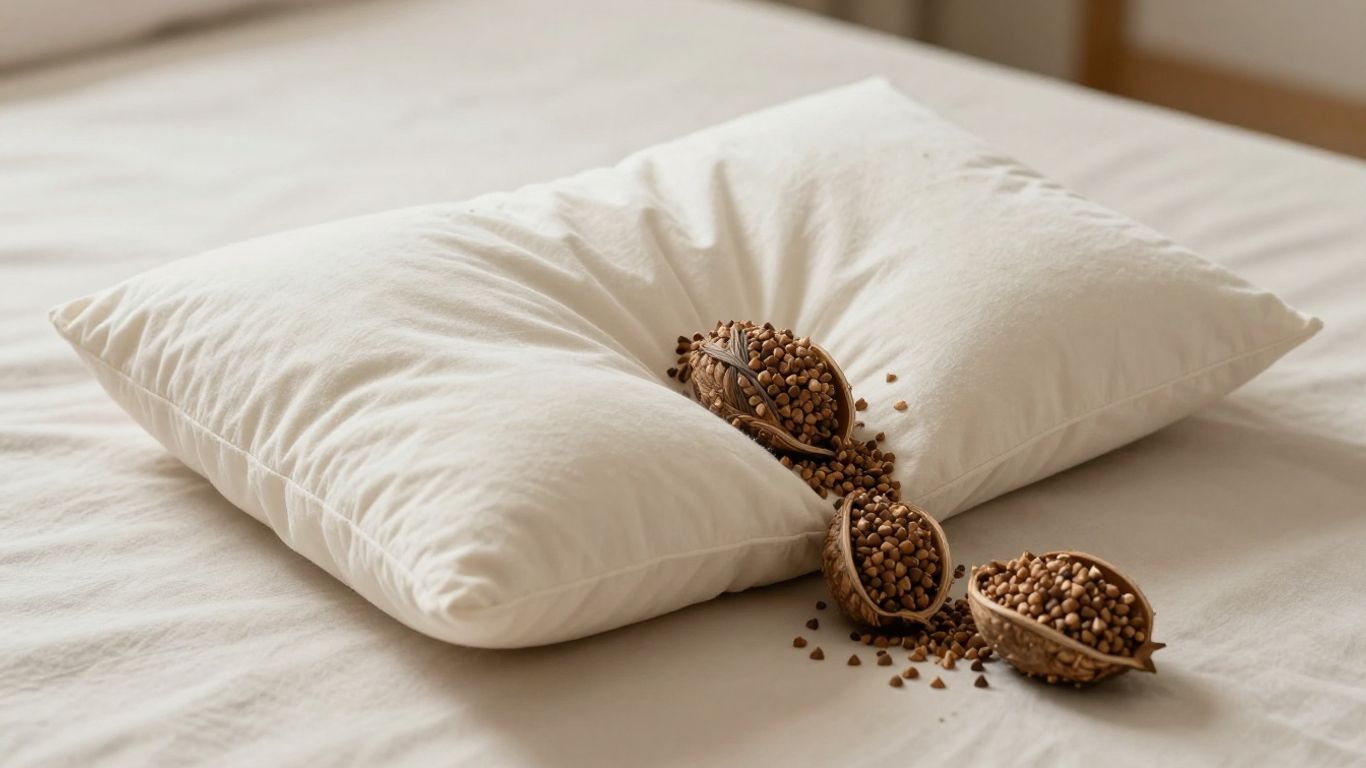
Purple Harmony Pillow’s Gel-Flex Grid
The Purple Harmony Pillow really tries to do things differently. Instead of just stuffing it with foam or feathers, it uses this special Gel-Flex Grid. Think of it like a honeycomb, but made of a squishy, responsive gel material. This grid is designed to cradle your head and neck, giving you support right where you need it without feeling too hard. It’s also open, which helps air move through, so it shouldn’t get too hot. This open design is a big deal for keeping cool. It’s not exactly a budget option, but if you’ve tried everything else for neck pain, it might be worth a look. Just remember, it’s not machine washable, so you’ll need to spot clean it.
Casper Hybrid Pillow’s Snow Technology
Casper’s Snow Technology is all about staying cool. If you tend to overheat at night, this pillow is built to combat that. It uses a combination of materials and a special cooling layer that’s supposed to keep the surface temperature down. Our testers found it stayed cool all night, which is pretty impressive. It also offers good support for your head and neck, helping to prevent those morning aches. The main thing to note is that it only comes in one height, so it might not be perfect for everyone, especially if you’re a back or stomach sleeper who needs a lower profile. It does come with a 30-night trial, though, so you can test it out.
Saatva Latex Pillow’s Cooling Properties
Saatva’s Latex Pillow uses natural latex, which is known for being breathable. Unlike some memory foams that can trap heat, latex has a more open structure that allows air to circulate. This pillow also has a cover made from organic cotton, which adds to the cooling effect. It’s designed to be supportive, keeping your head and neck aligned. While it’s not adjustable like some other pillows, the natural bounce of the latex provides a good balance of comfort and support. It’s a solid choice if you’re looking for something that feels natural and sleeps cool without relying on fancy tech.
The Search for the Ideal Buckwheat Pillow
Buckwheat Pillow Reddit Discussions
When you start looking into buckwheat pillows, especially if you’re coming from the world of memory foam or down, Reddit can feel like a whole new universe. People on there are often super passionate about their sleep setups, and buckwheat pillows definitely spark some lively conversations. You’ll find threads where folks are asking for recommendations, sharing their initial impressions, and sometimes even debating the merits of different buckwheat pillow brands. It’s a good place to get a feel for what real users are experiencing, the good and the not-so-good. Many users report that the initial adjustment period is key to loving a buckwheat pillow.
User Experiences with Natural Fill
Buckwheat pillows use the hulls of buckwheat groats as their filling. This natural material is known for being breathable and firm. Unlike softer pillows that might let your head sink too much, buckwheat hulls offer solid support. This can be a game-changer for people who struggle with neck pain or find their head shifting around too much during the night. Some users love the distinct rustling sound the hulls make when you move, finding it almost soothing, while others find it a bit distracting at first. It really comes down to personal preference and how sensitive you are to noise.
Here’s a quick look at what people often mention:
- Support: Generally very firm and supportive, great for spinal alignment.
- Breathability: The hulls allow air to circulate, keeping the pillow cooler.
- Adjustability: You can add or remove hulls to customize the loft and firmness.
- Durability: Hulls tend to last a long time without losing their shape.
Comparing Buckwheat to Other Pillow Types
So, how does a buckwheat pillow stack up against the more common options? Well, if you’re used to a plush, sinking-in feeling, buckwheat will be a big change. It’s more like resting your head on a firm, yet yielding, surface. Compared to memory foam, it doesn’t have that ‘hug’ or contouring effect, but it also doesn’t trap heat as much. Down pillows are soft and moldable, but often lack the consistent support that buckwheat provides, especially for side sleepers who need that specific height.
The firmness of buckwheat pillows is a double-edged sword. For some, it’s the key to perfect spinal alignment and pain relief. For others, it takes some getting used to, and they might prefer a softer option initially. It’s really about finding what works for your body and your sleep habits.
When considering a new pillow, think about what you need most: plush comfort, contouring support, or firm, breathable alignment. Buckwheat offers a unique blend, leaning heavily towards the latter. If you’re looking for a pillow that won’t go flat and offers a very stable base for your head and neck, it’s definitely worth exploring. For those seeking that hotel-like softness, you might want to check out options like the Beckham Hotel Collection pillows which offer a different kind of comfort.
Wrapping It Up
So, after digging through what folks are saying online, it’s pretty clear that finding the right pillow, especially for side sleepers, is a big deal for a lot of people. Reddit threads and reviews show that things like adjustable fill, the right height, and how cool the pillow stays are super important. It seems like there’s no single magic pillow for everyone, but options that let you customize the firmness and loft, like some memory foam or shredded fill types, get a lot of love. Ultimately, it’s about matching what works for your body and your sleep style to get that comfortable, pain-free rest. Don’t be afraid to try a few out – your neck and shoulders will thank you.
Frequently Asked Questions
Why do side sleepers need different pillows?
When you sleep on your side, your shoulder is between your head and the mattress. This means you need a thicker, firmer pillow to fill that space and keep your head and neck in a straight line with your spine. If the pillow is too flat or too soft, your head will droop, causing neck pain. A pillow that’s too high will push your head up, also causing discomfort.
What is ‘loft’ when talking about pillows?
‘Loft’ is just a fancy word for how tall or thick a pillow is. For side sleepers, a higher loft is usually better because it helps support your head and neck properly, preventing them from sinking too low. The right loft depends on how broad your shoulders are and how firm your mattress is.
How do I know if my pillow is the right firmness?
A good pillow for side sleeping should feel firm enough to support your head and neck without squishing completely flat. Imagine your head and neck forming a straight line from your shoulders. If your pillow lets your head sink too much, it’s too soft. If it feels like it’s pushing your head up too high, it might be too firm or too tall.
What kind of stuffing is best for side sleeper pillows?
Many side sleepers like pillows with shredded foam because you can add or remove stuffing to get the perfect height and firmness. Other good options include memory foam or latex, which offer great support. Some pillows mix materials like foam and microfiber for a balance of softness and support.
Can a pillow help with neck and shoulder pain?
Yes, definitely! The right pillow can make a big difference. By keeping your spine aligned and supporting your neck and shoulders, it reduces pressure and strain. Look for pillows specifically designed for side sleepers, often with a curved shape or adjustable fill, to help ease pain.
What are ‘adjustable’ pillows?
Adjustable pillows let you change how much stuffing is inside. You can easily add more stuffing if you need a taller pillow or take some out if you prefer it flatter. This is great because you can fine-tune the pillow to exactly how you like it for the best comfort and support.
Are buckwheat pillows good for side sleepers?
Buckwheat pillows can be a good option for side sleepers because they are firm and don’t compress much, offering solid support. The hulls can be adjusted to change the loft. However, some people find them a bit too firm or noisy. They are a natural and breathable choice, though.
How long should a good pillow last?
The lifespan of a pillow depends on the materials and how well it’s made. Cheaper pillows might only last a year or two. Higher-quality pillows made with durable materials like memory foam or latex, especially those with good warranties, can last anywhere from 3 to 5 years or even longer if cared for properly.