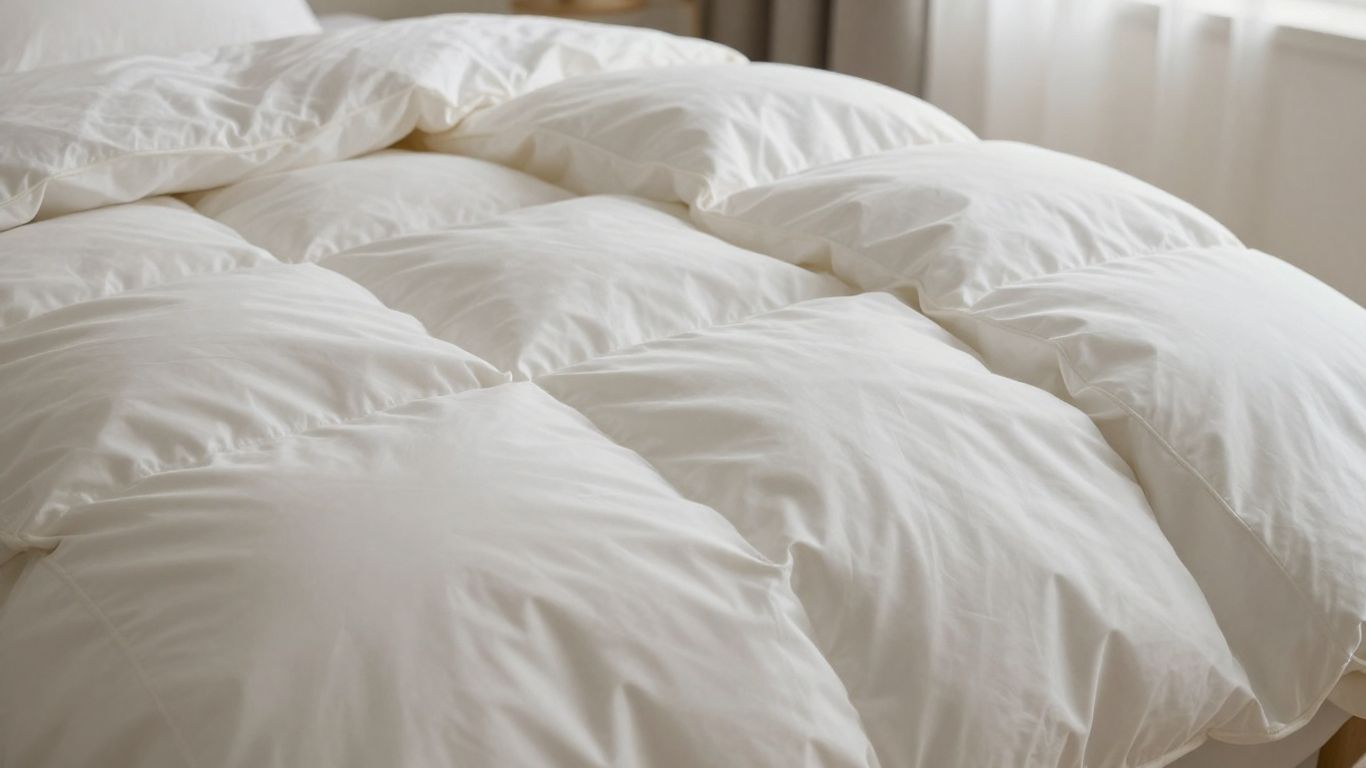
Thinking about getting a new down comforter? They feel amazing, right? Super soft and warm. But then you see all these numbers, like ‘fill power,’ and it gets confusing fast. What does it all mean for how cozy you’ll be? This guide breaks down down comforter fill power so you can pick the best one for your bed. We’ll cover what those numbers mean, how they affect warmth, and how to choose the right one without getting lost in the details.
Key Takeaways
- Down comforter fill power measures how much space one ounce of down takes up, showing its quality and loft.
- Higher fill power means better insulation, trapping more air for warmth without adding much weight.
- Fill power ratings generally range from lower numbers (good for mild climates) to higher numbers (ideal for colder weather).
- Choosing the right down comforter fill power depends on your climate, how warm you like to sleep, and your budget.
- Beyond fill power, consider thread count and fill weight for overall comforter quality and comfort.
Understanding Down Comforter Fill Power
When you’re shopping for a down comforter, you’ll see a number followed by "fill power." It sounds a bit technical, but it’s actually pretty straightforward once you get the hang of it. This number is your best clue to the quality and loft of the down inside. Think of it as a rating for how fluffy and insulating the down is.
What Does Fill Power Measure?
So, what exactly is this fill power number telling you? Basically, it measures how much space one ounce of down takes up. The higher the number, the more volume that ounce of down occupies. For example, one ounce of 600 fill power down might fill 600 cubic inches, while one ounce of 800 fill power down will fill 800 cubic inches. This measurement is directly related to the size of the down clusters. Bigger clusters mean more air trapped, which leads to better insulation and a fluffier feel.
The Science Behind Superior Loft
Why do bigger down clusters trap more air? It comes down to their structure. Down comes from the soft undercoating of ducks or geese. The larger clusters, which come from more mature birds, have more complex, branched structures. These structures create tiny pockets that hold air. More air pockets mean better insulation, keeping you warmer with less weight. It’s like having more tiny, natural air conditioners working to keep you cozy.
Fill Power: A Universal Indicator of Quality
Fill power isn’t just a random number; it’s a standardized way to gauge the quality of down. A higher fill power rating generally means you’re getting better quality down. This isn’t about firmness, though. A high fill power comforter won’t feel stiff; instead, it will feel incredibly light and lofty. This quality also means the down will last longer, retaining its fluffiness and insulating ability for years to come. It’s a good indicator of how well the comforter will perform over time, making it a key factor when comparing different options for down comforters.
Here’s a general breakdown of what different fill power ranges suggest:
- Below 500: Basic fill power, often found in entry-level comforters. It provides some warmth but won’t be as lofty or insulating.
- 500-650: A good mid-range option, offering a decent balance of warmth and loft for everyday use.
- 650-800: High-quality down, providing excellent warmth, superior loft, and a lighter feel.
- 800+: Premium, top-tier down. These comforters are exceptionally light, incredibly warm, and boast maximum loft.
Remember, fill power is about volume and insulation, not density or firmness. A higher fill power doesn’t mean a heavier or stiffer comforter; quite the opposite, in fact. It means more air is trapped, leading to a lighter, fluffier, and warmer product.
The Significance of Fill Power in Down Comforters
So, you’ve seen the term ‘fill power’ thrown around when shopping for a down comforter, but what’s the big deal? It’s not just some fancy marketing term; it actually tells you a lot about the quality and performance of the down inside your comforter. Think of it as a rating for how well the down can do its job.
Warmth-to-Weight Ratio Explained
This is where fill power really shines. Higher fill power means the down clusters are larger and can trap more air. More trapped air means better insulation without adding a lot of extra weight. So, a comforter with a high fill power rating can keep you toasty warm without feeling like you’re wrestling a bear.
- Higher fill power = more air trapped per ounce.
- More trapped air = better insulation.
- Better insulation = warmer comforter with less weight.
This is why a 700 fill power comforter might feel lighter but be just as warm, if not warmer, than a 500 fill power one that’s packed with more down. It’s all about efficiency.
Impact on Loft and Fluffiness
Ever seen those pictures of comforters that look like giant, fluffy clouds? That’s loft, and fill power is a major contributor. Down with a higher fill power rating naturally has more loft. This means it puffs up more, creating those inviting, billowy blankets that just beg you to snuggle in. It’s not just about looks, though; that extra loft creates more air pockets, which, as we’ve discussed, means better warmth.
The fluffier a comforter looks, the more air it’s likely trapping. This loft is directly related to the quality of the down, which is measured by its fill power. So, that cloud-like appearance isn’t just for show; it’s a sign of superior insulation.
Longevity and Resilience of Down
When you invest in a good down comforter, you want it to last. Fill power plays a role here too. Down with higher fill power ratings generally comes from more mature birds, and these larger down clusters are more resilient. They can withstand compression better and bounce back to their original loft more effectively over time. This means your comforter will maintain its fluffiness and insulating ability for longer. While fill power isn’t a direct measure of firmness, a higher fill power down will generally last longer and retain its loft better than lower fill power down [76bb]. This makes it a worthwhile consideration for durability.
Decoding Fill Power Ratings
So, you’ve seen numbers like 600, 700, or even 800 on down comforter tags and wondered what they actually mean. That number is the fill power, and it’s basically a way to measure how much space one ounce of down takes up. Think of it like this: a higher fill power means the down is fluffier and can trap more air. This is a pretty big deal for your comforter because more trapped air means better insulation.
Lower Fill Power Ranges
Comforters with fill power ratings between 300 and 500 are generally considered to be of commercial quality. You’ll often find this type of down used in things like furniture stuffing or children’s toys. While it provides some insulation, it won’t offer the same level of loft or warmth as higher fill power down. It’s usually made from smaller down clusters, often from younger birds, and doesn’t trap air as efficiently.
Mid-Range Fill Power Benefits
When you start looking at fill power ratings from 500 up to about 700, you’re getting into what’s considered good quality down. This is a common range for many comforters and sleeping bags. Down in this range is made from larger clusters than the commercial grade, meaning it has better loft and traps more air. This range often hits a sweet spot for many people, offering a good balance between warmth, weight, and cost. It’s a solid choice for general use and cooler climates.
High Fill Power Excellence
Anything above 700 fill power is considered premium, and numbers like 800, 850, or even higher are top-tier. This down comes from mature birds and consists of very large clusters. Because these clusters are so big and fluffy, they trap a lot of air, making the comforter incredibly warm for its weight. You’ll notice that comforters with high fill power feel lighter but are still very warm. This is the kind of down you’ll find in luxury bedding and high-performance outdoor gear. While it costs more, you’re getting superior loft, better insulation, and a product that tends to last longer.
Here’s a quick look at how fill power relates to loft:
| Fill Power | Cubic Inches per Ounce (Approx.) |
|---|---|
| 500 | 500 |
| 650 | 650 |
| 750 | 750 |
| 850 | 850 |
It’s important to remember that fill power measures the quality and loft of the down, not how firm the comforter is. A higher fill power doesn’t mean a comforter will feel stiffer. Instead, it means the down itself is of higher quality and can trap more air, leading to better insulation and a lighter feel for the warmth provided. The actual firmness of a comforter is more about how much down is used (fill weight) rather than just its fill power rating. For example, a 650 fill power comforter with a lot of down can feel just as plush, if not more so, than an 850 fill power comforter with less down. You can find more details on fill power and its impact on insulation.
When you’re looking at down products, understanding these fill power ratings helps you make a more informed choice. It’s not just about getting a warm comforter; it’s about getting the best quality and performance for your money. Higher fill power down, while more expensive, generally offers better insulation and a more luxurious feel because it’s made from larger, more mature down clusters. This means less down is needed to achieve the same level of warmth compared to lower fill power options, making the final product lighter and more breathable. You can compare different fill power ratings to see how they stack up.
How Fill Power Affects Your Comfort
So, you’ve heard about fill power, but how does it actually make a difference when you’re trying to get some sleep? It’s not just about numbers; it’s about how that down actually feels and performs.
Trapping Body Heat Effectively
Think of down clusters like tiny, fluffy air pockets. The higher the fill power, the bigger and more efficient these clusters are at trapping air. More trapped air means more insulation, and that’s what keeps you warm. A higher fill power comforter is better at creating a cozy barrier against the cold. It’s like having a personal microclimate that keeps your body heat right where you want it, without feeling stuffy.
Breathability and Moisture Management
Even though high fill power down is great at trapping heat, it doesn’t mean you’ll overheat or feel clammy. Down is naturally breathable. This means it allows moisture vapor (like sweat) to escape, which helps regulate your temperature. So, you stay warm but also comfortable, not damp. It’s a balance that makes a big difference in sleep quality. This ability to manage moisture is a key reason why down is so popular for bedding.
The Feeling of Sleeping Under a Cloud
When you have a comforter with good fill power, you notice the loft. It’s that wonderful, billowy puffiness that makes you feel like you’re snuggled under a cloud. This loft isn’t just for looks; it’s a direct result of the down’s ability to expand and fill space. A higher fill power means the down can expand more, creating that luxurious, soft, and enveloping feeling. It’s the difference between a flat, heavy blanket and a light, airy comforter that seems to float on top of you. You can find comforters with various fill power ratings to suit your desired level of cloud-like comfort.
Choosing the Right Fill Power for Your Needs
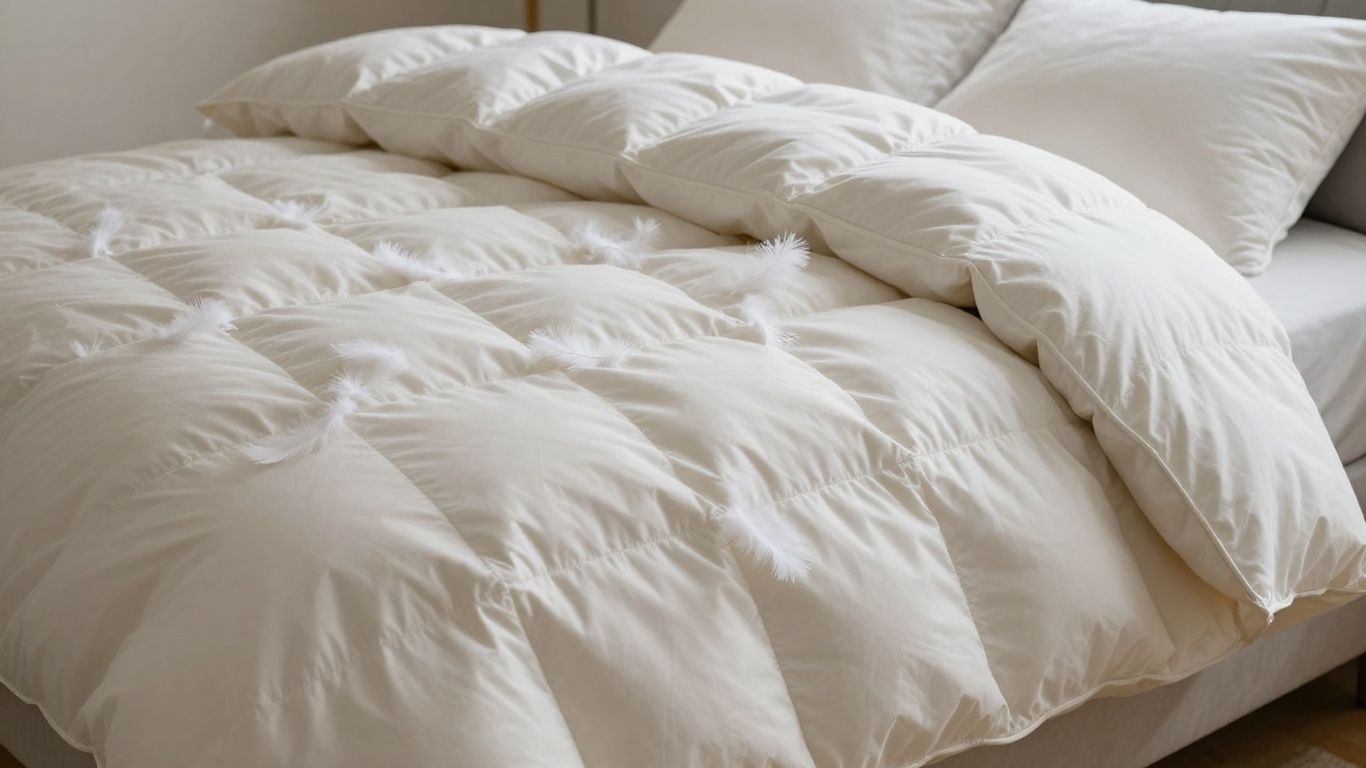
So, you’re ready to pick out a down comforter, and you’ve learned all about fill power. That’s great! But now comes the big question: what number is right for you? It’s not a one-size-fits-all situation, and figuring out the best fill power really comes down to a few personal factors. Think of it like choosing the right jacket – you wouldn’t wear a heavy parka in the summer, right? The same logic applies to your comforter.
Considering Your Climate and Season
This is probably the most straightforward factor. If you live somewhere that gets seriously cold, or you’re looking for a comforter specifically for winter, you’ll want to aim for a higher fill power. We’re talking 700 and up. Why? Because higher fill power means the down traps more air, and more trapped air equals better insulation. It’s that simple. A comforter with a higher fill power will keep you toasty warm without feeling heavy or bulky. On the flip side, if you’re in a warmer climate or need something for the spring and fall, a lower to mid-range fill power might be perfectly fine. You still get the benefits of down, like breathability, but without overheating.
Here’s a general idea:
- Cold Climates/Winter: 700+ fill power
- Moderate Climates/Year-Round: 600-700 fill power
- Warm Climates/Summer: 500-600 fill power (though many prefer a lighter synthetic or a very light down comforter in these cases)
Personal Warmth Preferences
Beyond the weather outside, there’s the temperature inside your bedroom and, well, you. Some people naturally run colder than others. If you’re always the one with chilly feet, even in July, you might want to lean towards a higher fill power, even if you live in a milder climate. Conversely, if you tend to overheat at night, a lower fill power comforter will still provide that lovely down comfort without making you sweat. It’s about finding that sweet spot where you feel perfectly cozy, not too hot and not too cold. Don’t be afraid to go a little higher on the fill power if you know you tend to feel the chill; it’s better to have a bit more warmth you can manage than not enough.
Remember, fill power is about the quality and loft of the down, not necessarily the weight. Higher fill power down is lighter for the same amount of warmth compared to lower fill power down. This means a 700 fill power comforter might feel lighter than a 600 fill power comforter with the same warmth.
Balancing Quality, Comfort, and Budget
Let’s be real, price is a factor for most of us. Generally, as fill power goes up, so does the price. This is because higher fill power down comes from older, larger birds, and those larger down clusters are rarer and more desirable. So, you’re paying for that superior quality, loft, and longevity. If you’re on a tighter budget, a comforter in the 600-650 fill power range can still offer a wonderful down experience. It might not have the extreme loft or the ultra-light feel of a 900 fill power comforter, but it will still be warm, breathable, and a significant upgrade from synthetics. For those looking for the ultimate luxury and willing to invest, the higher fill powers (800+) are where you’ll find that cloud-like, incredibly warm yet surprisingly light feel. It’s about deciding what’s most important to you – getting the absolute best quality available, finding a good balance for everyday use, or sticking to a more budget-friendly option. You can find great down comforter options at various fill powers to suit your needs and wallet.
Beyond Fill Power: Other Comforter Considerations
While fill power is a big deal when it comes to down comforters, it’s not the only thing you should be looking at. Think of it like buying a car – engine power is important, but you also need to consider the tires, the seats, and how it handles on the road, right? The same goes for your comforter.
The Importance of Thread Count
So, what’s the deal with thread count? It’s basically how many threads are woven into one square inch of the fabric that makes up your comforter’s shell. A higher thread count generally means a tighter weave, which feels smoother and is more durable. This tight weave is also pretty good at keeping the down inside where it belongs, stopping those little feathers from escaping and poking you.
Here’s a quick rundown:
- Lower Thread Counts (e.g., 200-300): These are okay, but you might notice a bit more down leakage over time. They’re usually more breathable, though.
- Mid-Range Thread Counts (e.g., 300-400): This is often the sweet spot. You get a good balance of softness, durability, and down containment.
- High Thread Counts (e.g., 400+): These feel super luxurious and are very durable. They’re excellent at preventing any down escape, making them a great choice for long-term use.
Preventing Down Leakage
This ties right into thread count, but it’s worth talking about separately. Nobody likes waking up covered in tiny feathers! A good comforter is built to keep its fill inside. This involves not just the thread count but also how the seams are sewn. Double-stitching or reinforced seams can make a big difference in keeping everything contained. If you’re looking for a comforter that will last and stay fluffy, pay attention to how well it’s constructed to prevent leaks. It’s one of those things that seems minor until it becomes a problem.
The shell material and its construction are just as important as the down fill itself. A comforter with amazing fill power but a flimsy shell won’t perform well in the long run. Look for tightly woven fabrics and solid stitching to ensure your investment stays put.
Understanding Fill Weight
Fill power tells you about the quality and loft of the down, but fill weight tells you how much down is actually in the comforter. You can have a comforter with a high fill power (meaning the down is excellent quality), but if it doesn’t have enough of it (low fill weight), it might not be as warm as you’d expect. Conversely, a comforter with a slightly lower fill power but a lot of it (high fill weight) could still be very warm. It’s all about finding that right balance for your needs. For instance, a summer comforter might have a high fill power but a lower fill weight, while a winter comforter might have both high fill power and a substantial fill weight for maximum warmth. When you’re shopping, you’ll often see both numbers listed, and understanding both helps you make a truly informed choice about your bedding comfort and durability.
Maintaining Your Down Comforter’s Performance
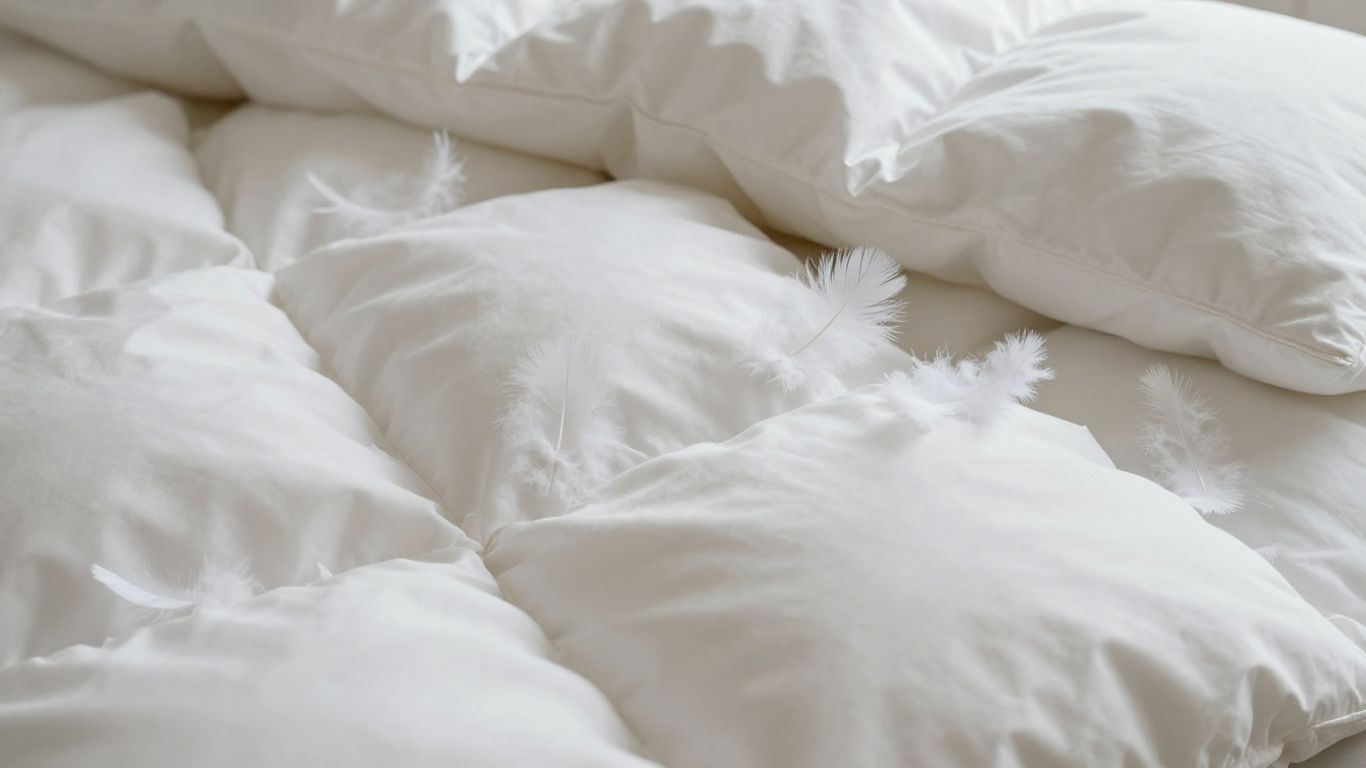
So, you’ve got this amazing down comforter, right? It’s like sleeping under a cloud, super warm and cozy. But to keep it that way, you can’t just toss it in the wash whenever and forget about it. Taking care of it is key to making sure it stays fluffy and warm for years. It’s not super complicated, honestly.
Regular Airing and Shaking
First off, give your comforter a good shake every now and then. Think of it like waking it up. This helps redistribute the down filling, stopping it from getting all clumpy in one spot. It also lets trapped moisture escape. If you can, hang it outside on a dry, breezy day for a few hours. Just make sure it’s not direct, harsh sunlight, which can damage the down over time. This airing out process really helps keep it fresh without needing a full wash.
The Role of a Duvet Cover
This is a big one, and honestly, it’s a game-changer. Using a duvet cover is like giving your comforter its own protective suit. It shields it from body oils, sweat, and accidental spills. This means you won’t have to wash the comforter itself nearly as often. Think about it: washing a duvet cover is way easier than washing the whole comforter. Plus, you can swap out duvet covers to change your bedroom’s look without buying a whole new comforter. It’s a smart move for both cleanliness and style. You can find all sorts of duvet covers to match any decor.
Professional Cleaning and Storage
When it’s time for a proper wash, check the care label first. Some down comforters can go in a large-capacity washing machine on a gentle cycle with a mild detergent. But honestly, for really good cleaning and to avoid any damage, taking it to a professional cleaner who specializes in down is often the best bet. They know how to handle it right.
When you’re not using your comforter, especially if it’s for the off-season, don’t just shove it in a plastic bin. It needs to breathe! Store it in a large, breathable fabric bag or a cotton sheet. Keep it somewhere cool and dry, away from direct sunlight and humidity. Cramming it into a small space can flatten the down, and nobody wants a flat comforter.
For drying after washing, if you’re doing it yourself, use a large-capacity dryer on a low heat setting. Toss in a few clean tennis balls or wool dryer balls. They bounce around and help break up any clumps of down, keeping it fluffy. This step is super important for restoring that lovely loft. You can find more detailed washing instructions here.
Common Misconceptions About Fill Power
Higher Fill Power Means More Firmness?
This is a really common mix-up. People often think that a higher fill power number means a comforter will feel firmer or more solid. But that’s not quite right. Fill power actually measures how much space one ounce of down takes up, or its loft. Think of it like this: higher fill power down has bigger clusters and traps more air, making it fluffier and lighter for its volume. It doesn’t make the comforter itself feel stiffer. The firmness you feel is usually more about how the comforter is constructed and how much down is packed inside, not just the quality of the down itself.
Higher Fill Power Equals Greater Weight?
Another idea that gets tossed around is that more fill power automatically means a heavier comforter. Surprise! It’s usually the opposite. Down with a higher fill power is generally lighter for the same amount of volume. Because those bigger down clusters trap more air, you need less of them to achieve the same level of warmth and loft compared to down with a lower fill power. So, a super lofty, high fill power comforter might actually feel lighter than a denser, lower fill power one that has more ounces packed in.
Higher Fill Power Necessitates More Fill Weight?
This one ties into the last point. You might assume that to get that impressive loft associated with high fill power, you’d need a ton of down. But again, it’s not that simple. While fill weight (the actual amount of down in ounces) is important for warmth and loft, higher fill power down is more efficient. It means you can use less fill weight to get a comparable or even better level of insulation and fluffiness. So, a comforter with 800 fill power might use less down by weight than a 600 fill power comforter and still be warmer and loftier. It’s all about the quality and efficiency of the down clusters.
Remember, fill power is a measure of the down’s quality and its ability to loft, not a direct indicator of how firm or heavy your comforter will be. It’s about how much air the down can trap, which leads to better insulation and a lighter feel for the warmth provided.
Here’s a quick rundown:
- Loft & Volume: Higher fill power means more space occupied by the same amount of down.
- Insulation: More trapped air from higher fill power leads to better warmth.
- Weight: Higher fill power down is often lighter for the same volume.
- Firmness: This is mostly determined by construction and fill weight, not fill power alone.
Understanding these distinctions helps you pick the right comforter for your sleep needs, focusing on what truly matters for comfort and warmth. For more on how down is measured, you can look into down fill power.
Wrapping Up Your Down Comforter Choice
So, we’ve talked a lot about fill power, and hopefully, it makes a bit more sense now. It’s basically a way to tell how good the down is, and how much warmth it can pack in without feeling heavy. Remember, higher numbers usually mean fluffier, warmer, and lighter down. It’s not just about the number though; think about where you live and how warm you like to sleep. Whether you go for a moderate fill power or the super-fluffy stuff, picking the right down comforter is all about finding what feels best for you. Sweet dreams!
Frequently Asked Questions
What does ‘fill power’ actually mean for my comforter?
Fill power is like a score that tells you how good the down is. It measures how much space one ounce of down takes up. A higher number means the down is fluffier and traps more air, making your comforter warmer and lighter.
Does a higher fill power mean my comforter will be heavier?
Nope, it’s the opposite! Higher fill power down is actually lighter. Because it’s fluffier and traps more air, you need less of it to get the same amount of warmth as a heavier, lower fill power down.
Is a higher fill power always better?
Not necessarily. A higher fill power means better quality down that’s warmer and lighter. But, what’s ‘best’ depends on you! If you live somewhere cold, a high fill power is great. If you tend to get hot at night or live in a warmer place, a medium fill power might be perfect.
What’s a good fill power range for most people?
For a good balance of warmth and comfort, a fill power between 600 and 800 is usually a great choice. Anything above 800 is super luxurious and extra warm, while below 600 might be better for milder weather or for people who don’t get cold easily.
How does fill power affect how fluffy my comforter looks?
Fill power directly affects how ‘puffy’ or ‘lofty’ your comforter looks and feels. Higher fill power down creates more air pockets, making the comforter expand more and giving it that luxurious, cloud-like fluffiness.
Can fill power tell me how long my comforter will last?
Yes, generally speaking! Higher quality down with a higher fill power tends to be more resilient. This means it bounces back better after being squeezed and can keep its fluffiness and warmth for a longer time.
Does fill power have anything to do with the fabric of the comforter?
Fill power is all about the down itself, not the fabric. However, the fabric’s ‘thread count’ (how many threads are in the fabric) is also important. A higher thread count can help keep the down from poking through the fabric and makes it feel softer.
How do I know which fill power is right for me?
Think about where you live and how warm you like to sleep. If you’re in a cold place or love feeling toasty, aim for a higher fill power (700+). If you live somewhere milder or tend to overheat, a lower or mid-range fill power (like 500-650) might be more comfortable for you.