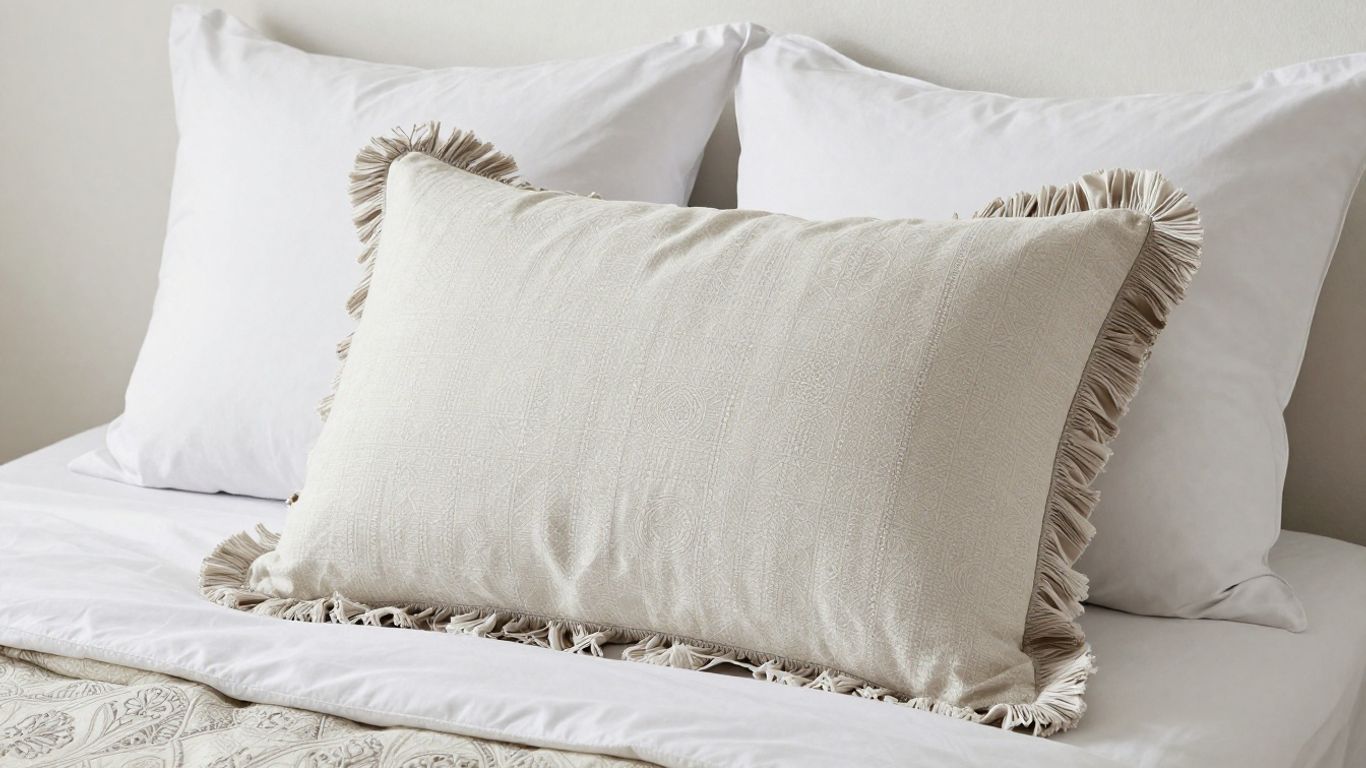
So, you’re looking at your comforter set and wondering about those extra pillows with the fancy covers? You might be asking yourself, what exactly is a sham in a comforter set? It’s a common question, and honestly, it’s easy to get confused with all the different bedding terms out there. But don’t worry, we’re going to break it down. Think of a sham as the stylish outfit for your pillows, making your bed look put-together and inviting.
Key Takeaways
- A sham is essentially a decorative pillowcase, often matching your comforter or duvet cover, designed to make your bed look nice.
- Unlike a regular pillowcase that protects the pillow you sleep on, shams cover decorative pillows that are usually removed for sleeping.
- Shams come in different sizes like Standard (for rectangular pillows), Boudoir (for small rectangular pillows), and European (for square pillows).
- The main difference between a sham and a pillowcase lies in their purpose: shams are for looks, while pillowcases are for comfort and protection during sleep.
- Shams usually have a hidden closure at the back, like an envelope, zipper, or buttons, to keep the pillow insert hidden and create a clean appearance.
Understanding What Is a Sham
So, you’re looking at a comforter set, and you see these extra pillow covers that aren’t quite like your regular pillowcases. Those, my friend, are likely pillow shams. Think of them as the stylish outfit for your pillows, meant to make your bed look put-together and inviting. The main job of a sham is to add a decorative flair to your bedding arrangement. They’re not usually the pillows you’ll be resting your head on all night, but rather part of the overall aesthetic of your bedroom.
The Decorative Purpose of a Sham
When you walk into a hotel room or a beautifully styled bedroom, you often see pillows arranged neatly at the head of the bed. Many of these are covered in shams. They’re designed to match or complement your duvet cover or comforter, creating a cohesive look. They add color, texture, and a sense of completeness to your bed. It’s like the finishing touch that makes everything look intentional and polished.
Historical Origins of Pillow Shams
The idea of a "sham" actually goes back a long way, to the 18th century. The word itself comes from the idea of a "false front" or a "trick." Back then, people would use specially made pillow covers that looked nice but were removable. This way, they could protect their everyday pillows while still having a decorative display on their beds. It was a way to keep things looking fancy without constantly having to wash or worry about the pillows you actually slept on.
Sham vs. Pillowcase: A Key Distinction
This is where it can get a little confusing, but it’s pretty simple once you get it. Your regular pillowcase is designed to protect the pillow you sleep on and to be comfortable against your face all night. It’s functional. A sham, on the other hand, is primarily for looks. It usually has a different closure system, often an envelope closure in the back, to keep the pillow insert hidden. While you could technically sleep on a sham, it’s not really what they’re made for. They’re more for making the bed look good during the day. If you’re looking for a really comfortable pillow insert, you might consider something like a down comforter duvet insert for your sleeping pillow.
Here’s a quick rundown:
- Pillowcase: Protects your sleeping pillow, focuses on comfort, usually opens at one end.
- Sham: Decorative, often matches duvet cover, usually has an envelope closure in the back, meant for display.
It’s important to remember that shams are typically sold without the pillow insert inside. You’ll need to purchase those separately, making sure to get the right size to fit your shams snugly. This allows you to choose pillows that give your shams that nice, full look.
The Role of Shams in Bedding Sets
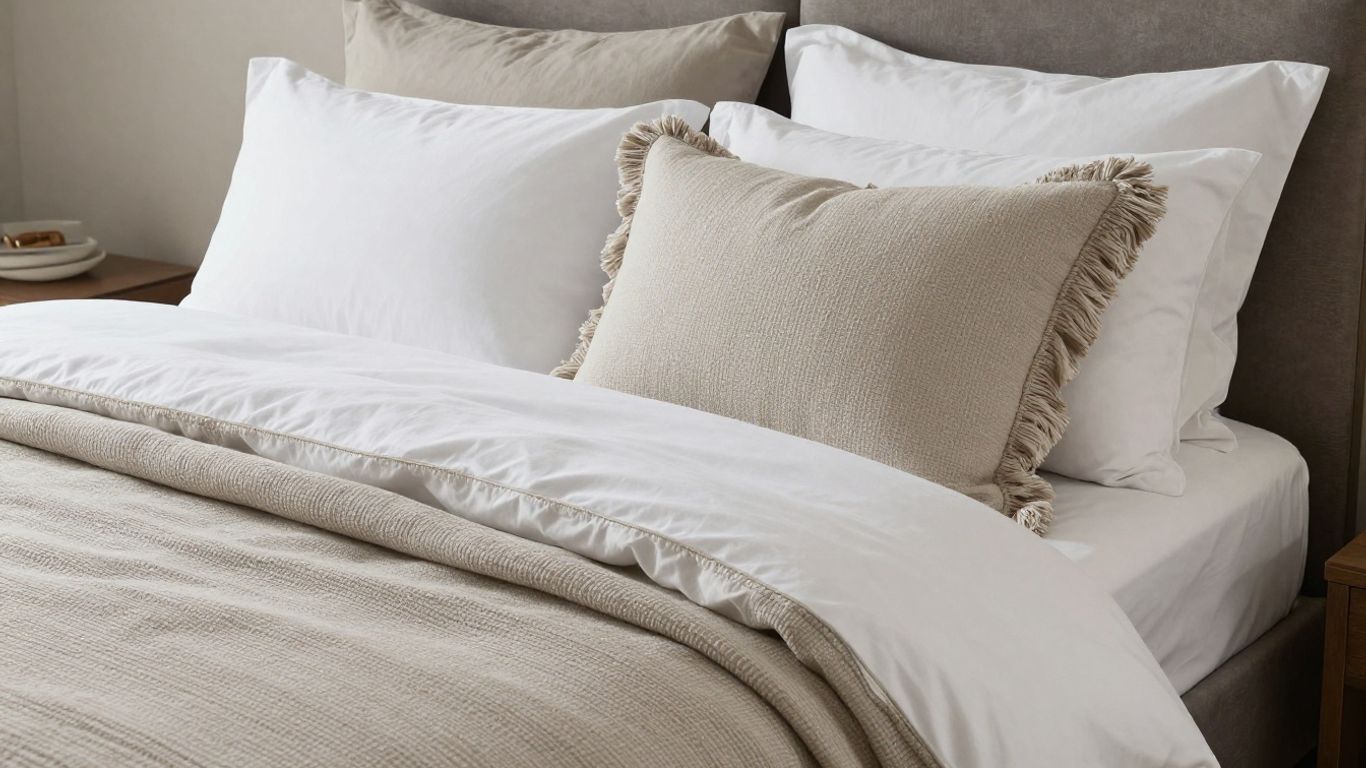
So, you’ve got your comforter, your sheets, maybe even a duvet. But what about those extra pillows that look so neat and tidy on the bed? Chances are, they’re sporting shams. Shams are like the stylish outfit for your decorative pillows, adding a polished look to your entire bedding ensemble. They’re not just about looking pretty, though; they play a part in how your bed is presented and even how it functions.
Enhancing Bedroom Aesthetics
Let’s be honest, a bed with just a comforter and sleeping pillows can look a bit… unfinished. Shams step in to change that. They instantly make a bed look more put-together and inviting. Think of them as the frame for a picture – they draw your eye and complete the visual. By coordinating with your comforter or duvet cover, shams tie the whole room’s look together. Whether you’re going for a minimalist vibe or something more luxurious, the right shams can really make your bedroom feel like a styled space, not just a place to sleep. They’re a simple way to add color, texture, and pattern without a huge overhaul.
Functional Aspects of Shams
While their main job is decoration, shams do have a practical side. They cover pillows that aren’t typically used for sleeping. This means your sleeping pillows can stay fresh and clean underneath, protected from dust and general wear. When it’s time to actually get into bed, these decorative pillows and their shams are usually removed and set aside. This keeps them looking their best and prevents them from getting in the way.
Here’s a quick breakdown of how shams fit into the bedding picture:
- Decoration: Their primary role is to make the bed look good.
- Protection: They shield decorative pillows from dust and dirt.
- Organization: They help create a layered, tidy appearance on the bed.
Integrating Shams with Other Bedding
Shams are designed to work with the rest of your bedding. Often, you’ll find shams sold as part of a comforter set or duvet set, meaning they’re made from the same fabric or in a matching color. This makes it super easy to create a cohesive look. If you bought your comforter separately, you can still find shams that complement it. Look for similar colors, patterns, or textures. For instance, if your comforter has a floral pattern, you might choose shams in a solid color pulled from that pattern, or perhaps a textured sham that adds depth. It’s all about building layers that look good together, much like how a duvet cover works with its insert to create a stylish and warm top layer.
Shams are essentially decorative pillow covers that are meant to be displayed. They usually have a back closure, like an envelope fold, zipper, or buttons, to keep the pillow insert neatly tucked inside. Unlike pillowcases, which are often open at both ends and designed for sleeping comfort, shams are typically removed before bedtime.
Exploring Different Types of Shams
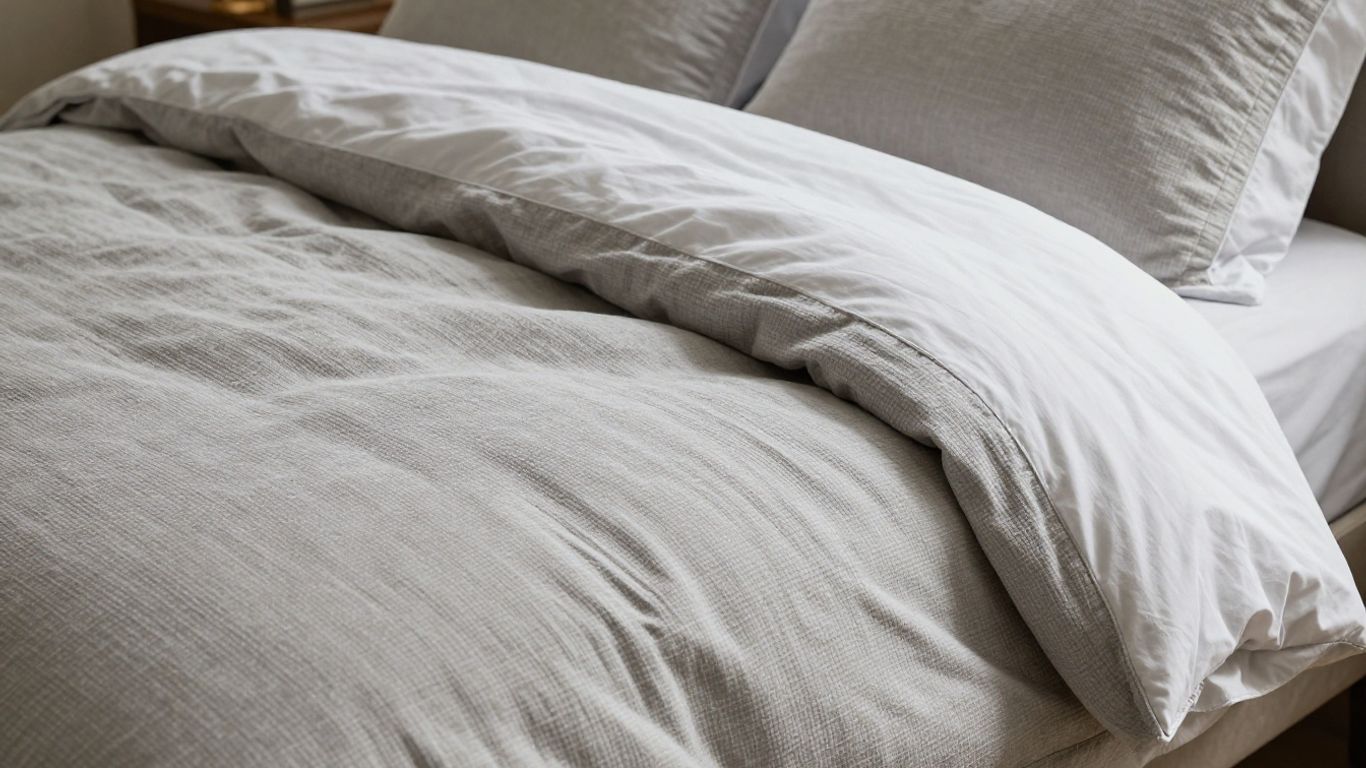
Standard Shams for Rectangular Pillows
Standard shams are probably what you picture when you think of a sham. They’re made for those long, rectangular pillows that most of us use to sleep on. Think of them as a fancier, more decorative version of your everyday pillowcase. They usually come in sizes that match standard bed pillows, often around 20 by 26 inches. You can also find them in Queen (around 20 by 30 inches) and King (around 20 by 36 inches) sizes, which are great for larger pillows or for making a statement on bigger beds. These are the workhorses of the sham world, perfect for layering at the head of the bed.
Boudoir Shams for Smaller Pillows
Boudoir shams are the little guys. They’re designed for smaller, often rectangular or bolster-shaped pillows, typically measuring about 12 by 16 inches. These are less common in a standard bedding set but are fantastic for adding an extra touch of detail. You might see them placed in front of the standard shams or tucked into the corners of the bed. They’re great for adding a pop of color or texture without taking up too much space. Think of them as the accent pillows of the sham family.
European Shams for Square Pillows
European shams are a bit different – they’re square! Usually measuring 26 by 26 inches, these are made to fit those big, square pillows that originated in Europe. They have a really substantial look and feel, and they’re often placed at the very back of the pillow arrangement on the bed. Because they’re so large and square, they create a solid, plush foundation. They’re not just for beds, either; you’ll often see them on sofas and armchairs too, adding a touch of cozy elegance to any seating area. They really help to fill out the look of a bed and give it that luxurious, hotel-like feel. If you’re aiming for a really layered and inviting bed, these are a must-have. You can find some great options for decorative pillow covers that include European shams.
Key Differences: Sham Versus Pillowcase
Okay, so you’ve got your comforter, maybe some decorative pillows, and then there are these things called shams. It’s easy to get them mixed up with regular pillowcases, but they’re actually quite different. Think of it this way: a pillowcase is like your everyday t-shirt, functional and comfortable, while a sham is more like a fancy blouse – it looks good, but you might not wear it for yard work.
Primary Function: Decoration vs. Protection
The biggest difference really comes down to what they’re for. Pillowcases are all about protecting the pillow you actually sleep on and giving you a soft surface to rest your head. They’re meant to be washed often because, well, you’re sleeping on them every night. Shams, on the other hand, are primarily decorative. They’re designed to make your bed look put-together and stylish. The term ‘sham’ itself comes from the idea of a ‘false front,’ meaning it’s meant to look good rather than be used for sleeping. They usually go over a separate set of pillows that sit in front of your sleeping pillows.
Construction and Closure Styles
When you look at how they’re made, you’ll see more differences. Pillowcases typically have an open end, making it super easy to slip your pillow in and out. Some might have a zipper, but that’s less common. Shams, however, often have a more hidden closure to keep that ‘finished’ look. You’ll frequently find envelope closures (where one side overlaps the other), buttons, or hidden zippers on the back. This is so the pillow insert is completely concealed and doesn’t mess up the visual appeal.
Comfort and Sleepability Considerations
Because shams are meant for show, they’re not always the coziest things to sleep on. They might be made of stiffer fabrics, or they could have decorative stitching, flanges, or other embellishments that could feel a bit scratchy or awkward if you rolled over onto them. Pillowcases, by contrast, are usually made from soft, breathable materials like cotton, designed for maximum comfort throughout the night. While you could technically sleep on a sham, it’s generally not recommended if comfort is your main goal. If you’re looking for super soft pillows for sleeping, you might want to check out down pillows for that extra plush feel.
So, while both cover pillows, their jobs are distinct. Pillowcases are your workhorses for sleep, and shams are your decorative stars for making the bed look magazine-ready. It’s not uncommon for shams to be made from the same fabric as your duvet cover, helping to tie the whole look together.
Materials and Construction of Shams
When you’re picking out shams, you’ll notice they’re made from all sorts of fabrics and put together in different ways. It’s not just about how they look, but also how they feel and how they’re meant to be used.
Common Fabric Choices for Shams
Shams are usually made from materials you’d find in other bedding, but sometimes with a bit more flair since they’re decorative. Cotton is a popular choice because it’s soft, lasts a good while, and is generally easy to wash. You’ll also see polyester, which is often more budget-friendly, though it can sometimes feel a bit rougher. Linen is another option, known for being cool and a bit more luxurious, but it usually comes with a higher price tag. Sometimes, you’ll find blends of these fabrics, trying to get the best of all worlds.
- Cotton: Soft, durable, and easy to care for. Great for everyday use.
- Polyester: Affordable and widely available, often blended for better feel.
- Linen: Prized for its cool touch and natural texture, a more premium option.
- Blends: Combining different fibers to achieve specific textures or price points.
Embellishments and Design Elements
This is where shams really get to show off. Unlike a regular pillowcase that’s usually plain, shams often have extra details. Think embroidery, ruffles, lace trim, or even quilting. These touches are what make a sham stand out and add that decorative punch to your bed. The front of the sham is where all the design action happens.
Back Closure Mechanisms
How a sham closes is pretty important, especially since you’ll be putting a pillow inside it. Most shams don’t have a simple open end like a pillowcase. Instead, you’ll find a few common ways they’re secured:
- Envelope Closure: This is where the fabric on the back overlaps, creating a pocket for the pillow. It’s a clean look and usually keeps the pillow from slipping out.
- Zipper Closure: A hidden zipper is often used for a really neat finish. It makes it easy to get the pillow in and out and keeps everything looking smooth.
- Button Closure: Some shams use buttons, which can add a decorative touch themselves, but they might be more noticeable than a hidden zipper.
The construction of a sham is key to its decorative purpose. While a pillowcase is designed for comfort and direct contact with your face, a sham is meant to be seen. This means the front often features more intricate designs, while the back is built for practicality, allowing for easy insertion of a pillow insert without compromising the overall aesthetic. The closure method, whether it’s an envelope, zipper, or buttons, is chosen to maintain a polished appearance when the bed is made. This thoughtful design contributes significantly to the layered and inviting look of a well-dressed bed.
Choosing the Right Pillow Sham
So, you’ve decided to add some shams to your bedding. Great choice! They really do make a difference in how your bed looks. But picking the right ones can feel a little overwhelming with all the options out there. Let’s break it down.
Matching Sham Size to Pillow Size
This is probably the most important step. You don’t want a sham that’s too big or too small for the pillow insert. It just looks sloppy. Generally, shams are sized to fit standard pillow inserts, but there are a few common sizes to know:
- Standard Shams: These usually fit standard or queen-sized bed pillows, often measuring around 20" x 26".
- King Shams: Designed for king-sized pillows, typically around 20" x 36".
- Euro Shams: These are square, usually 26" x 26", and fit Euro pillows.
Always double-check the dimensions of both the sham and the pillow insert you plan to use. Sometimes, a "standard" sham might be a slightly different size, and you want a snug fit. It’s like trying to put a square peg in a round hole if the sizes don’t match up.
Considering Color and Texture
Once you’ve got the size sorted, it’s time to think about how the sham will look. This is where you can really play with your bedroom’s style. Do you want your shams to blend in or stand out?
- Color Coordination: You can match your shams to your duvet cover or comforter for a unified look. Or, pick a contrasting color to add a pop of interest. Think about the overall color scheme of your room. Are you going for calm and serene, or bold and vibrant?
- Texture Play: Don’t forget texture! A smooth sateen sham next to a chunky knit blanket can add depth. Linen offers a relaxed, natural feel, while velvet can bring a touch of luxury. Consider how the fabric feels and looks – it’s not just about the color.
Remember, shams are primarily decorative. While comfort is nice, their main job is to look good and complete the look of your bed. So, don’t be afraid to choose something that’s visually appealing, even if it’s not the softest thing you’ve ever felt. You’re not usually sleeping on them, after all.
Complementing Your Existing Bedding
Your new shams should feel like they belong with the rest of your bedding. Think of them as the finishing touches. If you have a very simple duvet cover, a sham with some subtle embroidery or a unique weave can add that extra something. On the other hand, if your comforter is already quite busy, a plainer sham might be a better choice to avoid overwhelming the bed. It’s all about balance. You want your bed to look inviting and put-together, not chaotic. Finding the right throw pillows for your bed can also be part of this process, as shams often work alongside them.
How Shams Are Used in Bed Making
So, you’ve got your shams, and they look great. But how do you actually put them to work when you’re making the bed? It’s not just about tossing them on; there’s a bit of an art to it, really. Think of them as the finishing touches that pull the whole look together.
Placement on the Bed
When it comes to arranging your shams, symmetry is usually the name of the game. Most people place their shams in front of the pillows you actually sleep on. If you have European shams, those often go right up against the headboard, creating a nice, solid backdrop. Then, your standard or queen/king shams sit in front of those. Finally, your sleeping pillows go in front of the shams. It creates a layered effect that looks really put-together.
Here’s a typical layering order, starting from the headboard:
- European Shams: Square pillows, usually placed first.
- Standard/Queen/King Shams: Rectangular pillows, layered in front of the Euro shams.
- Sleeping Pillows: The pillows you use at night, placed in front of the decorative shams.
This arrangement gives your bed a full, inviting appearance, making it look like a cozy retreat.
When to Remove Shams for Sleep
This is a big one, and honestly, it’s pretty straightforward: shams are generally not meant for sleeping. They’re decorative. The pillows inside them are often firmer or have embellishments that wouldn’t be comfortable to rest your head on all night. So, before you settle in for the night, just take the shams off and set them aside. It’s a small step that keeps your shams looking their best and ensures you get a good night’s sleep on your actual sleeping pillows.
While shams are primarily for show, they do serve a purpose in protecting the decorative pillows they cover. Think of them like a stylish jacket for your accent pillows. They add a layer of visual interest and can tie your whole bedroom’s color scheme together.
Creating a Layered and Full Look
Using shams is one of the easiest ways to make your bed look like it belongs in a magazine. By layering different sizes and textures, you add depth and dimension. A well-made bed with shams looks more substantial and inviting. It’s not just about covering the pillows; it’s about creating a focal point in your bedroom. You can even mix and match sham styles and colors to add a personal touch to your bedding ensemble. The goal is to create a visually appealing arrangement that makes you want to jump right in.
Remember, the way you arrange your shams can really change the whole vibe of your bedroom. It’s a simple detail that makes a big difference in how polished and complete your bedding looks. So, take a moment to arrange them nicely – it’s worth it!
Care and Maintenance of Bed Shams
Taking care of your pillow shams is pretty straightforward, but it’s good to know a few things so they stay looking nice. Most shams are meant for decoration, not for sleeping on, so they don’t need the same heavy-duty washing as your everyday pillows.
Washing Instructions for Shams
When it’s time to clean your shams, always check the care label first. Different fabrics and embellishments need different treatment. Generally, though, here’s a good approach:
- Machine Washable Fabrics: For shams made of cotton, linen, or polyester blends, a gentle cycle with cold or warm water is usually best. Use a mild detergent. Avoid bleach unless the label specifically allows it.
- Delicate Fabrics: If your shams have lace, embroidery, or are made of silk or velvet, hand washing or dry cleaning might be necessary. If hand washing, use cool water and a gentle soap, then rinse thoroughly.
- Drying: Air drying is often the safest bet, especially for embellished shams. Lay them flat or hang them up. If you use a dryer, use the lowest heat setting and remove them while slightly damp to prevent shrinkage or damage.
Handling Delicate Embellishments
Embellishments like beading, sequins, or intricate embroidery can be tricky. Before washing, turn the sham inside out. If possible, place it in a mesh laundry bag for extra protection during the wash cycle. For hand-wash items, be extra gentle around these areas. Sometimes, spot cleaning with a damp cloth is all that’s needed for minor spots.
It’s really about being mindful of the materials and any added decorative bits. Think of it like caring for a nice blouse versus a t-shirt; a little extra attention goes a long way in keeping them looking sharp.
Replacing Pillow Inserts
Over time, pillow inserts can lose their fluffiness or develop lumps. If your sham looks a bit sad and deflated, it might be time for a new insert. You can find pillow inserts in various fill types, like down, down-alternative, or polyester. When choosing a new insert, make sure it’s the right size for your sham – a slightly larger insert can make a sham look fuller. You can also find specialty pillow inserts if you have specific needs.
Remember, keeping your shams clean and fresh will help your whole bed look more inviting and put-together. It’s a small effort for a big visual payoff in your bedroom.
The Aesthetic Impact of Shams
So, you’ve got your comforter, your sheets, maybe even a duvet. But something still feels a little… unfinished, right? That’s where shams come in. They’re like the stylish accessories for your bed, the ones that really pull the whole look together. Think of them as the frame for a picture – they don’t do the main job, but they make everything else look so much better.
Elevating Bedroom Style
Shams are seriously good at making a bedroom look more put-together. They add a layer of polish that you just don’t get with plain old pillows. It’s like going from a casual outfit to one that’s dressed up a bit. They can introduce color, texture, or a pattern that ties your whole room’s theme together. Whether you’re aiming for a calm, spa-like vibe or something more bold and dramatic, the right shams can make a big difference.
Achieving a Cohesive Look
One of the best things about shams is how they help create a unified look. Often, shams are made from the same fabric as your comforter or duvet cover. This instantly makes your bedding look like a coordinated set, even if it wasn’t originally sold that way. You can also use them to pick up colors from your curtains, rugs, or accent pillows, making the entire room feel more intentional and designed. It’s a simple trick that makes a huge impact on the overall feel of your space.
Adding Visual Interest and Texture
Beyond just color, shams bring in texture and dimension. Some shams have ruffles, some have quilting, others might have embroidery or a unique weave. These details catch the eye and make your bed look more inviting and luxurious. They break up the flat surfaces of your sheets and comforter, giving your eyes something interesting to land on. It’s these little touches that can transform a basic bed into a focal point of the room.
Shams are more than just fancy pillow covers; they’re a key element in creating a bedroom that feels both comfortable and stylish. They offer a way to express your personal taste and make your sleeping space feel like a true retreat. Don’t underestimate the power of a well-dressed bed!
Here’s a quick look at how different sham styles can change the feel:
- Standard Shams: Often used in pairs, these give a classic, balanced look. Great for a neat and tidy appearance.
- European Shams: Placed in front or behind other pillows, these square shams add a cozy, layered feel. They’re perfect for leaning against when you’re reading in bed.
- Boudoir Shams: These smaller, rectangular shams are excellent for adding a final decorative touch or filling in gaps between larger pillows. They’re like the little details that complete an outfit.
Choosing the right shams can really make your bedroom feel like a magazine spread. It’s amazing what a difference a few well-chosen decorative pillows can make. If you’re looking to give your bedroom a refresh without a major overhaul, consider updating your bedding essentials. It’s a simple change that can make your room feel brand new.
Beyond the Bedroom: Versatile Sham Uses
You know, shams aren’t just for making your bed look fancy. They’re surprisingly adaptable little things that can add a pop of style to other parts of your home too. Think of them as mini decorative pillows that can go almost anywhere.
Shams on Chairs and Sofas
Ever feel like your living room furniture is a bit… plain? A couple of well-placed shams can totally change that. European shams, with their square shape, are particularly great for this. They look fantastic propped up on a sofa, adding a touch of comfort and color. Standard shams can work too, especially if you have a larger couch or a comfy armchair that needs a little something extra. It’s a simple way to bring some of that bedroom coziness into your main living space. You can even find linen throws and pillow covers that coordinate with your shams for a really put-together look.
Adding Decorative Touches to Living Spaces
So, how do you actually use them outside the bedroom? It’s all about layering and texture.
- Sofas: Place one or two Euro shams against the back cushions, or flank a larger sofa with a couple of standard shams.
- Armchairs: A single standard or Euro sham can make an armchair look extra inviting.
- Window Seats: If you have a cozy window seat, a few shams can turn it into a plush reading nook.
- Benches: A sham can add a bit of softness and style to a entryway bench.
Using shams on furniture is a smart way to introduce pattern, color, and softness without a huge commitment. They’re easier to swap out than reupholstering, and they can instantly update the feel of a room.
It’s a neat trick for making your home feel more lived-in and stylish. Plus, if you’ve got extra shams from a comforter set that don’t quite match your current bedding, giving them a second life in the living room is a win-win.
Wrapping It Up
So, there you have it. A sham is basically a fancy pillowcase, mostly for looks, that you toss on your bed to make it pop. It’s not the pillow you sleep on, but rather the one that sits in front, adding a bit of style. They come in different sizes, like standard, king, and the square Euro kind, and can be made from all sorts of materials. While not a must-have, adding shams can really change the vibe of your bedroom without a ton of effort. Think of them as the finishing touch to a well-made bed, giving it that put-together look you see in magazines.
Frequently Asked Questions
What exactly is a pillow sham?
A pillow sham is like a fancy pillowcase, but it’s mostly for looks. It’s designed to cover a pillow that you use to make your bed look nice, not usually for sleeping on. Think of it as a decorative jacket for your pillow.
What’s the main difference between a sham and a regular pillowcase?
A regular pillowcase is for the pillow you sleep on every night; its main job is to protect your pillow and be comfy. A sham is mainly for decoration, usually placed in front of your sleeping pillows, and often has a more detailed design on the front.
Do I need both pillowcases and shams?
You don’t absolutely need both, but they serve different purposes. Pillowcases are for sleeping, while shams help make your bed look more put-together and stylish. Many people use both to achieve a layered, hotel-like look.
Are shams only for decoration?
Pretty much, yes! While you *could* technically sleep on a sham, they’re usually made with decorative fronts that might not be as comfy as a regular pillowcase. Plus, they often have special closures or designs that aren’t meant for your head.
What are the different sizes of shams?
Shams come in a few common sizes. Standard shams fit regular bed pillows, while King shams are longer for king-sized pillows. There are also Euro shams, which are square and often used for decorative pillows placed at the head of the bed.
How do I make my bed with shams?
When you make your bed, you typically place the sham-covered pillows in front of your regular sleeping pillows. This makes the bed look full and inviting. You usually take them off before you go to sleep.
What materials are shams usually made from?
Shams can be made from many fabrics, just like other bedding. Common choices include soft cotton, cool linen, and sometimes polyester. They might also have extra details like embroidery, lace, or special stitching to make them look fancier.
Can I use shams on my couch?
Absolutely! While they’re a big part of bedding, shams are basically decorative pillow covers. You can totally use them on sofas, armchairs, or anywhere else you want to add a touch of style and comfort with a decorative pillow.