
Getting a good night’s sleep after shoulder surgery can feel like a real challenge, especially if you’re trying to avoid a recliner. You’ve got to figure out how to stay comfortable, keep your arm supported, and not bump that tender shoulder. It might seem tough, but with a few smart adjustments to your sleeping space and routine, you can definitely find a way to get some much-needed rest. This guide will walk you through how to sleep after shoulder surgery without a recliner, focusing on simple, effective strategies to make your recovery smoother.
Key Takeaways
- Sleep propped up at a 45-degree angle using pillows or a wedge to take pressure off your shoulder.
- Create a pillow nest to support your surgical arm and keep it from dropping or pulling.
- Use a body pillow or regular pillows behind you to stop yourself from rolling onto your surgical side.
- Take pain medication about 30 minutes before bed and consider icing your shoulder beforehand to manage discomfort.
- Wear loose, adaptive clothing that doesn’t require lifting your arms to get dressed or undressed.
Optimizing Your Sleep Environment
Getting good sleep after shoulder surgery can feel like a puzzle, especially when you’re trying to avoid a recliner. The good news is, with a little planning, you can create a sleep space that actually helps you heal. Think of it as building your own personal recovery zone. Your bedroom should be a sanctuary designed for rest and repair.
Creating A Supportive Pillow Fortress
Forget just one pillow; you’ll likely need a whole setup. The goal is to support your surgical arm and keep you comfortable. Start by gathering a few firm pillows. You’ll want at least one or two to prop up your surgical arm, keeping it elevated to help with swelling. This elevation is key. Imagine building a little nest around yourself. A body pillow can also be a game-changer, acting as a barrier to stop you from accidentally rolling onto your surgical side during the night. It’s all about creating a stable, comfortable perimeter.
Ensuring Proper Head And Neck Alignment
When you can’t sleep in your usual position, your head and neck might end up in awkward spots. This can lead to more pain and stiffness. The right pillow is super important here. You want something that supports the natural curve of your neck without pushing your head too far forward or letting it drop back. It might take some experimenting to find what works. Some people find that a cervical pillow, designed to cradle the neck, is helpful. Others do well with a standard pillow that’s just the right loft and firmness. The aim is to keep your spine in a neutral line from your head all the way down.
Personalizing Your Sleep Setup
What works for one person might not work for another, and that’s totally okay. Your surgery type, your body, and your comfort level all play a role. Don’t be afraid to try different pillow arrangements. Maybe you need more support under your arm, or perhaps a different pillow for your head feels better. It’s about finding that sweet spot where you can relax and drift off. Think about the temperature too; a cool room often helps with sleep. Making these small adjustments can make a big difference in how well you rest. You might find that creating a comfortable sleep space is as important as your physical therapy exercises. Creating a sleep sanctuary can really help.
The first few weeks are the toughest, so be patient with yourself. Experimenting with your pillow arrangement is part of the process. What feels right one night might need a tweak the next. It’s all about listening to your body and finding what brings you the most comfort and support.
Mastering The Semi-Reclined Position
Okay, so sleeping flat on your back after shoulder surgery? Forget about it. It’s just not going to happen comfortably, and honestly, it’s probably not great for your healing shoulder either. The real trick here is getting yourself into a semi-reclined position. Think of it like lounging, but for sleeping. This isn’t about finding some fancy new bed; it’s about using what you have, mainly pillows, to get yourself propped up just right. This position helps keep pressure off your surgical site and stops you from accidentally rolling over onto it during the night. It sounds simple, but getting this angle dialed in can make a huge difference in how much sleep you actually get.
Achieving The Ideal Angle For Rest
So, what’s the magic angle? Doctors and physical therapists often suggest aiming for around a 45-degree incline. It’s not too steep that it feels weird, but it’s enough to take the load off your shoulder. You can achieve this by stacking pillows behind your back or, if you have one, using a wedge pillow. The goal is to feel supported and stable, not like you’re about to slide down. It takes some fiddling to get it right, but once you do, it’s a game-changer for sleep.
Utilizing Wedge Pillows Effectively
Wedge pillows are pretty awesome for this. They’re designed to give you that incline without a bunch of separate pillows falling over. You can get them in different sizes and firmness levels. Some people like a long wedge that supports their whole back, while others prefer a smaller one just for their upper back and head. You might even need an extra pillow or two to support your surgical arm, keeping it a bit elevated and away from your body. It’s all about building a little nest that cradles you and your recovering shoulder.
Understanding Gravity’s Role In Shoulder Support
Gravity is usually just something that makes things fall, but after shoulder surgery, you can actually use it to your advantage. When you’re semi-reclined, gravity helps keep your shoulder joint in a more neutral, less stressed position. It stops your arm from pulling down on the surgical area, which can be super painful and slow down healing. It’s like giving your shoulder a gentle, constant hug that keeps everything stable while you sleep. This is why sleeping in a reclined position is so often recommended by recovery specialists.
Getting your sleep position right is more than just comfort; it’s an active part of your recovery. A well-supported, semi-reclined posture minimizes stress on the healing tissues, allowing your body to focus its energy on repair rather than fighting off pain and inflammation. Don’t underestimate the power of a good night’s rest in this specific position.
Strategic Arm And Body Support
Alright, let’s talk about keeping that surgical arm and your whole body comfy and safe while you’re trying to get some shut-eye. This isn’t just about propping yourself up; it’s about actively supporting your recovery.
Elevating Your Surgical Arm With Pillows
Think of your surgical arm like a delicate package you need to protect. When you’re lying down, gravity can be a real pain, pulling on your shoulder and potentially stressing the repair. The goal here is to keep your arm supported, ideally in a position that’s neutral or slightly elevated. This means using pillows strategically. You’ll want to create a little nest for your arm, supporting not just the arm itself, but also your elbow and forearm. This helps take the weight off your shoulder joint. Some people find a system of pillows works best, almost like building a little fort around your arm. It might feel like a lot of pillows at first, but trust me, it makes a difference.
Preventing Accidental Rolling Onto The Surgical Side
This is a big one. Rolling over in your sleep is a natural reflex, but doing it onto your surgical side can be a recipe for disaster. You need to create physical barriers. A large body pillow can be a lifesaver here. Place it in front of you, so if you start to roll forward, you bump into it. You can also wedge pillows behind your back to stop you from rolling backward. Some folks even find that sleeping in a recliner, at least initially, helps prevent this because you’re already in a more stable, upright position. But since we’re avoiding the recliner for this guide, we’ll focus on pillow strategies. The key is to make it physically difficult to roll onto the injured side.
The Benefits Of Body Pillows For Stability
Body pillows aren’t just for pregnant people, you know. They’re fantastic for post-shoulder surgery recovery. A good body pillow can do double duty: it can act as a barrier to prevent you from rolling over, and you can also hug it or place it between your knees to help keep your spine aligned. Proper spinal alignment is surprisingly important for shoulder health. When your spine is crooked, your shoulders often compensate, which is the last thing you want. Using a body pillow can help you maintain a more stable, neutral position throughout the night, reducing the chances of waking up in an awkward, painful position. It’s all about creating a stable base so your body can focus on healing. You might find that a specialized pillow system designed for post-surgery recovery can offer even more targeted support for your arm and body.
Pain Management For Restful Nights
Timing Your Pain Medication For Bedtime
Getting good sleep after shoulder surgery can be tough, and pain is usually the main culprit. If your doctor has prescribed pain medication, figuring out the best time to take it before bed is a smart move. Most pain relievers need about 30 minutes to start working. So, if you’re aiming to be asleep by 10 PM, try taking your medication around 9:30 PM. This way, it’ll be kicking in just as you’re trying to settle down, hopefully making it easier to drift off without discomfort. It’s all about getting ahead of the pain before it has a chance to really bother you.
The Role Of Ice Therapy Before Sleep
Swelling can really ramp up the pain, especially at night when you’re trying to get comfortable. Using an ice pack before you hit the hay can be a game-changer. Just wrap it in a thin towel – you don’t want to put ice directly on your skin – and apply it to the surgical area for about 15 to 20 minutes. This can help calm down inflammation and numb things up a bit, making that initial settling-in process much smoother. It’s a simple step that can make a noticeable difference in how quickly you feel relaxed enough to sleep.
Minimizing Swelling For Comfort
Beyond icing, there are other ways to keep swelling in check, which directly impacts your comfort level. Keeping your arm elevated, as we’ve talked about with pillow setups, is key. Gravity is your friend here, helping fluid drain away from the surgical site. Also, try to avoid any activities that might aggravate the shoulder, even small movements, in the hours leading up to bedtime. The less irritation, the less swelling you’ll likely have to deal with when you’re trying to rest. Sometimes, just being mindful of how you’re moving your body throughout the day can pay off big time when it’s time to sleep. Remember, managing swelling isn’t just about comfort; it’s a big part of the healing process itself.
The first few weeks after surgery are often the hardest for sleep. Your main goal is to find a position that supports your arm without putting any pressure on the joint. Making your sleep area as comfortable as possible is just as important as following your physical therapy exercises. It’s about protecting your repair while your body does its most important healing work overnight.
Here are a few things to keep in mind:
- Listen to your body: If something feels wrong or increases your pain, stop. Don’t push through it.
- Stay hydrated: Drinking enough water throughout the day can help with overall healing and reduce swelling.
- Gentle movement: If your doctor or physical therapist has cleared you for gentle range-of-motion exercises, doing them earlier in the day can sometimes help reduce stiffness before bed.
- Mind your meds: Always take your pain medication as prescribed. Don’t skip doses, especially if you know you’ll need it for sleep. If you’re finding the prescribed amount isn’t enough, talk to your doctor about it. Adjustable bed frames can also be a great help for finding a comfortable, elevated position.
Navigating The First Few Weeks Post-Surgery
The initial weeks after shoulder surgery can feel like a bit of a blur, and honestly, they’re probably the most important for setting the stage for your recovery. It’s a time when your body is working overtime to heal, and what you do (or don’t do) during this period really matters. Think of it as laying the foundation for everything that comes after.
Understanding Peak Discomfort Periods
Most people find that the first few days to a week are the most uncomfortable. Your body is dealing with the trauma of surgery, and the inflammation can be pretty significant. Pain medication is key here, but it’s also about managing your expectations. You’re not going to be doing much more than resting and following your doctor’s orders.
- Day 1-3: Expect the highest level of pain and swelling. Focus on keeping the surgical arm elevated and using ice as directed.
- Day 4-7: Pain should start to decrease, but you might still feel quite stiff and sore. This is when you’ll likely be more aware of the limitations imposed by the sling.
- Week 2-4: Discomfort generally continues to lessen, but you might experience new aches as you start to move a little more, even if it’s just gentle exercises. Some people report increased discomfort when they try to sleep in different positions.
The Importance Of The Initial Recovery Phase
This early stage is all about protection. Your surgeon has done their work, and now it’s up to you to give the repair the best chance to heal without being disturbed. This means strictly following instructions about wearing your sling and avoiding certain movements. It might feel restrictive, but it’s non-negotiable for a good long-term outcome. Patients who stick to their immobilization protocol often see better results down the line. It’s a bit like letting a construction site have its quiet time to set properly before heavy machinery comes back in.
Respecting the healing timeline in these first few weeks directly influences the ultimate strength and integrity of the repair. While it may feel restrictive, evidence shows that patients who follow their immobilization protocol have better outcomes.
When To Consider A Recliner Versus Your Bed
While this guide focuses on sleeping without a recliner, it’s worth acknowledging that for some, especially in the very early days, a recliner might offer a bit more ease. If you’re accustomed to sleeping in one, it can make getting in and out of sleep simpler. However, the goal is to transition to a bed setup that supports your shoulder properly. Many people find that a combination of pillows on their bed can mimic the semi-reclined support a recliner offers, allowing for better alignment and less pressure on the surgical site. If you’re struggling significantly with your bed setup, talk to your doctor or physical therapist; they might have specific recommendations or even suggest renting an adjustable bed temporarily if needed.
Clothing Considerations For Easier Dressing
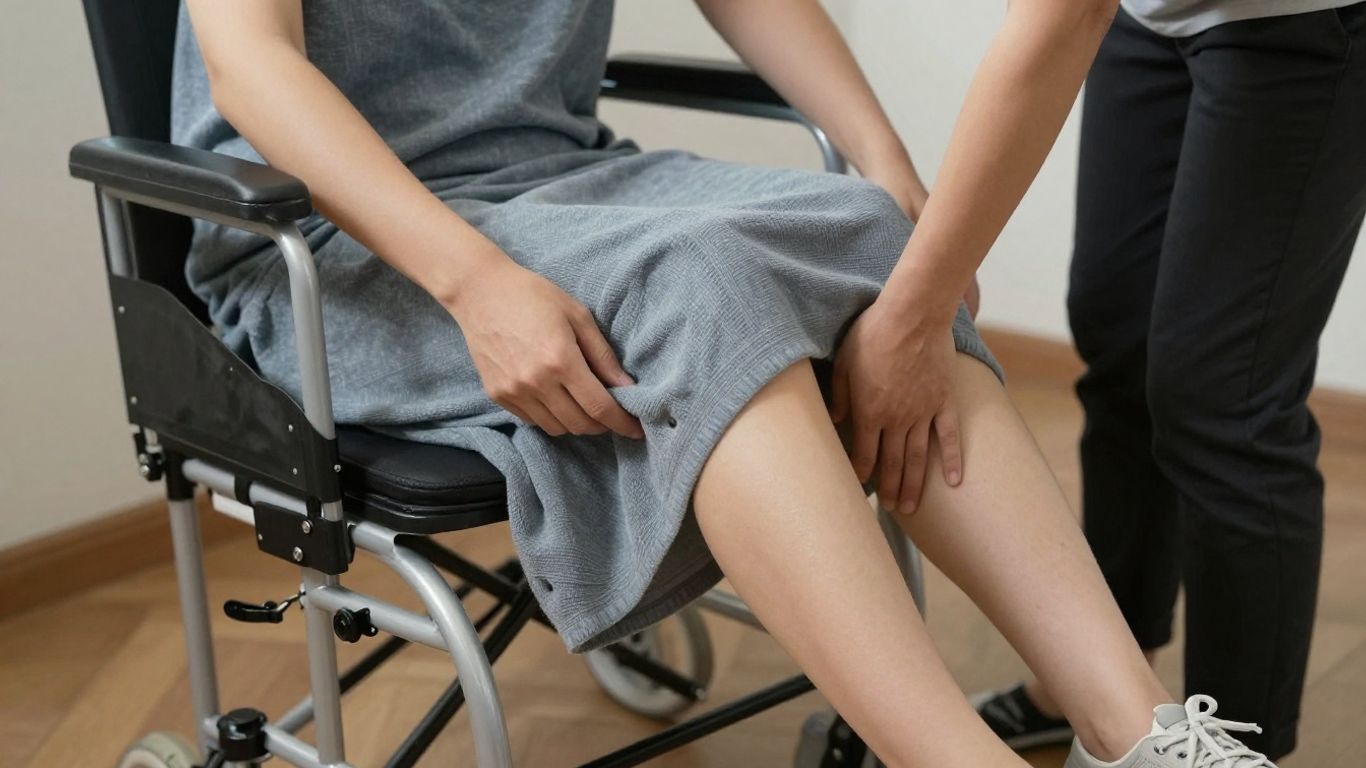
Getting dressed after shoulder surgery can feel like a puzzle, especially when you’re trying to avoid putting too much strain on your healing arm. The right clothing choices make a big difference in your daily comfort and independence. Think loose, soft, and easy to manage. The goal is to minimize any lifting or pulling motions that could aggravate your surgical site.
Choosing Adaptive Clothing Options
When you’re recovering, traditional clothing can be a real hassle. Buttons and zippers require fine motor skills and arm movement that might be difficult or painful. This is where adaptive clothing comes in handy. These are garments designed with ease of use in mind. Look for items with:
- Front closures: Think snaps, Velcro, or magnetic closures instead of buttons. These are much simpler to manage with one hand.
- Generous cuts: Loose-fitting shirts and pants give you plenty of room to move without feeling restricted. This also makes it easier to get them on and off.
- Soft fabrics: Materials like cotton, modal, or bamboo blends are gentle on the skin and won’t cause irritation, especially around any bandages or dressings. A soft shirt is a must-have for comfort. Consider shirts with snap closures if buttons are too tricky.
Avoiding Arm Lifting During Dressing
This is probably the most important part of dressing yourself post-surgery. You want to avoid lifting your surgical arm as much as possible. Here’s how to approach it:
- Pants First: Always put on your pants while sitting down. This prevents you from having to lift your legs too high or balance precariously.
- Shirt Strategy: When putting on a shirt, start with the surgical arm. Carefully guide it through the sleeve first. Then, bring the shirt over your head and guide your non-surgical arm through its sleeve. For taking it off, reverse the process: non-surgical arm first, then the surgical arm.
- Footwear: Slip-on shoes are your best friend. Avoid anything that requires bending down too much or tying laces.
Dressing can be a significant energy drain. Plan to do it when you feel most rested, and don’t hesitate to ask for help if you’re struggling. It’s not a sign of weakness; it’s a smart way to manage your recovery.
Preventing Sling Friction With Garments
Your sling is a necessary part of healing, but it can sometimes rub against your skin, causing irritation. The type of clothing you wear underneath can help.
- Sleeveless Tops: These are often the easiest to wear with a sling, as they don’t add extra bulk or fabric that can bunch up under the sling’s straps.
- T-shirts with Wide Necklines: A wider neck opening can make it easier to pull a shirt on without disturbing the sling too much. Just be mindful of how the fabric sits under the sling’s arm.
- Consider a Soft Underlayer: If your sling feels rough against your skin, a very thin, soft undershirt or camisole might provide a bit of cushioning. Just make sure it doesn’t interfere with the sling’s ability to support your arm properly. Pillows designed for support can also help manage comfort, though that’s more for sleeping than dressing.
The Crucial Role Of Sleep In Healing
You know, sleep is when your body really gets down to business fixing itself. It’s not just about resting your eyes; it’s when all the important repair work happens. After shoulder surgery, getting good sleep is just as vital as doing your physical therapy exercises. Your body releases special hormones during deep sleep that help mend tissues faster and calm down swelling. It’s like your internal repair crew works overtime when you’re catching Zs.
Accelerating Tissue Repair Through Deep Sleep
During those precious hours of deep sleep, your body ramps up the production of growth hormones. These aren’t just for kids; they’re super important for adults too, especially when you’re recovering from an injury. Think of them as the construction workers that rebuild damaged cells and tissues in your shoulder. The more quality sleep you get, the more efficiently these workers can do their job, leading to a quicker return to your normal activities. It’s pretty amazing how much healing can happen while you’re just lying there.
Reducing Inflammation During Rest
Inflammation is a natural part of the healing process, but too much of it can slow things down and cause extra pain. Sleep plays a big part in keeping inflammation in check. When you’re well-rested, your body’s systems that fight inflammation work better. This means less swelling and discomfort in your shoulder, which, in turn, makes it easier to move and do your rehab exercises. It’s a positive cycle: better sleep leads to less inflammation, which leads to better healing.
Managing Pain Perception While Sleeping
It’s a bit of a tricky situation: pain makes it hard to sleep, and not sleeping well can make you feel pain more intensely. Your brain’s ability to process pain signals can be affected by how much sleep you’re getting. When you’re sleep-deprived, your pain receptors can become more sensitive. Getting enough restorative sleep can actually help dial down your perception of pain, making those nighttime hours a little more bearable. It’s a key part of breaking the pain-exhaustion cycle that can happen after surgery. Finding the right pillow can make a big difference here, offering that five-star comfort you need.
The first few weeks after surgery are often the hardest for sleep. Your main goal is to create a sleep setup that supports your surgical arm without putting any pressure on the joint. This isn’t just about comfort; it’s about protecting the repair your surgeon worked hard to fix. Making these adjustments is often necessary for about 4 to 8 weeks.
Here’s a quick rundown of why sleep is so important:
- Tissue Mending: Growth hormones are released, speeding up the repair of muscles and tendons.
- Swelling Control: Your body’s anti-inflammatory responses are more effective, reducing puffiness.
- Pain Relief: Better sleep can actually lower how much pain you feel.
- Energy Boost: Rested muscles and tissues are better prepared for daytime activities and therapy.
Getting enough quality sleep is a non-negotiable part of your recovery. It’s not a luxury; it’s a necessity for your shoulder to heal properly and for you to get back to feeling like yourself again. Prioritizing your rest is just as important as following your doctor’s orders for activity restrictions.
Protecting Your Surgical Repair Overnight

Okay, so sleeping after shoulder surgery without a recliner can feel like a puzzle, right? The main goal here is to keep that freshly repaired shoulder joint from getting stressed out while you’re trying to catch some Zs. It’s all about creating a safe zone for your arm and shoulder so everything can heal up properly. Think of your bed as a carefully constructed fort designed to keep your shoulder stable and supported.
Preventing Strain On The Shoulder Joint
When you’re lying down, gravity can be a real pain, especially for your surgical arm. It wants to pull everything down, and that’s the last thing you want happening to your repair. So, we need to counteract that. Using pillows is your best bet here. You want to prop up your surgical arm so it’s not hanging limply. This takes the weight off the joint and stops it from tugging on the healing tissues. It’s like giving your shoulder a gentle hug all night long.
- Elevate your surgical arm: Use at least one pillow, maybe two, to support your arm from your elbow down to your wrist. This keeps it from dropping and straining the shoulder.
- Keep your shoulder in a neutral position: Try not to let your arm drift too far forward or backward. A body pillow can help keep you from moving too much.
- Avoid sleeping on your stomach: This position often forces your arm into awkward angles that can stress the shoulder.
Avoiding Pressure On The Operative Side
Rolling over onto your surgical side is a big no-no, at least for a good while. It puts direct pressure on the repair and can really set back your healing. This is where strategic pillow placement comes in handy again. A body pillow placed behind you can act as a physical barrier, stopping you from accidentally rolling over in your sleep. It sounds simple, but it makes a huge difference in preventing unwanted pressure.
You’re essentially building a physical reminder system around yourself. If you start to roll, you’ll feel the pillow and hopefully shift back before you put any strain on your shoulder. It takes some getting used to, but it’s a really effective way to protect yourself.
Maintaining Neutral Shoulder Positioning
Getting your head and neck aligned properly is also part of protecting the whole shoulder area. If your neck is all twisted, it can affect your shoulder muscles and create tension. You want to aim for a straight line from your head down your spine. This might mean using a specific pillow for your head, maybe one that’s not too flat or too high. The idea is to keep everything relaxed and in a natural alignment, reducing any unnecessary stress on the surgical site. Finding the right pillow setup can really help with this, making sure your head and neck aren’t contributing to shoulder discomfort. You might even find that a pillow designed for neck and shoulder pain can be a game-changer.
Here’s a quick rundown of what to aim for:
- Slightly reclined position: This helps keep the shoulder joint from collapsing.
- Arm supported: Your surgical arm should be elevated and comfortable, not hanging.
- No pressure: Avoid any direct weight or pressure on the operative side.
- Neutral spine: Keep your head and neck in a comfortable, aligned position.
Wrapping Up Your Sleep Strategy
So, getting good sleep after shoulder surgery without a fancy recliner is totally doable. It’s mostly about getting creative with your pillows and finding that sweet spot where your shoulder feels supported and pain-free. Remember, your body heals best when you’re resting, so putting in a little effort to make your bed a sleep sanctuary is a big win for your recovery. Don’t be afraid to experiment a bit to find what works best for you. Sweet dreams and a speedy recovery!
Frequently Asked Questions
Why is sleeping so hard after shoulder surgery?
After shoulder surgery, your shoulder might hurt and feel stiff. It’s tough to find a comfy spot without accidentally moving the sore arm. This makes getting good sleep tricky because your body needs rest to heal.
What’s the best way to sleep after shoulder surgery?
Most people sleep better propped up, not flat. Think about sleeping in a recliner or using lots of pillows in bed to lean back. This helps keep the pressure off your shoulder and stops you from rolling onto it.
How many pillows do I need to sleep comfortably?
You’ll likely need a few pillows. One or two can go under your surgical arm and elbow to give it support. Another pillow behind you can stop you from rolling over onto your sore side during the night.
Can I sleep on my side after shoulder surgery?
Generally, no, you shouldn’t sleep on the side of your surgery for several weeks, maybe even a couple of months. Always check with your doctor first. Sleeping on your non-sore side might be okay if you can do it without hurting your surgical arm.
Should I wear my sling to bed?
Yes, usually you need to wear your sling to bed. It keeps your arm from moving around too much while you sleep, which is important for healing. Your doctor will tell you when it’s okay to take it off at night.
How can I manage pain at night so I can sleep?
Taking your pain medicine about 30 minutes before bed can help. Also, using an ice pack on your shoulder for about 15-20 minutes before you lie down can reduce swelling and pain, making it easier to fall asleep.
What kind of clothes should I wear to bed?
Wear loose, comfy clothes that don’t need you to lift your arms much to put on. Shirts that open in the front or on the sides are often easiest. This helps avoid pulling on your surgical shoulder.
How long will I need to sleep in a reclined position?
You’ll probably need to sleep propped up for the first 4 to 6 weeks after surgery. After that, your doctor will let you know when it’s safe to try sleeping flat in your regular bed again.