Tired of swapping out your bedding when the weather changes? It’s a common pain point, right? You want to be cozy when it’s chilly but not sweat through your sheets when it’s warm. A good best all season down comforter can really simplify things. It’s like having a magic blanket that adjusts with the temperature. Let’s talk about finding that perfect one that keeps you comfortable all year long, no fuss required.
Key Takeaways
- A best all season down comforter offers year-round comfort by balancing warmth and breathability, eliminating the need for separate summer and winter bedding.
- When choosing a comforter, consider the fill material (like down or down alternative), fill weight (around 300 GSM for all-season), and cover fabric (breathable cotton with a good thread count).
- Look for quality construction details such as baffle-box stitching to prevent fill shifting and corner loops for duvet cover security.
- Layering is a great strategy for adjusting warmth; use lighter inserts alone or combine them for colder nights.
- Proper care, including gentle washing, low-heat drying with dryer balls, and breathable storage, will help your comforter last for years.
Understanding the All-Season Comforter
The Versatility of a Year-Round Comforter
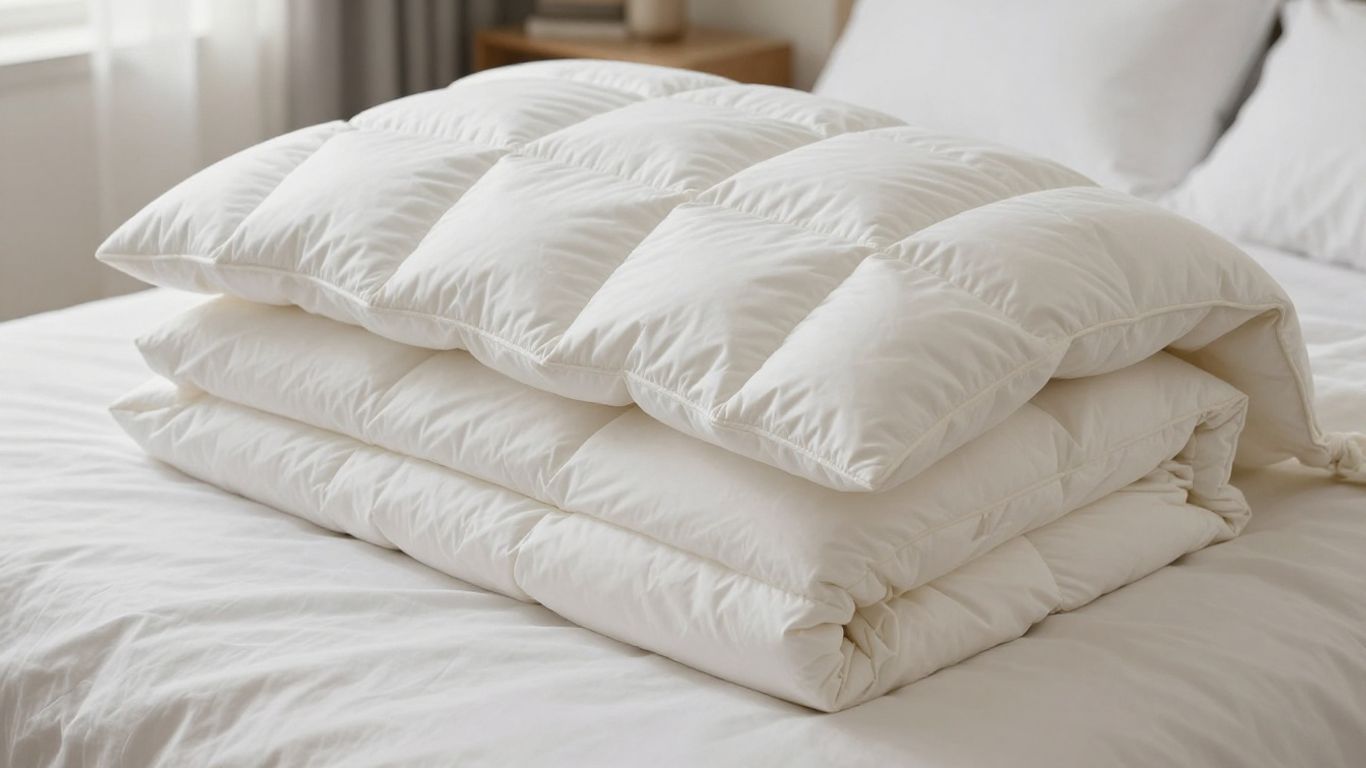
Swapping out bedding with the changing seasons can feel like a chore, right? Heavy duvets for winter, light blankets for summer – it’s a cycle many of us go through. But what if you could simplify all that with just one comforter? That’s the magic of an all-season comforter. It’s designed to keep you comfortably warm when the temperature drops and breathable enough so you don’t overheat when it’s warm out. This kind of versatility means less clutter in your linen closet and fewer linen changes throughout the year. It’s about consistent comfort, no matter the weather outside.
Key Factors for the Best All-Season Down Comforter
When you’re on the hunt for a comforter that can truly handle all four seasons, a few things really matter. It’s not just about the fill; the cover and how it’s put together play a big role too. Think of it like building a good sandwich – all the parts need to work together.
Here’s what to look for:
- Fill Material and Weight: This is probably the most obvious factor. The type of filling and how much of it there is directly impacts warmth and breathability. We’ll get into the specifics of down versus alternatives later, but generally, a medium weight is the sweet spot for year-round use.
- Cover Fabric: The material your comforter is covered in affects how it feels against your skin and how well it breathes. Some fabrics are naturally cooler, while others feel cozier. A good cover also helps keep the fill contained.
- Construction Details: How the comforter is stitched together makes a huge difference in its longevity and performance. Things like baffle-box construction prevent the fill from shifting, which means no more cold spots or lumpy bits.
Balancing Warmth and Breathability
The real trick to an all-season comforter is its ability to balance warmth with breathability. It needs to trap enough heat to keep you cozy on a chilly night, but it also needs to let excess heat and moisture escape when the weather warms up. This is often achieved through a medium fill weight, typically around 300 GSM (grams per square meter). This amount provides a good level of insulation without being overly heavy or stifling. Natural fibers like cotton or down are often favored for their inherent breathability, allowing air to circulate more freely than synthetic materials might. A tightly woven cotton shell, like a 400-thread-count organic cotton, can also help keep the fill in place while still allowing for some airflow.
Finding a comforter that works year-round means you don’t have to constantly adjust your bedding. It’s about creating a comfortable sleep environment that adapts with the seasons, simplifying your life and improving your sleep quality.
Choosing Your Ideal Fill and Fabric
When you’re hunting for that perfect all-season down comforter, the inside stuff and the outside cover really matter. It’s not just about how fluffy it looks; it’s about what’s actually in there and what it’s wrapped in. Getting this right means the difference between a comforter you love year-round and one that’s just okay.
Fill Material and Weight Considerations
The heart of any down comforter is its fill. For down, you’ll mostly see duck or goose down. Goose down is generally considered a bit more premium, often fluffier and with better insulating properties. Duck down is still great, though, and can be a more budget-friendly choice. The real magic, however, comes from something called ‘fill power.’ This isn’t about how much fill there is, but how much space a certain amount of fill takes up. A higher fill power, like 600 or more, means the down is loftier and traps more air, giving you more warmth for less weight. This is key for an all-season comforter – you want warmth without feeling like you’re buried under a ton of bricks.
Think about your personal sleep temperature. If you tend to run hot, you’ll want a lower fill power (around 400-500) and a lighter fill weight. If you’re always cold, aim for a higher fill power (600+) and a bit more fill weight. For a true all-season comforter, a medium fill power, somewhere in the 500-600 range, is often the sweet spot. It provides enough warmth for cooler nights but isn’t so heavy that it makes you overheat when the temperature rises.
Here’s a quick look at how fill power can affect your comforter:
| Fill Power | Loftiness | Warmth | Typical Use |
|---|---|---|---|
| 400-500 | Moderate | Lighter | Warmer climates, hot sleepers |
| 500-600 | Good | Medium | All-season use, average sleepers |
| 600+ | Excellent | Warmer | Colder climates, cold sleepers |
The goal for an all-season comforter is to find a fill that offers good insulation without being overly dense or heavy. This balance allows it to keep you warm when it’s chilly and remain comfortable when the weather is mild.
The Importance of Cover Fabric
The fabric encasing the down is just as important as the fill itself. You’ll most commonly see cotton covers, and for good reason. Cotton is breathable, soft, and durable. The thread count of the fabric also plays a role. A higher thread count (say, 300 or more) generally means a tighter weave, which helps keep the down from escaping and also feels smoother against your skin. However, super high thread counts can sometimes make the fabric less breathable, so finding that middle ground is good. Materials like sateen offer a silky feel, while percale is crisper. For an all-season comforter, a breathable cotton cover is usually your best bet. Some covers also come with certifications like OEKO-TEX, meaning they’ve been tested for harmful substances, which is a nice bonus for peace of mind. If you’re looking for a luxurious feel, a soft cotton sateen shell is a popular choice.
Understanding Construction Details
How the comforter is put together affects how evenly the fill stays distributed and how warm it is. The two main types of construction are ‘sewn-through’ and ‘baffle-box.’
- Sewn-through: This method stitches all the way through both layers of fabric, creating pockets or channels. It’s simple and prevents the fill from shifting too much, making it easy to wash. The downside is that the stitching can create small ‘cold spots’ where the fabric is sewn together.
- Baffle-box: This is a bit more complex. It uses fabric walls (baffles) inside the comforter to create separate boxes. This allows the down to expand fully and loft up, creating maximum warmth and preventing shifting without those cold spots you get with sewn-through designs. It’s generally considered the superior construction for down comforters, especially if you want that cloud-like feel.
For an all-season comforter, baffle-box construction is often preferred because it allows the down to achieve its full loft and provide consistent warmth. It helps the comforter feel lighter while still being warm. You might also see options that are specifically designed to be lightweight, like some budget-friendly down alternatives that mimic the feel of down.
Top Picks for the Best All Season Down Comforter
Finding that one comforter that works for you all year can feel like a quest, right? You want something cozy for chilly nights but not so heavy that you’re sweating when it’s warmer. Luckily, there are some great options out there that really hit that sweet spot. We’ve looked at a few popular choices that people seem to love for their year-round comfort.
Brooklinen Down Comforter Review
The Brooklinen Down Comforter is often mentioned for its quality. It uses Hutterite duck down, which is known for being pretty good stuff. The shell is made of cotton sateen, and it feels nice and soft. What’s cool about this one is the baffle-box construction. This means the down stays put, so you don’t end up with cold spots where the filling has moved. It’s made in Canada and is treated to be hypoallergenic, which is a plus if you have allergies. The fill power is in the 650 to 750 range, giving you warmth without feeling like you’re buried under a ton of blankets.
- Fill: 75%-85% Hutterite Duck Down
- Warmth: Lightweight, All-Season, Ultra-Warm options
- Construction: Baffle-box
- Certifications: OEKO-TEX Standard 100
Riley White Goose Down Comforter Highlights
Riley’s comforter uses 100% European white goose down. They say there are no cheaper fillers mixed in, which is nice to hear. The shell is a combed cotton sateen, and it feels really smooth. This one is RDS certified, meaning they say the down comes from birds that were treated well. That’s something to consider if animal welfare is important to you. Like the Brooklinen, it has a box construction to keep the down from shifting. They also offer a three-year warranty, which is pretty decent.
- Fill: 100% European White Goose Down
- Warmth: All-Season, Extra Warm
- Construction: Box construction
- Certifications: RDS Certified
Garnet Hill Essential Down Comforter Features
While specific details can vary, Garnet Hill often focuses on natural materials. Their essential down comforter typically uses duck down and aims for a comfortable, midweight feel that can work across different seasons. The focus here is usually on creating a balanced warmth that isn’t too heavy for warmer nights but still provides comfort when it’s cooler. It’s a solid choice if you’re looking for something reliable without too many bells and whistles.
Choosing the right comforter is about finding that balance between cozy warmth and comfortable breathability. It shouldn’t feel like a burden on hot nights or leave you shivering when the temperature drops. The goal is consistent comfort, night after night.
When you’re looking at these options, think about what kind of fill you prefer and how warm you tend to sleep. Some people find that a good down alternative, like the Saatva All-Year Down Alternative Comforter, can also be a great choice if you have sensitivities or prefer not to use natural down. It’s all about what feels best for your personal sleep environment.
Expert Recommendations for Year-Round Comfort
Recommended Comforters for Temperature Control
Finding a comforter that works for every season can feel like a puzzle, but experts agree that a medium-weight fill is your best bet. Think around 300 GSM (grams per square meter). This weight offers enough warmth for cooler nights without making you overheat when the temperature rises. Materials like down-alternative, organic wool, or even a good quality down fill are often recommended because they naturally help regulate your body temperature. The goal is to have something that traps heat when you need it but also lets air circulate when you’re feeling warm. It’s all about that balance.
Choosing the Best Fabric for Year-Round Bedding
When it comes to the fabric of your comforter, breathability is key for year-round comfort. Natural fibers tend to perform best. Cotton is a classic choice because it’s soft, breathable, and easy to care for. Bamboo and eucalyptus-based fabrics are also great options, known for their moisture-wicking properties, which can help keep you cool and dry. For those who like a bit more natural warmth, Merino wool is fantastic; it’s breathable, moisture-wicking, and has a natural ability to regulate temperature. A tightly woven, high-thread-count cotton shell, like 400-thread-count organic cotton, is often suggested because it keeps the fill from escaping and can also help keep dust mites out.
Down Alternative and Wool Comforter Options
If you’re looking for alternatives to traditional down, there are some excellent choices. Down-alternative comforters are a popular pick, especially for those with allergies. They use synthetic fills designed to mimic the loft and warmth of down but are hypoallergenic and often easier to wash. Many brands offer these in various weights, so you can find one suitable for all seasons. Wool comforters, particularly those made from Merino wool, are another fantastic option. They offer great temperature regulation, are naturally moisture-wicking, and provide a cozy warmth without feeling heavy or stifling. They’re a solid choice for anyone seeking natural fibers that perform well across different temperatures. You can find great down alternative comforters that offer a plush feel without the allergens.
The trick to a truly all-season comforter isn’t just the fill, but also how it’s constructed. Look for baffle-box stitching. This creates individual compartments for the fill, stopping it from clumping up in one spot and ensuring even warmth distribution. Also, check for corner loops; these are super handy for securing your comforter inside a duvet cover, preventing that annoying bunching that happens when it shifts around.
Maximizing Comfort Through Layering
Swapping out bedding with the changing seasons can feel like a chore. But what if you could use one comforter and just adjust how you use it? That’s where layering comes in. It’s a smart way to get year-round comfort without needing a closet full of different duvets. Think of it like dressing in layers for the weather – you add or remove pieces to stay just right.
Layering for Spring and Summer
When the weather warms up, you want your comforter to feel light and airy. For spring and summer, you might use your all-season comforter on its own. If it’s a bit too warm, consider using just a duvet cover, or even a lighter quilt or coverlet on top of your sheets. This allows for better airflow, preventing you from overheating during those milder nights. The goal is to feel comfortably covered, not swaddled.
- Solo Use: Your medium-weight all-season comforter might be just enough on its own for cooler spring evenings or mild summer nights.
- Light Cover: Pair your comforter with a breathable duvet cover made of cotton or linen for a touch of softness and to keep it clean.
- Minimalist Approach: Opt for a light quilt or coverlet instead of the comforter for those really warm summer nights when you just need a thin layer.
Layering in warmer months is all about promoting airflow. You want to feel cozy but not trapped, allowing your body to regulate its temperature naturally.
Achieving Winter Warmth with Layering
As the temperatures drop, it’s time to bring on the warmth. Layering is your best friend for winter. You can add blankets underneath your comforter or use a heavier duvet cover. Some comforters are designed to be modular, meaning you can snap two lighter inserts together to create a thicker, warmer comforter. This is a fantastic way to adapt your bedding without buying a whole new winter duvet. For extra chill, a thermal blanket under your comforter can add insulation without making things too bulky. Mastering the art of layering your bed can make a big difference.
Modular Comforter Systems
Some comforters are built with versatility in mind. These often come as a "3-in-1" system, featuring two separate inserts of different weights. You can use the lighter insert alone in spring and fall, the heavier one in cooler weather, or snap both together for maximum warmth in the dead of winter. This kind of system is incredibly practical, cutting down on storage needs and simplifying your bedding routine. It’s like having a custom comforter for every temperature, all in one package. If you’re looking for a truly adaptable bedding solution, exploring these modular options is a great idea. Achieve a beautifully layered bed with these systems.
Essential Care for Your Down Comforter
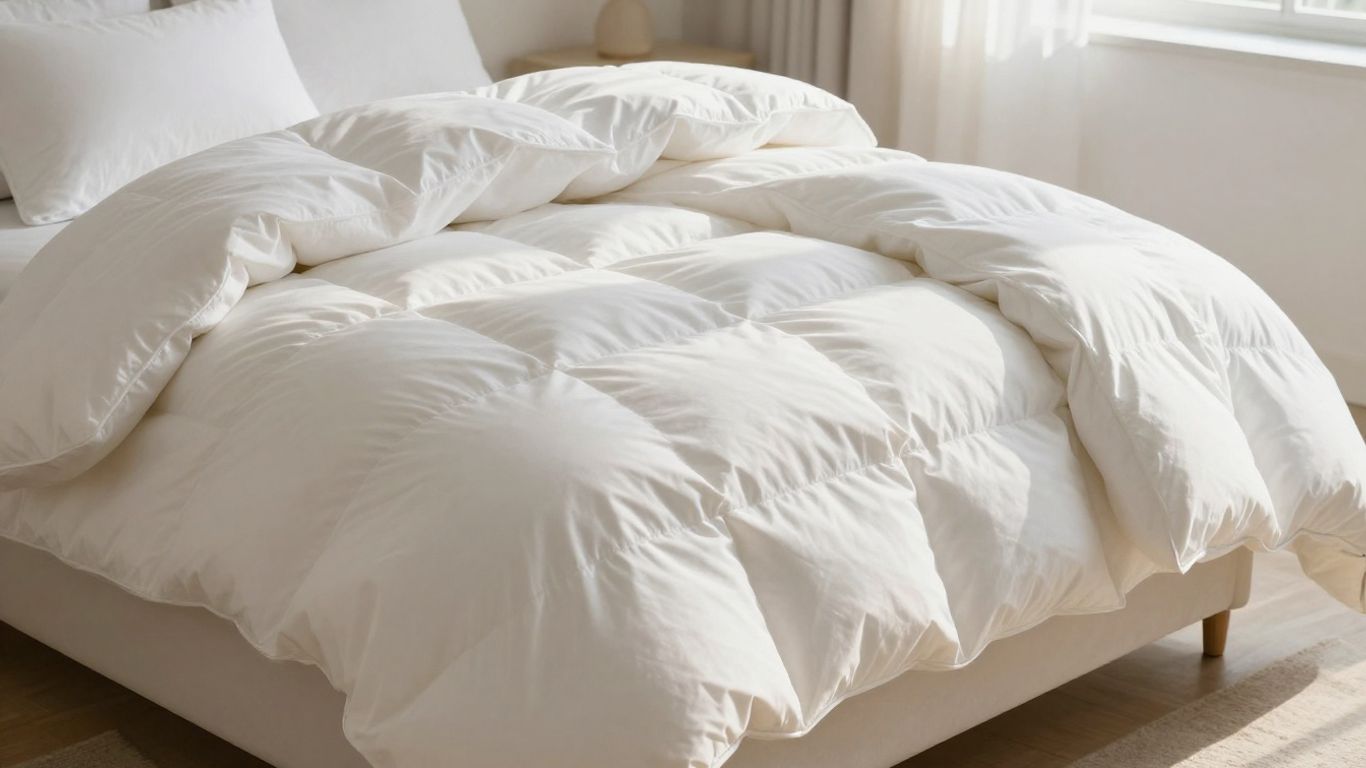
Taking good care of your down comforter is key to keeping it fluffy and comfortable for years. It’s not as complicated as you might think, and a little routine attention goes a long way.
Proper Washing Techniques
First off, the best way to keep your comforter clean is to use a duvet cover. This acts as a shield, catching most of the dirt, oils, and spills before they reach the down. If you use a cover, you might only need to wash your comforter itself once every few years, especially if it’s not visibly soiled or smelly. Washing it too often, or using harsh methods, can actually damage the down and shorten its lifespan. For most down comforters, a gentle machine wash is possible, but always check the care label first. Some manufacturers still recommend dry cleaning, but experts often advise against it because the chemicals can strip the natural oils from the down, making it brittle.
- Use a duvet cover: This is your first line of defense.
- Wash infrequently: Aim for once every 3-5 years if it’s not dirty.
- Check the label: Always follow the manufacturer’s specific instructions.
- Avoid harsh chemicals: Skip the dry cleaner if possible; opt for gentle machine washing if allowed.
Drying and Restoring Loft
After washing, drying is just as important. Always dry your down comforter on a low heat setting. High heat can damage the delicate down clusters. To help the down dry evenly and prevent clumping, toss in a few clean dryer balls or even a couple of tennis balls. This helps break up any clumps and restores the comforter’s natural fluffiness, or loft. It might take a few cycles to get it completely dry, so be patient. You want to make sure there’s no moisture left inside, as that can lead to mildew.
Storing Your Comforter for Longevity
When it’s time to store your comforter, perhaps for a different season, choose a breathable container. A cotton bag or a large cotton sheet is ideal. Avoid plastic bags or bins, as they can trap moisture and lead to mildew or a musty smell. Store it in a cool, dry place, like a linen closet. Giving it a good shake or fluff every so often while in storage can also help maintain its loft. Proper storage helps keep your comforter fresh and ready for when you need it again. If you’re looking for hypoallergenic options, consider down alternative comforters that are often easier to care for and maintain.
Key Features That Define Quality
Understanding Fill Power and Weight
When you’re looking at down comforters, you’ll see a couple of numbers that really tell you what you’re getting: fill power and fill weight. Don’t just glance over them; they’re pretty important for figuring out how warm and fluffy your comforter will be. Fill power is basically a measure of how much space one ounce of down takes up. A higher fill power, say 700 or more, means the down is fluffier and traps more air, which leads to better insulation without making the comforter feel heavy. Think of it like this: more air pockets mean more warmth.
Fill weight, on the other hand, tells you how much down is actually in the comforter. A comforter with a higher fill weight will generally feel heavier and be warmer, assuming the fill power is similar. So, you might see a comforter with a high fill power but a moderate fill weight, making it warm but still light. Or, you could have a lower fill power with a very high fill weight, resulting in a heavy, warm comforter. It’s a balance that depends on what you’re looking for. For year-round use, you’ll want to find a sweet spot that offers warmth without being too much for warmer nights. A good starting point for an all-season comforter might be a fill power between 600 and 750, with a fill weight that feels comfortable to you.
| Feature | Description |
|---|---|
| Fill Power | Measures the loft and insulating ability of the down (higher is better). |
| Fill Weight | Indicates the total amount of down used (heavier usually means warmer). |
| All-Season | Often a medium fill power and weight, balancing warmth and breathability. |
Material, Thread Count, and Certifications
The outside fabric, or shell, of your comforter matters a lot too. Most good ones use cotton because it’s breathable and feels nice against your skin. You’ll often see a thread count mentioned, and while a higher number isn’t always the only thing that matters, it can indicate a tighter weave. A tighter weave helps keep that fluffy down from escaping through the fabric. Look for counts in the 300-500 range for a good balance of softness and durability.
Beyond the material itself, certifications are a big deal, especially if you care about where your down comes from. The Responsible Down Standard (RDS) is a good one to look for. It means the down was sourced ethically, without harming the animals. Another certification, OEKO-TEX, means the fabric has been tested and is free from harmful chemicals. This is great if you have sensitive skin or just want to be sure your bedding is safe.
- Cotton Shell: Breathable and soft, a common choice for comfort.
- Thread Count: Higher counts (300+) can mean a tighter weave, preventing down leakage.
- RDS Certified: Ensures ethical sourcing of down.
- OEKO-TEX Certified: Guarantees the fabric is free from harmful substances.
Choosing a comforter with the right certifications and materials means you’re not just getting a cozy blanket, but one that’s made responsibly and safely. It’s about peace of mind as much as it is about comfort.
The Role of Construction in Durability
How a comforter is put together really affects how long it lasts and how well it performs. The stitching pattern is key here. You’ll usually see box stitching or baffle box construction. Box stitching sews all the way through the top and bottom layers, creating squares that hold the down in place. Baffle boxes are a bit more advanced; they use fabric walls inside to create a 3D effect, allowing the down to really loft up and fill the space evenly. This method is generally better at preventing cold spots and keeping the fill from shifting around too much.
Think about it: if the down can move around freely within its compartments, it can trap air more effectively and keep you warmer. Plus, a well-constructed comforter won’t end up with lumpy sections after a few washes. It’s the difference between a comforter that feels great for years and one that starts to look sad after just a season. For a truly all-season comforter, look for construction that promotes even distribution and loft, like baffle boxes, which are often found in high-quality down comforters. This attention to detail in how the comforter is sewn is what separates a good product from a great one that will last.
Addressing Common Comforter Questions
What Makes a Comforter Truly All-Season?
Figuring out if a comforter is genuinely meant for year-round use can feel a bit like a guessing game. But there are a few things to look for. A good all-season comforter strikes a balance between warmth and breathability. It shouldn’t make you overheat in the summer or freeze in the winter. Think of it as a versatile layer that can adapt.
Here’s a quick rundown of what to check:
- Fill Weight: Look for a medium fill weight. This is often around 300 GSM (grams per square meter) for down alternatives or wool. It’s not too heavy, not too light.
- Fill Material: Natural fibers like down, feathers, or wool are great because they breathe well and manage moisture. Down alternative is also a popular choice.
- Construction: Baffle-box stitching is a big plus. It keeps the fill from clumping up and creating cold spots or areas that are too hot.
- Cover Fabric: Breathable materials like cotton or bamboo are key. They help with air circulation.
The goal is a comforter that feels just right, no matter the season. It should feel cozy without being stifling, and provide enough warmth without trapping heat.
Best Fill for Sensitive Skin
If you have sensitive skin, choosing the right fill and cover material is super important. You want something that’s gentle and won’t cause irritation.
- Organic Cotton: A comforter with an organic cotton cover, especially one that’s GOTS-certified, is a fantastic option. It means the cotton is grown without harsh chemicals, and the fabric itself is usually soft and breathable.
- Wool: Natural wool, like Merino wool, is naturally hypoallergenic and moisture-wicking. It can help regulate temperature, which is good for sensitive skin that might react to being too hot or too cold.
- Down Alternative: High-quality down alternatives made from materials like Tencel or specific types of polyester can also be good choices. Just make sure they are OEKO-TEX certified to ensure they’re free from harmful substances.
Avoid fills that might trap moisture or are treated with a lot of chemicals. Always check the product details for certifications like OEKO-TEX or GOTS.
Keeping Cool in Summer with Your Comforter
Even with an all-season comforter, summer nights can sometimes feel a bit too warm. Don’t worry, there are ways to manage.
- Choose Breathable Materials: If you’re buying a new comforter, look for ones specifically designed for breathability. Materials like organic cotton, bamboo, or lightweight wool are excellent for wicking away moisture and allowing air to circulate. Some down comforters are also made with lighter fills that work well for warmer weather. For instance, Brooklinen offers a lightweight down comforter that many find perfect for hotter months.
- Layering is Key: You can adjust your bedding layers. In the summer, you might just use the comforter on its own, or pair it with a very light sheet. If your comforter feels a bit too warm, try removing the duvet cover or switching to a lighter one made of linen or percale.
- Room Temperature: Make sure your room is cool. Using a fan or air conditioning can make a big difference. A cooler room means your comforter will feel more comfortable.
Sometimes, even the best all-season comforter might need a little help during a heatwave. It’s all about adjusting your setup to suit the weather.
Sweet Dreams, All Year Long
So, ditching those seasonal bedding swaps might just be the easiest way to get better sleep. Finding that one comforter that works for every single night, no matter the weather outside, really does make a difference. It’s about simplifying your life and making sure you’re always comfortable. Whether you went with a fluffy down option or a breathable alternative, the goal is simple: a good night’s sleep, every night. Now go enjoy that cozy, consistent comfort!
Frequently Asked Questions
What makes a comforter good for all four seasons?
A comforter that works all year round usually has a medium amount of filling, not too heavy and not too light. This way, it keeps you warm when it’s cold but also lets air flow through so you don’t get too hot when it’s warm. Think of it like a comfy hug that adjusts to the weather.
Can I use a light comforter in the winter?
Absolutely! If you have a lighter comforter, you can easily add another blanket on top or use a warmer duvet cover. This way, you can add more warmth when you need it without having to store away your favorite light comforter.
How do I stop my comforter from feeling too hot in the summer?
To stay cool, look for comforters made with materials that let air pass through easily, like cotton or special down alternatives. Some comforters even have special stitching that creates little air pockets. These help keep you dry and comfortable, even on the warmest nights.
How can I tell if a comforter is truly designed for year-round use?
Check for a few things: it should have a medium fill weight (not too much, not too little), stitching that keeps the filling from moving around (like baffle boxes), and covers made from natural, breathable fabrics. These features help it work well in different temperatures.
What’s the best filling for people with allergies or sensitive skin?
For sensitive skin, it’s best to choose comforters with natural, hypoallergenic materials. Organic cotton covers or fillings like organic wool are great choices. They are less likely to cause irritation and are often free from harsh chemicals.
Which types of comforters are best for keeping a steady temperature all year?
Comforters made from down, down alternatives, or wool are usually the best. They are good at trapping heat when it’s cold but also allow air to escape when it’s warm. Plus, they can help manage moisture, keeping you comfortable no matter the season.
What kind of fabric should I look for in a comforter that I’ll use all year?
Breathable fabrics are key! Cotton, bamboo, and certain types of wool are excellent choices. They help your body temperature stay just right by allowing air to move freely and wicking away moisture, making them comfy in both hot and cold weather.
What are some ways to layer bedding for different seasons?
For warmer months, use just a light comforter or a breathable cover. As it gets cooler, you can add a heavier blanket or a second, warmer comforter. Some comforters even come in sets that snap together, making it super easy to adjust the warmth.