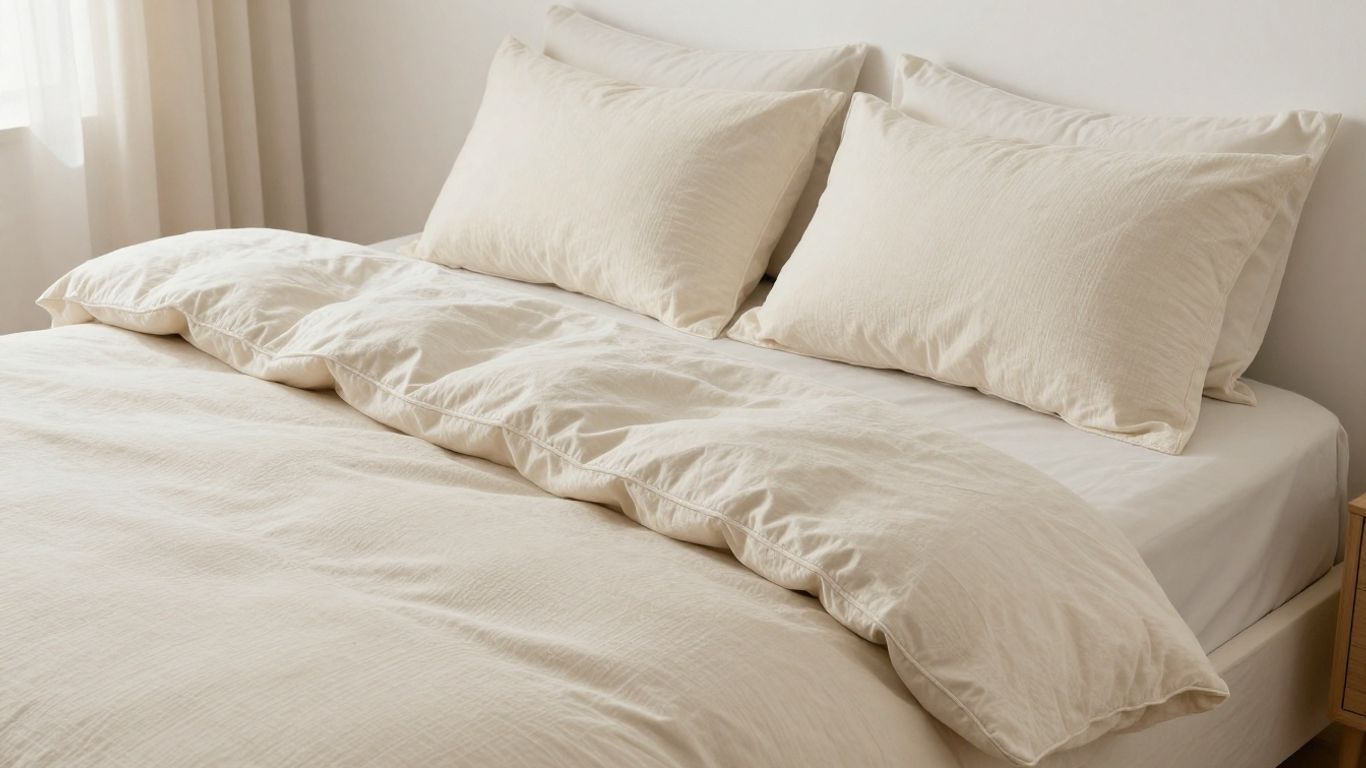
Sometimes, the difference between a cozy snooze and a restless night is all in the duvet. The right duvet insert and duvet cover combination can make or break a good night’s sleep. Choose the wrong fabric, and you might find yourself freezing or sweating in the middle of the night. Many people still view duvets as an afterthought, but why? Bedding is the one place where you truly can have it all – from looks to comfort – so why settle for less? The idea of choosing a duvet may seem intimidating, especially if you’re used to comforters, which are pretty straightforward. With a comforter, there’s no duvet cover to fiddle with, but duvets can actually offer a whole lot more flexibility, especially when it comes to style. This guide breaks it down: what actually is a duvet, how do duvet covers work, and what type will give you the best sleep ever?
Key Takeaways
- A duvet is essentially a soft blanket, often filled with down or synthetic materials, that’s meant to be used inside a removable cover.
- Duvet covers act like pillowcases for your duvet, protecting the insert and offering an easy way to change your bedroom’s style.
- When choosing a duvet, consider the fill material (like down or synthetics) and fill power for warmth and loft. For the cover, think about materials like cotton, silk, or flannel for comfort and aesthetics.
- Proper sizing is key; a duvet should adequately cover your mattress without being too bulky or too small.
- Pillow shams are decorative covers for pillows that complement your duvet and sham set, helping to tie the whole look together.
Understanding the Duvet and Its Purpose
When you think about getting cozy in bed, what comes to mind? For many, it’s that fluffy, cloud-like blanket that feels just right. That’s often a duvet, and it’s a pretty important piece of bedding. Unlike a comforter, which is a finished piece, a duvet is designed to be an insert. Think of it like a pillow for your bed. It’s the core component that provides warmth and loft.
What Exactly Is a Duvet?
A duvet is essentially a soft, flat bag filled with down, feathers, wool, or synthetic alternatives. Its primary job is to keep you warm. Historically, duvets have roots in rural Europe, where they were often filled with natural materials like duck or goose down. The quality of these fillings can vary, with some sources pointing to specific types of feathers as being particularly luxurious. The key thing to remember is that a duvet is meant to be used with a cover. It’s not typically used on its own, which is where the duvet cover comes in.
Duvet Inserts: The Heart of Your Duvet
The insert is the actual filling part of the duvet. This is where the warmth and weight come from. You can find duvet inserts with different fill powers, which indicates how much space the filling takes up and how insulating it is. Some people prefer a lighter insert for warmer months, while others want a super plush, heavy one for winter. The material inside the insert is what really dictates the overall feel and temperature regulation of your bedding.
The Role of the Duvet Cover
So, if the insert is the heart, the duvet cover is the stylish, protective skin. It’s a fabric casing that slides over the duvet insert, much like a pillowcase goes over a pillow. This cover serves a couple of really important functions. First, it keeps your duvet insert clean. Since washing a big, fluffy duvet can be a hassle, washing the cover is a much simpler task. It also means you can easily change the look of your bedroom just by swapping out the cover. It’s a practical and decorative element all rolled into one.
Duvet covers are incredibly versatile. They allow you to update your bedroom’s aesthetic without needing to buy a whole new duvet. This makes them a budget-friendly way to keep your decor fresh and seasonal.
Duvet Covers: More Than Just a Protective Layer
Think of a duvet cover as the outfit for your duvet insert. It’s not just about making your bed look pretty, though that’s a big part of it. This outer layer does some heavy lifting when it comes to keeping your bedding fresh and extending the life of your duvet.
The Function of a Duvet Cover
At its core, a duvet cover is a shield. It protects your duvet insert from all the things that can make it dingy over time: body oils, sweat, spills, and even just dust. This protective function means you’ll be washing the cover much more often than the insert itself, which is a huge convenience. It’s like a pillowcase for your pillow – way easier to swap out and clean.
Benefits of Using Duvet Covers
Beyond protection, duvet covers offer a lot of practical advantages:
- Easier Cleaning: Simply zip or button off the cover and toss it in the wash with your regular laundry. This is a game-changer compared to trying to wash a bulky duvet insert.
- Style Versatility: Want a new look for your bedroom? Changing your duvet cover is the quickest and most affordable way to do it. You can switch from a crisp, cool linen for summer to a warm, fuzzy flannel for winter without buying a whole new duvet.
- Hygiene: Regularly washing the cover helps keep your sleeping environment cleaner and can slow down discoloration of the insert over time.
- Comfort Customization: Different cover materials offer different feels. You can choose a silky smooth cover for hot sleepers or a soft, brushed cotton for extra coziness.
Using a duvet cover is a smart move for anyone who values both practicality and aesthetics in their bedroom. It simplifies upkeep and opens up a world of design possibilities.
Styling Your Bed with Duvet Covers
Your duvet cover is the main event when it comes to making your bed look inviting. It sets the tone for your entire room. You can go bold with a vibrant pattern, keep it serene with a solid neutral color, or add texture with a unique weave. Don’t forget to coordinate your shams with your duvet cover for a polished look. It’s the easiest way to give your bedroom a refresh whenever you feel like it, whether that’s with the changing seasons or just because you want a new vibe.
Duvet vs. Comforter: Making the Right Choice
So, you’re trying to figure out the whole bedding situation, and you’ve hit the classic duvet versus comforter crossroads. It’s a common point of confusion because, let’s be honest, they both look like big, comfy blankets meant for your bed. But there are some pretty significant differences that can totally change your sleep game and how you take care of your bedding.
Key Differences Between Duvets and Comforters
The main thing to remember is that a duvet is essentially a bag filled with a soft material, designed to be used inside a removable cover. Think of it like a pillow insert – you wouldn’t just use a pillow insert on its own, right? A comforter, on the other hand, is a finished product. It’s a quilted blanket where the filling is sewn directly into the fabric, so it’s all one piece. This fundamental difference impacts everything from cleaning to style.
Here’s a quick rundown:
- Duvet: Consists of an insert (the fluffy part) and a separate cover. The cover is what you see and feel, and it’s washable.
- Comforter: A single piece of bedding with the filling sewn inside. It’s ready to go right out of the package.
The duvet’s design offers greater flexibility in terms of style and maintenance.
Maintenance and Care Considerations
This is where the duvet really shines for many people. Because the duvet insert itself isn’t meant to be washed frequently (some materials, like down, can be tricky to clean properly), you just toss the cover in the wash. This makes keeping your bed fresh way simpler. Duvet covers are usually machine washable, just like your sheets. Comforters, since they’re a single unit, need to be washed whole. This can be a pain, especially if you have a large comforter or a smaller washing machine. You might even need to take it to a laundromat for a commercial-sized washer.
Washing your duvet cover regularly is key to keeping your bedding hygienic and looking its best. It prevents the buildup of body oils and sweat that can happen over time, even if you use a top sheet.
Versatility in Bedding Choices
If you like to change up your bedroom’s look without buying a whole new blanket every few months, a duvet is your best friend. Want a new color scheme for spring? Just swap out the duvet cover. Bored with your current look? Get a new cover. It’s a much more budget-friendly way to refresh your decor. Comforters are usually sold in specific patterns or colors, so if you want a change, you’re generally looking at buying a whole new comforter. While both can provide warmth and comfort, the duvet’s adaptability is a big plus for many.
When it comes to choosing, think about how much effort you want to put into upkeep and how often you like to switch up your style. If easy cleaning and decor flexibility are high on your list, a duvet system is probably the way to go. If you prefer a simpler, all-in-one solution and don’t mind the occasional full wash, a comforter might be more your speed. You can find great duvet inserts to pair with your chosen duvet cover.
Exploring Duvet Fill Materials
The heart of any good duvet is its filling. This is what gives it that cozy, cloud-like feel and keeps you warm on chilly nights. But not all fillings are created equal, and understanding your options can make a big difference in how you sleep. Let’s break down the most common types you’ll find.
Down and Feather Fillings
This is probably what most people think of when they imagine a super plush duvet. Down comes from the soft undercoating of ducks and geese, while feathers are the outer plumage. Often, duvets use a blend of both. Down is prized for its incredible lightness and warmth; it traps air really well, making it super insulating without feeling heavy. Feathers add a bit more structure and can make the duvet less expensive. However, there are some ethical considerations with sourcing down and feathers, so looking for certifications like the Responsible Down Standard (RDS) is a good idea if that’s important to you. A higher ‘fill power’ number generally means better quality down – it indicates how much space a certain weight of down takes up, so more space means more loft and warmth.
Synthetic and Alternative Fillings
If you’re looking for something hypoallergenic or perhaps a more budget-friendly option, synthetic fills are fantastic. These are usually made from polyester fibers that are engineered to mimic the feel and warmth of down. They’re a great choice for people with allergies because they don’t tend to trap dust mites. Plus, they’re often easier to wash and care for than natural fillings. You can find a wide range of synthetic fills, from basic polyester to more advanced microfibers that aim for that super-soft, lofty feel. Many brands now offer down alternative comforters that are quite comparable to real down.
Wool and Other Natural Options
Wool is another natural filling that’s gaining popularity, especially for those who are sensitive to allergens. High-quality wool can actually help regulate body temperature, keeping you warm in the winter and cooler in the summer. It’s also naturally resistant to dust mites and mold. Other natural options might include cotton or even bamboo fibers, though these are less common for duvet inserts and more often found in duvet covers. They tend to be less lofty than down or synthetics but offer their own unique benefits.
Choosing the right filling is all about balancing warmth, weight, breathability, and your personal preferences. Don’t be afraid to feel a few different types if you can; the texture and loft can vary quite a bit.
Choosing the Ideal Duvet Cover Material
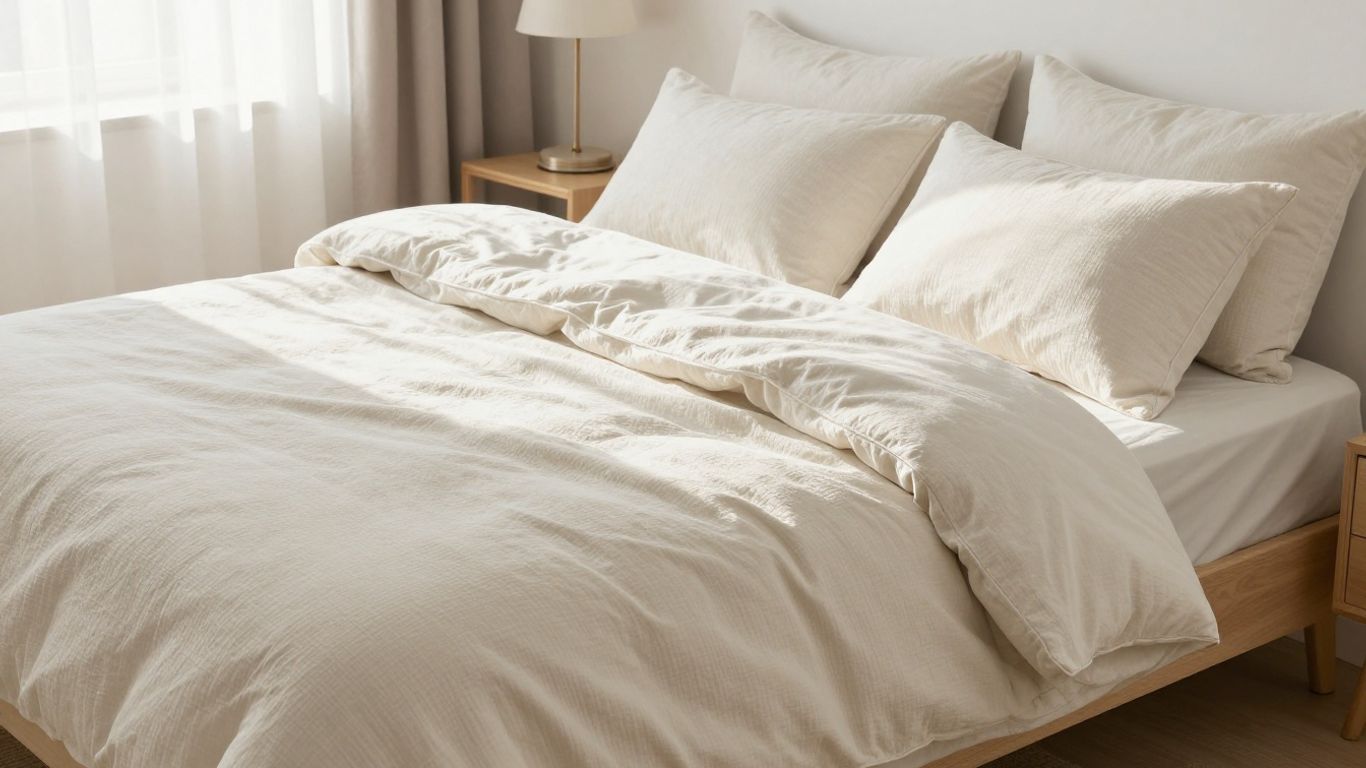
Breathable Cotton for Everyday Comfort
Cotton is a go-to for a reason. It’s soft, breathable, and generally pretty durable, making it a solid choice for just about anyone. Think of it like your favorite t-shirt for your bed. It’s easy to wash and comes in a bunch of different weaves. Percale cotton, for instance, feels crisp and cool, which is fantastic if you tend to sleep warm or live somewhere that gets pretty hot. Sateen cotton, on the other hand, has a smoother, almost silky feel and a bit more drape. It’s a great option if you like a bit of luxury without the fuss of silk. The quality of the cotton, like long-staple cotton, really makes a difference in how it feels and how long it lasts.
Luxurious Silk and Satin Options
If you’re aiming for a bit of glam, silk or satin duvet covers are the way to go. They feel incredibly smooth against your skin and can help with temperature regulation, which is a bonus if you often wake up feeling too hot. Silk is naturally a bit more breathable than satin, but both offer that high-end vibe. Just a heads-up, these materials can be a little more high-maintenance when it comes to washing, so keep that in mind.
Cozy Flannel for Colder Nights
When the temperature drops, nothing beats the cozy embrace of flannel. It’s essentially brushed cotton, which gives it that super soft, fuzzy texture that just screams warmth. Flannel duvet covers are perfect for keeping you toasty on chilly nights. They trap heat really well, so if you’re someone who’s always cold, this is definitely a material to consider. Just be aware that they can be a bit warmer, so they might not be your first pick for the summer months.
Eco-Friendly Bamboo and Organic Cotton
For those who are mindful of their environmental impact or have sensitive skin, bamboo and organic cotton are excellent choices. Bamboo fabric is known for being super soft, breathable, and naturally moisture-wicking. It’s also often hypoallergenic. Organic cotton is grown without harsh chemicals, making it a gentler option for your skin and the planet. These materials offer a great combination of comfort and conscious living.
Here’s a quick rundown:
- Cotton (Percale): Crisp, cool, breathable. Great for warm sleepers.
- Cotton (Sateen): Smooth, soft, slightly more luxurious feel.
- Silk/Satin: Very smooth, temperature-regulating, luxurious.
- Flannel: Warm, fuzzy, cozy. Ideal for cold weather.
- Bamboo/Organic Cotton: Soft, breathable, eco-friendly, hypoallergenic.
Choosing the right material is all about balancing comfort, style, and practicality. Think about how you sleep, the climate you live in, and how much effort you want to put into laundry. You can always switch covers with the seasons, too!
The Importance of Duvet Size and Fit
Picking the right size for your duvet and its cover isn’t just about making your bed look neat; it’s a big deal for how cozy you’ll actually be. A duvet that’s too small just won’t cut it when it comes to keeping you covered all night. You know, those chilly moments when you wake up and half your body is exposed? Yeah, that’s a sign your duvet might be too small.
Ensuring Adequate Coverage
Think about your mattress size, but also how much overhang you want. A general rule of thumb is to get a duvet that’s about 10 to 20 inches wider than your mattress. This gives you that nice drape over the sides and foot of the bed. For example, a Queen bed (60 inches wide) might do well with a duvet that’s around 80 to 90 inches wide. It’s all about having enough blanket to go around, especially if you share your bed and tend to toss and turn. You don’t want to be playing tug-of-war with your partner all night for warmth.
Avoiding Cumbersome Bedding
On the flip side, a duvet that’s way too big can be a pain. It can feel heavy, be hard to manage when making the bed, and honestly, just look a bit sloppy. Imagine trying to fold a giant duvet that barely fits in your washing machine – not fun. You want something that drapes nicely without overwhelming your space or making bedtime a wrestling match.
Matching Duvet Size to Bed Size
Here’s a quick look at common bed sizes and suggested duvet widths to get you started. Remember, these are just starting points, and personal preference plays a huge role!
| Bed Size | Mattress Width (approx.) | Suggested Duvet Width (approx.) |
|---|---|---|
| Twin | 38 inches | 58 – 68 inches |
| Twin XL | 38 inches | 58 – 68 inches |
| Full | 53 inches | 73 – 83 inches |
| Queen | 60 inches | 80 – 90 inches |
| King | 76 inches | 96 – 106 inches |
| California King | 72 inches | 92 – 102 inches |
When you’re shopping, you’ll often see duvet sizes listed by the insert dimensions. It’s important to check these measurements against your bed and desired coverage. Some brands, like Hush, even offer slightly oversized King size duvets and covers specifically designed for better drape and comfort.
Getting the size right means your duvet will look good, feel good, and do its job of keeping you warm and comfortable all night long. It’s a simple step that makes a big difference in your sleep setup. Don’t underestimate the power of a well-fitting duvet!
Pillow Shams: Complementing Your Duvet Ensemble
The Decorative Role of Pillow Shams
Pillow shams are those decorative pillow covers that really tie your whole bed together. Think of them as the finishing touch, the stylish accessory that makes your bed look intentionally put-together, not just thrown together. They usually have a flange or a border around the edge, and often a closure on the back, like buttons or an envelope fold, so you can easily get your pillow inside. They’re designed to be seen, not necessarily slept on every night, though some people do use them that way.
Coordinating Shams with Your Duvet Cover
Matching your shams to your duvet cover is a classic move. It creates a really cohesive look. You can go for a direct match, where the sham fabric and pattern are identical to your duvet cover. Or, you can play it a little safer by choosing a sham in a solid color pulled from the pattern on your duvet cover. This adds a bit of subtle contrast without clashing. Another popular option is to use shams that have a complementary texture or a coordinating pattern. For example, if your duvet cover has a floral print, you might choose shams with a subtle stripe or a textured weave in a similar color family. It’s all about creating visual harmony on your bed.
Here’s a quick rundown of common sham styles:
- Standard Shams: These are typically rectangular and fit standard bed pillows. They’re versatile and work well on most beds.
- Euro Shams: These are square and larger than standard shams. They’re often used as a backdrop for other pillows, adding depth and a layered look.
- King Shams: These are long and rectangular, designed to fit king-sized pillows and span the width of a king-sized bed.
Selecting the Right Sham Size
Getting the size right is pretty important. You don’t want shams that are too small, making your pillows look squished, or too big, where they overwhelm the bed. The general rule of thumb is to match the sham size to your pillow size. Standard pillows fit standard shams, king pillows fit king shams, and so on. For Euro shams, they’re usually 26×26 inches and are meant for those square Euro pillows. When you’re building your bed stack, considering the scale of your pillows and shams relative to your duvet and mattress is key to achieving that magazine-worthy look.
Choosing the right pillow shams can really make a difference in how your bedroom feels. They’re not just extra pillows; they’re part of the overall design. Think about the colors, textures, and sizes, and how they all work together with your duvet cover to create a space that feels both comfortable and stylish. It’s a simple way to add a personal touch to your sleeping sanctuary.
When you’re thinking about the whole setup, don’t forget about how the shams fit with everything else. A well-styled bed, with beautifully coordinated bedding, makes a big impact on the room’s atmosphere. It’s about creating a welcoming retreat that you’ll love coming home to.
Achieving the Perfect Bed Stack
Layering Your Bedding Essentials
Making a bed that looks and feels amazing is all about how you layer your pieces. It’s not just throwing things on; it’s a bit of an art form, really. You start with the basics, like your fitted sheet and flat sheet, making sure they’re smooth and tucked in well. This foundation is super important for the whole look. Then comes the duvet insert, which is the main event for warmth and coziness. You’ll want to get this into its cover properly – sometimes it’s a bit of a wrestling match, but worth it.
- Start with a smooth sheet set. This is your base layer.
- Add your duvet insert. Make sure it’s evenly distributed inside the cover.
- Consider a top sheet. Some people love them, others skip them. It’s your call!
- Layer on any extra blankets or quilts. This adds depth and warmth.
Integrating Duvets and Shams
Once your duvet is in place, it’s time to think about the pillows. Pillow shams are like the stylish cousins of regular pillowcases. They usually have a bit of extra trim or a decorative closure, and they’re meant to look good. You’ll typically place your sleeping pillows inside the shams, or sometimes use them just for show with decorative pillows in front. The goal is to create a cohesive look where the duvet cover and the shams work together. Think about color, pattern, and texture. If your duvet cover is busy, maybe go for simpler shams, or vice versa. It’s about balance.
Creating a Cozy and Inviting Look
To really nail that inviting bed look, think about the finishing touches. This is where throws and extra decorative pillows come in. A chunky knit throw draped casually over the corner of the bed can add a lot of texture and warmth. A couple of accent pillows in front of your main sleeping pillows can add personality and color. It’s these little details that make your bed look like a place you just want to sink into. Don’t be afraid to play around with different combinations until it feels right for your room. You can even fold your duvet at the foot of the bed during warmer months to style your duvet and add a lighter layer. Remember, a well-made bed isn’t just about looking good; it’s about creating a personal sanctuary.
Making your bed each morning, even if it’s just a quick tidy, can set a positive tone for the day. It’s a small act of self-care that makes your bedroom feel more put-together and peaceful.
Seasonal Styling with Duvets and Shams
Changing up your bedding with the seasons is a fantastic way to refresh your bedroom’s look and feel without a major overhaul. It’s all about adapting to the weather and your mood. Think of your duvet cover and shams as your bedroom’s wardrobe – easy to swap out and always making a statement.
Lightweight Fabrics for Summer
When the temperatures start to climb, you’ll want bedding that feels light and airy. Materials like linen and lightweight cotton are your best friends here. They breathe well, helping to keep you cool on warm nights. Linen, in particular, has a lovely relaxed texture that just screams summer. You can also opt for lighter colors – think soft blues, greens, or even crisp whites – to make your room feel more open and breezy. It’s amazing how a simple change in fabric can make such a difference to your comfort.
Warmer Materials for Winter
As the days get shorter and colder, it’s time to bring out the cozy textures. Flannel, brushed cotton, or even a duvet with a higher fill power can make a huge difference. These materials trap heat better, providing that snug, warm feeling you crave when it’s chilly outside. Deep, rich colors like burgundy, forest green, or charcoal gray can add to the cozy ambiance. Don’t forget to layer up with extra blankets or throws for added warmth and visual depth. This is where you can really lean into that hygge vibe.
Updating Your Decor with Cover Changes
The beauty of a duvet system is how easily you can change its appearance. Instead of buying a whole new duvet, just swap out the cover. This is a budget-friendly way to keep your bedroom looking current. You can follow color trends, like using earthy neutrals for a cozy feel or rich jewel tones for a more luxurious feel. Having a couple of different duvet covers means you can switch things up whenever the mood strikes or when a new season rolls around. It’s like giving your room a mini-makeover with minimal effort. Pillow shams are also part of this equation; having a matching or coordinating set ties the whole look together beautifully. You might even consider a set of organic cotton pillowcases & shams for a touch of sustainable luxury.
Maintaining Your Duvet and Sham Set
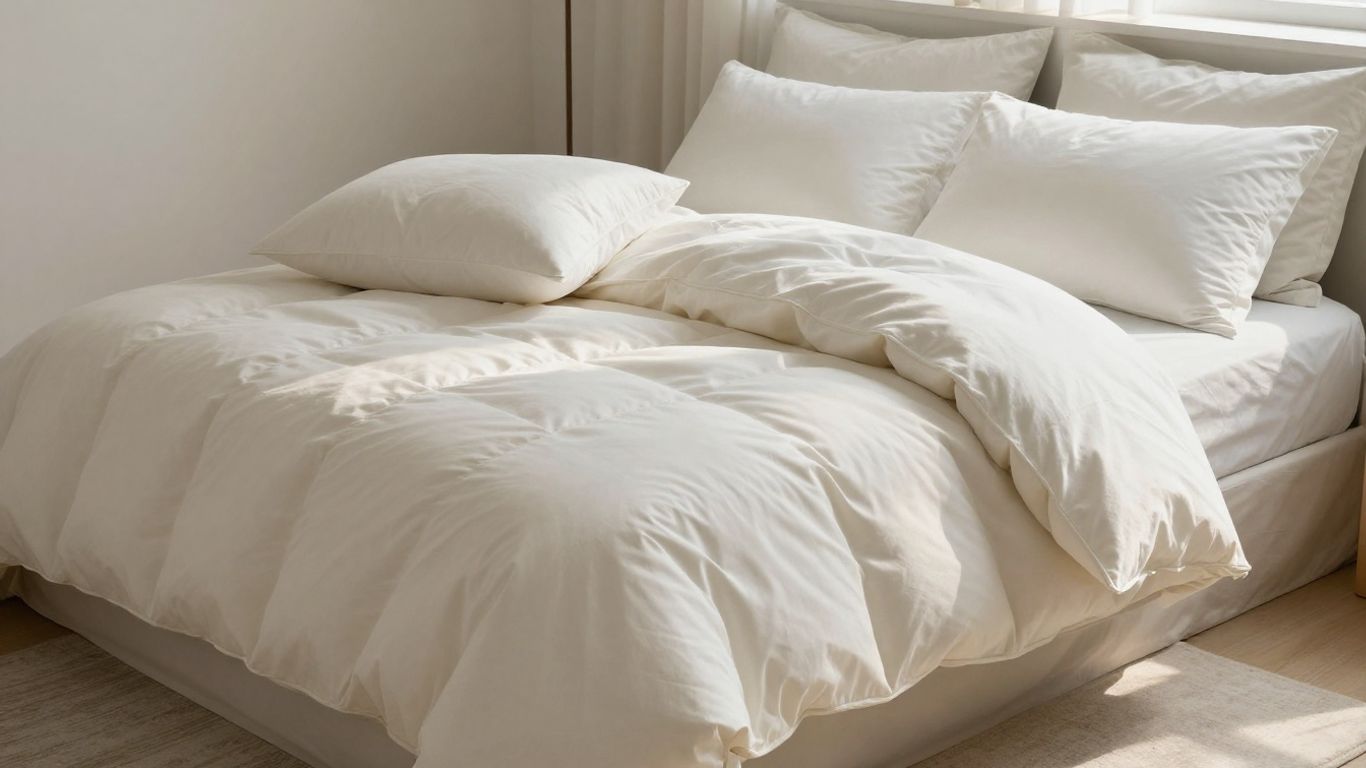
Keeping your duvet and shams looking and feeling fresh is pretty straightforward, but it does take a little attention. Think of it like taking care of your favorite cozy sweater – a little care goes a long way.
Washing Your Duvet Cover
This is usually the easiest part. Most duvet covers are designed to be tossed right into your washing machine. It’s a good idea to wash your duvet cover weekly, just like your sheets. This helps keep things hygienic and prevents oils and moisture from your skin from building up over time, which can cause yellowing or discoloration. Just zip it up or tie the closures if it has them, and wash it with similar colors in cool or warm water. Avoid hot water, as it can sometimes cause shrinkage or fading, especially with certain fabrics.
Caring for the Duvet Insert
The duvet insert itself is a bit different. Depending on the filling – whether it’s down, feathers, or synthetic materials – it might need special care. Many synthetic inserts can be machine washed on a gentle cycle, but it’s always best to check the care label. Down and feather inserts often require professional dry cleaning to maintain their loft and prevent clumping. If you’re washing it at home, use a large-capacity machine and add a couple of tennis balls to help fluff it up as it dries. Air drying or using a low-heat dryer setting is usually recommended.
Keeping Shams Fresh and Clean
Pillow shams, much like duvet covers, are generally machine washable. Since they’re exposed to your face and hair, washing them weekly along with your sheets is a good habit. Check the fabric type – cotton, linen, or blends will have slightly different care needs. For shams with decorative elements like ruffles or embroidery, you might want to use a gentle cycle or even hand wash them to protect those details. Always air dry or tumble dry on low heat to prevent shrinkage and damage.
Here’s a quick rundown of general washing frequencies:
- Duvet Covers & Pillow Shams: Weekly
- Duvet Inserts (Synthetic): Every few months, or as needed
- Duvet Inserts (Down/Feather): Annually, or as needed (often dry clean only)
- Throw Blankets/Quilts: Monthly or bi-monthly
Proper care not only keeps your bedding looking good but also extends its lifespan significantly. A little effort now means enjoying your cozy setup for years to come.
When it comes to storing your duvet and shams, especially if you’re switching them out for the season, make sure they are completely clean and dry. Storing them in a breathable bag or container in a cool, dry place will prevent mildew and keep them fresh for their next use. For long-term storage, consider folding them loosely rather than cramming them into a tight space, which can damage the fill and fabric over time.
Wrapping Up Your Cozy Corner
So there you have it. Understanding the difference between a duvet and a comforter, and how duvet covers work, can really make a difference in how you sleep. It’s not just about looking good on the bed, though that’s part of it. It’s about finding that sweet spot of comfort that works for you, whether that means a super fluffy duvet or a simple comforter. Don’t be afraid to experiment a little with different covers or materials to see what feels best. After all, your bed should be your favorite place to relax, and getting the bedding right is a big step towards that goal. Sweet dreams!
Frequently Asked Questions
What’s the main difference between a duvet and a comforter?
Think of a duvet like a pillow and a duvet cover like its pillowcase. A duvet is a soft, fluffy blanket that goes inside a separate cover. A comforter, on the other hand, is a single piece where the filling is already sewn into the outer fabric, like a big, puffy quilt.
Why should I use a duvet cover?
A duvet cover is super important for keeping your duvet clean and fresh. It’s way easier to wash a cover than the whole duvet! Plus, you can change the cover to update your room’s style without buying a whole new duvet.
What are duvets filled with?
Duvets can be filled with all sorts of things! Many use down (from ducks or geese) or feathers for extra warmth and softness. Others use synthetic materials, which are often good for people with allergies. Some even use natural stuff like wool.
How do I pick the right size duvet?
It’s important to get a duvet that fits your bed well. If it’s too small, it won’t cover you or your mattress properly. If it’s too big, it might be bulky and hard to manage. Always check the dimensions to match your bed size.
What are pillow shams for?
Pillow shams are like decorative pillowcases. They usually match your duvet cover or bedding and add a finished, stylish look to your bed. They’re meant to be more for show than for sleeping on.
How do I make my bed look nice with a duvet and shams?
Layering is key! Start with your sheets, then add your duvet. Place the matching shams on your pillows and arrange them at the head of the bed. You can add extra pillows or a throw blanket on top for a super cozy and inviting look.
Can I change my duvet cover with the seasons?
Absolutely! That’s one of the best things about duvets. You can use lighter, breathable covers made of cotton or linen for summer, and switch to thicker, warmer ones like flannel or brushed cotton for winter. It’s an easy way to update your room’s feel.
How do I wash my duvet and duvet cover?
Washing the duvet cover is simple – just toss it in the washing machine like your sheets! For the duvet insert itself, it often depends on the filling. Down or feather fillings might need dry cleaning, while synthetic ones can sometimes be machine washed. Always check the care label.