
So, you’re a side sleeper and you’re tired of waking up with aches and pains? Yeah, I get it. Finding the right body pillow can feel like a quest, especially with all the different shapes and fills out there. It’s not just about grabbing any long pillow; it’s about finding one that actually helps you sleep better. This guide is here to break down what you really need to know to pick a body pillow for side sleepers that won’t leave you regretting your purchase. We’ll cover the important stuff like shape, how it feels, and what to look for so you can finally get some decent rest.
Key Takeaways
- When picking a body pillow for side sleepers, think about how it supports your spine and keeps things aligned. You want something that cradles your body without being too hard or too soft.
- Different shapes like U, C, or even just a long rectangle have their own benefits. Some offer more support all around, while others are good for specific needs like hugging or keeping your legs apart.
- The stuff inside the pillow matters a lot. Density affects how firm it is, and some fills can be adjusted. Also, watch out for any weird smells when you first get it.
- Size is important too. Make sure the pillow is long enough for your body and wide enough to support your limbs comfortably. It should feel just right, not too big or too small.
- Don’t forget about the cover material, how it’s put together, and if it has cooling features. Plus, check how easy it is to clean the pillow – nobody wants a hassle.
Understanding Body Pillow Essentials for Side Sleepers
So, you’re a side sleeper and you’ve heard that a body pillow might be your ticket to better sleep. That’s probably true! But before you just grab any long pillow off the shelf, let’s talk about what really matters. It’s not just about having something to hug; it’s about support and alignment. Getting this right can make a huge difference in how you feel when you wake up.
Key Considerations for Optimal Support
When you sleep on your side, your hips and shoulders can take a beating. They’re the points bearing most of your weight, and without proper support, they can end up out of whack. A good body pillow acts like a buffer. It helps keep your body in a more neutral position, reducing the strain on those pressure points. Think of it as a gentle nudge to keep everything lined up.
Here are a few things to keep in mind:
- Pressure Relief: The pillow should cushion your body, especially your hip and shoulder that are pressed against the mattress.
- Leg Separation: Tucking the pillow between your knees stops your top leg from pulling your hip out of alignment. This is a big one for side sleepers.
- Arm Comfort: Some people like to hug their body pillow, which can help support their upper arm and prevent it from feeling squished.
The Role of Body Pillows in Spinal Alignment
Your spine is designed to be relatively straight when viewed from behind. When you sleep on your side, it’s easy for your spine to curve downwards, especially if your top leg is just hanging there. A body pillow helps prevent this by providing support that keeps your spine in a more natural, neutral line. This isn’t just about comfort; it’s about preventing aches and pains down the road. Proper alignment means your muscles can relax properly throughout the night, instead of working overtime to keep you stable.
A body pillow can be a game-changer for side sleepers by providing a consistent point of contact that supports the natural curves of the body. This consistent support helps maintain a neutral spine, reducing the likelihood of waking up with stiffness or discomfort.
Personalizing Your Sleep Experience
What works for one person might not work for another, and that’s totally okay. Body pillows come in all sorts of shapes and fills, and the best one for you will depend on your body type, your mattress, and how you naturally sleep. Some people prefer a pillow that’s really firm and supportive, while others like something softer and more moldable. You might find that a pillow with a specific shape, like a U-shape or a C-shape, works better for how you toss and turn. It’s all about finding that sweet spot where you feel supported and comfortable enough to drift off and stay asleep. Don’t be afraid to experiment a little to find what feels just right for you. You might find that a Malouf pillow offers a good starting point for exploring different feels.
Exploring Body Pillow Shapes and Their Benefits
When you’re on the hunt for the perfect body pillow, the shape is a big deal. It’s not just about how it looks; it’s about how it fits your body and your sleep style. Different shapes offer different kinds of support, and what works for one person might not be the best for another. Let’s break down the common shapes you’ll find and what they’re good for.
The Versatility of U-Shaped and C-Shaped Designs
U-shaped and C-shaped body pillows are designed to give you that all-around hug. The U-shape is pretty neat because it has two long arms, letting you snuggle into it from either side. This can be great if you tend to toss and turn or if you like having something to lean against. It’s often a favorite for pregnant folks because it can support your head, neck, and legs all at once, which is a big win when you’re trying to get comfortable.
The C-shape is similar but more compact. It usually supports your head, front, and between your knees. This shape is also a solid choice for side sleepers who need support for their hips and knees, helping to keep everything in a nice, straight line. These wraparound designs can really help reduce pressure points, especially if you have aches in your neck, hips, or back.
Advantages of Rectangular Body Pillows
Rectangular body pillows are probably the most straightforward. Think of them as a super long regular pillow. They’re really versatile. You can place one behind your back for extra support if you tend to roll onto your back during the night. Or, you can hug it in front of you to keep your arms and legs from getting all out of sorts. They’re often a more budget-friendly option and work well for side sleepers who just need that extra bit of cushioning between their knees and for arm support. They’re a good starting point if you’re not sure what you need.
Specialized Shapes for Targeted Relief
Beyond the main U, C, and rectangular shapes, you might find some more specialized designs out there. These are often made with specific needs in mind. For example, some pillows might have extra padding in certain areas or unique curves to better support the natural shape of the body. If you have a very specific pain point, like persistent hip discomfort or a need for extra neck cradling, looking into these niche shapes could be worthwhile. It’s all about finding that perfect fit for your unique sleep setup. body pillows offer support for the ribs, thighs, and lower legs, which is particularly beneficial for side and combination sleepers.
Choosing the right shape is about more than just preference; it’s about how the pillow interacts with your body’s natural curves and sleeping position. A well-chosen shape can make a significant difference in how well you sleep and how you feel when you wake up.
Evaluating Body Pillow Fill Materials
The stuff inside your body pillow, known as the fill, is a pretty big deal. It’s what determines how it feels, how much support it gives, and even how cool or warm you’ll sleep. Think of it like the engine of your pillow – it makes everything happen.
Impact of Fill Density on Firmness
Fill density basically means how much material is packed into the pillow. A denser pillow usually feels firmer, offering more solid support. This can be great if you need something to really keep your body aligned, especially if you’re draping a leg over it. On the flip side, a less dense fill will feel softer and more squishy. This might be your jam if you just want something to hug or sink into.
Here’s a quick look at how density can affect feel:
| Fill Density | Feel |
|---|---|
| High | Firmer |
| Medium | Balanced |
| Low | Softer |
The right density really depends on what you want the pillow to do for you.
Assessing Fill Adjustability for Custom Comfort
Some body pillows let you change the amount of fill inside. This is super handy because everyone’s body is different, and what feels good to one person might not work for another. If a pillow feels too full or not full enough, you can often just zip it open and take some fill out or add more. This adjustability means you can really dial in the perfect level of support and softness for your specific needs. It’s a big plus if you’re not sure exactly what you’ll like or if your needs change over time. Many adjustable pillows use shredded memory foam or fiberfill, which makes them easy to customize. You can find some great adjustable body pillows that offer this flexibility.
Addressing Potential Off-Gassing Concerns
Sometimes, new pillows, especially those with foam fills, can have a bit of a smell when you first get them. This is called off-gassing, and it’s usually from the manufacturing process. Most of the time, the smell isn’t harmful and goes away after a day or two of airing out the pillow. However, if you’re sensitive to smells or worried about it, look for pillows that are certified by third parties, like CertiPUR-US, which means they’ve been tested for harmful chemicals. Giving the pillow some time to breathe in a well-ventilated room before you use it is usually a good idea.
When choosing a fill material, think about how you sleep. If you tend to get warm at night, materials like shredded foam or fiberfill are often better choices because they allow for more airflow compared to solid foam. This can make a big difference in your comfort level throughout the night.
Common fill materials include:
- Polyester Fiberfill: Often found in more budget-friendly options. It’s usually soft, breathable, and hypoallergenic. Many are also machine washable.
- Memory Foam (Solid or Shredded): Offers good support and can contour to your body. Shredded memory foam is generally more breathable and adjustable than solid blocks.
- Down/Down Alternative: Down provides a plush, luxurious feel but can be less supportive and prone to clumping. Down alternative mimics the feel of down but is often more affordable and easier to care for.
- Latex: Known for its durability and responsiveness. It can be a good option for those who want a firmer, more natural feel, though it can be heavier and more expensive.
Determining the Right Size and Dimensions
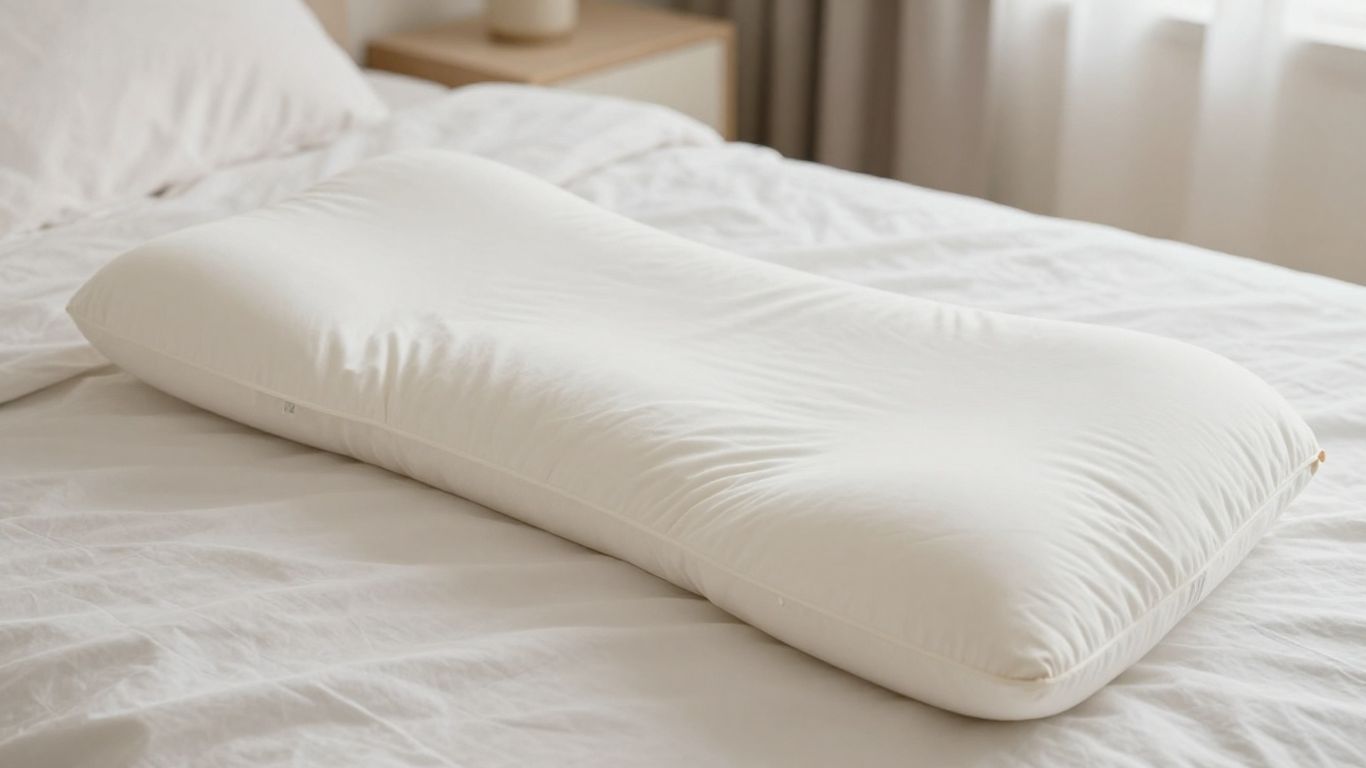
When you’re picking out a body pillow, especially as a side sleeper, the size and dimensions really matter. It’s not just about having something to hug; it’s about getting the right support to keep your body happy all night long. Think of it like finding the perfect fit for your favorite pair of jeans – too short or too wide, and it just doesn’t feel right.
Matching Pillow Length to Your Body Type
Body pillows come in a range of lengths, and most fall somewhere between 48 and 54 inches. If you’re on the taller side, or you just like having your whole body supported, a longer pillow is probably your best bet. It gives you more surface area to snuggle up against and can help keep your legs from crossing awkwardly. Shorter folks might find a slightly shorter pillow works just fine, especially if they don’t need that extra bit of cushioning between their ankles. The goal is to find a length that supports your entire frame without feeling overwhelming or insufficient.
Width Considerations for Limb Support
Beyond just length, the width of a body pillow plays a role too. Some pillows are narrower, which can be great if you like to wrap your arms and legs around them. This can feel more natural and less bulky. Other pillows are wider, offering more substantial support and keeping your limbs elevated more uniformly. This might be preferable if you tend to toss and turn or need a bit more stability. It’s a bit of a personal preference, but it affects how much space the pillow takes up in your bed and how it interacts with your body’s natural sleeping posture.
How Size Affects Overall Comfort
Ultimately, the size and dimensions of your body pillow directly impact your comfort and sleep quality. A pillow that’s too big can feel cumbersome, taking up too much real estate in your bed and potentially pushing you closer to the edge. Conversely, a pillow that’s too small might not provide enough support, leaving you feeling like you’re constantly adjusting it to get comfortable. It’s about finding that sweet spot where the pillow complements your body and your mattress, creating a harmonious sleep environment. You want a pillow that feels like an extension of your own body, not an obstacle.
Here’s a quick look at how different lengths might suit you:
| Body Type | Recommended Pillow Length |
|---|---|
| Petite/Shorter (under 5’4") | 48-50 inches |
| Average Height (5’4"-5’10") | 50-52 inches |
| Taller (over 5’10") | 52-54+ inches |
Remember, these are just general guidelines. Your personal preference for how much support you want and how you move in your sleep are just as important as your height. Don’t be afraid to experiment a little to find what feels best for you. It’s all about achieving that neutral spine alignment while you rest.
When you’re looking at body pillows, don’t just glance at the pictures. Take a moment to check the actual measurements. Sometimes, what looks like a standard body pillow size can vary quite a bit between brands. Paying attention to these details can save you a lot of hassle and lead to a much more comfortable night’s sleep.
Assessing Outer Cover Quality and Features

The outer cover of your body pillow is more than just a pretty facade; it’s your first line of defense against wear and tear, and it directly impacts how the pillow feels against your skin. Think of it like the sheets on your bed – a good one makes a world of difference. When you’re picking out a body pillow, don’t just glance at the cover; give it a good once-over.
Material Choices for Durability and Feel
Body pillow covers come in a variety of materials, each with its own pros and cons. You’ll often see options like:
- Polyester: This is a common choice, often blended with other fabrics. It’s generally durable and easy to care for, but some polyester covers can feel a bit synthetic or less breathable.
- Cotton: Natural cotton covers feel soft and breathable, which is great for keeping cool. High-quality cotton, like percale, can feel really nice, similar to good bed sheets. However, cotton can sometimes wrinkle more easily.
- Bamboo: Known for its softness and natural cooling properties, bamboo fabric is a popular choice for those who tend to overheat at night. It’s also often praised for being eco-friendly.
- Microfiber: This material is super soft and can feel quite luxurious. It’s also usually quite durable and resistant to pilling.
The feel of the cover is super important, especially if you’re sensitive to textures. Some people prefer a silky smooth feel, while others like something a bit more textured. It’s worth considering what you find most comfortable for sleeping.
Evaluating Stitching and Construction
Beyond the material itself, how the cover is put together matters a lot. Look closely at the seams. Are they straight and tight, or are they loose and uneven? Poor stitching can lead to tears and the dreaded pillow fill escaping, which is a real mess to deal with. A well-constructed cover will have strong seams and a sturdy zipper, if it has one. A zipper makes it much easier to remove the cover for washing, which is a big plus. You don’t want a zipper that snags or feels cheap. A good zipper should glide smoothly. Some pillows might have a quilted cover, which adds a bit of extra padding and can make the pillow feel more substantial. Just check that the quilting is even and doesn’t create any uncomfortable lumps.
The Importance of Cooling and Moisture-Wicking Properties
If you tend to sleep hot, the cover’s ability to manage heat and moisture is a game-changer. Some materials are naturally more breathable than others. Look for covers that specifically mention cooling or moisture-wicking features. These properties help to draw sweat away from your body and allow air to circulate, keeping you more comfortable throughout the night. This is especially helpful if your body pillow tends to trap heat, which can happen with denser fill materials. A cover that breathes well can make a big difference in your overall sleep quality, preventing you from waking up feeling sticky or overheated. For example, bamboo and certain types of microfiber are often designed with these benefits in mind. It’s a feature that really pays off for a more restful night’s sleep. Finding the right cover can really change your sleep game.
When you’re picking out a body pillow, don’t just glance at the cover; give it a good once-over. The material, the stitching, and any special features like cooling capabilities all play a role in how comfortable and long-lasting your pillow will be. It’s the part of the pillow that’s in direct contact with you all night, so it deserves some attention.
Navigating Care Instructions for Longevity
Taking care of your body pillow is pretty straightforward, but it makes a big difference in how long it lasts and how fresh it feels. Most body pillows come with covers that you can take off, which is super handy. Washing the cover regularly is the most important thing you can do.
Here’s a quick rundown on how to keep your pillow in good shape:
- Check the Tag: Always look at the care label first. It’ll tell you exactly what the manufacturer recommends.
- Washable Covers: Most covers are machine washable. Use cold water on a gentle cycle and tumble dry on low heat. This helps prevent shrinking or damage.
- Spot Cleaning: If the inner pillow itself gets dirty, you usually can’t just toss it in the wash. For most fills, spot cleaning with a mild detergent and water is the way to go. Let it air dry completely.
- Airing Out: Give your pillow a good airing out every so often. Just take off the cover and let the pillow sit in a well-ventilated room for a few hours. This helps get rid of any moisture and keeps it smelling fresh.
Here’s a little table to help you remember:
| Part | Cleaning Method |
|---|---|
| Pillow Cover | Machine wash cold, gentle cycle, tumble dry low |
| Pillow Fill | Spot clean with mild soap and water, air dry |
| Pillow | Air out regularly (weekly or bi-weekly) |
Some pillows, especially those with foam cores, might say to avoid machine washing altogether. It’s best to stick to spot cleaning the foam to keep its structure intact. If you’re unsure, it’s always better to be a bit more careful. Washing your pillow every few months, or whenever it feels like it needs it, will help keep it clean and comfortable for a long time. Remember, a clean pillow means better sleep!
Proper care not only keeps your pillow hygienic but also helps maintain its loft and support. Neglecting care can lead to clumping, odors, and a shorter lifespan for your investment. Think of it like maintaining your favorite pair of shoes – a little effort goes a long way.
Making an Informed Purchase Decision
So, you’ve done your homework on shapes, fills, and sizes. Now comes the part where you actually pick one. It can feel a bit overwhelming with all the choices out there, but let’s break it down.
Balancing Performance and Price
It’s easy to get caught up in the fanciest features, but sometimes, a simpler pillow does the job just fine. Think about what you really need. Are you looking for something to just keep your legs from crossing, or do you need serious support for your back and hips? Generally, more complex designs or premium materials will cost more. You don’t always need the most expensive option to get good sleep. Sometimes, a well-made, straightforward pillow hits the sweet spot. For instance, some brands offer great value by focusing on a solid, adjustable fill that lets you customize firmness without a sky-high price tag. It’s about finding that sweet spot where quality meets your budget.
Understanding Trial Periods and Return Policies
This is a big one, honestly. Since you can’t truly know if a pillow is your perfect match until you’ve slept on it for a while, a good trial period is your best friend. Most reputable companies know this and offer a window – sometimes 30, 60, or even 100 nights – to test the pillow out. Always check the return policy before you buy. Make sure you understand the process: do you have to pay for return shipping? Is there a restocking fee? Knowing these details can save you a lot of hassle and money if the pillow just isn’t working for you. It’s like a test drive for your sleep.
Seeking Value in Your Body Pillow Investment
When we talk about value, it’s not just about the cheapest option. It’s about what you get for your money. A pillow that costs a bit more but lasts for years and significantly improves your sleep quality is a better value than a cheap one that flattens out in a few months. Look at the materials used, the warranty, and customer reviews about durability. A pillow that offers adjustability, like the Coop Sleep Goods Original Adjustable Body Pillow, can also be a great value because you can tweak it as your needs change. Think of it as an investment in your well-being. A good night’s sleep impacts everything else, after all.
Here’s a quick checklist to consider:
- Material Quality: Does it feel durable? Will it hold up over time?
- Warranty: What does the manufacturer stand behind?
- Customer Feedback: What are other people saying about its longevity?
- Trial Period: How long do you have to decide?
Buying a body pillow is a personal journey. What works wonders for one person might not be ideal for another. Take your time, read the fine print on returns, and trust your gut. Your future well-rested self will thank you.
Expert Recommendations for Side Sleepers
When you’re a side sleeper, getting your pillow just right is a big deal. It’s not just about comfort; it’s about making sure your spine stays in a nice, straight line from your head all the way down to your tailbone. If your pillow is too high or too low, you can end up with a kink in your neck or a sore back. Experts really stress the importance of this neutral spine alignment.
Achieving Neutral Spine Alignment
Think of your spine like a long, straight highway. When you lie on your side, your pillow should act like a bridge, keeping that highway perfectly level. It needs to fill the gap between your head and the mattress without pushing your head up or letting it drop down.
Here’s a quick rundown on how to get it right:
- Check the Gap: Look at the space between your ear and your shoulder when you’re lying on your side. Your pillow needs to be thick enough to fill this space comfortably.
- Pillow Height: For most side sleepers, a pillow that’s around 4 to 6 inches thick is a good starting point. This can change based on your shoulder width and mattress firmness, though.
- Pillow Firmness: You want a pillow that’s firm enough to support your head and neck but also soft enough to let your head sink in just a little. Too firm, and it’s like sleeping on a brick; too soft, and your head will just fall to the side.
Reducing Shoulder and Hip Pressure
Side sleeping can put a lot of pressure on your shoulders and hips, especially if your mattress is too firm. A good body pillow can help distribute your weight more evenly.
Using a body pillow isn’t just about supporting your head and neck. It’s also about giving your body something to hug or tuck between your knees, which helps keep your hips aligned and takes some of the strain off your lower back. This can make a huge difference in how you feel when you wake up.
The Benefits of Hugging or Tucking a Pillow
It might sound simple, but how you use your body pillow matters. Hugging it or placing it between your knees can significantly improve your sleep posture.
- Between the Knees: Placing a pillow between your bent knees helps keep your hips stacked directly on top of each other. This prevents your top leg from pulling your hip out of alignment, which is a common cause of lower back pain for side sleepers.
- Hugging: Holding onto a pillow can help keep your shoulders from rolling forward too much. It also gives your arms a comfortable place to rest, preventing numbness or tingling.
- Full Body Support: Some people like to wrap their arms and legs around a larger U-shaped or C-shaped pillow. This offers a feeling of being cradled and can be especially helpful if you tend to move around a lot during the night.
Finding the right body pillow can feel like a quest, but focusing on these expert tips can really point you in the right direction. Remember, it’s about creating a sleep setup that supports your body’s natural curves and reduces pressure points. If you’re looking for more detailed comparisons, this guide to body pillows might offer some extra insights.
Comparing Top Body Pillow Models
Alright, so you’ve made it this far, which means you’re serious about finding that perfect body pillow. It’s not just about picking one off the shelf, right? We’ve sifted through a bunch of them to give you a clearer picture of what’s out there. Think of this as a quick rundown of some standouts, based on what side sleepers like you are looking for.
Best Overall Body Pillow for Side Sleepers
When we talk about the ‘best overall,’ we’re looking for that sweet spot of support, comfort, and durability. It needs to keep your spine happy and give your limbs a place to rest without feeling like you’re wrestling a giant marshmallow. The MedCline Therapeutic Body Pillow often gets high marks here. It’s designed with side sleeping in mind, offering a unique setup that supports your back, hips, and belly all at once. It’s a bit of an investment, sure, but for many, the relief it provides is totally worth it.
Top Picks for Value and Comfort
Not everyone wants to spend a fortune, and that’s totally understandable. The Buffy Wiggle Pillow is a great example of a pillow that balances cost with a really pleasant feel. It’s known for being soft yet supportive, and its fill is often praised for being breathable, which is a big plus if you tend to overheat at night. It’s a solid choice if you want that cozy, cradling feeling without breaking the bank. You can find some really good options if you know where to look, and this one is definitely a contender for great value.
Innovative Designs for Enhanced Support
Sometimes, you need something a little different. The world of body pillows isn’t just U-shapes and rectangles anymore. Take the Bearaby Cuddler, for instance. It uses a hevea rubber fill, which is pretty cool because it’s natural and keeps things from getting too warm. It’s got a good loft and a medium-to-firm feel, making it a good fit for taller folks or those who just like a bit more substance. It’s designed to be really breathable, so if you’re a hot sleeper, this could be a game-changer. Plus, its shape is great for full-body support whether you’re sleeping or just lounging.
Here’s a quick look at how some popular types stack up:
| Pillow Type | Key Benefit for Side Sleepers |
|---|---|
| U-Shaped | Full body cradle, supports head, neck, back, and legs. |
| C-Shaped | Good for propping, supports one side of the body. |
| Rectangular | Versatile, can be used between knees or for arm support. |
| Specialized (e.g., MedCline) | Targeted support for specific issues like back pain or pregnancy. |
When you’re comparing these, think about what you actually need. Do you want something to hug, something to keep your legs apart, or something that supports your whole torso? Your personal comfort is the main goal here, so don’t be afraid to try something that looks a little unconventional if it promises to solve your specific sleep problem.
Considering Mattress Compatibility
How Mattress Firmness Affects Pillow Choice
So, you’ve got your eye on a new body pillow, which is great! But before you click "buy," let’s talk about your mattress. It’s not just about the pillow; your mattress plays a pretty big role in how well that pillow actually works for you. Think of it like a team – they need to work together.
If you’re a side sleeper, you probably already know that a mattress that’s too firm can be a real pain in the hips and shoulders. On the flip side, a mattress that’s too soft means you sink in too much, and that can mess up your spine’s natural curve. The sweet spot for side sleepers is usually a mattress that offers a good balance of contouring and support. This helps keep your spine in a nice, straight line from your neck down to your tailbone. If your mattress is already doing a fantastic job of this, your body pillow just needs to fill in the gaps and keep things aligned. But if your mattress is letting you sag, even the best body pillow might struggle to fix that all on its own.
Creating the Ideal Sleep Surface Combination
Getting the mattress and body pillow combo right is key to avoiding aches and pains. Here’s a quick rundown:
- Soft to Medium-Firm Mattress: These generally allow your body to sink in just enough to relieve pressure points on your hips and shoulders, which is super important for side sleepers. A mattress like the Stearns & Foster Lux Estate Firm Pillow Top is a good example of a mattress that balances support with a comfortable feel.
- Body Pillow Function: Your body pillow should then complement this by supporting your upper leg and keeping your hips stacked. It prevents your top leg from pulling your hip out of alignment.
- Pillow Loft and Firmness: The height and firmness of your body pillow should match your mattress. If your mattress is very plush, you might need a slightly thinner or softer body pillow. If your mattress is firmer, you might need a bit more loft or firmness in your body pillow to bridge the gap.
When to Consider a Mattress Upgrade
Sometimes, no matter how great your body pillow is, your mattress is just past its prime. If your mattress is:
- Seven to 10 years old: Most mattresses have a lifespan around this mark. If yours is getting up there, it’s likely lost its support.
- Showing visible signs of wear: Think sagging spots, lumps, or uneven surfaces. These are clear indicators that it’s time for a change.
- Causing persistent pain: If you wake up with new or worsening back, hip, or shoulder pain despite trying different pillows, your mattress might be the culprit.
If you’re finding that your current mattress just isn’t cutting it, even with a new body pillow, it might be time to look into a new one. A good mattress is the foundation for good sleep, and it’s worth investing in one that works well with your chosen body pillow. You can find some great options for side sleepers in this guide if you decide it’s time for a mattress refresh.
Wrapping It Up: Finding Your Perfect Side Sleeper Pillow
So, we’ve gone over a bunch of stuff about body pillows for side sleepers. It can feel like a lot, right? But really, it boils down to a few key things: how it feels, what shape works for you, and if you can actually return it if it’s not a good fit. Don’t just grab the first one you see. Think about what you need – maybe more support for your knees, or something that keeps you cool all night. Take your time, check out the reviews, and remember that the best pillow is the one that helps you wake up feeling rested, not sore. Happy pillow hunting!
Frequently Asked Questions
Why do side sleepers need a special body pillow?
Side sleepers often need extra support to keep their spine straight and avoid pressure on their hips and shoulders. A body pillow can help fill the gap between your knees and support your arms, keeping everything lined up nicely for a more comfortable sleep.
What’s the best shape for a side sleeper’s body pillow?
Many side sleepers like U-shaped or C-shaped pillows because they can hug them and get support all around. Rectangular pillows are also good if you like to place them between your legs or hug them from the front.
How firm should a body pillow be for side sleeping?
It’s not about being super firm or super soft. You want a pillow that’s just right – supportive enough to keep your body aligned but soft enough to be comfy. Some pillows let you add or remove stuffing to get it perfect for you.
Can a body pillow help with back pain if I sleep on my side?
Yes, it really can! By helping to keep your spine straight and taking pressure off your hips and shoulders, a body pillow can make a big difference in reducing back pain for side sleepers.
How long should a body pillow be for side sleepers?
The length really depends on you! If you’re taller, you’ll want a longer pillow to support more of your body, like from your head all the way down to your ankles. Shorter folks might be fine with a pillow that just supports their legs and torso.
What kind of stuffing is best in a body pillow for side sleepers?
Stuffing like memory foam or poly-fill is common. Some people like shredded foam because it’s moldable. What matters most is that the stuffing gives you the right amount of support and doesn’t get too hot.
How do I clean a body pillow?
Always check the tag! Many body pillow covers can be removed and washed in the machine. Some pillows are fully washable, while others you might only be able to spot clean. Taking care of it means it will last longer.
Can my mattress affect how well my body pillow works?
Definitely. If your mattress is really soft, you might sink in a lot, and a very thick pillow could throw off your spine’s alignment. It’s all about finding a balance between your mattress and your pillow to keep your body straight and comfy.