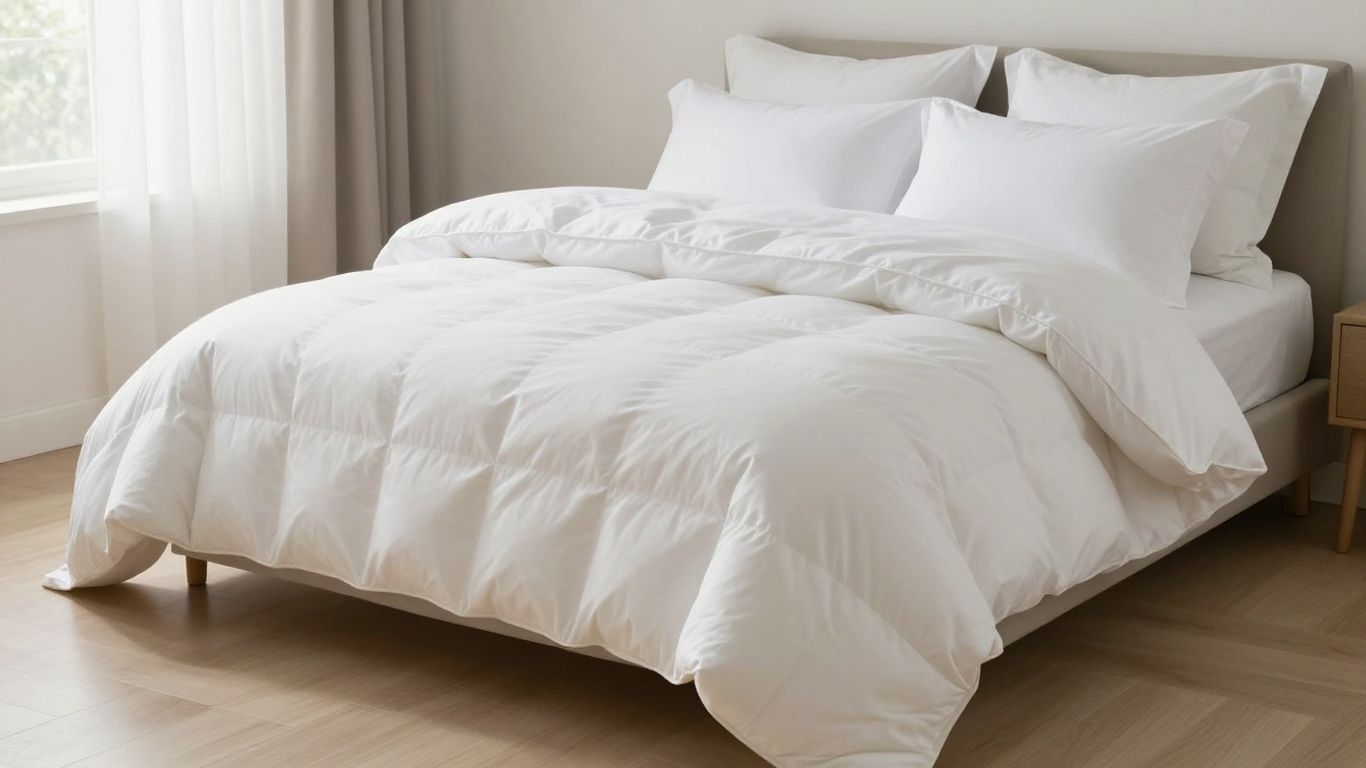
So, you’re looking to upgrade your sleep game? That’s smart. A good comforter and bed sheet set can really make a difference in how you feel each morning. It’s not just about looking nice on the bed, though that’s part of it. We’re talking about finding that sweet spot of comfort, temperature, and feel that helps you get the best rest possible. This guide is here to help you figure out what you actually need and what’s out there for 2026.
Key Takeaways
- When picking a comforter and bed sheet set, think about whether you sleep hot or cold. This will guide your choice of materials.
- Natural fibers like cotton and linen are often good for breathability, while synthetics or down alternatives can offer different kinds of comfort and warmth.
- Pay attention to details like pocket depth on fitted sheets and stitching on comforters, as these affect how well the set fits and holds up.
- Don’t get too caught up in thread count; the fiber type and weave (like percale or sateen) often matter more for how a comforter and bed sheet set feels.
- Consider your personal comfort goals—do you want something super soft, crisp, or maybe something that stays cool all night?—when choosing your next comforter and bed sheet set.
Understanding Your Comforter and Bed Sheet Set Needs
So, you’re looking to upgrade your sleep game, huh? That’s awesome. But before we get into the nitty-gritty of thread counts and fill powers, let’s talk about you. What makes you toss and turn, or what makes you sleep like a log? Figuring out your personal sleep style is the first step to finding bedding that actually works for you, not against you. It’s not just about picking something that looks pretty on the bed; it’s about creating a sleep sanctuary tailored to your body’s needs. Think of it as building the perfect nest. We all have different preferences, and what one person loves, another might find totally uncomfortable. Let’s break down how to pinpoint what you really need.
Identifying Your Sleep Style: Hot vs. Cold
This is probably the biggest factor. Do you wake up feeling like you’re in a sauna, or are you constantly kicking off the covers because you’re freezing? Your internal thermostat plays a huge role in choosing the right bedding. If you tend to overheat, you’ll want materials that breathe well and wick away moisture. Think crisp cotton percale or airy linen. On the flip side, if you’re always cold, you’ll be looking for fabrics that trap heat, like flannel or a thicker weave. It’s a simple question, but the answer makes a big difference in your comfort level all night long. Don’t underestimate this one!
Considering Material Preferences: Natural vs. Synthetic
What do you like the feel of? This is where personal preference really comes into play. Natural fibers like cotton, linen, and bamboo are popular for a reason. They tend to be breathable and feel good against the skin. Cotton is a classic for a reason, offering a range of feels from crisp to soft depending on the weave. Linen is known for its breathability and gets softer with age. Bamboo is often praised for its smooth feel and moisture-wicking properties. Synthetics, like polyester or microfiber, can be durable and affordable, and some are designed to mimic the feel of natural fibers. However, they can sometimes trap heat or not feel as
The Science Behind Comforter and Bed Sheet Set Materials
When you’re picking out new bedding, it’s easy to get lost in all the different names and descriptions. But understanding what the materials are actually made of and how they’re put together can make a big difference in how you sleep. It’s not just about how soft it feels right off the shelf; it’s about how it performs night after night.
Exploring Cotton Weaves: Percale vs. Sateen
Cotton is a go-to for a reason, but not all cotton is created equal. The way the threads are woven together really changes the feel and function of the fabric. Think of it like building with LEGOs – the same bricks can make different things depending on how you connect them.
- Percale: This weave is like a simple, one-over-one pattern. It creates a fabric that feels crisp, cool, and almost like a hotel sheet. It’s known for being super breathable, which is great if you tend to get warm when you sleep. It’s a solid choice for most people, especially if you’re looking for that classic, clean feel. You can find some really nice percale weave cotton sheets that offer excellent air circulation.
- Sateen: Sateen uses a different weave, often with more threads on the surface and fewer underneath. This gives it a smoother, silkier feel and a bit of a sheen. It drapes nicely, which some people love. However, because the weave is denser, it can sometimes trap a bit more heat compared to percale. If you prefer a softer, more luxurious touch and don’t usually overheat, sateen might be your pick.
The Benefits of Linen and Lyocell for Breathability
Beyond cotton, other natural and semi-synthetic fibers offer unique advantages, especially when it comes to staying cool and comfortable.
- Linen: Made from flax plants, linen is famous for its incredible breathability and durability. It has a slightly textured feel that actually helps air circulate really well. It’s also known for getting softer the more you wash it. Linen is a fantastic option for hot sleepers because it wicks away moisture and feels cool to the touch, even on the warmest nights.
- Lyocell (like Tencel): This is a type of rayon made from wood pulp, usually eucalyptus. Lyocell is a bit of a wonder material. It’s incredibly soft, smooth, and has a lovely drape. What’s really impressive is its ability to manage moisture and regulate temperature. It’s highly breathable and feels cool against the skin, making it a top contender for those who struggle with night sweats. It’s also considered an eco-friendly option.
Understanding Down Alternative and Down Fills
When it comes to comforters, the filling is just as important as the outer fabric. This is what gives your comforter its loft, warmth, and weight.
- Down: This is the soft, fluffy undercoating from ducks or geese. Real down is lightweight, incredibly warm for its weight, and very breathable. It has a natural loft that makes comforters feel luxurious and cloud-like. However, it can be expensive, and some people have allergies. It also requires specific care to maintain its fluffiness.
- Down Alternative: This is a synthetic material, often made from polyester fibers, designed to mimic the feel and performance of down. It’s usually more affordable, easier to care for, and a good choice for people with allergies. While it might not have quite the same natural loft or breathability as real down, modern down alternatives are getting very good at providing warmth and comfort without making you overheat.
Choosing the right material is about matching it to your personal sleep habits and preferences. What feels amazing to one person might be too warm or too cool for another. It’s worth paying attention to these details because they directly impact your comfort throughout the night.
Choosing the Right Comforter and Bed Sheet Set for Every Sleeper
Okay, so you’ve figured out if you’re a furnace or a popsicle at night. That’s a big step! Now, let’s talk about matching your bedding to your personal thermostat. It’s not just about looking pretty; it’s about actually sleeping well.
Best Comforter and Bed Sheet Set for Hot Sleepers
If you wake up feeling like you’ve run a marathon in your sleep, you need bedding that breathes. Think lightweight and airy. Cotton percale is a classic for a reason – it’s got that crisp, cool feel that’s hard to beat. Linen is another fantastic choice; it’s super breathable and gets softer with every wash. Bamboo is also a good option, often feeling silky and cool against the skin. The key is to avoid materials that trap heat.
Here’s a quick rundown:
- Cotton Percale: Crisp, breathable, and feels cool to the touch. Great for that hotel-sheet vibe.
- Linen: Excellent airflow, gets softer over time, and has a natural, relaxed look.
- Bamboo Lyocell/Tencel: Silky smooth, very breathable, and good at wicking moisture.
When picking a comforter, look for lighter fills or ones specifically designed for cooling. Avoid heavy down or thick synthetic fills that act like a personal sauna.
Ideal Comforter and Bed Sheet Set for Cold Sleepers
For those who are always reaching for an extra blanket, warmth is the name of the game. Flannel sheets are a go-to for a reason – they’re soft, cozy, and hold onto heat. Microfiber sheets can also be a good choice, offering a soft, brushed feel that traps warmth. For comforters, you’ll want something with a higher fill power or a heavier weight. Down comforters are excellent insulators, but good quality down alternatives can also provide plenty of warmth without the same weight. Consider a comforter with a higher warmth rating.
- Flannel Sheets: Soft, fuzzy, and incredibly warm. Perfect for winter.
- Microfiber Sheets: Buttery soft and good at trapping body heat.
- Higher Fill Power Comforters: Down or quality down alternatives that offer substantial insulation.
Don’t forget that your mattress can also play a role. If you have a memory foam mattress that tends to hold heat, you’ll need sheets that actively help regulate temperature, even if you’re a cold sleeper. It’s about finding a balance.
Luxury Comforter and Bed Sheet Set Options
Luxury is subjective, but it often means high-quality materials and a superior feel. For sheets, this usually points to long-staple cottons like Egyptian or Pima cotton, often in a sateen weave for that smooth, silky finish. Sateen has a denser weave which can feel warmer, so it’s often favored by those who don’t sleep too hot. For comforters, think premium down fills with high fill power for incredible loft and warmth, or beautifully crafted quilts and coverlets made from fine materials. Look for details like deep pockets on sheets and meticulous stitching on comforters. If you’re looking for top-tier sheet sets, paying attention to the fabric and weave is key.
When you’re aiming for that luxury feel, consider these points:
- Material Quality: Long-staple cottons (Egyptian, Pima), silk blends, or high-quality down.
- Weave: Sateen for a smooth, lustrous feel; percale for a crisp, refined finish.
- Construction Details: High thread counts (though not the only factor), fine stitching, and generous fill in comforters.
Ultimately, the best set is the one that makes you feel pampered and helps you sleep soundly. For some, that might be the crispness of percale, while for others, it’s the cloud-like embrace of a down comforter. It’s all about personal preference and finding those top-rated comforters that fit your needs.
Key Features to Look for in Comforter and Bed Sheet Sets
So, you’ve figured out if you sleep hot or cold, and you’ve got a handle on materials. Great! But before you click ‘buy,’ let’s talk about the nitty-gritty details that actually make a difference in how your bedding feels and performs. It’s not just about the fabric; it’s about how it’s put together.
The Importance of Pocket Depth and Elastic Fit
This is a big one, especially for fitted sheets. If your sheets keep popping off the mattress corners, it’s incredibly annoying. You want sheets with deep enough pockets to fit your mattress snugly. Look for descriptions that mention pocket depth, especially if you have a thicker mattress. Also, check out the elastic. Is it just a thin band around the edge, or is there stronger elastic, maybe even reinforced corners? A good elastic band that goes all the way around, or has extra reinforcement, means your sheets will stay put all night long. Some brands even add little tags to help you figure out which side is which, which is a nice touch.
Evaluating Stitching and Fill Power in Comforters
When it comes to comforters, the stitching is super important. It keeps the filling from shifting around, so you don’t end up with cold spots or lumpy areas. Check for neat, consistent stitching. For down comforters, fill power is a key term. It basically tells you how much space one ounce of down takes up. Higher fill power (like 600 or 700+) means the down is fluffier and provides better insulation without being too heavy. For down alternatives, you’ll want to look at the weight and type of fill material to gauge warmth and loft. A quiet outer fabric is also a plus; nobody wants a crinkly comforter.
Assessing Durability and Pilling Resistance
Nobody wants bedding that falls apart after a few washes or starts looking fuzzy. When looking at sheets, especially cotton ones like percale, consider the type of cotton. Long-staple cotton, like Egyptian or Pima, tends to be more durable and resistant to pilling. You can often find information about this on the product page. For comforters, check reviews for comments on how well they hold up over time. Some materials are just naturally more prone to pilling than others, so it’s good to be aware of that. If you’re looking for something that lasts, long-staple cotton is often a good bet.
Think about how you use your bed. If you’re constantly tossing and turning, or if you have pets that share your space, durability becomes even more of a priority. It’s worth spending a little extra upfront for quality that will last.
Here’s a quick rundown of what to watch for:
- Fitted Sheets: Deep pockets, strong elastic, corner reinforcement.
- Comforters: Secure stitching, appropriate fill power (for down), quality fill material (for alternatives).
- All Bedding: Pilling resistance, colorfastness, overall fabric strength.
Paying attention to these features can really help you pick out bedding that not only looks good but feels great and lasts for years to come.
Navigating the Market: Top Comforter and Bed Sheet Set Picks
Alright, so you’ve figured out what you need, and you’re ready to actually buy something. That’s the fun part, right? But with so many options out there, it can feel like a jungle. Let’s break down some of the top contenders and what makes them stand out.
Top-Rated Comforter and Bed Sheet Set Combinations
Finding a set that works well together is key. Some brands really nail the whole package, offering sheets and a comforter that complement each other in feel and look. We’ve seen some great pairings that balance softness with breathability. For instance, a crisp percale sheet set paired with a fluffy, yet not too heavy, down alternative comforter can be a winner for many.
- Saatva Organic Sateen Sheet Set: Known for its smooth, luxurious feel, this set is a solid choice if you prefer a softer sheet. It pairs well with a variety of comforters.
- Brooklinen Classic Core Sheet Set: These offer a cool, crisp feel that many people love, especially in warmer months. They’re a good base for layering with different comforters.
- Cozy Earth Bamboo Sheet Set: If you’re looking for something incredibly soft and breathable, bamboo is a great option. It feels amazing against the skin.
Best Value Comforter and Bed Sheet Set Recommendations
Who doesn’t love a good deal? You don’t always have to spend a fortune to get quality bedding. Sometimes, the best value comes from brands that focus on simple, well-made products without all the fancy marketing. We’ve found that some direct-to-consumer brands offer really solid sets at prices that won’t make your wallet cry.
- Quince Organic Percale Sheet Set: These are often praised for their quality at a surprisingly low price point. They offer that classic percale crispness.
- California Design Den 400 Thread Count: These sheets are frequently recommended for their softness and durability without a high price tag. They’re a reliable choice for everyday use.
- Target’s Threshold Organic Percale Sheet Set: For a budget-friendly option, Target’s in-house brand often delivers good quality, especially their organic percale lines.
Standout Comforter and Bed Sheet Sets for Specific Needs
Sometimes, you have a very specific need. Maybe you sleep incredibly hot, or perhaps you need something extra cozy for those chilly nights. There are sets designed with these specific issues in mind.
- For Hot Sleepers: Look for sets specifically marketed for cooling. Materials like Tencel, lyocell, or lightweight cotton percale are your friends. The Slumber Cloud UltraCool Comforter is a top pick for its lasting cool-to-the-touch feel.
- For Cold Sleepers: Flannel sheets are a classic for a reason, and heavier comforters with higher fill power can make a big difference. Down or thick down-alternative fills are great here.
- For Luxury Seekers: If you want that hotel-like feel, focus on high-quality materials like long-staple cotton sateen or premium down. Sets that feel exceptionally smooth and have a nice weight to them often fall into this category. Many Consumer Reports have highlighted sets that excel in both softness and durability for a luxurious experience.
When you’re looking at different sets, remember that the ‘best’ is really what feels best to you. Don’t get too caught up in thread counts or fancy names. Focus on the material, how it’s made, and what kind of sleep experience you’re hoping to achieve. A good night’s sleep is worth the effort to find the right bedding.
Beyond the Basics: Enhancing Your Comforter and Bed Sheet Set Experience
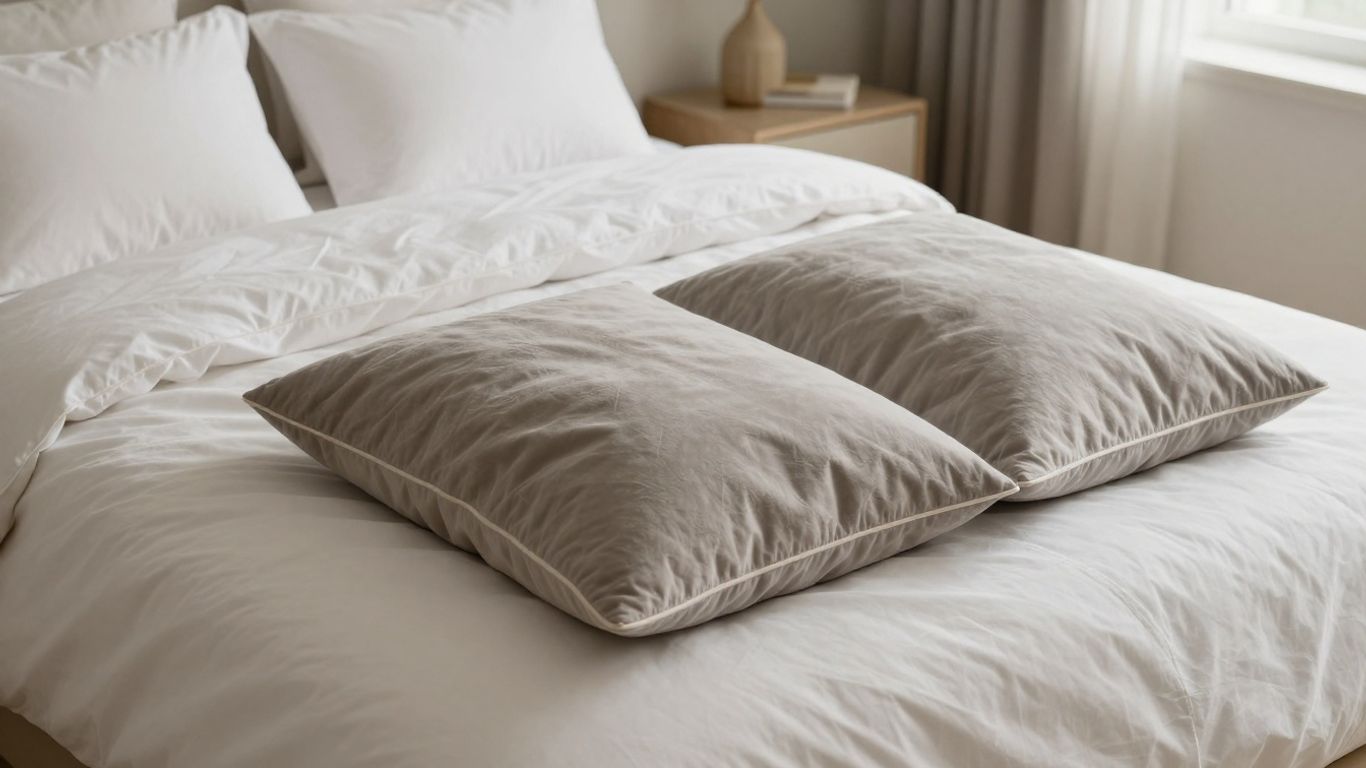
So, you’ve picked out the perfect comforter and sheet set. Awesome! But wait, there’s more to making your bed a sleep sanctuary. It’s not just about the main pieces; the little things can make a big difference in how you sleep and how your bed looks.
The Role of Pillowcases and Accent Pillows
Let’s start with pillowcases. They’re not just for covering your pillows; they’re part of the whole feel of your bedding. If your sheets are cool and crisp, you’ll want pillowcases that match that vibe. Some people like envelope closures on their pillowcases, which means the pillow tucks in neatly and doesn’t peek out. It’s a small detail, but it keeps things looking tidy. And then there are accent pillows. These are the decorative ones, sure, but they can also add an extra layer of comfort. Maybe you like to read in bed and need a firm pillow to lean against, or perhaps you just like the cozy feeling of having a few extra plush pillows to sink into. Choosing the right ones can really complete the look and feel of your bed.
Considering Duvet Covers for Versatility
Duvet covers are like the clothing for your comforter. They’re super practical because you can change them out way easier than washing a whole comforter, especially a big, fluffy down one. Think about it: if you get tired of your current bedding color or pattern, just swap out the duvet cover. It’s a budget-friendly way to refresh your bedroom’s look. Plus, they add another layer of softness and warmth. Some people find that a duvet cover makes their comforter feel even cozier. It’s also a great way to protect your comforter from spills and general wear and tear, meaning your comforter lasts longer. If you’re looking for a good comforter, the Brooklinen Down Comforter is a popular choice that works well with a cover.
Maintaining Your Comforter and Bed Sheet Set for Longevity
Taking care of your bedding is key to making it last. It’s not complicated, but a few habits go a long way. First off, always check the care label. Seriously, it’s there for a reason! Generally, washing your sheets and comforter on a gentler cycle with cooler water helps preserve the fabric and any elastic. High heat can be tough on materials and can make elastic lose its stretch over time. Rotating between different sheet sets also helps spread out the wear, so no single set gets overworked. And when you store them, make sure they’re completely dry to avoid any musty smells or fabric stress. A little bit of care means your comfy bed stays comfy for much longer.
Proper care isn’t just about keeping things clean; it’s about preserving the feel, fit, and overall performance of your bedding. Gentle washing, avoiding excessive heat, and proper storage are simple steps that significantly extend the life of your comforter and sheets, saving you money and hassle in the long run.
Making an Informed Purchase: What to Know Before Buying
So, you’re ready to invest in some new bedding. That’s great! But before you click ‘add to cart,’ let’s talk about a few things that can make a big difference in your final choice. It’s not just about picking a pretty pattern; there’s a bit more to it than that.
Understanding Thread Count Myths and Realities
We’ve all seen those sky-high thread counts advertised, right? It’s easy to think that more threads automatically mean better sheets. But honestly, it’s not always that simple. For cotton sheets, a thread count between 200 and 400 is often a sweet spot for softness and breathability. Anything much higher might just mean the manufacturer is using thinner yarns or a less common weave, which doesn’t necessarily translate to a better feel or more durability. Focus more on the quality of the fiber and the weave itself.
Recognizing Eco-Friendly Certifications
Shopping for bedding can feel like a minefield when you’re trying to be environmentally conscious. There’s a lot of marketing out there that can be confusing. To cut through the noise, look for trusted third-party certifications. The Global Organic Textile Standard (GOTS) and OEKO-TEX are two big ones to keep an eye out for. These labels mean the materials and manufacturing processes meet certain standards for sustainability and safety. It’s a good way to feel more confident about your purchase.
Measuring Your Bed System Accurately
This is a big one, and surprisingly, many people miss it. You need to measure more than just your mattress. Think about any mattress toppers, pads, or protectors you use. These add extra bulk and can change how a sheet fits. For example, a thick memory foam mattress with a plush topper might need extra-deep pockets on your fitted sheet. It’s also worth checking the elastic. A sheet with a strong elastic band all around the edge, not just at the corners, will stay put much better. A sheet that constantly pops off is just annoying, plain and simple. If you have an adjustable bed, this becomes even more important because the movement puts extra stress on the fabric.
Here’s a quick rundown on mattress types and potential sheet needs:
| Mattress Type | Potential Sheet Need |
|---|---|
| Standard Mattress | Standard or True Deep Pocket |
| Thick Memory Foam Mattress | Deep Pocket (measure first) |
| Mattress + Topper/Added Layers | Extra-Deep Pocket is often the safest bet |
| Adjustable Base Mattress | Deep Pocket with strong, secure elastic is key |
When comparing sheet sets, always ask yourself: How deep is my mattress setup? Does the fitted sheet have a secure elastic edge that will hold it in place? Will the fabric allow for good airflow to keep me comfortable throughout the night?
Taking these steps before you buy can save you a lot of hassle and ensure you end up with bedding that truly fits your needs and your bed. It’s about making a smart choice for better sleep.
The Testing Process: How We Select the Best Sets
Lab Testing for Fabric Strength and Durability
When we get a new comforter or sheet set into the lab, it doesn’t just get a quick once-over. We put the fabrics through their paces to see how they hold up. For sheets, this means checking things like how strong the material is, how well it resists pilling (those little balls of fluff that can make sheets look old fast), and how much they shrink or wrinkle after a wash and dry cycle. We want to know if they’ll actually last beyond a few months. For comforters, we’re looking at the stitching to make sure it’s solid and won’t come apart, and we check the outer fabric to see if it’s noisy or feels cheap. We also sniff test for any weird smells right out of the package.
Real-World Sleep Testing for Comfort and Performance
Lab tests tell us one part of the story, but how a comforter and sheet set feels when you’re actually sleeping is what really matters. That’s where our sleep testers come in. They use the bedding for several weeks, sleeping on it every night. They report back on everything from how soft the sheets are to how cozy the comforter feels. We ask them about noise levels, how the fill stays put in the comforter, and even how easy it is to put a duvet cover on. The goal is to get a real sense of the day-to-day comfort and performance.
Evaluating Temperature Regulation and Feel
Nobody likes waking up too hot or too cold, so temperature regulation is a big deal. During our sleep tests, we pay close attention to how well the bedding breathes. Do the sheets feel cool and crisp, or do they trap heat? Does the comforter keep you warm enough on a chilly night without making you sweat? We also consider the overall feel – is it smooth, slightly textured, or something else entirely? This subjective feel is super important for overall sleep satisfaction. We also look at how well the sheets fit different mattress depths, which is a practical consideration for most people Sheets are evaluated based on fit, softness, and resistance to wrinkling. Testing also includes assessing strength and shrinkage to ensure durability and quality.
We try to mimic real life as much as possible. This means washing the bedding according to care instructions, using it on different types of mattresses, and having testers with various sleep preferences weigh in. It’s not just about the numbers; it’s about how the bedding performs when you’re actually trying to get some rest.
Styling Your Bed with Comforter and Bed Sheet Sets
Okay, so you’ve picked out the perfect comforter and sheets – nice job! But now comes the fun part: making your bed look as good as it feels. It’s not just about comfort, right? Your bedroom is your sanctuary, and the bed is the centerpiece. Getting the look right can totally change the vibe of the whole room.
Choosing Colors and Patterns for Your Bedroom Aesthetic
Think about the colors already in your room. Are you going for a calm, spa-like feel, or something more vibrant and energetic? Neutrals are always a safe bet, offering a clean look that’s easy to build on. Think soft grays, creamy whites, or muted blues. If you’re feeling a bit bolder, a deep jewel tone or a subtle pattern can add a lot of personality. Don’t be afraid to mix and match, but try to keep a consistent color palette. For instance, if you have a navy duvet, maybe go for crisp white sheets with a subtle navy stripe. It’s all about creating harmony.
Layering for Comfort and Visual Appeal
Layering is where you can really play with texture and depth. Start with your fitted sheet, then your flat sheet, and then your comforter. From there, you can add a quilt or a lightweight blanket folded at the foot of the bed. This not only looks super inviting but also gives you options if the temperature changes overnight. A throw blanket draped casually over the corner adds that extra touch of coziness and visual interest. It’s like giving your bed a stylish outfit.
Here’s a simple way to think about layering:
- Base Layer: Fitted sheet and flat sheet.
- Main Layer: Comforter or duvet.
- Accent Layer: Quilt, blanket, or throw.
- Pillow Power: Mix and match pillow sizes and textures.
Creating a Cohesive Look with Bedding Accessories
Don’t forget the finishing touches! Pillowcases are a big one. You can match them to your sheets or your comforter, or even use them as a contrasting element. Accent pillows, in different sizes and textures, can really tie everything together. Think about a couple of square pillows in front of your sleeping pillows, maybe with a bit of texture or a complementary pattern. And if you’re using a duvet cover, make sure the pillow shams match. It’s these small details that make your bed look professionally styled. For a truly luxurious feel, consider cotton sateen sheets for their smooth finish.
Making your bed doesn’t have to be a chore. Think of it as a daily act of self-care, setting the tone for a peaceful and comfortable space. Even a simple arrangement can make a big difference in how your bedroom feels.
Sweet Dreams Ahead
So, there you have it. Picking the right comforter and sheets might seem like a small thing, but honestly, it can really change how you feel when you wake up. We’ve looked at different materials, how they’re made, and what works best for all sorts of sleepers, whether you run hot or cold. Remember to think about what you actually need – like deep pockets for your mattress or a weave that feels just right. Getting your bedding sorted is a pretty good investment in feeling better every single day. Sweet dreams!
Frequently Asked Questions
What’s the most important thing to think about when buying new sheets and comforters?
The biggest thing is figuring out what kind of sleeper you are. Do you get hot easily, or do you tend to feel cold at night? Also, think about what feels good to you. Some people love super soft and smooth sheets, while others prefer a crisp, cool feel. Knowing this helps you pick the right materials and thickness.
Are higher thread counts always better for sheets?
Not really! Thread count is just how many threads are woven into a square inch of fabric. While it can be a sign of quality, it’s not the only thing. The type of material and how it’s woven (like percale or sateen) often matter more for how the sheets feel and how well they breathe.
What’s the difference between percale and sateen sheets?
Percale sheets have a simple, crisscross weave that makes them feel light, crisp, and cool, almost like a hotel sheet. Sateen sheets have a different weave that makes them feel smoother, silkier, and a bit heavier, which can be warmer.
What kind of bedding is best for someone who sleeps hot?
If you tend to overheat, look for bedding made from breathable materials like cotton percale, linen, or lyocell. These fabrics let air flow through and wick away moisture. Lighter comforters or duvet inserts with less fill are also a good choice.
What bedding should I choose if I always feel cold?
For those who get chilly, warmer materials like flannel sheets or brushed cotton are great. A thicker comforter or a down or down-alternative fill will trap more heat and keep you cozy. You might also consider a duvet cover that you can easily swap out for a warmer one.
How do I know if my fitted sheets will actually fit my bed?
Don’t just look at the mattress size! Measure the total height of your mattress, including any toppers or pads you use. Then, check the ‘pocket depth’ listed on the sheet packaging. Make sure it’s a few inches deeper than your total bed height to ensure a snug fit without popping off.
What does ‘fill power’ mean for comforters?
Fill power tells you how much space the filling (like down) takes up. A higher fill power number means the filling is fluffier and traps more air, which usually means a warmer and lighter comforter. It’s a good way to judge how warm a comforter will be.
How often should I wash my comforter and sheets?
It’s a good idea to wash your sheets about once a week to keep them clean and fresh. Comforters don’t need washing as often, maybe once or twice a year, unless there’s a spill. Using a duvet cover can help protect your comforter and reduce how often you need to wash it.